

















Hormones during pregnancy and breastfeeding undergo dramatic shifts to support both the baby and the mother. Everything from fetal growth to labor, milk production, and postpartum recovery is affected by hormonal changes during pregnancy.
In this article, we will explore the key hormones involved in pregnancy and breastfeeding, including estrogen, progesterone, prolactin, and oxytocin.
We’ll also cover the postpartum hormone changes, hormones after childbirth, and how these shifts impact mood, sleep, and overall well-being.
- Pregnancy hormones support fetal growth, prepare the body for labor, and influence mood and energy levels.
- After childbirth, hormone levels shift rapidly, impacting emotions, recovery, and breastfeeding.
- Prolactin and oxytocin play key roles in milk production, bonding, and postpartum healing.
Read More: Pregnancy and Heart Health: Risks, Monitoring, and Postpartum Care
Why Hormones Change So Much During Pregnancy and Breastfeeding
You undergo a lot of changes throughout pregnancy. Many of the physical changes, such as a developing belly or sore breasts, are readily visible and palpable, while others take place subtly in the background. Your hormones are at the center of all these changes in your body, mind, and emotions.
Your body uses hormones as messengers. They provide signals that aid in the development of a child, and they change as you get ready for childbirth and parenthood. The changes they bring about can be perplexing at times, particularly in relation to hormones and mood.
You might feel more in tune with your body and secure in your journey to motherhood if you understand them. The way the body functions to support breastfeeding is truly remarkable.
During pregnancy and the postpartum period, the body undergoes significant changes to become a milk-producing system, and it can continue producing milk for as long as a child breastfeeds.
Although several factors contribute to this, hormones are the primary forces underlying the initiation and maintenance of nursing. The two main hormones involved in nursing are oxytocin and prolactin; a few other hormones also play a role.
Key Hormones During Pregnancy and What They Do

Hormone levels fluctuate during pregnancy, with various consequences. The six major hormones during pregnancy, their roles in fetal growth, and their further consequences are listed below.
Human chorionic gonadotropin (hCG) is a crucial hormone during the early stages of pregnancy. After implantation, the placenta produces it, which helps the corpus luteum function. During the early stage of pregnancy, the corpus luteum, a transient tissue in the ovaries, produces additional important hormones. Pregnancy tests also identify the hormone hCG.
After conception, its concentration rises and peaks eight to eleven weeks later. Its levels are too low for pregnancy tests to detect during the first few days following conception, but they double every 48 hours after implantation.
Progesterone: Progesterone aids in the placenta formation. It promotes the development of blood vessels that supply the womb and prevents the uterus from contracting, allowing it to expand as the baby grows. Additionally, progesterone strengthens the pelvic floor muscles during childbirth.
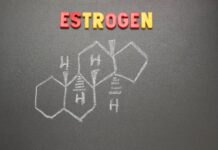
Estrogen: Promotes fetal organ development, maintains the uterine lining, and supports uterine growth. It stimulates and controls the synthesis of other hormones. Estrogen promotes the formation of milk ducts and breast expansion in conjunction with progesterone.
Prolactin: Prolactin is the primary hormone required to initiate breast milk production. To prepare for this, it enlarges the mammary glands (as mentioned earlier, however, progesterone levels remain high throughout pregnancy, suppressing full milk production until after childbirth). Other functions of prolactin are unrelated to the production of milk. In addition to helping the mother’s immune system tolerate the fetus, it aids in the development of the fetus’s brain and lungs.
Relaxin: Although it is present throughout pregnancy, relaxin levels are highest during the first trimester. One of its many functions is to prevent premature birth by inhibiting uterine contractions. Its name hints at relaxin’s more significant functions. It increases the blood flow to the kidneys and placenta by relaxing blood arteries. It helps the mother’s body meet the baby’s growing nutritional and oxygen needs.
Oxytocin: Although it is present in smaller amounts earlier in pregnancy, oxytocin only becomes noticeable near the end of the pregnancy. When labor begins, its levels rise, causing contractions. Doctors can use oxytocin (or its synthetic counterparts) to induce labor if it does not occur spontaneously.
Read More: Chrononutrition for Pregnancy: How Meal Timing Can Prevent Stunting and Gestational Risks
How Hormones Affect Common Pregnancy Symptoms
As you go through the highs and lows of both physical and emotional changes, pregnancy can feel like a rollercoaster. The main offender? varying hormone levels. The lengthy list of ways they might impact you may also surprise you.
Your Mood Suddenly Shifts: Progesterone levels rise during the first trimester, often causing mood swings. By exercising for 30 minutes a day, you can reduce mood swings and regulate your mental state by boosting endorphin levels. You can obtain an endorphin rush without doing anything physically demanding. This feel-good hormone can be released by walking or lifting tiny weights, such as 10 pounds.
Your Digestion Slows: Most people are unaware that elevated progesterone slows digestion and generally lowers intestinal motility. It leads to:
- A higher chance of gas and constipation
- Increased risk of UTI due to the slowed flow of fluid via the urinary stream
- Reduced capacity to produce an immune response
Your Body Begins to Change in Appearance: Additionally, as your estrogen levels grow, your appearance may vary in several ways, such as:
- Nipples are get darker
- A thin hair line that runs from the pubic region to the lower abdomen
- Affects on the skin, such as cherry spots and skin sores
- Larger, more voluptuous breasts
Your Risk of Having Hemorrhoids Is Higher: Progesterone can increase the risk of constipation by reducing intestinal motility. Your risk of hemorrhoids increases with the amount of strain you put on the toilet. It is readily resolved by:
- A diet rich in fiber
- Tablets that soften stools to reduce straining
- Creams for topical care
- Seats with heating pads
What Happens to Hormones After Childbirth?

Hormone levels start to change drastically right after childbirth. Important modifications consist of:
Progesterone and Estrogen Decline: Following birth, these hormones, which were high during pregnancy, drastically decline. Mood swings, exhaustion, and other emotional changes may result from this alteration.
Prolactin Increases: The hormone that causes milk production is called prolactin. Its rise promotes breastfeeding, but it can also have an impact on libido and decrease ovulation.
Oxytocin Increases: Often referred to as the “love hormone,” oxytocin promotes uterine contractions to lessen postpartum bleeding and aids in bonding.
Cortisol Levels May Increase: Anxiety can be made worse by elevated stress hormones, particularly in sleep-deprived or overburdened new mothers.
“New moms go through so many different hormonal changes immediately after birth,” says Judi R. Gerardis, M.D., an OB/GYN with Hackensack University Medical Center.
Read More: Why the Second Pregnancy Feels So Much Harder, and What Actually Helps
The Hormones That Drive Breastfeeding
Your levels of prolactin and oxytocin are mostly impacted by breastfeeding. Let’s examine each one’s effects in more detail:
Prolactin: The hormone that causes your body to begin producing breast milk is called prolactin. During pregnancy, your body increases prolactin levels, but higher progesterone counteracts its effects and prevents your body from producing milk.
Prolactin can accelerate breast milk production once progesterone declines after childbirth and the onset of nursing. Over time, your prolactin levels gradually drop, although they may rise when your infant is nursing. As a result, your body is encouraged to continue producing milk.
Oxytocin: When you breastfeed, your body makes more oxytocin, which is a hormone that helps push milk out so your baby can drink it easily. Oxytocin helps you bond with your baby and kicks in the letdown reflex so milk flows more smoothly.
On top of that, oxytocin helps your uterus shrink back to the normal size after birth, which lowers the risk of heavy bleeding. You might even feel calm or sleepy while nursing because of all the oxytocin your body is releasing.
How Hormonal Changes Can Affect Mental Health
Throughout the day and throughout your life, your hormones fluctuate. During childhood and adolescence, hormones regulate your growth and development. They affect women’s reproductive and menstrual health. Hormones like cortisol are affected by stress in your life.
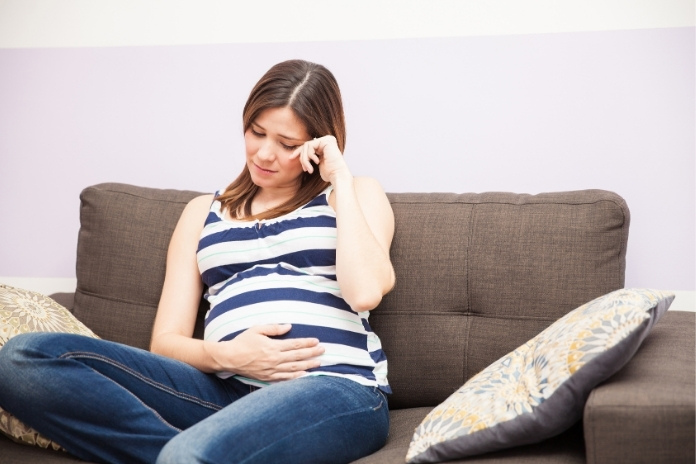
One of the most hormonally volatile times in a woman’s life is probably during pregnancy, a stage of life marked by hormonal changes. The increase in estrogen and also progesterone levels can impact the brain and disrupt the mother’s mood, emotions, and general mental health as the body goes through significant changes to support the developing fetus.
While some women may suffer from more serious illnesses, including prenatal depression and anxiety during pregnancy, many endure emotional ups and downs known as the “baby blues.” Make sure to talk to your healthcare professional if you are experiencing any kind of mental health issues while pregnant.
A person’s hormone levels will abruptly drop during the postpartum phase after giving birth. It can raise the risk of postpartum depression and anxiety when combined with the mental and physical strain of taking care of a newborn.
Compared to the “baby blues,” postpartum depression is far more severe and persistent, necessitating medical intervention. It’s crucial to keep in mind that while going through these changes as a mother can be challenging, you are not alone.
Supporting Hormonal and Overall Health During Pregnancy and Breastfeeding
A balanced diet supports reproductive hormones and energy levels.
- Consumption of calcium, iron, and protein
- Drink enough water
For postpartum recovery, these are crucial.
Emotional support reduces the hormonal changes caused by stress.
- Family assistance
- Counseling when required
Mild exercise enhances:
- Circulation
- Mood
- Balance of hormones
When to Talk to a Healthcare Provider

If your symptoms make it difficult to go about your everyday life, get treatment. Be mindful of:
- Extreme exhaustion
- Quick heartbeat
- Enduring anxiousness
Breastfeeding or postpartum symptoms can impact daily life. See a physician for:
- Extreme discomfort
- Disturbance of sleep
- Coping difficulties
Read More: What to Do After a Pregnancy Scare: Calm Steps, Support & Prevention
Conclusion
Understanding hormones during pregnancy helps explain the many physical and emotional changes that occur throughout this journey. Hormones are essential at every stage, from promoting fetal development to preparing the body for birth and recovery.
Postpartum hormone changes continue to affect mood, vitality, and general well-being after delivery, particularly when nursing.
Even while these changes are normal, they can occasionally feel overpowering. Managing this stage with confidence can be greatly impacted by understanding what is typical and when anything could require medical treatment.
References
- American Scientist. Six key pregnancy hormones.
- Andy Brunning. (February 28, 2019). Six key pregnancy hormones and their roles.
- Carhine Pierre-Lambert, MD. (June 2, 2023). 7 Surprising Ways Hormones Change Your Body During Pregnancy.
- Clearblue. Pregnancy hormones and mood swings: How to cope.
- Tampa Bay Midwifery. (February 2, 2025). Understanding & managing postpartum hormonal changes.
- Hackensack Meridian Health. (2023, March 2). What happens to your hormones after birth?
- Center for Women’s Health. How breastfeeding can impact your hormones.
- Essex County OB/GYN. Mental Health Awareness Month: The link between hormonal changes and mental health.
- Group Health Cooperative of South Central Wisconsin. (May 26, 2026). Maternal Health Month – How Hormonal Changes Affect Women’s Health.
In this Article