

















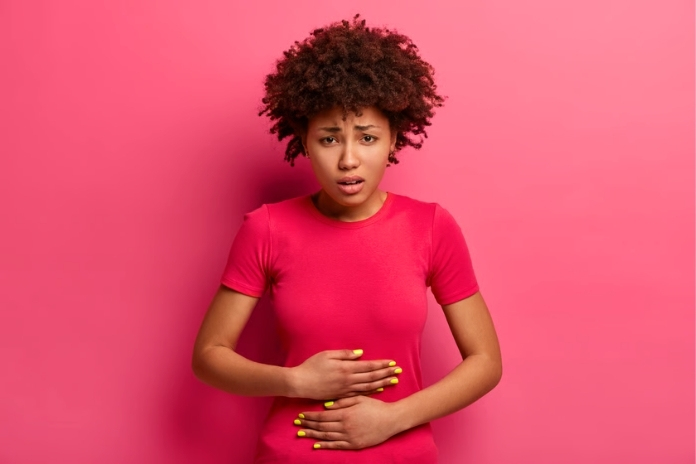
Calling in sick because of period pain? You’re not alone, and you don’t have to just push through it.
Menstrual cramps can range from a dull ache to pain that disrupts your entire day.
The right approach to period cramp relief, understanding how to relieve menstrual cramps, and choosing the best treatment for period pain can help you stay in control.
This guide ranks the most effective options, from simple home remedies to medical treatments, so you can find what actually works and get back to your routine faster.
- Period cramps are caused by prostaglandins that trigger strong uterine contractions and reduced blood flow, leading to pain.
- Start with simple methods like heat therapy, hydration, gentle exercise, and diet changes for mild relief.
- NSAIDs (like ibuprofen) are the most effective quick relief for moderate to severe cramps by reducing inflammation.
- Hormonal treatments and prescriptions are best for long-term or severe pain, especially if cramps disrupt daily life.
- See a doctor if pain worsens, is severe, or doesn’t respond to treatment, as it may indicate conditions like endometriosis or fibroids.
What Causes Period Cramps in the First Place
Menstrual cramps, medically called dysmenorrhea, result from natural processes within the uterus. Pain occurs due to a combination of hormonal activity, uterine muscle contractions, and individual health factors.
When the uterus sheds its lining during menstruation, it contracts involuntarily, leading to discomfort that can range from mild to severe.
The Role of Prostaglandins in Uterine Contractions
During the menstrual cycle, hormone changes, especially a drop in progesterone after ovulation, lead to an increase in certain prostaglandins, particularly PGF2α. This compound causes blood vessels in the uterus to narrow and triggers strong uterine contractions.
These changes help shed the uterine lining but can also reduce blood flow, contributing to the pain experienced during menstruation.
Research has shown that individuals with primary dysmenorrhea have higher levels of PGF2α and a greater imbalance between prostaglandins, which leads to stronger uterine contractions.
Primary vs. Secondary Dysmenorrhea
Menstrual cramps are classified into primary and secondary dysmenorrhea. Primary dysmenorrhea is common and not linked to any underlying condition. It usually begins soon after menstruation starts and can often be managed with lifestyle changes or medication.
In secondary dysmenorrhea, pain is driven by underlying conditions that directly affect the uterus and surrounding tissues. Endometriosis causes tissue similar to the uterine lining to grow outside the uterus, leading to ongoing inflammation, increased prostaglandin release, and irritation of nearby nerves.
Fibroids create pressure and distort the uterine structure, which can reduce blood flow and trigger pain due to tissue stress and ischemia. Pelvic inflammatory disease (PID) causes infection-related inflammation that sensitizes pelvic nerves and increases pain signals.
Identifying the difference is essential, as secondary causes often require medical treatment for effective period cramps relief.
Read More: Is It Just a Period? A Clinical Checklist for Secondary Dysmenorrhea and Endometriosis
Why Some People Experience More Severe Pain
Some people experience worse period pain due to a mix of biological and lifestyle factors. Heavy menstrual bleeding, younger age, family history, stress, smoking, lack of exercise, and poor diet can all increase prostaglandin activity or make the body more sensitive to pain.
Genetics and hormonal imbalances also play a role, affecting how strongly the uterus contracts and how pain is perceived.
Chronic stress elevates cortisol, which amplifies pain perception via sympathetic nervous system activation and boosts pro-inflammatory cytokines, worsening uterine cramps and dysmenorrhea severity.
Low physical activity and poor nutrition can further increase inflammation and worsen symptoms, making period pain more intense for some individuals.
Ranked: Period Cramp Relief Methods From Least to Most Effective
Addressing period cramps relief involves exploring an array of strategies, many of which can be employed simultaneously for better relief.
Below, we rank each method from least to most effective based on scientific evidence, clinical practice, and practicality. Remember that for some, a combination of strategies is often necessary to achieve optimal relief.
10. Hydration and Herbal Teas
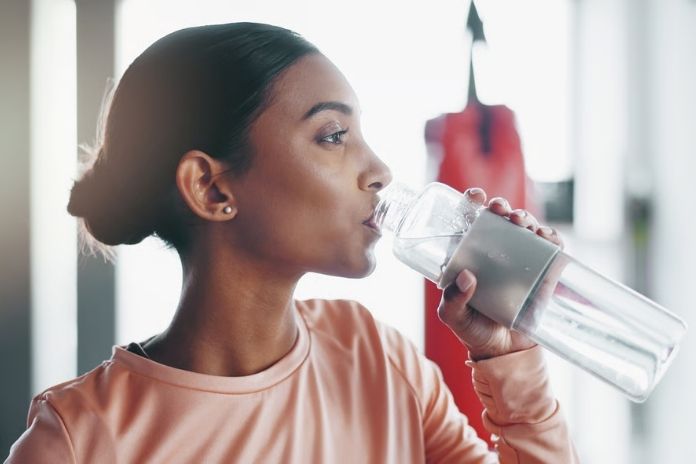
Hydration can alleviate some symptoms like bloating, fatigue, or cramping indirectly by maintaining optimal blood flow and supporting overall health. Adequate water intake flushes excess sodium, stabilizes hormones like AVP during the luteal phase, and lowers cramp intensity by preventing dehydration-exacerbated vasoconstriction.
A 2021 study found that higher fluid consumption correlated with less severe pain and shorter bleeding duration in adolescents with dysmenorrhea.
Herbal teas like chamomile, ginger, or peppermint may also provide soothing effects. Chamomile relaxes uterine muscles via apigenin (an antispasmodic), ginger inhibits prostaglandin synthesis like ibuprofen, and peppermint eases spasms and bloating.
Clinical trials show chamomile-ginger combinations reduce pain scores significantly over 2 cycles, comparable to mefenamic acid.
9. Dietary Adjustments
Adjusting the diet to manage menstrual pain is a promising but still developing field.
Caffeine can constrict blood vessels and disrupt sleep, which may worsen period cramps and increase irritability. Limiting caffeine intake can help improve hydration and reduce uterine spasms, easing discomfort.
Omega-3s (EPA/DHA from fish, flaxseeds, walnuts) shift prostaglandin profiles toward anti-inflammatory types, cutting dysmenorrhea pain by up to 50% and analgesic needs after 2-3 months of 300-1800 mg supplementation.
Excessive salt intake can lead to water retention, exacerbating bloating and discomfort.
Encouraging a diet rich in anti-inflammatory foods may reduce the severity and duration of cramps over time. Nonetheless, dietary modifications should be viewed as complementary strategies rather than primary treatments.
8. Magnesium and Other Supplements
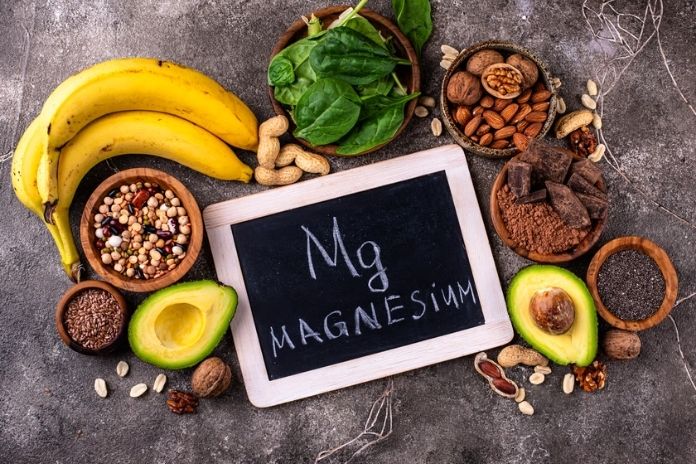
Magnesium has garnered attention for its potential role in reducing menstrual cramps due to its muscle-relaxing properties. It may inhibit prostaglandin synthesis and improve circulation, leading to less painful contractions.
A 2024 study demonstrates that magnesium supplementation (150-300 mg doses, often as stearate or citrate forms) significantly lowers pain scores, cramps, headaches, and associated symptoms by 30-50% versus placebo after 2 months, with higher doses showing superior results and no adverse effects.
Other supplements, such as vitamin E, vitamin B1 (thiamine), and herbal preparations like dong quai, are also explored, but evidence for their efficacy remains mixed.
7. Gentle Stretching and Yoga
Incorporating gentle stretching and yoga into menstrual discomfort management can significantly improve blood flow, ease muscle tension, and reduce mild to moderate cramps.
Certain restorative poses promote relaxation and can serve as a calming mental and physical exercise during menstruation. The key lies in selecting appropriate poses designed to target abdominal and pelvic muscles.
Poses like Child’s Pose, Cat-Cow, and Reclined Twist are especially effective at relieving abdominal tension.
Regular gentle stretching helps prevent cramps from worsening and maintains overall muscular flexibility, which is beneficial across cycles.
Dr. Geeta Iyengar stated: “From the day menstruation begins until the day it ends, one should stick to the practice of those asanas that do not obstruct the menstrual flow.”
6. Aerobic Exercise
Physical activity, especially aerobic exercises such as walking, swimming, or cycling, triggers the release of endorphins, natural painkillers that elevate mood and reduce pain perception.
Improved blood circulation to the pelvic region also helps alleviate menstrual cramps. For some women, engaging in moderate exercise during menstruation can significantly decrease the severity and duration of cramps.
Light to moderate activities, rather than intense workouts, are generally most beneficial and sustainable during menstruation.
However, individual responses vary; some women may find physical activity worsens their symptoms, particularly if fatigue or nausea dominates. It’s essential to listen to your body and modify activity levels accordingly.
5. Heat Therapy (Heating Pads or Warm Baths)
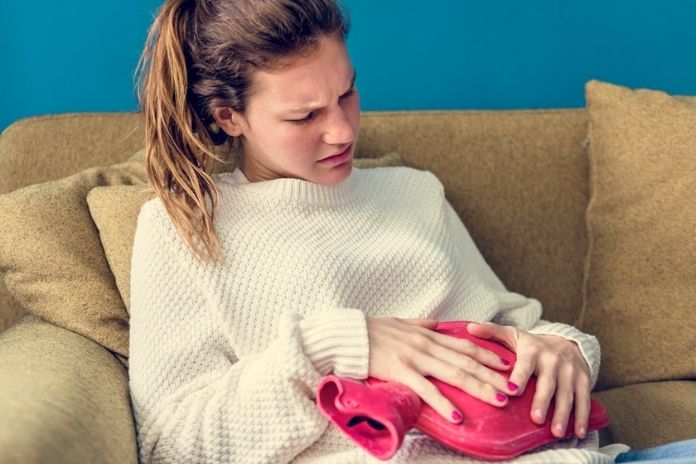
Heat therapy remains one of the most popular and accessible methods for period cramp relief. Applying heat to the lower abdomen or back relaxes uterine muscles, improves blood flow, and reduces pain.
Using heating pads or warm towels is simple, inexpensive, and non-invasive. For best results, apply heat early in the cycle when symptoms begin, and continue during the peak of cramps.
Warm baths are also soothing, providing relaxation for both muscular and emotional tension. Safety precautions include avoiding overly hot temperatures and limiting exposure to prevent burns, especially in sensitive skin areas.
4. TENS (Nerve Stimulation Devices)
Transcutaneous Electrical Nerve Stimulation (TENS) is a modality that uses low-voltage electrical impulses to interfere with pain signals before they reach the brain.
By targeting specific nerve pathways, TENS can effectively reduce menstrual pain for some women, especially those who do not tolerate medication or seek alternatives.
TENS devices are portable, easy to use, and typically operate with pads placed on the lower abdomen or back.
3. Over-the-Counter Anti-Inflammatory Medications
NSAIDs like ibuprofen and naproxen are regarded as the most effective over-the-counter remedies for period cramp relief. They work by inhibiting the production of prostaglandins, which are central to uterine contractions and pain. When used appropriately, NSAIDs significantly decrease the intensity and duration of menstrual cramps, often within an hour of ingestion.
Consistent use during the first few days of menstruation provides substantial relief for mild to severe cramps. Dosage instructions should be carefully followed to prevent gastrointestinal or other side effects, and long-term use should be monitored by a healthcare provider.
2. Hormonal Birth Control Methods
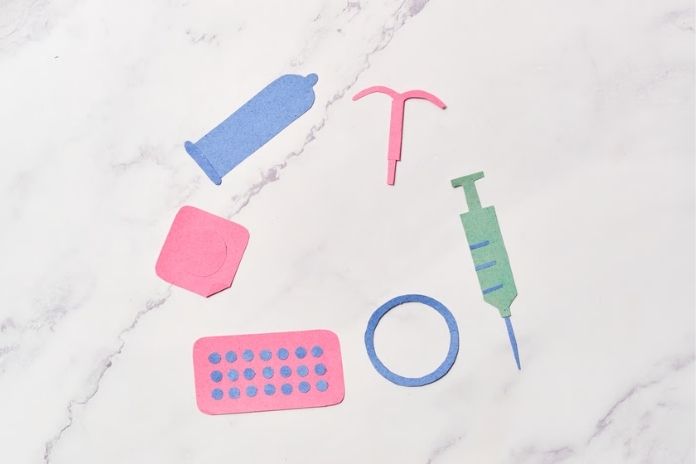
Hormonal contraceptives, including pills, patches, vaginal rings, injections, and intrauterine devices (IUDs), exert the most significant impact on reducing period cramps. By regulating hormonal fluctuations, they decrease prostaglandin production, lessen uterine contractions, and ultimately diminish menstrual pain.
The primary advantage lies in controlling menstrual symptoms long-term, often leading to lighter, less painful periods. Many women experience a reduction in cramp severity after beginning hormonal therapy, and some find they no longer require other pain management strategies.
1. Prescription Treatments for Severe Cramps
For women experiencing persistent, debilitating menstrual cramps unrelieved by over-the-counter options, prescription medications are often necessary.
These may include stronger anti-inflammatory drugs, hormonal suppressive therapies, or other targeted treatments based on the underlying cause. When pain interferes with daily activities and quality of life, this level of intervention becomes essential.
Read More: Can Heavy Periods Be a Sign of Something Serious?
When Natural Remedies May Not Be Enough
Signs of Secondary Causes Like Endometriosis
While natural remedies can ease mild menstrual discomfort, they may not be effective when an underlying condition is present. Conditions such as endometriosis can cause more intense and persistent pain.
Symptoms like severe cramps, pain during intercourse, or irregular bleeding may indicate a secondary cause that requires medical evaluation.
When Pain Interferes With Daily Activities
Menstrual pain that disrupts daily routines, affects work or school, or requires frequent medication should not be ignored. If cramps worsen over time or are accompanied by heavy bleeding, it is important to seek professional care to rule out underlying conditions and receive appropriate treatment.
Read More: Best Diet for Menopause: Foods That Help and Foods to Limit
Combining Methods for Better Relief
Heat + Medication for Faster Pain Relief
Using heat therapy alongside medication can provide stronger and quicker relief than either method alone. Heating pads help improve blood flow and enhance the effect of pain relievers like NSAIDs, leading to a significant reduction in cramp intensity.
Applying heat at the onset of pain, along with appropriate medication, works synergistically to ease discomfort more effectively.
Exercise + Lifestyle Changes for Long-Term Relief
Combining regular low-impact exercise with healthy lifestyle habits offers better long-term control of menstrual cramps.
Activities like yoga or walking, along with an anti-inflammatory diet, proper hydration, and stress management, help reduce both the severity and duration of symptoms. This combined approach supports hormonal balance and reduces inflammation over time.
Preventive vs On-Demand Approaches
Preventive strategies, such as regular exercise, nutritional support, and hormonal methods, focus on addressing the root causes of menstrual pain and provide sustained relief over time.
In contrast, on-demand approaches like NSAIDs and heat therapy offer quick relief during acute episodes but may not be as effective for long-term management. Combining both strategies often provides the most comprehensive relief.
Quick Comparison: Which Method Works Best for Different Pain Levels
Manage Comfort
Menstrual Cramp Management
| Pain Level | Recommended Methods | How It Helps |
|---|---|---|
| Mild Cramps | Heat therapy, gentle yoga, hydration, light diet changes | Relaxes muscles, improves circulation, and reduces mild discomfort naturally |
| Moderate Cramps | Heat + NSAIDs, regular exercise, anti-inflammatory diet | Combines pain relief with reduced inflammation for better symptom control |
| Severe Cramps | NSAIDs + heat, medical evaluation, hormonal therapy if needed | Provides stronger pain relief and addresses underlying causes for long-term management |
When to Seek Medical Advice
Certain symptoms should not be ignored, as they may indicate an underlying condition that requires professional evaluation.
- Sudden Severe Pain – Intense pain that starts abruptly may signal a condition beyond typical menstrual cramps
- Cramps That Worsen Over Time – Increasing severity with each cycle could indicate an underlying issue
- Heavy Bleeding With Pain – Excessive bleeding along with cramps may require medical assessment
- Pain Not Responding to OTC Medications – Lack of relief despite over-the-counter treatment suggests the need for further evaluation
Track Your Symptoms for Better Diagnosis
Keeping a record of menstrual symptoms, including pain intensity, duration, and associated changes, can help healthcare providers identify patterns and make an accurate diagnosis.
Combining symptom tracking with lifestyle measures such as heat therapy, balanced nutrition, and gentle exercise alongside medical treatment often leads to more effective and long-term relief.
Key Takeaway
Period cramps relief is most effective when approached step by step, starting with lifestyle changes and progressing to medications or hormonal options when needed. Understanding how to relieve menstrual cramps using the right combination of methods can lead to more consistent and safe pain management. Choosing the best treatment for period pain often involves combining strategies based on symptom severity and individual needs.
References
- Marjoribanks J, Yeung LL, Vercoe M, et al. Nonsteroidal anti-inflammatory drugs for dysmenorrhoea. Cochrane Database Syst Rev. 2015;(7):CD001751. doi:10.1002/14651858.CD001751.pub3.
- Snipe RMJ, Brelis B, Kappas C, et al. Omega-3 long chain polyunsaturated fatty acids as a potential treatment for reducing dysmenorrhoea pain: systematic literature review and meta-analysis. Nutr Diet. 2024;81(1):94-106. doi:10.1111/1747-0080.12835.
- Asgarpanah M, et al. The Effect of Chamomile on Pain and Menstrual Bleeding in Primary Dysmenorrhea: A Randomized Clinical Trial. J Pharmacopuncture. 2021;24(2):86-94. doi:10.3831/KPI.2021.24.2.86.
- Hidayati N, et al. Correlation between Fluid Intake with Menstrual Pain Intensity in Adolescent Female Students. Jurnal Ilmiah Kesehatan Keperawatan. 2021;7(1):1-7.
- Saeed A, et al. Impact of Pelvic Pain on Perceived Stress and Quality of Life in Endometriosis Patients. J Pain Res. 2024;17:1873-1882. doi:10.2147/JPR.S456789.
- Treloar SA, et al. Primary dysmenorrhoea in adolescents and young women: A twin family study of maternal transmission, genetic influence and associations. Aust N Z J Obstet Gynaecol. 2022;62(5):716-723. doi:10.1111/ajo.13592.
- Alshahrani MS, et al. Influence of lifestyle factors with the outcome of menstrual disturbances among university students. PLoS One. 2023;18(7):e0289265. doi:10.1371/journal.pone.0289265.
- Itani R, et al. Primary Dysmenorrhea: Pathophysiology, Diagnosis, and Treatment Updates. Korean J Fam Med. 2022;43(2):101-108. doi:10.4082/kjfm.21.0103.
- Willies G, Doggett NS, Vane JR. Effects of the prostaglandins on the uterus. Prostaglandins. 1973;3(1):69-79. doi:10.1016/0090-6980(73)90072-0.
- Akhwasi A, Tayebi P, Ghaderi F, Haghighizadeh MH. Heat therapy for primary dysmenorrhea: A systematic review and meta-analysis. Complement Ther Clin Pract. 2018;33:78-83. doi:10.1016/j.ctcp.2018.09.001.
In this Article