




















- Mild cramps are normal, but worsening or persistent pain isn’t
- Early, long-lasting pain or heavy bleeding may signal underlying conditions.
- Track symptoms and seek medical advice if pain disrupts daily life.
Many women have menstrual pain, but not all of it is “normal.” Mild cramping is normal, but pain that doesn’t go away, gets worse, or gets in the way of daily activities could mean something is wrong with your health. People often ignore or dismiss symptoms of secondary dysmenorrhea and endometriosis symptoms checklist, which can lead to a delayed diagnosis and longer suffering.
This article will explain the distinction between normal and worrisome pain, dissect the causes of painful periods, and offer a clear clinical checklist to help you identify warning symptoms. You’ll also learn how to tell if period pain is normal and understand the difference between primary and secondary dysmenorrhea.
Read More: Bleeding Between Periods: Common Causes, What’s Normal, and When to See a Doctor
What Is Normal Period Pain vs. Concerning Pain?
Typical Features of Primary Dysmenorrhea
Dysmenorrhea is the term for menstrual pain. For one or two days every month, more than half of women who menstruate have some degree of pain. The pain is usually not very bad. However, for other women, the pain is so bad that it prevents them from engaging in their regular activities for a few days each month.
Signs Your Pain May Not Be Typical
Primary dysmenorrhea refers to severe menstrual cramps caused by an underlying medical problem. Hormonal changes are typically associated with it. Typical characteristics consist of:
- Nausea
- Vomiting
- Headaches and diarrhea
- Cramping in the muscles
- Exhaustion and low back ache
- Sleep disturbance in more serious situations
Why Pain Intensity Alone Isn’t the Only Red Flag
Keep an eye out for patterns that differ from the above if you’re wondering how to determine whether period discomfort is typical:
- Pain that, rather than getting better with time, gets worse.
- Symptoms that start earlier in the cycle.
- Pain that is not relieved by medicine.
- Related symptoms, such as exhaustion, nausea, or severe bleeding.
Understanding Secondary Dysmenorrhea
The symptoms of secondary dysmenorrhea, in contrast to primary dysmenorrhea, are caused by underlying medical disorders that impact the reproductive organs.
What Makes It Different From Primary Dysmenorrhea
The key difference between primary and secondary dysmenorrhea lies in cause and progression.
- Primary: Hormone-related, no structural problem
- Secondary: Resulting from recognizable circumstances
Secondary dysmenorrhea pain:
- Frequently starts earlier in the cycle
- Endures longer
- It may get worse over time
Common Underlying Causes
There is normal period pain, and there is period pain that is not normal. A cramping feeling in the lower abdomen or pelvis, which can sometimes spread to the lower back, is a common sign of normal period pain. Abnormal period pain is not only worse and lasts longer, but it also often comes with symptoms like heavy bleeding and nausea.
There are a few things that can cause period pain that isn’t normal:
- Adenomyosis occurs when tissue that normally lines the uterus grows into the muscle wall. It makes the uterus grow to two or three times its normal size.
- Endometriosis is when tissue that is like the lining of the uterus grows in other places in the body, like the fallopian tubes or ovaries.
- Fibroids are noncancerous growths that can develop in the uterus and vary in size and number.
- Pelvic inflammatory disease (PID) is a bacterial infection that starts in the uterus and can spread to other reproductive organs. It can cause pain in the stomach and during sex.
- If an ovarian cyst ruptures, it may cause sporadic or excruciating discomfort.
Who is More Likely to Experience It
You may be at higher risk if you:
- They are more than 25 years old and have recently been in excruciating agony.
- Possess a family history of endometriosis symptoms during menstruation.
- Experience irregular or atypical menstrual cycles.
Read More: Can You Ovulate Without Having Periods? Here’s What to Know
Endometriosis Explained: A Common but Often Missed Cause
What Endometriosis Is and How It Develops
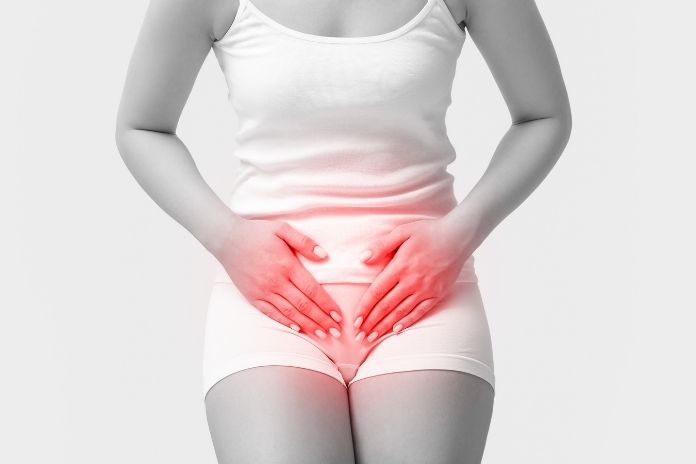
When cells from the uterine lining spread to other parts of your body, it’s known as endometriosis. Pain, severe vaginal bleeding, intermenstrual bleeding, and difficulties becoming pregnant (infertility) might result from this.
It helps with:
- Persistent inflammation
- Prostaglandin disruption and hormonal imbalance
- Chronic pelvic pain that never goes away
Why is it Frequently Underdiagnosed
According to research, around 11% of American women have the illness, although that figure is probably inaccurate.
According to Megan Billow, DO, who specializes in obstetrics and gynaecology with the Cleveland Clinic, “It is a condition that affects women of all ages. Most commonly we do diagnose it during the reproductive age time.” She adds, “However, any time a period is really causing significant pain, patients should be aware that pain with periods that are affecting or impacting their quality of life is not normal.”
Although millions experience it, doctors frequently delay the diagnosis because of:
- Normalization of symptoms
- Lack of awareness
- Overlap with other conditions causing pelvic pain
How Symptoms Can Vary From Person to Person
Not everyone has the same symptoms. While some might have terrible pain, others might suffer stomach problems or infertility. The primary sign of endometriosis is pain.
You might have:
- A week or two before your menstruation, cramps or lower abdominal pain may start. Cramps can be subtle, severe, or persistent.
- Discomfort during sexual activity.
- Urinating hurts.
- Discomfort with bowel motions.
- Persistent low back or pelvic discomfort that can start at any time and linger for at least six months.
Additional endometriosis symptoms include:
- Hemorrhage between periods or heavy menstrual bleeding.
- Infertility is the inability to get or remain pregnant.
Clinical Checklist: Could Your Period Pain Be a Warning Sign?
These are some indicators that your period discomfort may not be typical:
- Severe pain that interferes with day-to-day activities
- Pelvic pain at random
- Cramps that persist for more than 2-3 days
- Painkillers Don’t Work
- Heavy bleeding period lasting more than seven days
- Nausea, bowel issues, or urinary issues accompany periods
- Spotting or unusual discharge between periods
When to See a Doctor for Period Pain?
Talk to your doctor about your options if your period cramps are severe, such as beginning a birth control method to alleviate the cramps and checking for any underlying issues.
Additionally, report any of the following to your physician:
- Severe cramps during each menstrual cycle
- Discomfort in between periods
- Heavy periods accompanied by severe cramping
- Cramps that result in nausea-like symptoms
- Missing school or work because of menstrual pains
Read More: Why Am I Getting Two Periods in a Month? Possible Causes and What to Do About It
How Doctors Evaluate Severe Menstrual Pain
A proper gynecological evaluation is key to identifying secondary dysmenorrhea symptoms. In addition to reviewing your medical history, your healthcare provider will examine you physically, particularly your pelvis.
During the pelvic pain disorders exam, your doctor looks for signs of infection and any abnormalities of the reproductive organs. Additionally, your doctor might suggest certain testing, such as:
Ultrasound: Ultrasound uses sound waves to create images of your ovaries, fallopian tubes, cervix, and uterus.
Other Imaging Tests: Your doctor may order additional tests, like a CT scan or MRI. These tests show more detail than an ultrasound and help your doctor see what’s going on inside. A CT scan uses X-rays from different angles to build cross-sectional images of your bones, organs, and other tissues.
MRI works a bit differently; it uses radio waves and a strong magnetic field to capture detailed images of your body. Both tests are painless and don’t require surgery or any invasive procedures.
Laparoscopy: Laparoscopy isn’t usually needed to figure out what’s causing menstrual cramps, but it can help find an underlying problem like endometriosis, adhesions, fibroids, ovarian cysts, or an ectopic pregnancy.
During this outpatient surgery, your doctor makes small cuts in your abdomen and puts in a fiber-optic tube with a small camera lens. It lets them see inside your abdomen and reproductive organs.
Important Note: Diagnosis is difficult because symptoms often overlap with those of other illnesses. But it’s important to keep getting care.
Treatment Options for Secondary Dysmenorrhea and Endometriosis
Treatment for Secondary Dysmenorrhea
The goals of dysmenorrhea treatments are to improve everyday functioning and quality of life while also offering sufficient pain relief.
Non-Pharmacological Therapies: Options for non-pharmacological treatment could be:
- Thermal treatment
- Workout at a moderate intensity
- A diet high in minerals and vitamins
- TENS stands for transcutaneous electrical nerve stimulation
- Behavioral therapy
Pharmacological Interventions: Options for pharmacological treatment could consist of:
NSAIDs: Nonsteroidal anti-inflammatory drugs are the primary line of treatment for dysmenorrhea. They help ease menstrual cramps by lowering prostaglandin levels.
Acetaminophen: Those who are unable to use NSAIDs may benefit from this painkiller.
Combined Hormonal Contraception: Progestin and estrogen-containing contraceptive tablets, patches, or vaginal rings may help lower prostaglandin levels and alleviate dysmenorrhea. Additionally, they may be a useful treatment for endometriosis.
Progestin-Only Contraception: People with endometriosis-related secondary dysmenorrhea may benefit most from contraceptive methods that solely contain the hormone progestin. This hormone prevents ovulation and causes the endometrial lining to deteriorate.
Aromatase Inhibitors: By preventing periods, these drugs treat secondary dysmenorrhea. They may, however, have adverse effects.
Supplemental Magnesium: Magnesium may help relieve dysmenorrhea by increasing circulation and relaxing muscles. As an additional treatment, doctors could suggest taking magnesium supplements.
Surgical Procedures: Doctors perform surgery only when a patient’s condition is serious, negatively impacts their quality of life, and does not respond to alternative therapies.
Options for surgical treatment could be:
- Laparoscopy, which includes removing any adhesions or endometrial scarring.
- Doctors perform endometrial ablation by removing the endometrium.
- Doctors perform a hysterectomy by removing all or part of the reproductive organs.
Hysterectomy and endometrial ablation are only appropriate for people who do not intend to become pregnant.
Treatment for Endometriosis
Medication can control endometriosis symptoms. Ibuprofen and other over-the-counter nonsteroidal anti-inflammatory medicines (NSAIDs) can aid with pain. Another alternative is hormonal therapy. Both pain relief and menstrual cycle suppression are possible with them.
Among the hormonal treatments for endometriosis are:
Birth Control: Progestin-only or combination therapy (estrogen and progestin) are two forms of hormonal birth control. These can be oral birth control tablets, patches, vaginal rings, birth control shots, implants, or IUDs—people who receive this treatment frequently experience lighter, less painful periods.
Antagonists or Agonists of Gonadotropin-Releasing Hormone (GnRH): The hormones that trigger your menstrual cycle are stopped by this medicine. In essence, this relieves your pain by putting your reproductive system on hold. Orilissa® is an oral GnRH antagonist. You inject Lupron®, a GnRH agonist, into your skin.
Danazol (Danocrine®): Another hormonal treatment that prevents the hormones that trigger menstruation from being produced. You may experience sporadic or nonexistent menstruation while taking this medicine for endometriosis symptoms.
Surgery for Endometriosis: In some cases, your provider may recommend surgery to treat endometriosis. Any surgical procedure carries some risk. However, endometriosis surgery can effectively reduce pain and, in certain situations, increase fertility. Surgery aims to eliminate endometriosis tissue.
Doctors treat endometriosis surgically using the following options:
- Laparoscopic Surgery: During this surgery, your surgeon will create a tiny incision in your belly and insert a laparoscope, a thin instrument that resembles a tube, into your body. Using a high-definition camera, the laparoscope can see within your body and detect endometriosis. To remove the troublesome tissue, your surgeon may use more surgical tools.
- Hysterectomy: Your surgeon might advise removing your uterus or ovaries in extreme circumstances.
Read More: Can Heavy Periods Be a Sign of Something Serious?
Living With Chronic Period Pain: Practical Coping Strategies
A combination of medication and lifestyle strategies is needed to manage chronic pelvic pain.
Managing Pain During Daily Routines
Schedule your activities around your cycle and give rest priority when it’s painful.
Heat Therapy, Exercise, and Stress Reduction
- Cramps can be relieved using heating pads.
- Gentle yoga improves circulation.
- Stress-reduction strategies support hormonal equilibrium.
Building a Support System and Seeking Specialist Care
Making connections with support groups and medical professionals can enhance treatment results and mental wellness.
Read More: 26 Things You Should Avoid During Periods – Experts’ Advice!
Conclusion
Better health starts with really knowing your own body. If you feel pain that sticks around or gets worse, don’t brush it off, even if you’re used to mild cramps during your cycle. Catching signs of secondary dysmenorrhea symptoms early can reveal an underlying problem that might otherwise go unnoticed for years.
Using something like an endometriosis symptoms checklist also helps you spot patterns and tells you when to see a doctor. You shouldn’t just accept pain that interrupts your daily life. Pay attention, keep track of how you’re feeling, and reach out to your doctor when things feel off. It makes a real difference.
References
- American College of Obstetricians and Gynecologists. (2022, January). Dysmenorrhea: Painful periods.
- Coco, A. S. (1999, August 1). Primary dysmenorrhea.
- McKenna, K. A., & Fogleman, C. D. (2021, August). Dysmenorrhea.
- A.D.A.M. Medical Encyclopedia. Painful menstrual periods.
- World Health Organization. (2025, October 15). Endometriosis.
- Cleveland Clinic. (2024, March 5). Why endometriosis is underdiagnosed in women.
- UnityPoint Health. 7 Reasons Your Period Cramps are Truly Terrible.
- National Health Service (NHS). (2023). Period pain.
- Mayo Clinic Staff. (2022, April 30). Menstrual cramps: Diagnosis and treatment.
In this Article