

















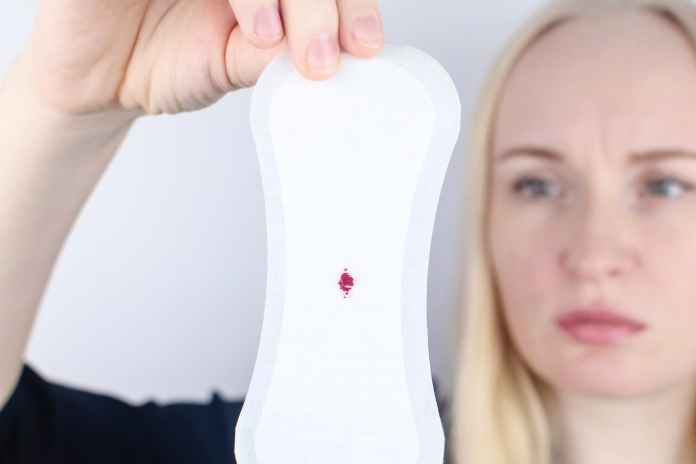
Have you ever experienced bleeding in the middle of two menstrual cycles? It is when you notice spotting or bleeding in between two consecutive menstrual cycles. If yes, this article is for you. And if you haven’t, the following information will give you insights into why this happens.
Medically, it is referred to as intermenstrual bleeding and includes any kind of vaginal bleeding or spotting that takes place between periods outside a person’s normal menstrual cycle. This can involve light pink spotting, brown discharge, or light bleeding between periods that shows up days or weeks before the next expected period.
Menstrual cycles are controlled by a delicately balanced interplay between the brain (hypothalamus and pituitary), ovaries, uterus, and hormones, especially estrogen and progesterone. When this mechanism is disturbed, even slightly, the lining of the uterus can slough off at unexpected times, leading to bleeding.
Intermenstrual bleeding is a common phenomenon and usually harmless when it is related to ovulation or short-term hormonal changes. However, frequent, heavy, painful, or persistent bleeding falls into the category of abnormal uterine bleeding, which requires medical attention. Some causes are functional and reversible. while others might involve infections, endocrine disorders, or structural changes in the uterus.
This article helps us understand the causes of bleeding between periods, how to differentiate between normal and concerning, what doctors assess, the treatments available, and when to seek urgent care.
Read More: Why Am I Getting Two Periods in a Month? Possible Causes and What to Do About Them.
What Spotting Between Periods Looks Like
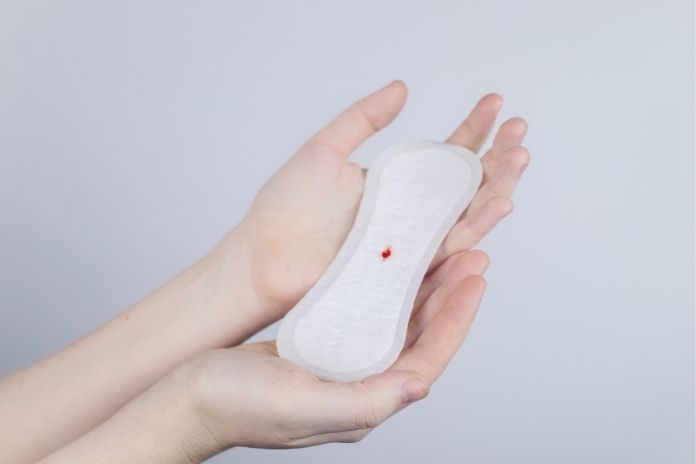
Spotting between the periods does not appear the same in all women. The color, amount, timing, and symptoms usually provide an important clue to the underlying cause.
Common ways in which bleeding between periods shows are:
- Light pink discharge, which is diluted blood mixed with cervical mucus.
- Bright red blood can be fresh bleeding.
- Brown spotting is caused by slower-moving menstrual blood that gets darker due to oxidation.
The amount of bleeding may range from:
- A few drops that you notice only when wiping.
- Light staining of underwear.
- Bleeding is too light to soak a pad or tampon.
Timing patterns include:
- Midcycle bleeding.
- Spotting after the period ends.
- Bleeding after sexual intercourse.
- Random spotting without a predictable cycle pattern.
This may be associated with minimal symptoms, such as mild cramps, pelvic pressure, bloating, tenderness of the breasts, or changes in vaginal discharge. Bleeding that is similar to a regular menstrual flow in duration or amount is not typical spotting and should be investigated.
Common causes of bleeding between periods

1. Ovulation Spotting – Mid-Cycle Bleeding
Most cycle lengths cause ovulation spotting to take place from days 10-14 of the menstrual cycle. Ovulation spotting happens around the middle of your cycle, but it depends on the hormonal shifts during ovulation, which typically occur about 14 days before your next period.
Why does it happen:
- A brief drop in estrogen just before ovulation can destabilize the lining of the uterus.
- The rupture of the ovarian follicle may release a small amount of blood.
How it usually presents:
- Light pink or brown spotting.
- Lasts 1-2 days.
- Occurs regularly on the same day of the cycle.
- Usually painless or with mild one-sided pelvic discomfort.
Ovulation spotting is normal when it is infrequent, light, and predictable.
2. Hormonal Imbalances
One of the common causes of bleeding between periods is hormonal imbalance spotting. Estrogen builds the uterine lining, while progesterone stabilizes it. In cases of erratic or missing ovulation, progesterone levels may be too low. Furthermore, this lining sheds unpredictably.
“Hormonal imbalances are a frequent cause of intermenstrual bleeding. Fluctuations in estrogen and progesterone levels can disrupt the regular menstrual cycle, leading to unexpected bleeding. The endometrium or lining inside the uterus sheds because of fluctuations in estrogen and progesterone,” says gynaecologist and obstetrician Dr. Madhu Juneja.
Common conditions associated with hormonal imbalance include:
- Adolescence is a period during which ovulation is still irregular.
- Postpartum hormonal changes.
- Perimenopause.
- chronic stress and disrupted sleep.
This frequently leads to an irregular cycle, delayed period, or repetitive spotting between periods.
3. Birth Control–Related Bleeding (Breakthrough Bleeding)
Breakthrough bleeding is defined as bleeding with the use of hormonal contraception.
Most commonly seen when:
- Starting a new birth control pill.
- Skipping pills or taking them irregularly.
- Using hormonal IUDs, implants, or the Depo shot.
Hormonal contraceptives thin the lining of the uterus. During the adjustment phase, the fragile blood vessels are prone to bleeding. In most instances, breakthrough bleeding improves in 3-6 months. Persistent bleeding may need a formulation or method change.
Read More: 7 Common Mistakes to Avoid When Using Birth Control Pills
4. Pregnancy Implantation Bleeding
Implantation bleeding can occur 6-12 days after conception, at which time a fertilized egg attaches to the uterine lining.
Key symptoms include:
- Very light spotting or streaking.
- Short duration.
- No heavy flow or clots.
- Often mistaken for an early period.
Not every pregnancy has implantation bleeding. Any form of bleeding with possible pregnancy needs to be investigated for ectopic pregnancy or early complications.

5. Stress, Intense Exercise, or Sudden Weight Changes
Stress influences the hypothalamus, the part of the brain that controls reproductive hormones.
Some possible stress-related effects:
- Delayed or suppressed ovulation.
- Mid-cycle bleeding.
- Irregular or missed periods.
Some of these factors are common causes of irregular periods, especially among athletes, people who have eating disorders, or those going through emotional or physical stress.
6. Thyroid Disorders (Hyperthyroidism or Hypothyroidism)
Thyroid hormones are essential in regulating menstruation and ovulation.
Bleeding related to the thyroid may be accompanied by:
- Spotting between periods.
- Fatigue or restlessness.
- Thinning of hair or hair loss.
- Unexplained weight gain or loss.
- Sensitivity to heat or cold.
Both an underactive and an overactive thyroid can cause abnormal uterine bleeding and also contribute to an irregular cycle.
7. Vaginal dryness or Cervical Irritation
Bleeding after sex, or post-coital bleeding, most commonly comes from the cervix or vagina, less directly from the uterus.
Common causes are:
- Vaginal dryness caused by low estrogen.
- Inflammation of the cervix.
- Minor tissue trauma during intercourse.
- Local infections.
This is common during breastfeeding, perimenopause, and menopause, which can make vaginal tissue thinner and more fragile.
8. Polycystic Ovary Syndrome (PCOS)
PCOS disrupts normal ovulation. As a result, there is prolonged exposure to estrogen without the balancing effects of progesterone.
Typical symptoms include:
- Irregular or absent menstruation.
- Unpredictable spotting.
- Acne, excess facial or body hair.
- Weight gain or insulin resistance.
The irregular buildup and shedding of the uterus lining causes spotting.
9. Uterine Fibroids or Polyps
Fibroids and polyps are types of non-cancerous growths that change the shape of the uterus.
Symptoms can include:
- Light bleeding between periods.
- Heavy or extended menstrual flow.
- Pelvic pressure or fullness.
- Bloating or urinary frequency.
Even small growths may interfere with normal uterine blood vessels and cause irregular bleeding.
10. Infections-STIs, Cervicitis, Pelvic Inflammatory Disease
Inflammation due to infections can result in the reproductive tissues bleeding, more commonly pelvic inflammatory disease or endometriosis.
Possible symptoms are:
- Foul-smelling or unusual discharge
- Pelvic pain or fever
- Pain during intercourse
- Bleeding after sex
Prompt diagnosis and treatment are important to prevent complications such as infertility.
11. Perimenopause
Perimenopause usually starts after the age of 40 and includes hormonal changes with fluctuating levels of estrogen and progesterone.
Bleeding changes may include:
- Shortened or lengthened cycles.
- Spotting after period.
- Bleeding mid-cycle.
- Skipped periods.
Although common, bleeding patterns must still be watched for abnormalities.
Read More: Endometriosis vs. PCOS: What’s the Difference?
Less Common but Important Causes
Here are a few less common but important causes of bleeding between periods:
1. Endometriosis or Adenomyosis
These conditions involve the growth of uterine tissue outside the uterus or in the uterine muscle.
Common features include:
- Unpredictable bleeding
- Severe pelvic pain
- Heavy or painful periods
- Pain during intercourse
2. Endometrial Hyperplasia
Endometrial hyperplasia is a condition in which the uterine lining thickens because of excess exposure to estrogen over a long period of time.
Risk factors include:
- Obesity
- PCOS
- Chronic anovulation
It often manifests as abnormal uterine bleeding and warrants evaluation.
3. Cancer – Cervical, Uterine, & Endometrial — Rare but Serious
Although rare, cancer needs to be ruled out if bleeding is persistent or unexplained.
Red flags include:
- Bleeding following menopause.
- Persistent intermenstrual bleeding.
- Bleeding following sex.
How to Tell if Spotting Between Periods Is Normal or Not
You must understand the difference between what is normal and when to seek medical help in case of spotting between periods.
More likely normal when:
- Happens only around ovulation.
- Very light and lasts 1-2 days.
- Coincides with starting new birth control.
- Happens occasionally.
Warning signs:
- Heavy bleeding between cycles.
- Regular post-coital bleeding.
- Bleeding after menopause.
- Pelvic pain, fever, or foul discharge.
- Happens regularly, month after month.
What Doctors Check When You Report Inter menstrual Bleeding
You must visit a doctor in case you experience the above warning signs. The medical evaluation may include:
- Thorough menstrual and symptom history
- Pelvic exam
- Pregnancy test
- PAP smear
- STI testing
- Ultrasound for the detection of fibroids and polyps
- Hormone panel that includes thyroid, progesterone, and prolactin.
- Biopsy of the endometrium in selected cases.
Treatment for Bleeding Between Periods
Treatment depends upon the underlying cause. These may include:
1. Hormonal Regulation:
- Birth control adjustments
- Treating thyroid disorders
- Progesterone therapy when indicated
2. Infection Treatment:
- Antibiotics for bacterial infections.
- Antivirals or antifungals, if necessary.
3. Management of Fibroid or Polyp:
- Medications to reduce bleeding.
- Minimally invasive surgery when symptoms persist.
4. Lifestyle Changes:
- Manage stress.
- Focus on consistent sleep.
- Opt for nutritional balance and weight stability.
When to Seek Immediate Medical Attention (Red Flags)
Seek immediate medical attention if you have:
- Persistent bleeding following sex.
- Bleeding after menopause.
- Bleeding with fever or extreme pain.
- Bleeding that lasts beyond 7-10 days.
- Positive pregnancy test associated with bleeding.
- Passing large clots.
- Dizziness or fainting.
Conclusion: Spotting Between Periods Is Normal, but watch for Patterns
Most bleeding between periods is harmless and related to temporary hormonal changes. However, persistent, heavy, or strange bleeding can never be disregarded. Occasional spotting might happen due to stress, ovulation, or short-term hormonal shifts. However, the bleeding that recurs, worsens, or comes with pain needs to be addressed.
Understanding your cycle, knowing what patterns are abnormal, and getting timely evaluation can prevent complications and reassure you. If it feels wrong, it is always safer to get checked earlier.
References
- Yale Medicine. (n.d.). Endometrial hyperplasia. Yale School of Medicine.
- Wise, M. R., Jordan, V., Lagas, A., Showell, M., Wong, N., Lensen, S., & Farquhar, C. M. (2016). Obesity and endometrial hyperplasia and cancer in premenopausal women: A systematic review. American Journal of Obstetrics and Gynecology, 214(6), 689.e1–689.e17.
- Mayo Clinic. (n.d.). Pelvic inflammatory disease (PID). Mayo Foundation for Medical Education and Research.
- Rainey, K. J., & Shah, M. (2023). Abnormal uterine bleeding. In StatPearls. StatPearls Publishing.
- Office on Women’s Health. (n.d.). Thyroid disease. U.S. Department of Health & Human Services.
- Ziva Fertility. (n.d.). Understanding implantation bleeding.
- MedlinePlus. (n.d.). Vaginal bleeding between periods. U.S. National Library of Medicine.
- Progenesis IVF. (n.d.). Spotting during ovulation: Is it a good sign?
In this Article