


















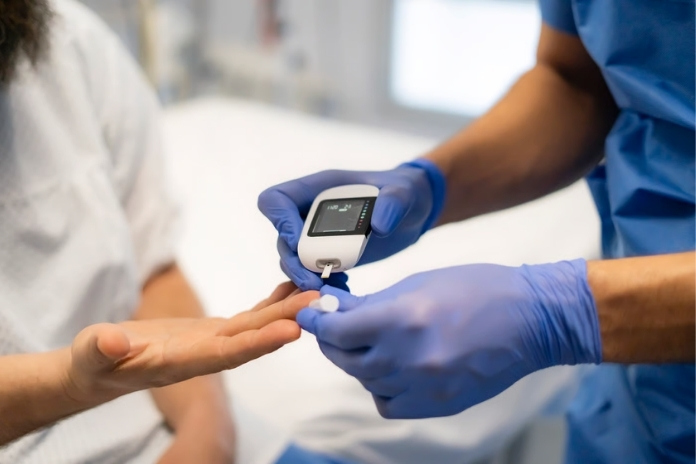
For many people with type 2 diabetes, insulin therapy has traditionally meant taking injections every day. While daily basal insulin can be effective for blood sugar control, maintaining a daily injection schedule can be challenging for some patients.
A newer option is changing that approach. Awiqli (insulin icodec) is the first FDA-approved once-weekly basal insulin for adults with type 2 diabetes. Instead of taking a daily basal insulin injection, patients can receive a weekly injection while maintaining glucose-lowering effects throughout the week.
In this article, we will discuss Awiqli, what the difference is between Awiqli and insulin, whether it is approved, and how it works in the body. We will also explore its potential benefits and possible downsides.
- Awiqli is the first once-weekly insulin for adults with type 2 diabetes.
- It can control blood sugar with just one injection per week.
- Regular monitoring and personalized care are still important.
Read More: The True Cost of Diabetes in America: Insulin Prices, Insurance, and What’s Changing
What Is Awiqli (Insulin Icodec)?

How Once-Weekly Basal Insulin Works
Awiqli is a long-acting basal insulin designed to provide steady insulin activity over seven days. Basal insulin helps control blood sugar levels between meals and overnight by providing a constant background supply of insulin.
This is different from mealtime, or bolus, insulin, which is taken around meals to manage blood sugar spikes that occur after eating. Unlike traditional basal insulin products that require daily injections, Awiqli is formulated to release insulin gradually throughout the week.
What Makes Awiqli Different From Traditional Daily Insulin
A clear difference is the dosing schedule. Most long-acting basal insulins require daily administration, while Awiqli is given only once per week. Reducing injections from seven per week to one may help lessen the burden of diabetes treatment.
For some individuals, fewer injections may improve convenience and make it easier to stay consistent with prescribed therapy. Researchers and healthcare providers are particularly interested in whether a weekly schedule could improve long-term effects.
Who Awiqli Is Currently Approved For
Awiqli is approved by the FDA for adults with type 2 diabetes, along with diet and exercise to improve blood sugar control. It may be used alongside other diabetes medications, depending on an individual’s treatment plan and healthcare provider’s recommendations. However, Awiqli is not appropriate for everyone.
Treatment decisions must consider factors such as overall health, glucose control, current medications, and individual insulin needs.
Why Once-Weekly Insulin Is Getting Attention
The Challenges Many People Face With Daily Insulin Therapy
Managing type 2 diabetes often requires ongoing attention every day. For people using insulin, daily injections can become physically and emotionally demanding. Some patients experience injection fatigue, while others struggle with remembering doses. The constant need to think about diabetes management can also contribute to emotional stress and treatment burnout.
These challenges can sometimes lead to missed doses and less consistent glucose control.
How Reducing Injection Frequency Could Improve Adherence
One reason experts are interested in once-weekly insulin is the potential to improve treatment adherence. A simpler schedule may help some people maintain a consistent routine. Instead of remembering a daily injection, patients only need to remember a weekly dose.
Why Convenience Does Not Automatically Mean “Better” For Every Patient
Convenience alone does not determine whether a treatment is the best choice. Diabetes management is highly individualized. Factors such as lifestyle, blood sugar patterns, existing medications, and medical history all influence treatment decisions. A therapy that works well for one person may not be ideal for another.
How Awiqli Works Inside the Body
The Science Behind Insulin Icodec
Insulin Icodex was specifically made to remain active in the body for approximately one week. A key feature of the medication is its ability to bind to albumin, a protein found in the bloodstream. This creates a circulating reservoir of insulin that is released slowly over time. The result is a steady glucose-lowering effect throughout the week.
This design allows a single injection to provide basal insulin coverage for seven days.
Why Weekly Insulin Dosing Requires Careful Adjustment
Because Awiqli remains in the body much longer than daily basal insulin, dose adjustments require careful planning. Changes in dosage may take longer to show their full effects. Healthcare providers often need to monitor glucose trends over time before making adjustments.
This longer duration means patients and clinicians must take a thoughtful approach when initiating or modifying therapy.
How Glucose Monitoring Remains Important
Even with a once-weekly insulin dose, regular glucose monitoring remains essential. Many people use finger-stick testing or continuous glucose monitoring (CGM) systems to track blood sugar patterns. Monitoring helps identify both high and low glucose levels and provides important information for treatment decisions.
Consistent glucose monitoring remains a key part of safe diabetes management regardless of injection frequency.
What Research Says About Awiqli
Results From Clinical Trials In Type 2 Diabetes
The FDA approval of Awiqli was based on the ONWARDS phase 3 clinical trial program involving approximately 2,680 adults with type 2 diabetes. Researchers compared once-weekly insulin icodec with daily basal insulin therapies.
The studies demonstrated meaningful reductions in A1C levels and showed that once-weekly insulin provided effective blood sugar control. Across the clinical program, Awiqli achieved the primary goal of reducing A1C in adults with type 2 diabetes.
Safety Findings Researchers Are Watching Closely
Like all insulin therapies, Awiqli carries a risk of hypoglycemia, or low blood sugar. Clinical trials showed an overall safety profile that was generally consistent with other basal insulins, but researchers continue to monitor hypoglycemia rates and other safety outcomes. Because the medication remains active for a full week, managing unexpected glucose changes may require additional attention.
Areas Where More Long-Term Data May Still Be Needed
Although clinical trial results are encouraging, real-world experience with once-weekly insulin is still developing. Researchers will continue studying long-term safety, treatment adherence, patient satisfaction, and outcomes in broader populations. More research is needed in this area.
Read More: How Stress Impacts Insulin Resistance and Diabetes Management
Potential Benefits of Once-Weekly Insulin
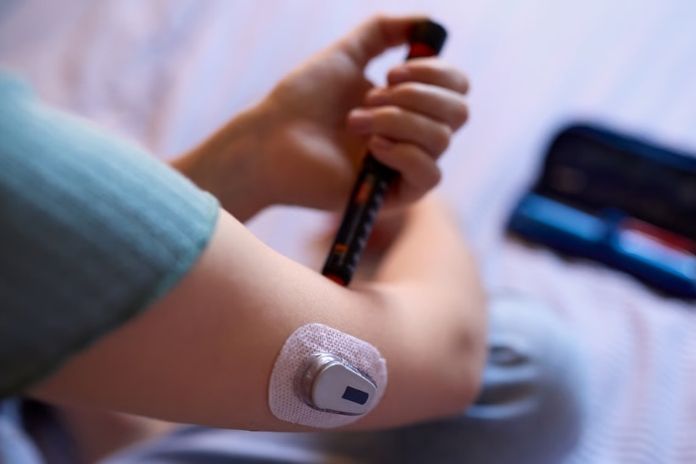
Fewer Injections and Simplified Routines
One of the most obvious benefits of Awiqli is the reduction in injection frequency. Patients can move from seven basal insulin injections per week to just one, potentially simplifying daily diabetes management.
Possible Improvement In Treatment Consistency
For individuals who occasionally miss daily insulin doses, a weekly schedule may support better treatment consistency. Improved adherence could help some patients maintain more stable glucose control over time.
Convenience During Travel, Work, And Busy Schedules
Weekly dosing may be particularly appealing for people with demanding schedules. Travel, shift work, and busy family responsibilities can sometimes interfere with daily medication routines. A once-weekly option may offer greater convenience for some individuals.
Psychological Impact Of Reducing Daily Injections
Diabetes management can create emotional fatigue over time. Reducing the number of injections may help lessen the constant reminder of disease management for some patients and potentially reduce treatment-related stress.
Possible Risks and Limitations to Understand

Hypoglycemia And Blood Sugar Fluctuations
Low blood sugar remains one of the most important concerns with any insulin therapy. Because Awiqli has a long duration of action, careful monitoring is important to identify and address glucose fluctuations early.
Challenges If A Dose Is Missed
Missing a weekly dose may have different consequences than missing a daily dose. Because each injection is intended to provide insulin coverage for an entire week, patients must follow their healthcare provider’s instructions carefully if a dose is delayed or forgotten.
Why Weekly Insulin May Not Suit Everyone
Some individuals require frequent insulin adjustments due to illness, medication changes, or rapidly changing glucose levels. In these situations, daily insulin therapy may provide greater flexibility and allow faster dose modifications when needed.
Cost, Insurance Coverage, And Access Considerations
As Awiqli becomes more widely available, insurance coverage, pricing, and access will likely influence its adoption. Patients should discuss coverage options and out-of-pocket costs with their healthcare provider and insurance plan.
Who Might Benefit Most From Awiqli?
Adults With Type 2 Diabetes Using Basal Insulin
Adults with type 2 diabetes who already use basal insulin may be among the most likely candidates for once-weekly therapy. For appropriate patients, weekly dosing may offer a simpler alternative to daily injections.
People Struggling With Adherence To Daily Insulin Schedules
Individuals who often forget doses or experience treatment fatigue may potentially benefit from a less frequent dosing schedule. A weekly routine may help some patients stay more consistent with therapy.
Situations Where Daily Insulin May Still Be Preferred
Daily insulin remains an important option and may be preferable for patients who need more flexible dose adjustments. People with complex diabetes management needs may continue to benefit from traditional daily basal insulin regimens.
Questions to Ask a Healthcare Provider About Once-Weekly Insulin
Is Weekly Insulin Appropriate For My Diabetes Management Plan?
Ask your healthcare provider whether once-weekly insulin fits your current treatment goals, medications, and glucose control needs.
How Would Switching From Daily Insulin Work?
Transitioning from daily basal insulin to Awiqli requires careful dose conversion and monitoring. Your healthcare provider can explain how the transition process would be managed and what follow-up monitoring may be needed.
What Side Effects Or Warning Signs Should I Watch For?
Patients should understand the symptoms of hypoglycemia, injection-site reactions, allergic reactions, and persistently elevated blood sugar levels. Knowing when to seek medical advice is an important part of safe insulin use.
Anyone considering Awiqli should discuss the potential benefits, risks, and monitoring requirements with a qualified diabetes care team to determine whether it is the right fit for their personal diabetes management plan.
Read More: The Connection between Insulin Resistance and Type 2 Diabetes
Key Takeaway: Once-Weekly Insulin Could Change Diabetes Care—But It’s Not One-Size-Fits-All
Awiqli represents a major advancement in basal insulin therapy by reducing injections from daily to weekly for adults with type 2 diabetes. As the first FDA-approved once-weekly basal insulin, it offers a new option that may simplify diabetes management for many patients.
However, convenience should always be balanced with safety, ongoing glucose monitoring, and individualized treatment planning. While clinical trials have shown promising results, long-term experience with once-weekly insulin continues to evolve.
References
- StatPearls Publishing. (2025). Insulin therapy. In StatPearls. National Library of Medicine.
- StatPearls Publishing. (2025). Type 2 diabetes mellitus. In StatPearls. National Library of Medicine.
- Buse, J. B., Bain, S. C., Lingvay, I., et al. (2025). Once-weekly insulin icodec for type 2 diabetes: Clinical evidence and outcomes.
- Kalra, S., Gupta, Y., & Kumar, A. (2016). Insulin degludec: A significant advancement in diabetes management. Diabetes Therapy, 7(4), 671–684.
- Rodbard, H. W. (2025). Once-weekly insulin for type 2 diabetes. JAMA, 334(12), 1183–1184.
- 2 Minute Medicine. (2025, March 13). Novo Nordisk Awiqli is a once-weekly insulin injection for patients with type 2 diabetes.
In this Article