



















The cost of diabetes in America is not one story. They are two systems running parallel, sometimes touching, and often not. On paper, 2023 looked like a turning point: insulin prices cut by 70–78%, a $35 cap for Medicare, and new policy tools starting to work. But if you look closer, the reality is uneven. Some patients now pay predictable and lower prices. Others still depend on discount cards, pharmacy rules, and luck.
Now, people think the insulin price problem is solved. It is not solved; it is just rearranged. And insulin itself is not even the biggest cost driver anymore. The real financial pressure is spread across devices, complications, and newer drugs, which cost more than insulin ever did.
So the question isn’t “is insulin cheaper now?” It is, “What does it actually cost to live with diabetes in 2026, month after month, year after year, depending on who you are in the system?”
- Insulin prices dropped, and Medicare patients are protected, but the cost of diabetes is still very high because of real expenses that go far beyond insulin.
- Devices and GLP-1 drugs are now major drivers.
- Policy is improving affordability, but access still depends heavily on insurance type and system navigation.
The Scale of the Problem: Diabetes and The Cost by the Numbers

More than 40 million Americans are living with diabetes today. This means around 12% of the population. But about 11 million people are still not diagnosed. This means the system is already underestimating its own burden.
Every year, nearly 1.5 million new diabetes cases arise. Almost 1 in 3 people above 65 has diabetes. So this is never just a small or niche health issue; it is central to healthcare spending.
The financial side is even more striking. The total economic cost has crossed $413 billion annually. Out of this, $307 billion is direct medical cost, hospital visits, medicines, and devices, and another $106 billion comes from indirect losses like reduced productivity or early death.
People with diabetes spend about 2.3 times more on healthcare than those without it. This is not just because of insulin. It is because diabetes slowly pulls multiple systems of the body into long-term care.
Why Insulin Became So Expensive: The Structural Story
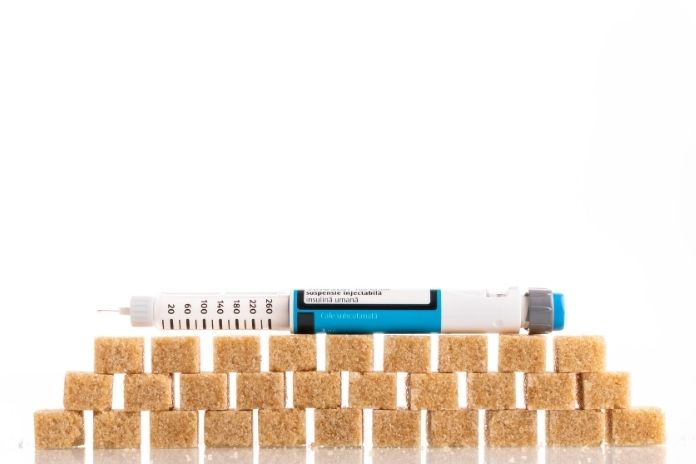
Insulin is not a new or rare drug. The cost to produce a vial is around $2 to $10. Still, the price just went from $21 in 1999 to $332 in 2019. This kind of increase cannot happen in a normal competitive market. Dr. S. Vincent Rajkumar, a hematologist, says, “The price of insulin is a stark and troubling example of what’s happening with other prescription drugs, and it highlights a systemic problem with how drugs are priced, compared with just about every other commodity.”
The first reason is market control. Three companies, Eli Lilly, Novo Nordisk, and Sanofi, dominate more than 90% of the insulin supply in the US. That alone reduces price pressure.
Second, patents did not end when they were supposed to. Instead of one patent, companies built layers of patents, small changes, delivery devices, and formulations, extending control. For example, dozens of additional patents were filed around existing insulin products.
Third, the pharmacy benefit manager (PBM) system created a strange incentive. PBMs negotiate rebates with manufacturers, but these rebates are linked to the list price. So if the list price goes high, then the rebate also goes high. This means a higher price can sometimes give better market access.
So instead of competing by lowering prices, companies increased prices in parallel. This is why insulin prices rose almost together across brands. Not exact coordination, but similar direction.
This system explains something important: why prices stayed high for so long and why the 2023 cuts happened suddenly. It was not charity. It was policy pressure.
What Changed in Diabetes Costs in the US in 2023: The Price Cuts, the IRA, and Who Benefited
1. The 2023 manufacturer price cuts: What they actually meant
In 2023, major insulin brands reduced their list prices sharply. Some cuts were more than 70%. This was meaningful, but just for some patients. The key difference is between the list price and the net price. The list price is the sticker number. Net price is what insurers and pharmacy systems actually pay after rebates.
For insured patients, net prices were already much lower before 2023. So when list prices dropped, their out-of-pocket cost for diabetes did not always change much. But for uninsured patients, those paying directly, the impact was real. Their price is linked to the list price. So for them, this was a direct relief.
Also, these cuts were influenced by new Medicaid rebate rules. Companies would have paid heavy penalties if prices stayed high. So reducing the list price became financially logical.
2. The IRA insulin cap: Its real scope, and its limits
The $35 insulin cap is one of the biggest policy changes. But it is often misunderstood. This cap applies only to Medicare, specifically Part D and Part B insulin. Around 3.3 million people benefit from this. For them, insulin cost is now predictable and legally protected.
But this rule does not apply to private insurance or employer plans. That part was removed before the law passed. For non-Medicare patients, the $35 cap exists mostly through manufacturer programs. These are voluntary. They depend on enrollment, eligibility, and pharmacy participation. So in reality, there are three systems:
- Medicare patients → They are legally protected
- Insured patients → They are partially protected through plans
- Uninsured patients → They are dependent on programs due to uninsured insulin costs
This is why access still feels complicated even after reform.
The Full Diabetes Cost Stack: Beyond Insulin
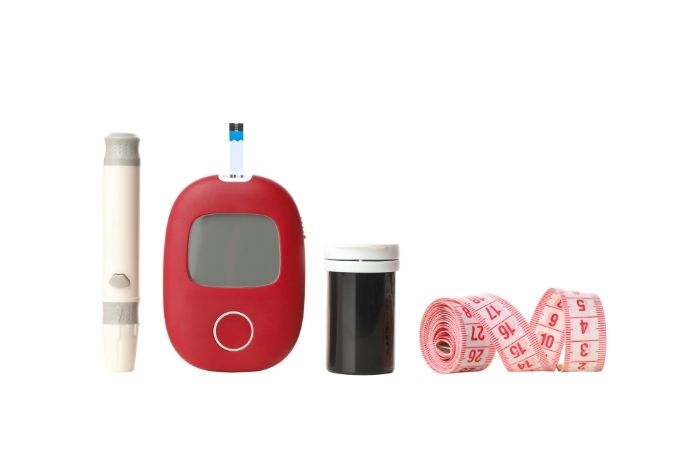
Focusing only on insulin gives an incomplete picture. Insulin is only about 6% of total direct diabetes costs after rebates. The rest is where the real financial pressure builds.
Continuous glucose monitors (CGMs) are now almost standard, especially for type 1 diabetes. Without CGM cost insurance coverage, they cost $150 to $450 per month. With insurance, many pay under $40, but only if coverage exists.
Insulin pumps and automated systems go even higher. These systems can cost $6,000 or more per year. They improve control significantly, but access depends heavily on insurance approval. Routine care is also continuous: endocrinologist visits, lab tests, eye exams, and kidney monitoring. They are necessary to prevent complications.
And complications are the most expensive part. Kidney disease, heart problems, and nerve damage: these conditions drive hospital costs. Once complications begin, costs multiply fast.
GLP-1 Drugs: The Fastest-Growing Diabetes Cost Category Nobody’s Talking About
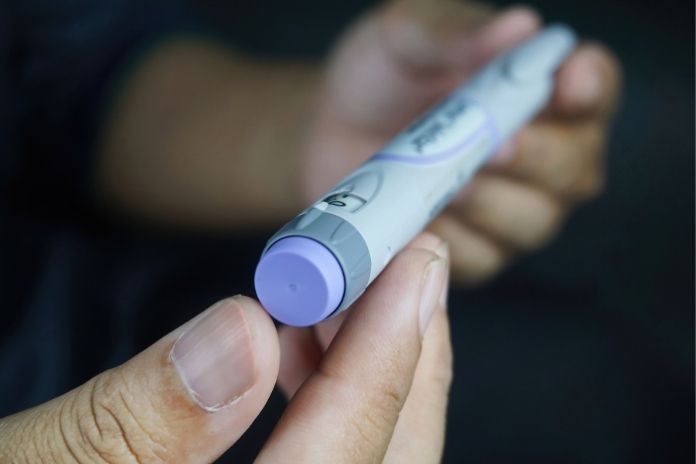
The biggest shift in diabetes cost is not insulin anymore. It is GLP-1 drug cost coverage. These medicines, like semaglutide and tirzepatide, are changing treatment outcomes. They improve blood sugar, reduce weight, and lower cardiovascular risk. But they are expensive. Around $900 to $1,100 per month at list price. This is higher than many insulin regimens.
Insurance coverage exists mainly for type 2 diabetes. But for obesity without diabetes, coverage is limited and inconsistent. Dr. Ethan Lazarus, a family and obesity medicine physician, says, “So, when there’s coverage, the medications are very cost-effective. When there’s no coverage, they’re not.” Many patients who could benefit cannot access them.
Policy changes are starting to address this. Agreements between manufacturers and government programs aim to lower costs in Medicare and Medicaid. A new model is expected to expand access in 2026.
Still, these drugs are becoming one of the largest spending categories in healthcare. So even if insulin costs stabilize, total diabetes spending may continue rising because of GLP-1 adoption.
Read More: GLP-1 for Weight Loss: Injectables vs. Pills – What You Need to Know
What’s Changing in 2026: Policy Developments in Diabetes Cost That Matter

1. Medicare diabetes drug price negotiation
2026 marks the beginning of direct drug price negotiation under federal policy. Selected high-cost drugs will have negotiated prices, sometimes up to 65% lower than the list price. This does not focus mainly on insulin, because insulin was already addressed separately. But it affects related drugs and the overall spending structure.
Also, Medicare Part D now includes an annual out-of-pocket cap, around $2,100 in 2026. This creates a ceiling for total drug spending, which did not exist before.
2. Biosimilar insulin: The competition is finally coming
Biosimilars are the closest thing to generic insulin. They are not identical to chemical drugs, but clinically equivalent. Their importance is long-term. They introduce real price competition. Some biosimilars are already significantly cheaper than original brands. Pharmacists can substitute certain biosimilars without a new prescription, which helps increase their adoption.
There are also new models, like state-backed insulin programs and low-cost retail insulin, trying to change the pricing structure permanently. This is a slower change, but more durable than one-time price cuts.
Read More: How to Gain Weight with Diabetes? 15 Effective Ways and Foods To Eat
Who Is Still Falling Through the Gaps: Uncovered Diabetes Patients

Despite improvements, access is still uneven. Uninsured patients face the most difficulty. Even with $35 programs, they must navigate applications, documentation, and pharmacy systems. This is not simple for everyone. Insulin rationing was affecting up to 30% of users before 2023. It likely reduced but did not disappear. Structural barriers still exist.
Technology access is also unequal. CGMs and pumps are not universally covered. Some Medicaid programs restrict access based on strict criteria. GLP-1 drugs show another gap. They are widely used but not equally accessible. Especially for obesity treatment, coverage is limited.
So while averages improve, inequality inside the system remains strong.
Read More: American Diabetes Month 2025: Simple Steps to Lower Your Risk
Final Thoughts
The diabetes cost story in 2026 may not be an all-success story but surely a tale of transition. Some parts of the system are working better, especially for Medicare patients. Policy is starting to shape pricing. Biosimilars are entering.
But the deeper issue is still there; access depends too much on insurance type, program awareness, and administrative navigation.
The gap between what is medically possible and what is financially accessible is still large. And for a chronic condition like diabetes, this gap is not one-time; it repeats every month.
- Price cuts do not equal affordability; list price reductions help mostly uninsured patients, not all insured ones.
- Insulin prices in 2026 are no longer the main cost driver; devices and GLP-1 drugs are reshaping spending.
- Policy works, but unevenly. Medicare reforms are strong, but private insurance remains fragmented.
- Structural incentives still exist, and rebate systems and patent strategies continue influencing pricing behavior.
- Research gap: There is limited real-world data on post-2023 insulin rationing and the long-term impact of GLP-1 cost expansion on total diabetes burden.
References
- American Diabetes Association. (2023). Statistics about diabetes. Diabetes.org.
- Eli Lilly and Company. (2023, March 1). Lilly Cuts Insulin Prices by 70% and Caps Patient Insulin Out-of-Pocket Costs at $35 Per Month | Eli Lilly and Company.
- Herman, W. H., & Kuo, S. (2021). 100 years of insulin: Why is insulin so expensive and what can be done to control its cost? Endocrinology and Metabolism Clinics of North America, 50(3), e21–e34.
- Smithson, T., & Schueller, G. (2023). Is a Continuous Glucose Monitor Right for You? US News & World Report
In this Article