


















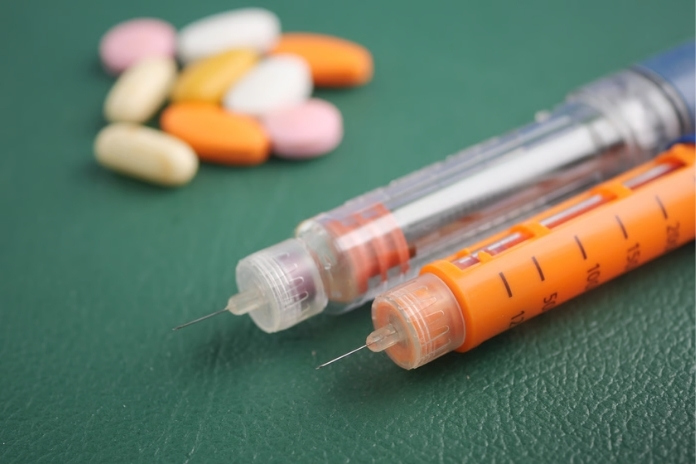
- Injectable GLP-1s (Wegovy, Zepbound, etc.) still lead in weight loss results (~15–22% body weight), but cause sharper side effects and weekly appetite fluctuations
- Oral GLP-1 pills are rapidly improving. The FDA approved an oral Wegovy in January 2026, with weight loss results now approaching injectables (~12–16%)
- Pills offer steadier daily appetite regulation, fewer “bad days” from nausea, no refrigeration, and no needles. Making long-term adherence easier for many patients
- A new small-molecule pill (Orforglipron) is coming soon and won’t require fasting to take, making it even more convenient
- The future is likely sequential use, not either/or. Injectables for initial metabolic reset, pills for long-term maintenance
The GLP-1 weight-loss treatment is no longer a niche medical discussion. It has become one of the most visible and heavily discussed topics in medicine, dominating social media, direct-to-consumer advertising, and primary care conversations. In 2026, the question is no longer whether GLP-1 works. The real question is how it should be taken.
For the last few years, injectables have dominated the space. Weekly pens became the default image of GLP-1 therapy. Pills existed, but mostly as a compromise, less powerful, less reliable, and often dismissed.
That balance is now shifting.
Oral GLP-1 medications are not just“needle-free weight loss medication options anymore. They are being designed with a different philosophy: daily metabolic pressure instead of weekly appetite shutdown. This difference matters more than most comparisons talk about.
This article does not repeat what GLP-1 hormones are or how hunger works. Instead, this is about decision-level clarity, what changes in real-world weight loss when you move from injectables to pills, and where science still has unanswered gaps.
What Are GLP-1 Medications?
Most GLP-1 drugs are FDA-approved, and they mimic the hormone glucagon-like peptide-1, which influences appetite signalling, insulin release, gastric emptying, and satiety perception. But clinically, GLP-1 drugs do something more important than “reduce hunger.”
They change the cost of overeating.
Instead of relying on willpower, they introduce physical feedback, early fullness, nausea if limits are crossed, and reduced reward from large meals. This is why they work even when motivation fails.
However, the delivery method, weekly injection vs daily pill, changes how this feedback is experienced by the body.
FDA-approved GLP-1 receptor agonists include injectable semaglutide, tirzepatide, and related formulations that have undergone rigorous clinical trials for safety and efficacy.
However, compounded versions of semaglutide and tirzepatide have also circulated during recent drug shortages. These compounded products are not FDA-approved, are not required to demonstrate bioequivalence, and lack large-scale safety or efficacy validation studies. Compounding was temporarily permitted during medication shortages, but those shortages have largely resolved.
Dr. Heather Saran, a board-certified endocrinologist and founder of Bright Endocrinology, cautions against compounded GLP-1 formulations because of variability in dosing, purity, and absorption.
Some patients report little to no clinical effect even at higher compounded doses and ultimately return to FDA-approved injectable therapy.
Injectable GLP-1s: The Current Standard
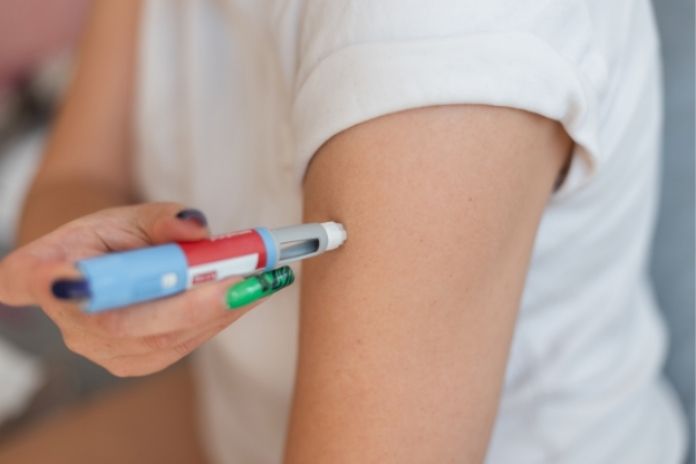
For now, injections still define the benchmark.
Available Options
The injectable weight loss medications category is still led by a few major players:
- Wegovy
- Ozempic
- Mounjaro
- Zepbound
These drugs are administered weekly using pre-filled pens. The dosing is escalated slowly to control side effects. They do not require fasting or meal timing, but are typically taken on the same day each week for consistency.
Effectiveness
Injectables currently deliver the highest average weight loss numbers in clinical trials, often 15–22% of baseline body weight, depending on molecule and dose.
But these numbers hide an important detail: Weight loss is front-loaded. Appetite suppression peaks strongly after each dose, then gradually fades before the next injection.
This sustained effect is fundamentally different from how the body’s own GLP-1 behaves.
“The difference between the injectable GLP-1 medications and your gut is when your gut makes GLP-1, you break it down really quickly, two or three minutes,” explains Dr. Ethan Lazarus, a family and obesity medicine physician. “So, as soon as it stops making it, you don’t feel satisfied anymore.”
With injectable formulations, that signal is artificially extended. “When you do a GLP-1 injection, the newer ones last a week. So, 24 hours a day, seven days a week, you feel like you just ate,” Dr. Lazarus says. “It’s not that you’re stimulated and you have all this energy and don’t want to eat. It’s very calming.”
Pros and Cons of Injectable GLP-1s
Pros
- Strong appetite suppression
- Weekly dosing improves compliance
- Extensive long-term data available
Cons
- Nausea spikes after dosing
- Appetite suppression can feel “too artificial”
- Risk of weight regain if stopped abruptly
- Injection anxiety is real, even if ignored in trials
- Refrigeration needed
Injectables work best for people who need decisive appetite control, not subtle metabolic adjustment.
The New Oral GLP-1 Pills
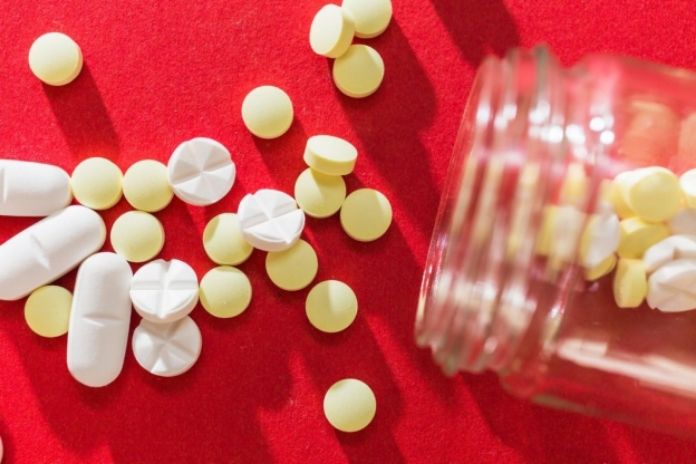
Pills did not appear suddenly. They arrived slowly, cautiously, and with many failures along the way.
Injectable GLP-1 medications work reliably because they bypass the digestive system entirely, entering the bloodstream directly and maintaining predictable drug levels over time. Oral GLP-1 drugs face a much harder problem.
GLP-1 molecules are fragile peptides that are rapidly broken down by stomach acid and digestive enzymes before they can be absorbed. Only a small fraction survives long enough to pass through the intestinal wall and enter circulation.
Because of this, early oral GLP-1 formulations required special absorption enhancers, strict dosing rules, and higher doses, yet still produced more variable blood levels than injections. This biological challenge explains why oral GLP-1s historically showed less consistent absorption, more modest weight loss, and tighter administration requirements compared to injectables.
1. Rybelsus (The Predecessor) (Earlier Oral Semaglutide for Diabetes)
Rybelsus was the first oral semaglutide approved for type 2 diabetes, not specifically for obesity treatment. It proved that peptide-based GLP-1 could survive the gastrointestinal tract long enough to have clinical effects, but only under tightly controlled conditions, says Dr. Saran.
Rybelsus mattered not because it was powerful, but because it opened the door.
Rybelsus must be taken on an empty stomach, first thing in the morning, with a small amount of water. No food, beverages, or other medications should be consumed for at least 30 minutes afterward, as absorption is highly sensitive to stomach contents.
Even with these precautions, absorption remains variable, which contributes to more modest weight loss outcomes compared to injectable GLP-1 therapies.
2. Wegovy Pill (FDA Approved January 2026)
In January 2026, oral Wegovy became the first FDA-approved oral GLP-1 specifically indicated for weight management. The oral version of Wegovy employs a different engineering approach, using improved absorption enhancers to achieve higher bioavailability.
In the OASIS 4 clinical trial, the maximum 25 mg daily oral dose produced weight loss comparable to the maximum 2.4 mg weekly injectable dose. This finding challenged the assumption that oral GLP-1 therapy must inherently be less effective than injections.
Unlike Rybelsus, the Wegovy pill is less dependent on strict fasting conditions. While it is still typically recommended to take it on an empty stomach or before meals, the timing window is more forgiving, and minor deviations appear to have less impact on effectiveness.
Early data show more consistent daily appetite modulation, lower peaks in nausea, and a slower but steadier weight-loss curve.
This Wegovy oral tablet is not designed to outperform injections. Instead, it aims to deliver more gradual, daily appetite regulation rather than the sustained “always-on” suppression produced by weekly injectable doses.
3. Eli Lilly’s Orforglipron (Coming Soon)
Orforglipron for weight loss is not semaglutide. It is a small-molecule GLP-1 agonist, meaning it does not rely on peptide survival, the ability of fragile peptide drugs to withstand stomach acid and digestive enzymes long enough to be absorbed.
Because of this, Orforglipron is designed to be taken once daily, without fasting requirements, and with or without food, similar to conventional oral medications.
This matters because:
- No injection-like absorption spikes
Small-molecule drugs are absorbed more gradually, avoiding the sharp blood-level peaks seen with injections or peptide-based oral GLP-1s.
- Potentially fewer GI side effects
Slower, steadier absorption may reduce nausea and GI symptoms that are often triggered by rapid rises in drug concentration.
- True once-daily metabolic engagement
Daily dosing supports consistent GLP-1 signalling without reliance on strict timing or absorption enhancers.
Orforglipron may become the first oral GLP-1 that feels native to daily physiology rather than adapted.
Head-to-Head Comparison of Injectable vs. Oral Pill GLP-1s
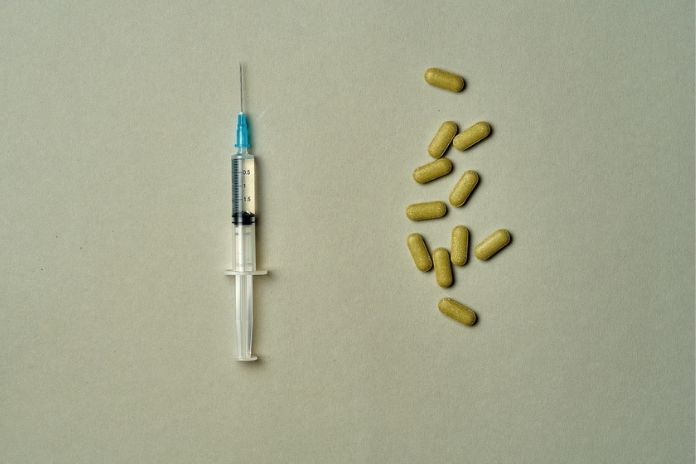
Effectiveness
Injectable GLP-1 therapies have generally delivered the highest average weight loss in clinical studies, often around 15–20% or more of baseline body weight, while oral GLP-1 pills, though increasingly effective (in the ~12–16% range in some trials), tend to show more moderate weight loss but may offer advantages in daily metabolic regulation and adherence.
This difference is also reflected in real-world clinical practice. “In my experience, patients taking injectable semaglutide typically lose more weight than those on oral semaglutide,” says Dr. Craig Primack, a physician specializing in obesity medicine and senior vice president of weight management at Hims & Hers.
The reason for this is that the dose of the injectable form achieves higher blood levels and, therefore, better appetite control.”
However, Dr. Saran reports that in her practice, some of her patients experience an appetite and food-related noises gradually returning toward the end of the weekly dosing interval. This perceived “wear-off” effect has contributed to growing interest in daily oral formulations, which provide steadier signaling without weekly peaks and troughs.
Injectable GLP-1 therapies have generally delivered the highest average weight loss in clinical studies, often around 15–20% or more of baseline body weight, while oral GLP-1 pills, though increasingly effective (in the ~12–16% range in some trials), tend to show more moderate weight loss but may offer advantages in daily metabolic regulation and adherence.
This difference is also reflected in real-world clinical practice. “In my experience, patients taking injectable semaglutide typically lose more weight than those on oral semaglutide,” says Dr. Craig Primack, a physician specializing in obesity medicine and senior vice president of weight management at Hims & Hers.
According to Dr. Craig Primack, “the reason for this is because the dose of the injectable form achieves higher blood levels and, therefore, better appetite control.”
Early evidence suggests pills may reduce weight regain risk because they train daily eating behaviour instead of suppressing it episodically.
Convenience and Administration
- Injectables: once weekly, but technique matters
- Pills: daily habit, no device, no cold storage
Convenience is not just comfort; it directly affects long-term adherence.
Side Effects
Injectables may cause dose-day nausea, appetite crashes, and occasional vomiting during titration. And pills may show lower nausea intensity, more predictable GI response, and fewer “bad days.”
This difference becomes critical for people who stop therapy due to intolerance.
The Rise of “Microdosing”
Some patients experiencing end-of-week appetite return with weekly injections have experimented with “microdosing,” meaning smaller, more frequent doses using multidose pens such as Ozempic. With a prescription for additional pen needles, this dosing pattern is technically feasible with multidose devices.
However, microdosing is not possible with single-use pens such as Wegovy, Mounjaro, or Zepbound. These devices are pre-measured and designed for one-time administration. Attempting to divide doses can compromise accuracy and sterility.
Dr. Saran also cautions against drawing multiple doses from single-use Zepbound vials. These vials lack antimicrobial preservatives and are intended for single administration only. Reusing them increases the risk of bacterial contamination and infection.
While patient experimentation reflects frustration with weekly fluctuations, dosing adjustments should always be supervised medically.
Cost Comparison
Cost remains one of the biggest limiting factors in GLP-1 adoption, regardless of formulation.
“We’re finding somewhere in the range of 20% to 30% of health insurers are covering the anti-obesity medications,” says Dr. Lazarus. He notes that “70% or so of people don’t have coverage,” and that “most of the coverage is determined state by state.”
It is also important to distinguish between FDA-approved medications dispensed through traditional pharmacies and compounded GLP-1 products sold through telehealth platforms.
Some telehealth companies generate revenue from dispensing compounded formulations directly, creating financial incentives that differ from prescribing FDA-approved medications filled at independent pharmacies. Patients should verify whether their medication is FDA-approved and discuss risks and benefits with a licensed clinician.
Injectables like Wegovy and Zepbound generally cost $199–$499 per month without insurance, though copay or manufacturer savings programs can lower the cost to $25–$100/month for eligible patients.
Oral GLP‑1 pills, including the Wegovy pill, are slightly cheaper, typically $149–$299 per month, with similar savings options. Small-molecule drugs like Orforglipron are expected to be priced comparably or lower.
Injectables remain expensive due to device manufacturing and cold-chain logistics. Oral pills are expected to reduce costs over time, especially with generic competition.
However, in 2026, cost parity is not yet universal.
Who Should Choose Pills vs. Injectables?
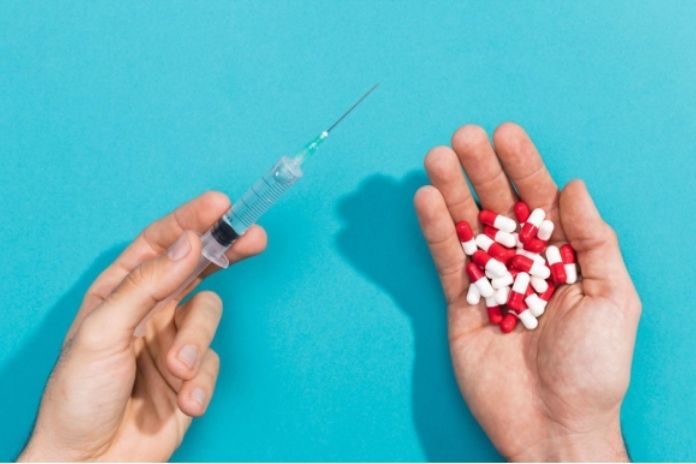
Pills May Be Better For
- People with mild-to-moderate weight gain
- Those sensitive to nausea
- Long-term metabolic management focus
- Individuals who struggle with injections
- Patients planning multi-year therapy
- People who travel often or lack access to refrigeration
Injectables May Be Better For
- Severe obesity with urgent metabolic risk
- Poor appetite regulation history
- Prior failure with oral therapies
- Need for rapid weight reduction
- Structured medical supervision
The mistake is treating pills as “weaker injectables.” They are different tools.
Read More: Does ‘Nature’s Ozempic’ Really Exist? What Science Says About Natural Alternatives for Weight Loss
What the Experts Say
Public health leaders are also reframing how GLP-1 therapies should be viewed. Dr. Tedros Adhanom Ghebreyesus, Director-General of the World Health Organization, has cautioned against treating these drugs as standalone solutions, noting that “While medication alone won’t solve this global health crisis, GLP-1 therapies can help millions overcome obesity and reduce its associated harms.”
This perspective aligns with growing clinical sentiment: GLP-1s are not meant to replace lifestyle, behavior, or long-term metabolic care, but to lower the physiological barriers that make sustained weight management difficult.
Read More: L-Carnitine for Weight Loss: Benefits, Side Effects, and Best Dosage
The Future of GLP-1 Pills
The real future is not Wegovy pill vs. injection. It is sequencing. Injectables for metabolic reset; pills for metabolic stability. What is missing in current research is long-term head-to-head data on:
- Weight regain after discontinuation
- Lean mass preservation
- Psychological eating patterns
Until those gaps are filled, choice should be personalized and not trend-driven.
Read More: Post-Weight Loss Challenges: How to Manage Persistent Hunger
Final Thoughts
GLP-1 therapy in 2026 is not about chasing the strongest drug. It is about choosing the right pressure on the body. It is about obesity treatment, finally adjusting to how people actually live.
For years, effective weight-loss care existed, but access depended on comfort with injections, storage rules, and rigid routines. Oral GLP-1 pills change that equation. They do not make injections obsolete, but they widen the door. Some patients will do better with weekly injections, while others will do better with daily tablets.
The real shift is choice. When treatment fits daily life, people stay consistent longer. And in weight management, consistency matters more than the medication’s format.
- Injectables deliver faster, more substantial weight loss, but with sharper physiological swings.
- Oral GLP-1 pills focus on daily appetite regulation rather than suppression.
- Pills may offer better long-term adherence and smoother discontinuation.
- Current research lacks long-term data on differences in weight regain between pills and injections.
- The future likely lies in combined or sequential use, not replacement.

References
- Krug, I., Dang, A. B., Portingale, J., Li, Y., & Won, Y. Q. (2025). Beyond Weight Loss: GLP-1 Usage and Appetite Regulation in the Context of Eating Disorders and Psychosocial Processes. Nutrients, 17(23), 3735.
- Rowe, E. (2025, August 14). Injections vs Oral GLP-1 Pills for weight loss – Which works better? Nutrition Authority.
- Velji-Ibrahim, J., Radadiya, D., Devani, K., Patel, H., Nathani, P., Hassan, C., Pugliese, N., Thompson, C., & Sharma, P. (2025). Efficacy and Safety of Glucagon‐Like Peptide‐1 Receptor Agonists for Obesity Management in Adults With and Without Type 2 Diabetes: A Systematic Review. Journal of Obesity, 2025(1), 3897161–3897161.
- Welcome To Zscaler Directory Authentication. (2026). Pharmasalmanac.com.
- Wilding, J. P. H., Batterham, R. L., & Calanna, S. (2021). Once-Weekly Semaglutide in Adults with Overweight or Obesity. The New England Journal of Medicine, 384(11), 989–1002. PubMed.
- wpeters. (2025, December 23). Oral GLP-1 Pill Delivers Injection-Level Weight Loss Results. IAPAM.
In this Article