




















Scroll through any wellness feed long enough, and you will find celery juice positioned as a near-miraculous remedy for high blood pressure. It shows up in morning routines, social media challenges, and natural health forums with an almost religious consistency. Carrot juice gets less fanfare but earns its place in conversations about heart-healthy eating through its antioxidant density and modest mineral content.
If you have hypertension and are wondering whether either of these juices meaningfully contributes to potassium for high blood pressure, this article gives you the honest answer. Both juices contain nutrients that matter for cardiovascular health, but neither is a substitute for a well-structured diet.
This guide compares celery juice vs. carrot juice blood pressure benefits through an evidence-based lens, examining potassium content, other active compounds, what the research actually says, and what dietitians who specialize in heart health recommend instead.
It also covers who might benefit from including these juices, who should be cautious, and what the best juice for hypertension really looks like in the context of a complete dietary strategy.
Why Potassium Matters for Blood Pressure Control

Potassium and sodium operate through a tightly regulated push-pull system inside the body. Sodium promotes fluid retention and raises blood volume; potassium promotes sodium excretion through urine, reducing that fluid load and the pressure it exerts on arterial walls. The kidneys manage this balance through a sodium-potassium pump that is sensitive to how much of each mineral is consumed.
She added that this balance is essential for maintaining healthy blood pressure levels and that excess potassium can result in high blood potassium levels, known as hyperkalemia, which can cause irregular heartbeats, muscle weakness, and severe heart issues.
How Potassium Supports Healthy Blood Vessel Function
Beyond sodium excretion, potassium relaxes the smooth muscle cells lining blood vessel walls. This vasodilatory effect reduces peripheral vascular resistance, which is a direct mechanism for lowering blood pressure independent of sodium.
The American Heart Association recognizes this dual mechanism, noting that foods high in potassium help manage blood pressure by reducing the adverse effects of sodium and easing tension in blood vessel walls.
Kiran Campbell, RDN, a registered dietitian nutritionist specializing in cardiovascular health with over 14 years of clinical experience, has that “swapping regular salt for a potassium-enriched salt substitute offers a low-effort, high-impact solution” for people managing blood pressure, adding that the body’s sodium-to-potassium ratio may impact blood pressure more significantly than sodium or potassium alone, particularly in people with hypertension.
Recommended Daily Intake and Common Gaps
The Office of Dietary Supplements recommends 3,400 mg of potassium per day for adult men and 2,600 mg per day for adult women. Most Americans fall significantly short of these targets, largely because processed foods, which dominate the modern diet, are high in sodium but stripped of potassium. This imbalance is one of the most consistent dietary contributors to population-level hypertension rates.
Nutritional Comparison: Celery Juice vs. Carrot Juice
A single cup (approximately 240 mL) of fresh celery juice provides roughly 286 to 340 mg of potassium, depending on the stalks used. A comparable serving of carrot juice contains approximately 517 to 689 mg of potassium, making carrot juice the meaningfully higher-potassium option on a per-serving basis.
Neither comes close to the potassium levels provided by whole foods like white beans (over 1,000 mg per half cup), sweet potatoes (approximately 540 mg per medium potato), or spinach (approximately 840 mg per cup cooked), but both contribute modestly to daily intake.
Juicing fundamentally changes a vegetable’s nutritional character. Celery juice from a standard juicer retains minimal fiber, roughly 1 gram or less per cup, compared to the 1.6 grams per stalk in whole celery.
Carrot juice is higher in natural sugars than celery juice, providing approximately 9 grams of sugar per cup versus roughly 3 grams in celery juice, reflecting the higher carbohydrate content of carrots. Both lose the insoluble fiber that slows glucose absorption and contributes to digestive and cardiovascular health.
Calories are modest in both cases: roughly 40 to 45 per cup for celery juice and approximately 94 to 100 per cup for carrot juice. Neither raises significant caloric concerns at standard serving sizes, though carrot juice adds up faster for those tracking sugar intake or managing blood glucose.
Celery juice provides meaningful amounts of vitamin K, with approximately 30 micrograms per cup, and smaller quantities of vitamin C, folate, and potassium. It contains phytonutrients including phthalides, flavonoids, and apigenin.
Carrot juice is nutritionally distinctive for its beta-carotene content, a precursor to vitamin A, which provides roughly 900 micrograms of vitamin A activity per cup, nearly meeting the daily requirement in one serving. It also contains lutein, zeaxanthin, and other carotenoids associated with antioxidant and anti-inflammatory activity relevant to cardiovascular health.
Read More: Supplement Your Health: Top 5 Potassium Supplements for Hypertension Control
Does Celery Juice Help Lower Blood Pressure?
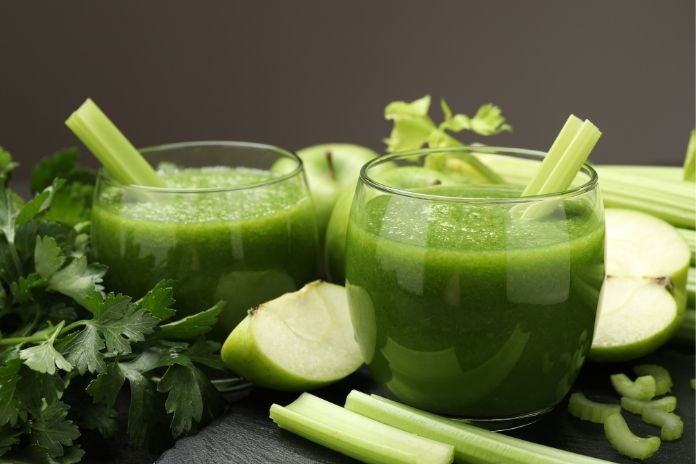
Celery’s most discussed compound for blood pressure is a class of phytochemicals called phthalides, specifically 3-n-butylphthalide (3nB). Animal studies have shown that 3nB relaxes smooth muscle tissue in artery walls, theoretically producing vasodilation. Some traditional medicine systems, including certain schools of Chinese medicine, have long used celery preparations for blood pressure management.
A small 2019 clinical study conducted in Java found that celery juice reduced systolic and diastolic blood pressure in participants with systolic hypertension. Similar findings have been reported in other small-scale investigations.
However, no large randomized controlled trials have assessed celery juice’s efficacy in this context in well-controlled human populations. The evidence base, while biologically plausible, remains preliminary.
Limitations of Current Research and Popular Claims
The scientific support for celery juice as a blood pressure remedy is considerably thinner than its social media presence suggests. Most research involves animal models or very small human studies without control groups. The concentration of active phthalides in commercially available celery stalks varies considerably based on growing conditions, storage, and processing.
Celery also contains sodium, approximately 88 mg per cup of juice, a fact that is frequently overlooked in discussions promoting it for blood pressure management. While this amount is modest and well within what a healthy diet can accommodate, it matters for people on sodium-restricted diets.
Is Carrot Juice Beneficial for Heart Health?
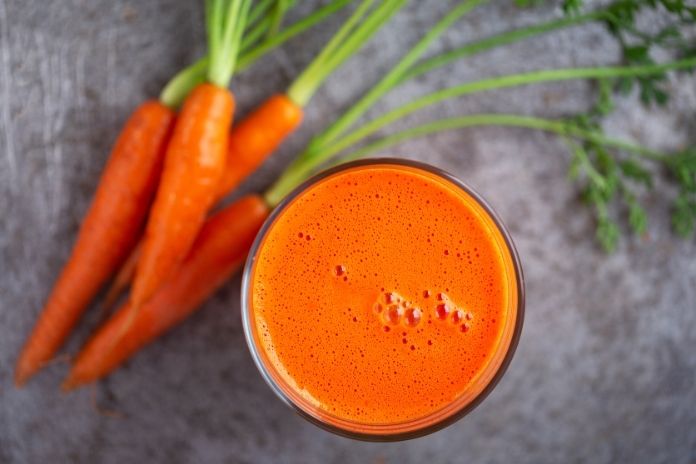
Carrot juice’s cardiovascular case rests primarily on its antioxidant profile. Beta-carotene, alpha-carotene, lutein, zeaxanthin, and other carotenoids in carrot juice reduce oxidative stress in vascular tissue. Oxidative damage to arterial walls contributes to the formation of atherosclerotic plaques and reduces the flexibility of blood vessels over time.
Diets high in carotenoid-rich vegetables are consistently associated with lower cardiovascular disease risk in large epidemiological studies, though the contribution of carrot juice specifically is harder to isolate.
Natural Nitrates and Possible Blood Pressure Effects
Carrots contain dietary nitrates, though at lower concentrations than nitrate-dense vegetables like beets, spinach, arugula, or celery. Dietary nitrates are converted in the body through a bacterial pathway in the mouth to nitric oxide, a signaling molecule that promotes vasodilation and reduces blood pressure.
The nitrate content of carrot juice is sufficient to contribute modestly to this pathway, though the effect is smaller than that associated with beet juice, which has been the focus of more robust clinical investigation for blood pressure.
A 2024 meta-analysis published in Nutrition Journal evaluating cardiovascular outcomes from randomized controlled trials of dietary interventions found that plant-based interventions rich in nitrates and potassium consistently demonstrated measurable reductions in both systolic and diastolic blood pressure, with effects strongest in populations with established hypertension.
Carrots, while not the primary focus, contribute to this pattern as part of broadly vegetable-rich eating.
Evidence From Dietary Patterns vs. Isolated Juice Consumption
The most consistent evidence for carrot juice and heart health comes not from isolated carrot juice trials but from dietary pattern research. Patterns that include high vegetable variety, including carrots as a regular component alongside leafy greens, legumes, and whole fruits, reliably outperform any single-food intervention.
The DASH diet, which is the most robustly evidence-based dietary pattern for hypertension management, specifically emphasizes vegetable variety and potassium sufficiency rather than any specific juice or food item.
Which Juice Is Better for Potassium Intake?
On potassium content per cup, carrot juice provides roughly 50 to 100 percent more potassium than celery juice at comparable serving sizes. If the primary goal is maximizing potassium intake through juice, carrot juice is the stronger choice. However, both remain modest contributors compared to whole plant foods.
A more practical comparison is what each juice displaces. If someone substitutes either juice for a whole fruit or vegetable that they would otherwise eat, they lose fiber, potentially slow glucose absorption benefits, and often reduce overall micronutrient diversity. If either juice supplements an already vegetable-rich diet, the contribution to potassium intake is real but incremental.
A dose-response meta-analysis of randomized controlled trials quantified the blood pressure-lowering effect of increased potassium intake. Researchers found that each additional 1,000 mg of daily potassium was associated with a meaningful reduction in systolic blood pressure, with effects more pronounced in people with hypertension. This reinforces that total dietary potassium across all food sources, not any single item, drives clinical benefit.
Potential Downsides of Juicing for Blood Pressure
When vegetables are juiced and the pulp discarded, the resulting beverage delivers sugars and some nutrients faster than the whole food would, without the buffering effect of fiber.
For carrot juice in particular, the glycemic impact of a cup without fiber can spike blood sugar more quickly than eating whole carrots. For people managing diabetes alongside hypertension, which is extremely common, this matters.
Fiber itself has independent blood pressure benefits. A Cochrane review found that higher dietary fiber intake was associated with lower blood pressure, with the effect mediated partly through improvements in gut microbiota and partly through direct mechanisms involving short-chain fatty acids produced during fiber fermentation. Juice cannot replicate this.
Misconception of Juice as a Treatment
One of the most consistent concerns raised by cardiologists and registered dietitians is the tendency to treat juice as a functional remedy rather than a supplementary food. No juice, however nutrient-rich, is an established clinical treatment for hypertension.
People who rely on celery juice or carrot juice while delaying medication, skipping physician visits, or neglecting other lifestyle modifications may experience significant harm.
Better Dietary Strategies Than Choosing Any One Juice
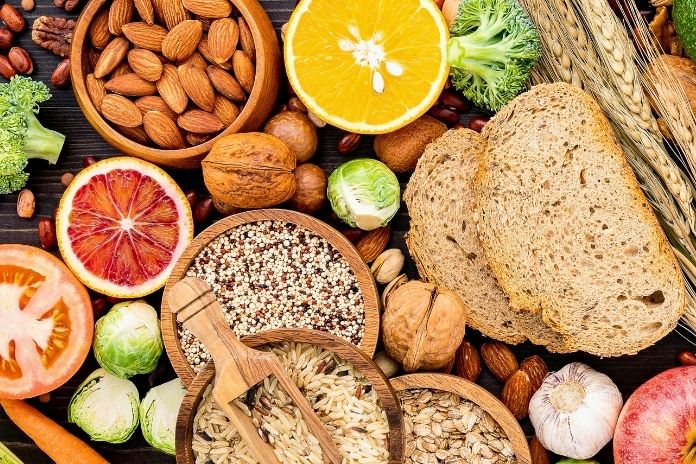
The evidence base for blood pressure management through diet consistently points to whole vegetables, not processed derivatives. Whole celery, whole carrots, leafy greens, legumes, and a wide variety of colorful plant foods provide potassium, fiber, nitrates, antioxidants, and phytochemicals in combinations that individual juices cannot replicate.
Overview of the DASH-Style Eating Pattern
The Dietary Approaches to Stop Hypertension, or DASH diet, is the most studied dietary intervention for hypertension and remains the gold standard recommendation from the American Heart Association, the American College of Cardiology, and most major hypertension guidelines.
A 5-point improvement in DASH score adherence is associated with a 1.35 mmHg reduction in systolic blood pressure, according to INTERMAP study data published in the American Journal of Clinical Nutrition. The DASH pattern emphasizes fruits, vegetables, low-fat dairy, whole grains, and legumes, while limiting sodium, saturated fat, and added sugar.
Other Potassium-Rich Foods That Outperform Both Juices
For people looking to meaningfully increase dietary potassium for blood pressure, the most efficient options in terms of potassium per calorie or per serving include white beans and other legumes, cooked spinach and Swiss chard, baked sweet potatoes, avocado, plain yogurt, salmon, and whole tomatoes. These foods simultaneously provide fiber, protein, magnesium, and other nutrients that support cardiovascular health in ways that juice cannot.
Reducing Sodium Intake Alongside Increasing Potassium
The sodium-to-potassium ratio appears to be a stronger predictor of blood pressure and cardiovascular risk than either mineral in isolation, according to multiple large epidemiological analyses.
Reducing sodium from processed foods, restaurant meals, and discretionary salt while simultaneously increasing potassium from whole plant foods addresses both sides of this ratio and produces the most consistent blood pressure benefit. Celery and carrot juice, while unable to meaningfully shift this ratio on their own, can contribute to a broader vegetable-forward eating pattern that does.
Read More: Understanding the DASH Diet: A Tool for Managing Hypertension
Who Might Benefit From Including These Juices
For someone who genuinely dislikes most vegetables and struggles to meet minimum intake recommendations, a glass of carrot juice represents a real, practical contribution to micronutrient intake. In this context, the juice is not a treatment but a bridging strategy that adds some potassium, beta-carotene, and antioxidants where none might otherwise exist.
People who already eat a vegetable-rich diet can include juice as a variety option without concern. Neither juice is harmful in normal amounts for healthy adults without kidney disease, and both add genuine nutritional value when consumed as part of a well-rounded dietary pattern rather than as a primary intervention.
Post-exercise, when appetite is suppressed or time is limited, a glass of carrot juice can deliver potassium and fluid simultaneously. These practical situational uses are legitimate, provided the juice is understood as a convenience food rather than a medical intervention.
When to Be Cautious With Potassium Intake
The kidneys regulate potassium excretion. In people with chronic kidney disease, that regulatory capacity is impaired, and dietary potassium that a healthy person would excrete harmlessly can accumulate to dangerous levels in the blood.
Even the relatively modest potassium in carrot juice can be problematic for people on potassium-restricted kidney diets. Anyone with kidney disease should discuss vegetable juice consumption with their nephrologist or a renal dietitian before making changes.
Several common medication classes interact with potassium. ACE inhibitors and angiotensin receptor blockers, both frequently prescribed for hypertension, reduce potassium excretion and can elevate blood potassium levels when combined with high-potassium diets.
Potassium-sparing diuretics carry a similar risk. People on these medications who significantly increase vegetable juice intake should monitor potassium levels under medical supervision.
Kiran Campbell, RDN, has explicitly noted in published commentary that while the sodium-to-potassium balance is crucial for blood pressure, one can ingest too much potassium, leading to hyperkalemia, which makes maintaining a healthy balance between the two minerals a careful balancing act rather than a simple “more is better” equation.
Importance of Individualized Medical Advice
High blood pressure is a clinical condition that frequently requires prescription medication, lifestyle modification, and regular monitoring. No juice, supplement, or dietary adjustment should be used to replace medical treatment or to delay seeking care. Anyone whose blood pressure consistently reads above 130/80 mmHg should consult a physician rather than relying on dietary changes alone.
Read More: 7 Effective Workouts for Lowering High Blood Pressure
Key Takeaway: No Single Juice Replaces a Heart-Healthy Diet
On the specific question of celery juice vs. carrot juice blood pressure management, carrot juice edges ahead on potassium content and antioxidant density. Celery juice contains biologically active compounds, including phthalides that may have vasodilatory effects, but the clinical evidence in humans remains limited and largely preliminary.
Neither juice comes close to matching the blood pressure benefits achievable through consistent adherence to a DASH-style dietary pattern rich in whole vegetables, legumes, and low-sodium whole foods.
Potassium for high blood pressure works best when it comes from a diverse array of whole plant foods rather than from any single juice. Does celery juice lower blood pressure? Possibly, modestly, in people with established hypertension, though the evidence is far thinner than its reputation suggests. Is carrot juice good for high blood pressure? It contributes real nutrients that support cardiovascular health, but it is not a standalone remedy.
The best juice for hypertension is whichever one fits most naturally into a genuinely vegetable-rich, low-sodium diet, used as one piece of a larger pattern rather than as the pattern itself. When blood pressure is a clinical concern, building that pattern with the guidance of a registered dietitian specializing in cardiovascular nutrition offers far more reliable results than any single food choice.
References
- American Heart Association. (2024). Potassium and blood pressure.
- Appel, L. J., Moore, T. J., Obarzanek, E., Vollmer, W. M., Svetkey, L. P., Sacks, F. M., Bray, G. A., Vogt, T. M., Cutler, J. A., Windhauser, M. M., Lin, P. H., & Karanja, N. (1997). A clinical trial of the effects of dietary patterns on blood pressure. New England Journal of Medicine, 336(16), 1117-1124.
- Filippini, T., Naska, A., Kasdagli, M. I., Torres, D., Lopes, C., Carvalho, C., Moreira, P., Malavolti, M., Orsini, N., Whelton, P. K., & Vinceti, M. (2020). Potassium intake and blood pressure: A dose-response meta-analysis of randomized controlled trials. Journal of the American Heart Association, 9(12), e015719.
- National Institutes of Health Office of Dietary Supplements. (2022). Potassium: Fact sheet for health professionals.
- Shen, H., Zhao, Y., Zhao, L., Wang, J., Dong, X., Huang, H., & Du, J. (2024). Insights into the cardiovascular benefits of taurine: A systematic review and meta-analysis. Nutrition Journal, 23, 103.
- Zhu, Z., Zhu, Z., Mao, J., Huang, Y., Ma, W., Gao, X., & Gu, D. (2022). Blood pressure interactions with the DASH dietary pattern, sodium, and potassium: The International Study of Macro/Micronutrients and Blood Pressure (INTERMAP). American Journal of Clinical Nutrition, 116(2), 455-464.
In this Article