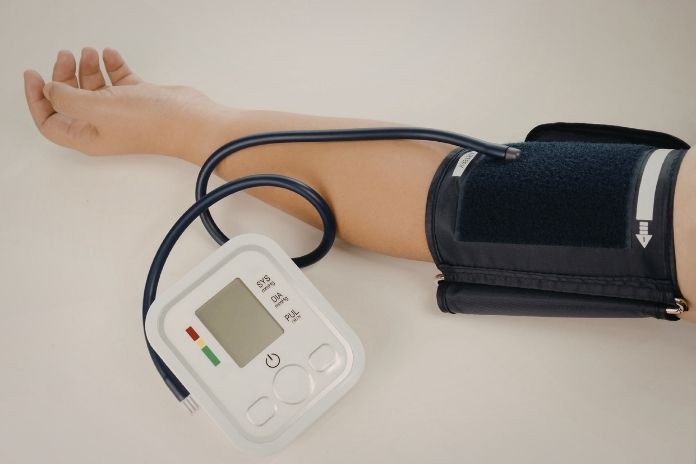
Medication is typically the first option individuals consider when they want to lower their blood pressure. Prescription medications are important and frequently save lives, but they are only one aspect of the situation. Your daily diet subtly affects your salt balance, blood vessel health, and even the suppleness of your arteries.
Dietary fiber is one of the most effective nutrients in this process. Fiber is much more than just a digestive aid. It maintains good gut flora, lowers cholesterol, and helps the body maintain a balanced sodium and fluid balance, all of which are closely related to blood pressure regulation.
This article will describe the relationship between fiber, salt, and vascular health, how fiber affects blood pressure, and the research underlying its heart-protective benefits.
Read More: Health Benefits of Black Rice: The Antioxidant-Rich Superfood You Should Know About
How Fiber Helps Lower Blood Pressure
The Science Behind Fiber and Heart Health
In plants, fiber is a type of carbohydrate. Dietary fiber comes in two varieties: soluble and insoluble. Water dissolves soluble fiber. Fruits, vegetables, legumes, and grains like psyllium and barley all contain it.
Fiber helps lower blood glucose and cholesterol levels. Since insoluble fiber doesn’t dissolve in water, it helps maintain regularity and bulk up stools. Vegetables, beans, nuts, and whole grains provide insoluble fiber.
Men up to the age of 50 should consume 38 gms of fiber per day, while women in the same age range should consume 25 grams. Thirty grams should be consumed daily by men over fifty, and twenty-one grams by women over fifty. With an average daily intake of only 16 grams, most Americans do not meet the minimum daily fiber requirement.
“Superfoods help promote health by increasing your immune function and decreasing your chance of disease prevention or progression,” says registered dietitian Beth Czerwony, RD.
Blood Pressure, Sodium, and the Fiber Connection
Most people don’t realize that fiber does more than aid digestion; it also supports blood vessel health and helps keep your salt levels in check. If you eat a lot of processed foods, you’re probably getting too much sodium, which makes your body hold onto water and pushes up your blood pressure.
But when you eat more fiber, you usually get less sodium and more potassium, magnesium, and other minerals that help balance things out.
Additionally, fiber promotes a balanced intestinal flora. Beneficial gut bacteria ferment certain fibers and create short-chain fatty acids. These substances support the body’s natural pressure-regulating systems, enhance the suppleness of blood vessels, and reduce inflammation.
10 Fiber Superfoods That Support Healthy Blood Pressure
1. Oats — The Beta-Glucan Powerhouse
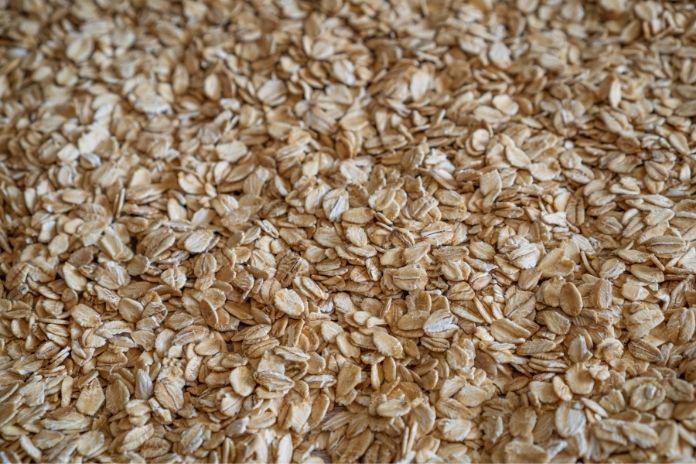
Not only does your oatmeal in the morning keep you full, but it also silently guards your heart. Soluble fiber, abundant in oats, gradually lowers blood pressure and cholesterol levels. Fiber helps maintain stable blood sugar levels by slowing down digestion. For general heart health, both are crucial.
Just make sure you’re eating old-fashioned or rolled oats, as they break down more slowly and have a lower glycemic (sugar) effect than fast oats. To provide extra nutrition, try adding fruit on top.
2. Kidney Beans — The Dual Fiber and Potassium Combo
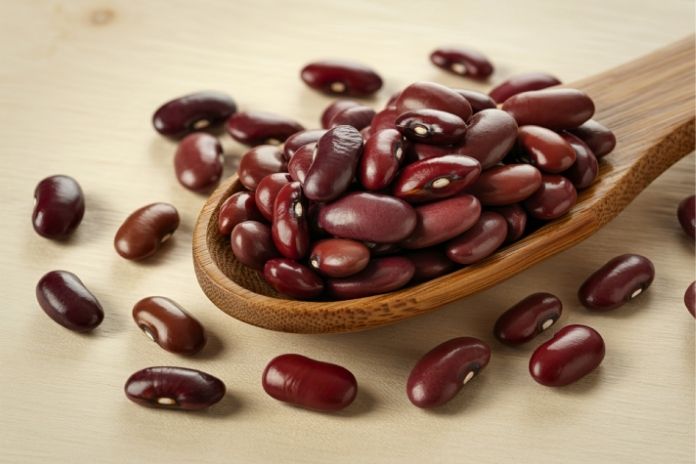
Red kidney beans are a great source of fiber, plant-based protein, and essential vitamins, including potassium, iron, and folate. Do you want to maintain optimal heart health? Red kidney beans contain fiber, which lowers LDL (bad) cholesterol, and potassium and magnesium help control blood pressure.
Diets high in legumes reduce the risk of heart disease, making them a heart-healthy choice. In essence, kidney beans are the personal trainer of your heart.
Read More: When Supplements Backfire: Risks of Overdoing Vitamins and Superfoods
3. Chia Seeds — Tiny Seeds with Major Benefits
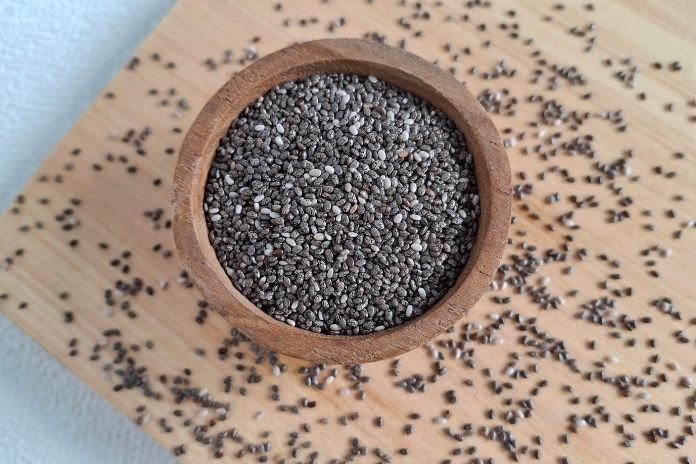
Chia seeds might look tiny, but they’re packed with nutrients and have made a real splash in the health world. They’re not just another trendy food; they actually add a lot to your diet. One of the best things about chia seeds is their omega-3 fatty acids.
These healthy fats support your heart, lower blood pressure, fight inflammation, and help keep cholesterol in check. That means they really do make a difference in protecting your heart.
4. Berries — Sweet, Fiber-Packed Antioxidants
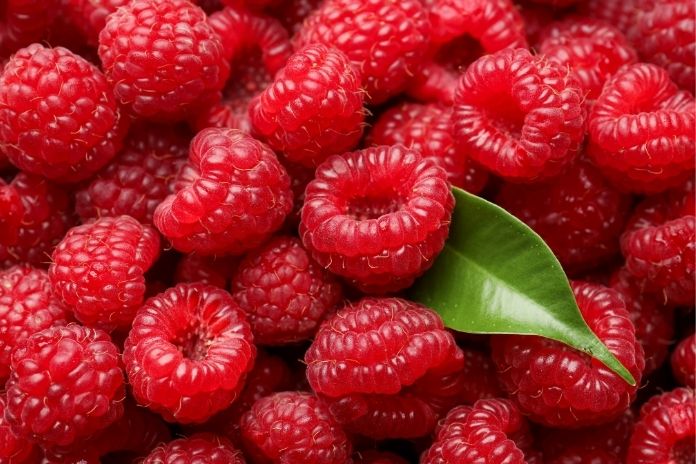
Both strawberries and blueberries contain significant amounts of anthocyanins, naturally occurring antioxidants. Research has established a connection between anthocyanins and a decrease in blood pressure in individuals who suffer from hypertension.
In further good news, berries are a delectable treat! You might sprinkle them on top of your yogurt, cereal, or oatmeal, or you could devour them as a delicious afternoon snack.
5. Avocados — Fiber Meets Healthy Fats
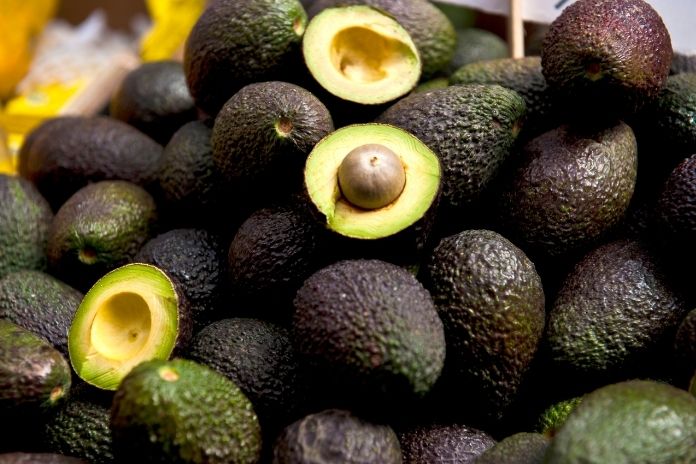
Despite its high fat content, avocado fat is monounsaturated and heart-healthy. Avocados are also high in heart-healthy elements like fiber, potassium, and magnesium. Avocado oil has a high smoke point and a neutral taste, making it suitable for pan-searing dishes. Avocados are also sodium-free, which is advantageous for people with high blood pressure.
A 2022 study of over 40,000 men and nearly 70,000 women, all free of coronary heart disease, was published in the Journal of the American Heart Association. The study found that eating more avocados was associated with a lower risk of heart disease.
6. Apples — Everyday Prebiotic Support
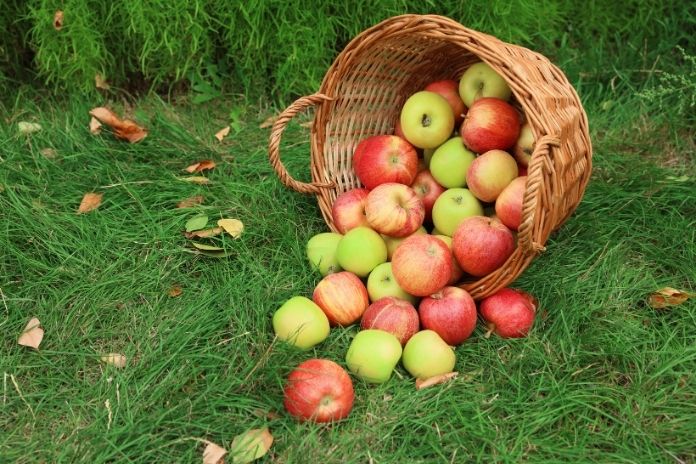
Although the phrase “an apple a day helps to lower blood pressure naturally” may not have the same ring, it is just as significant in reality.
Even though your blood pressure is within the normal range, the antioxidants in this delicious treat can help prevent future problems.
7. Nuts — Crunchy Support for Artery Health
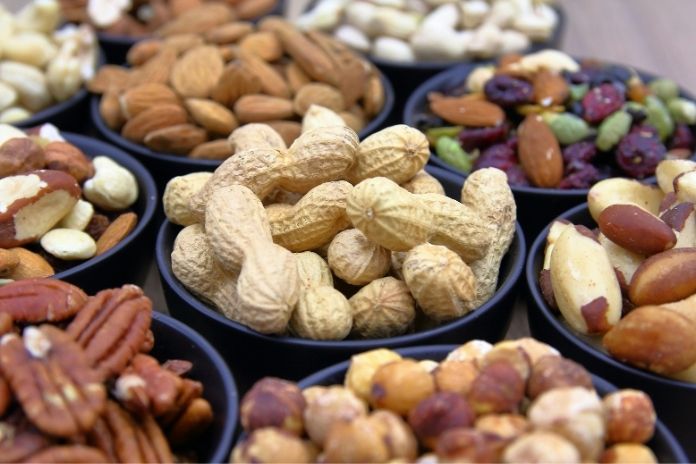
In addition to magnesium and heart-healthy fats, flaxseeds, walnuts, and almonds are also good sources of fiber. Magnesium relaxes the blood vessels in your body.
Consuming a small handful of nuts daily is an excellent choice. Use nuts as a topping for yogurt, incorporate them into a salad, or take a handful as an afternoon snack.
Read More: Spirulina vs. Chlorella – Which Superfood Is Better for You?
8. Cruciferous Vegetables — Natural Blood Pressure Regulators
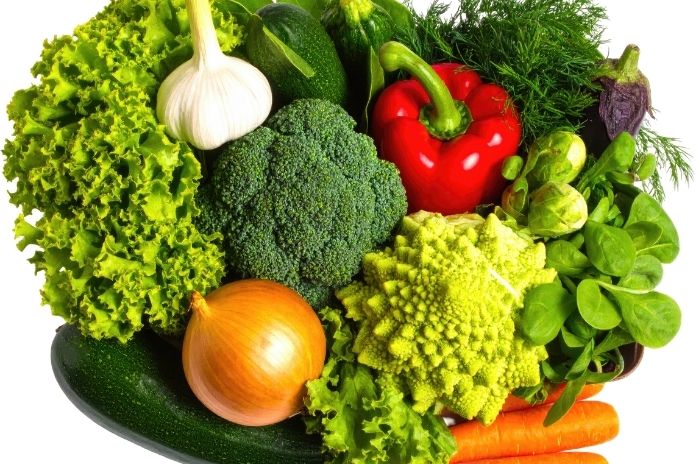
Greens such as cabbage, collard greens, spinach, and kale, along with other greens, contain a high concentration of nitrates, which have been discovered to have beneficial effects on blood pressure.
Eating greens in a variety of ways makes it easier to get the recommended amount each day. As an illustration, you may prepare a delicious side dish by sautéing spinach, add fennel to your soup, or bake a batch of kale chips in the oven.
9. Quinoa — Whole-Grain Support for Sodium Balance
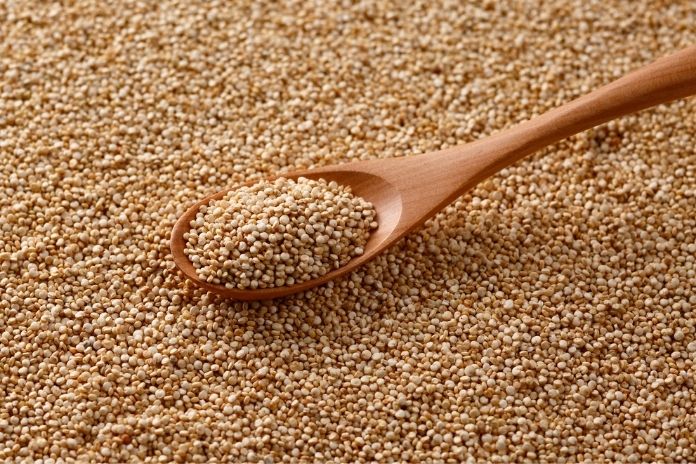
For good reason, quinoa has been a staple food for thousands of years. These little grains are among the most powerful superfoods since they are nutrient-dense. Quinoa deserves a permanent place on your plate if you’re looking for a quick, easy meal with significant health benefits.
The special combination of fiber, protein, and antioxidants found in quinoa is important for controlling cholesterol levels. Quinoa and other high-fiber foods bind to harmful cholesterol in the small intestine, preventing it from being absorbed into the bloodstream. It translates into more sustained cardiac protection and fewer “crash out” energy spikes.
10. Lentils — High-Fiber, Heart-Healthy Protein
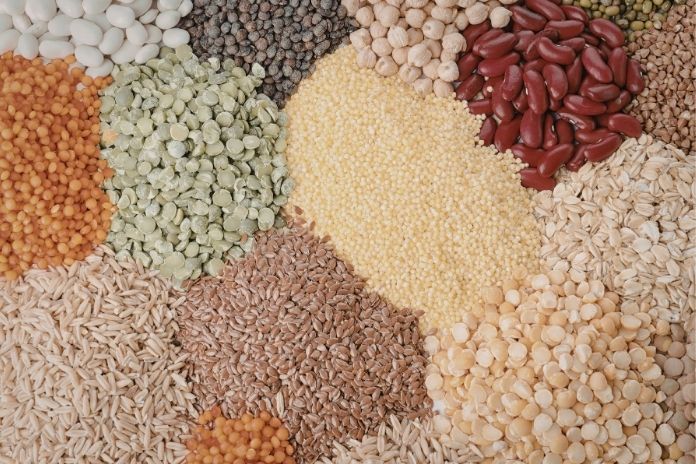
Lentils and beans are excellent sources of fiber, potassium, and magnesium, all of which help regulate blood pressure. Consuming these beans is an effective way to lower high blood pressure, according to studies.
Particularly, consuming beans and lentils rather than other foods will result in a considerable reduction in both systolic and diastolic blood pressure in individuals with high blood pressure and in those without it.
Read More: The Benefits of Eating Fermented Rice (A Forgotten Superfood)
How to Add More Fiber Without Disrupting Your Routine
Consuming too much of one type of food can prevent you from having a healthy, balanced diet, so it’s critical to get your fiber from a range of sources.
You could do the following to boost your consumption of fiber:
- Since oats are also a rich source of fiber, choose a higher-fiber breakfast cereal like porridge, plain whole-wheat crackers, or plain shredded whole grain.
- Select whole grains such as brown rice, bulgur wheat, or whole-wheat pasta, and opt for wholemeal or granary breads, or white bread with more fiber.
- Choose skin-on potatoes, such as baked or boiled fresh potatoes.
- Add pulses to salads, curries, and stews, such as beans, lentils, or chickpeas.
- Serve a lot of veggies with your meals, either as a side dish or as an ingredient in stews, curries, or sauces.
When to Talk to Your Doctor
Even though foods high in fiber are usually safe and healthy, it’s crucial to speak with your doctor if you:
- Take medicine for high blood pressure.
- Have electrolyte abnormalities or kidney illness.
- After making dietary changes, observe notable changes in blood pressure.
Your doctor will help you make dietary changes that do not interfere with how your drugs work.
Read More: Purple Vegetables – Are They the Ultimate Anti-Aging Superfoods?
Conclusion
It’s not always necessary to make significant adjustments to lower blood pressure. The simplest actions, like adding more fiber-rich foods to your regular meals, are often the most successful.
In the background, foods such as oats, lentils, beans, fruits, vegetables, nuts, and seeds promote more flexible blood vessels, improved sodium balance, and lower cholesterol. These minor dietary changes can significantly enhance your heart health over time. Consistency, not perfection, is the key.
References
- Hartford HealthCare. (January 16, 2026). 10 Foods That Can Help With Hypertension.
- National Council on Aging. (2024, February 13). 10 foods that help lower blood pressure naturally.
- Northwestern Medicine. (2025, January). Foods that can lower your blood pressure naturally.
- ER of Texas. (2023, August 11). 9 best (and worst) foods for high blood pressure.
- Inspira Health Network. (2023, February 28). 10 heart-healthy foods that can help lower your risk of cardiovascular disease.
- Scripps Affiliated Medical Groups. Health benefits of chia seeds.
- A&D Medical. 10 foods that lower blood pressure.
- Gannascoli, S. (2025, August 28). 5 reasons quinoa deserves a spot on your plate
- Advanced Cardiovascular Specialists. (2021, October 19). The impact of fiber on heart health.
- NHS. (2022, July 13). How to get more fibre into your diet.
In this Article