














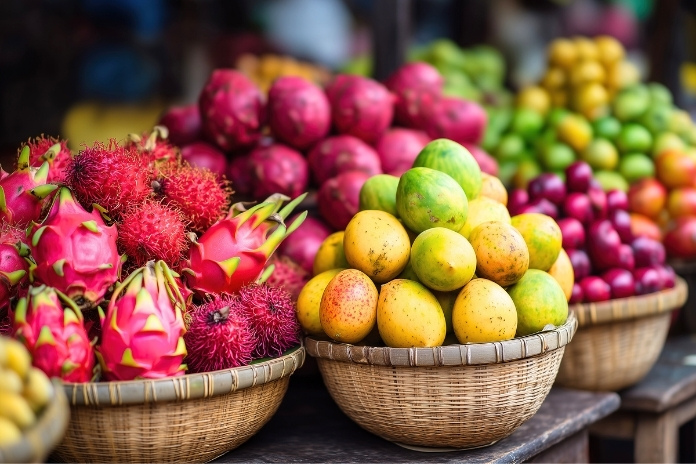
Numerous factors, including genetics, environment, stress, tobacco use, and diet, influence your aging process. You can increase your longevity by focusing on the meals and beverages you consume, even though some factors are beyond your control.
Although many foods, such as nuts, oils, herbs, and spices, can help with aging, we want to focus on fruits because studies show they can slow the aging process and increase life expectancy.
Although people have long linked fruits to good health, you should maintain reasonable expectations. A fruit-rich diet lowers blood pressure; reduces the risk of any heart disease and stroke; lowers the risk of eye and any digestive issues; and improves blood sugar control, which helps control appetite.
The fruits that are most frequently associated with longer lifespans, the nutrients that make them advantageous, and easy ways to incorporate them into your daily diet will all be covered in this article.
Read More: Are Hybrid Fruits Healthier? What You Need to Know About Crossbred Produce
How Fruits Support Longevity
The potent combination of antioxidants, polyphenols, vitamins, minerals, and dietary fiber found in fruits promotes longevity. Clinical and nutritional studies show that the critical micronutrients in fruit support many systems involved in healthy aging.
- It packs plenty of vitamins and minerals that help fill nutritional gaps linked to immune problems, inflammation, and even mitochondrial issues.
- Fruits bring in key antioxidants, such as polyphenols, vitamin C, and also vitamin E. These help fight the oxidative stress and protect your cells from free-radical damage.
- Enhances immune defense by using minerals such as zinc and vitamins A, C, and D, which have been demonstrated to increase T-cell and NK cell activity in older adults.
- The blend of B vitamins and antioxidants may support memory and mental clarity with aging by helping reduce oxidative stress and neuroinflammation in the brain.
- Another important factor that links fruits to longer life is fiber. Both soluble and insoluble fibers promote digestive health, decrease cholesterol, and control blood sugar.
- Fiber supports a healthy gut flora, which improves metabolism, boosts immunity, and lowers the risk of chronic diseases.
What Makes a Fruit “Good for Longevity”
Not all fruits are created equal; some pack a bigger punch for long-term health. Sure, fruit gives you those vitamins, minerals, and fiber your body needs to stay in shape, but there’s more to it. You get potassium, vitamin C, folate, and fiber, all wrapped up in something that’s naturally low in fat and sodium.
Eating plenty of fruit does more than taste good; it actually lowers your risk of diabetes, heart disease, and stroke. Aim for about one to two cups a day, depending on how many calories you need, and you’re on the right track.
You should also consider the difference between whole and juiced fruit. While fruit drinks often lack fiber and may cause faster blood sugar rises, whole fruits contain fiber that delays sugar absorption and promotes fullness. Whole fruits are typically a superior option for long-term health advantages.
“Fruit is packed with vitamins, minerals, fiber, and antioxidants, and it comes in its own convenient package,” says Ulysses Wu, MD, with Hartford HealthCare. “The key is eating a variety — and choosing the right fruits for your health goals.”
Fruits Linked to Longer, Healthier Lives (Evidence-Based)
Everyone ages with time, but what you eat really shapes how you age and how long you stay healthy. Eating fruit regularly does more than keep you feeling good; it actually helps lower your risk of disease and supports a longer, healthier life. Some fruits stand out for their powerful anti-aging benefits and their ability to help you stay sharp and energetic as the years go by.
Berries (Blueberries, Strawberries, and Blackberries)
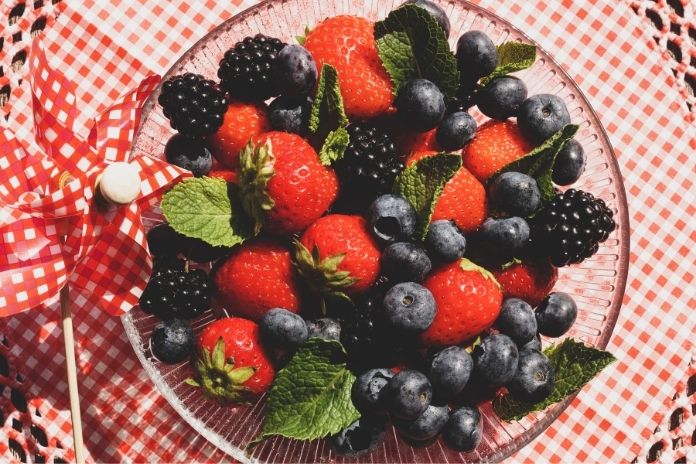
Berries like strawberries, blueberries, and cranberries support longevity. They are rich in antioxidants that protect cells, such as polyphenols like anthocyanins. Berries are comparatively low in sugar and high in fiber per calorie, making them among the foods highest in polyphenols.
Regular consumption of berries can reduce the risk of major chronic diseases, like heart disease, which is the leading cause of mortality in the United States, according to studies. Flavonoids, which are substances found in berries, also have brain-protective qualities. Try adding more berries to your diet by garnishing chia pudding, yogurt, and oatmeal.
Apples
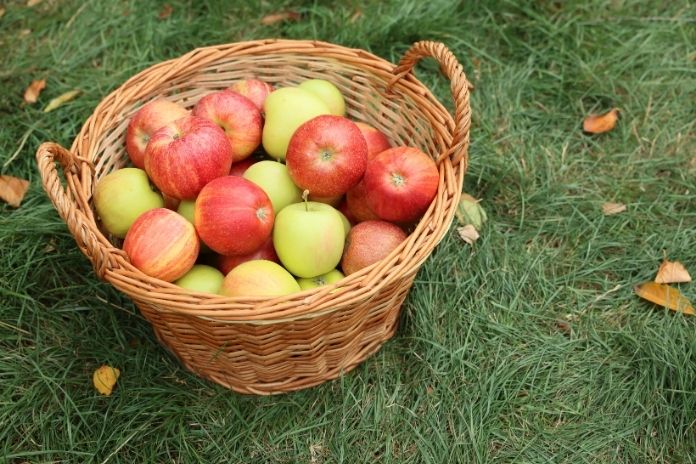
Apples promote heart and intestinal health and are a convenient, high-fiber fruit. Apples improve and strengthen your immune system, lower the chances of obesity, cancer, and diabetes, and decongest your liver and digestive tract.
They also lower LDL (or “bad”) cholesterol. Apples help with acute and cellular thirst because they contain 85% water. Apple antioxidants can help shield your DNA from oxidation and defend your body against cancer cells.
Apples are a very good source of soluble fiber, which usually promotes the growth of beneficial gut flora and helps maintain healthy cholesterol levels. Additionally, they supply vitamin C and polyphenols, potent antioxidants that help protect against cellular damage that could otherwise lead to illness and premature aging.
Read More: Fruit Juice Or Whole Fruits? Difference and Advantages!
Citrus Fruits (Oranges, Grapefruit, Lemons)
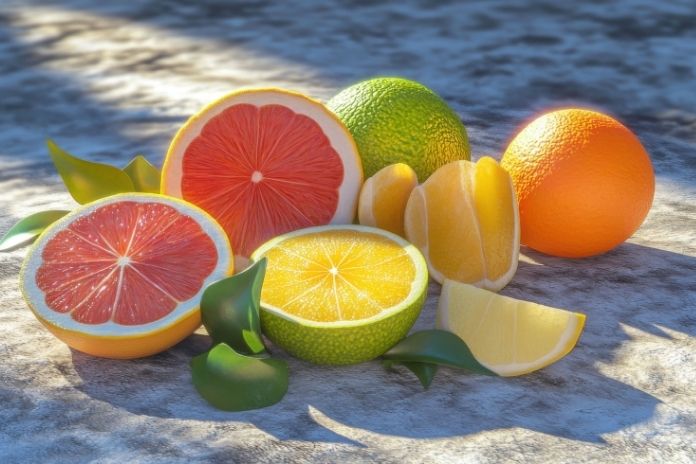
Vitamin C, abundant in citrus fruits, is known to boost immunity and protect cells from oxidative damage. Oranges contain vitamin C, which helps stimulate collagen production, strengthening the skin and helping preserve the body’s appearance. Oranges provide potassium that lowers blood pressure and supports heart health.
Citrus fruits, in addition to their high vitamin C content, contain plant chemicals such as hesperidin that support blood glucose management and cardiovascular health. Hesperidin’s strong cellular-protective qualities, as per studies, have also been linked to delayed aging.
Pomegranates
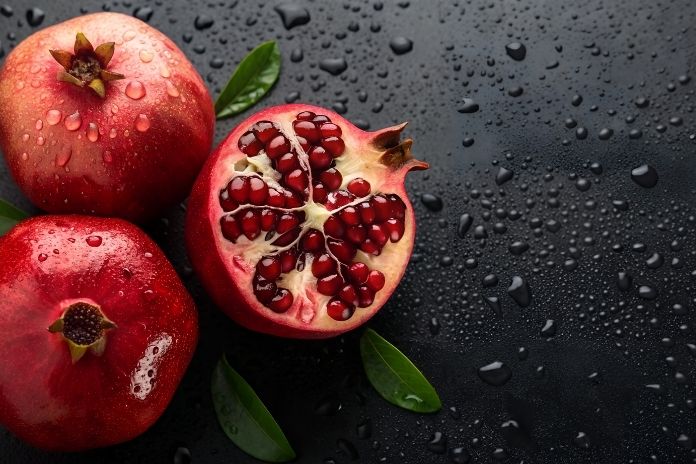
Pomegranates pack powerful polyphenols that fight inflammation and oxidative stress. Drinking pomegranate juice improves how your blood vessels work, lowers blood pressure, and cuts down on inflammation—key factors for staying healthy as you age.
The seeds also provide fiber and vitamin C, both of which are important for your gut and immune system. Try tossing pomegranate seeds into oatmeal or in a chia pudding, or sprinkle them on a salad.
Avocados
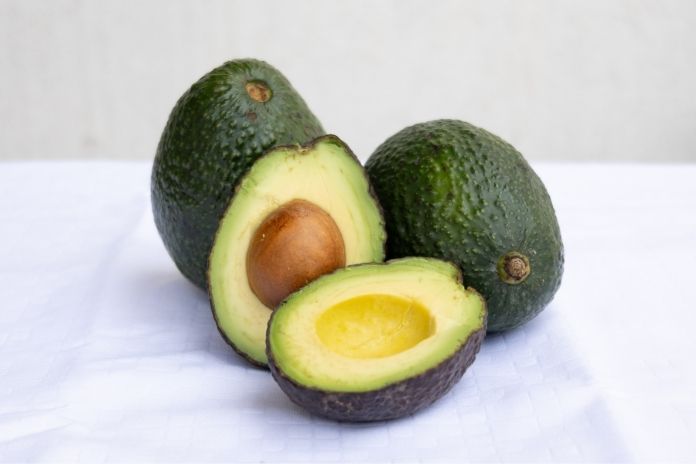
Avocados are powerful superfoods linked to myriad health benefits, many of which can specifically support healthy aging and longevity.
Avocados, for example, are high in fiber, which can enhance gut health and lower the risk of heart disease. Avocados can also lower chronic inflammation and LDL cholesterol, the “bad” variety, which can directly lower the risk of heart disease, according to research.
Finally, because of their high vitamin and antioxidant content, avocados may help reduce the risk of neurological illnesses like dementia, Alzheimer’s, and Parkinson’s.
Grapes
Your gut microbiota, basically, the community of microbes living in your digestive system, does a lot more than you’d think. It can even affect how your brain and other key organs work, playing a big role in your overall health.
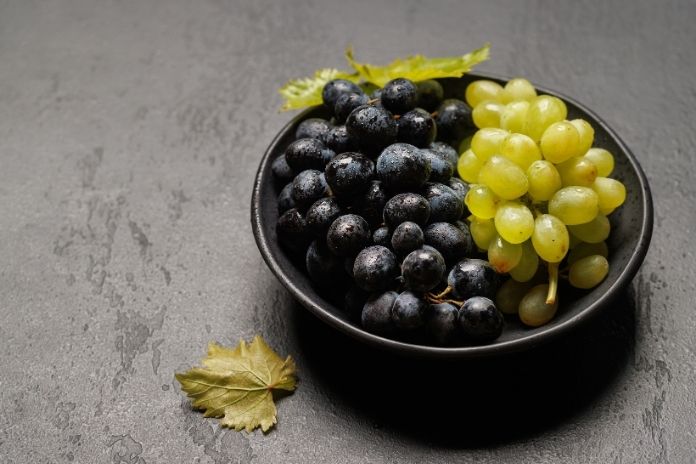
Now, here’s something interesting: a recent study from Western New England University found that eating grapes regularly gives your muscles a real boost, no matter your gender.
The study further reported that a grape-rich diet alters the function of certain genes in your muscles. So, grabbing a bunch of grapes isn’t just a tasty snack; it’s doing some real work behind the scenes. It could provide a novel nutritional approach to preserving muscle mass and function.
Eating grapes regularly improves vascular health and lowers cholesterol levels. Note that whole grapes, not wine, are linked to the majority of longevity benefits. While wine contains alcohol, whole grapes offer fiber and a well-balanced nutritional composition.
Fruits That Support Longevity Through Gut Health
The trillions of bacteria living in your gut do more than help with digestion. They shape your immune system, affect your energy, show up in your skin’s appearance, and even play a role in weight loss.
Fruit is one of the best things you can eat for your gut. Besides tasting great, fruit is packed with fiber and plant compounds, which brings real health benefits that support a healthy microbiome, and gut health is crucial for longevity and general well-being.
Fiber-rich fruits such as oranges, bananas, berries, pears, and apples provide both soluble and insoluble fiber. As prebiotics, these fibers nourish and support the growth of good gut flora.
High levels of water, electrolytes, and plant components that control gastrointestinal function are found naturally in several fruits. Additionally, there is a clear correlation between aging, inflammation, and intestinal health. Increased inflammation throughout the body may result from an imbalance in the gut microbiota.
Read More: Lack Of Fruits And Vegetables In The Diet Can Impose Risks Of Heart Health
How Much Fruit Is Associated With Longevity Benefits
The greatest longevity benefits are associated with consistent fruit consumption. According to a study, one of the best strategies to increase your longevity is to eat a well-balanced diet rich in fruits.
To ensure that you’re getting the proper quantity of nutrients to sustain general health, it might be challenging to determine how much fruit to consume.
For instance, protein is essential for maintaining muscle mass and function, particularly when muscle mass declines with age, and fiber helps prevent chronic disease.
Additionally, antioxidants and other micronutrients can help shield your cells against deterioration that can lead to cancer and other diseases, the risk of which rises with age. And those are only a handful of the nutrients you ought to aim for daily.
The good news is that you can get many of the vitamins and minerals your body needs by eating fruits. However, how much fruit is actually necessary for aging well?
Researchers from Harvard T. H. Chan School of Public Health have shown that eating 2 portions of fruit and 3 servings of veggies per day is the ideal combination for longevity.
Whole Fruits vs Fruit Juice

Although drinking only fruit juice might seem like a healthy choice, it is very different from eating actual, complete, fresh fruit.
According to recent studies, consuming a single glass of 100% fruit juice daily can lead to weight gain of over half a pound over three years. However, over three years, consuming one serving of whole fruit daily led to a weight loss of roughly 1 pound.
Why is it healthier to consume whole fruit rather than juice?
Fruit juice contains extremely little fiber; in fact, orange juice pulp contains virtually no nutrition. Juice can raise blood sugar levels and stimulate appetite because of its high sugar and low fiber content. Weight gain may result from this combo over time.
On the other hand, fresh, whole fruit is high in fiber. Fruits high in fiber can help you feel full on fewer calories. In addition to lowering cholesterol, dietary fiber from fruits may also lessen the risk of heart disease.
Fruits and Healthy Aging vs Weight or Blood Sugar Concerns
People often get the wrong idea of fruit when they’re thinking about their blood sugar or trying to manage their weight. A lot of people believe that the sugar in fruit is something to avoid, especially if they’re worried about gaining weight or dealing with diabetes. But here’s the thing: whole fruits come loaded with fiber, water, vitamins, and antioxidants.
All of that slows down how your body absorbs sugar and actually supports your health. Unlike the added sugars you find in processed foods, the natural sugars in fruit bring real nutrition to the table. Eat fruit in moderation, and it’s good for you, not something to fear.
However, portion control is crucial, especially for those who have diabetes or insulin resistance. Controlling portion sizes and distributing fruit consumption throughout the day is more beneficial than cutting out fruit entirely from the diet.
Read More: Fruits For Weight Loss: 18 Fruits That Shed Off Unwanted Fats
How to Eat Fruits for Long-Term Health
Fruits can be incorporated into meals and snacks all day long in the following ways:
- Add dried unsweetened cranberries, raisins, or sliced bananas to whole-grain cereal.
- Add fruits, like berries, sliced cherries, or pineapple, to plain fat-free or low-fat yogurt or fat-free or low-fat cottage cheese.
- Serve oatmeal with fruits, like sliced apples, pears, or peaches.
- Consume entire fruits. However, if you consume fruit juice, make sure it is labeled 100% and limit your serving to ½ cup.
- Make snack packs with dry-roasted nuts like pecans, almonds, and walnuts, and dried fruit like dates, raisins, or unsweetened apricots.
- When you’re on the go, keep fruit that you can grab on the fly, including bananas, oranges, cherries, and grapes.
What Fruits Alone Can’t Do
Fruits aren’t a cure-all, but they’re still an important part of a healthy diet. You can’t just eat fruit and skip exercise, decent sleep, managing stress, or seeing your doctor; diet and physical exercise are both equally essential for good health.
Sure, fruit gives you nutrients and can help your heart, but it won’t replace working out or the medication you might need for medical issues such as diabetes, high blood pressure, or heart disease. Even though fruit provides antioxidants, it can’t undo the damage that smoking, heavy drinking, or constantly eating junk food causes.
The best way to understand longevity is as the outcome of a long-term lifestyle pattern rather than a particular diet or a short list of “superfoods.”
Read More: The Best and Worst Fruits For Diabetics
Conclusion
Fruits do a lot for your health, but it’s really about sticking with it, mixing things up, and keeping good balance. Eating a variety of fruits regularly actually lowers your risk of any kind of heart disease, diabetes, inflammation, and even cognitive decline. Still, there’s no magic fruit that guarantees a longer life.
What really helps is the steady mix of any fiber, vitamins, antioxidants, and polyphenols you get from fruit. Over time, these nutrients support your gut, protect your cells, and also keep your metabolism running smoothly.
References
- Boesch, S. (2024, April 15). 10 best fruits & vegetables to eat for longevity.
- Harvard T.H. Chan School of Public Health. Vegetables and fruits.
- Blue Zones. How many servings of fruits and vegetables add years to your life?
- NOVOS Labs. Fruits and vegetables benefits for anti-aging and longevity.
- American College of Lifestyle Medicine. (2023, March 31). The benefits of plant-based nutrition: Longevity and quality of life.
- MidState Medical Center. (2025, July 14). The 8 best fruits for your health.
- University of California, Santa Barbara Health & Wellness. (n.d.). Why the fruit?
- Meeta Agarwal, M.A. (June 20, 2022). Superfoods That Make You Live Longer.
- News-Medical. (2025, February 20). Long-term grape consumption shown to improve muscle health in both men and women.
- Northlake Gastroenterology Associates. Seasonal fruits and vegetables for gut health with the best summer produce for digestion.
- Harvard T.H. Chan School of Public Health. (2021, March 15). The right “5-a-day” mix of fruits and vegetables can boost longevity.
- TODAY. (June 9, 2025). How Much Fruit Should You Eat Every Day to Promote Healthy Aging? Dietitian Explains.
- HealthXchange. Fruit juice vs whole fruits: Which is healthier?
- Stanford Medicine Children’s Health. Fruit vs. fruit juice: What’s the difference?
- American Heart Association. (2023, October 26). How to eat more fruits and vegetables.
In this Article