












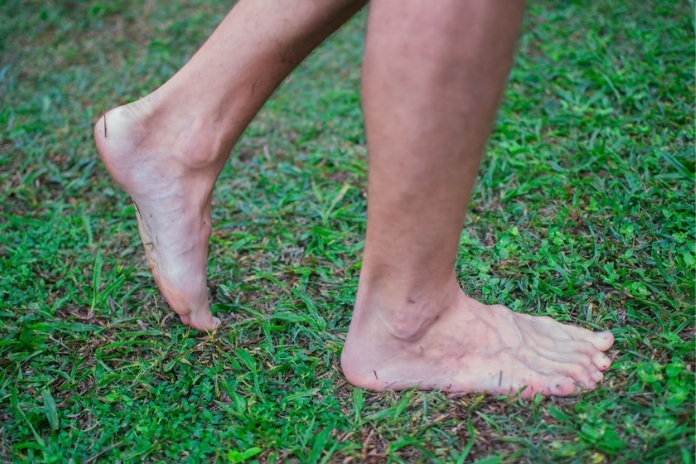
Walking barefoot may strengthen the small intrinsic muscles of the feet, improve balance and kil proprioception, and encourage more natural gait mechanics. Research also suggests that walking without heavily cushioned shoes can reduce impact loading patterns associated with some knee and back discomfort.
A growing body of “earthing” or grounding research explores whether direct skin contact with natural ground surfaces has anti-inflammatory effects, although the evidence for these claims remains limited and preliminary compared to the well-established biomechanical benefits of barefoot movement.
The benefits of walking barefoot have attracted growing scientific interest in recent years. Some barefoot walking health benefits are strongly supported by biomechanics research, particularly around foot strength and balance. At the same time, wellness culture has attached several exaggerated claims to “earthing” or grounding practices. Understanding where the evidence is strong.
- Walking barefoot may strengthen foot muscles, improve balance and proprioception, and encourage more natural movement patterns.
- Research on “earthing” or grounding suggests potential anti-inflammatory and recovery benefits, but the current evidence remains limited and insufficient to support many popular wellness claims.
- Walking barefoot can be beneficial when done gradually on safe surfaces, but people with diabetes, plantar fasciitis, or other foot conditions should exercise caution.
Read More: Barefoot Training – Should You Ditch Shoes for Better Performance?
What Barefoot Walking Does to Foot Mechanics
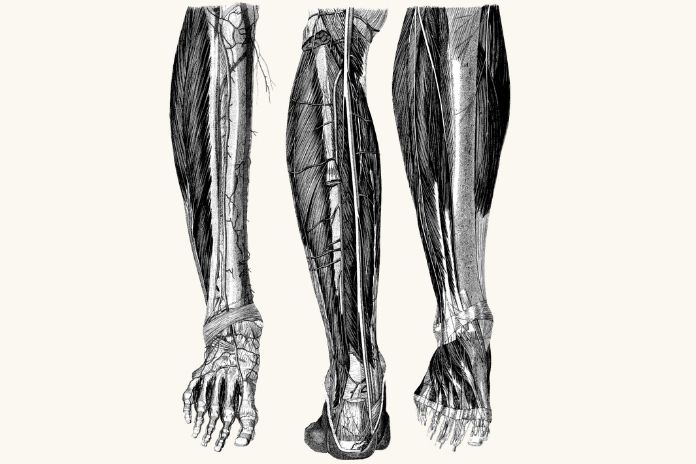
This is the area where research is the strongest. Modern shoes, especially those with thick cushioning and elevated heels, change the way the foot strikes the ground during walking and running. Cushioned shoes tend to encourage a heel-strike gait pattern, where the heel lands first and transmits impact forces upward through the knee and hip joints.
Barefoot walking and running often encourage a forefoot or midfoot strike instead. This changes the distribution of force through the lower body and may reduce collision forces during movement.
A study that habitually barefoot runners experienced significantly lower impact collision forces compared with runners wearing cushioned shoes. Researchers suggested this difference may influence injury patterns associated with repetitive impact activities.
More recent research also shows that barefoot movement activates intrinsic foot muscles more effectively than supportive footwear. A recent systematic review concluded that barefoot walking and minimalist footwear may help strengthen the muscles in the foot that are often underused when the feet remain enclosed in supportive shoes throughout the day.
In practical terms, occasional barefoot walking on safe surfaces may help restore natural foot mechanics and improve muscular engagement in the feet and ankles.
Proprioception and Balance — the Clearest Benefit
One of the clearest and most clinically relevant benefits of barefoot walking involves proprioception, the body’s awareness of position and movement.
The soles of the feet contain large numbers of mechanoreceptors, which are sensory nerve endings that detect pressure, texture, vibration, and changes in surface stability. These signals help the brain make constant postural adjustments to maintain balance.
Shoes reduce some of this sensory feedback. Walking barefoot increases direct communication between the foot and the nervous system, which is why uneven surfaces feel more noticeable without shoes.
A 2022 study found that footwear reduced foot proprioception compared with barefoot conditions. Other balance studies have similarly observed better postural stability among populations accustomed to spending more time barefoot.
This may be particularly relevant for older adults. Age-related decline in proprioception contributes to increased fall risk, and barefoot walking on safe indoor surfaces may help maintain sensory feedback and balance function over time.
The Earthing Research — What It Shows and What It Does Not
Earthing, also called grounding, refers to direct skin contact with natural surfaces such as grass, soil, sand, or stone. Supporters of earthing propose that contact with the earth allows electrons from the ground to enter the body and potentially reduce inflammation.
The most commonly cited research is a 2012 narrative review by Chevalier and colleagues, published in the Journal of Environmental and Public Health. The review examined studies suggesting that grounding may influence inflammation markers, sleep quality, stress responses, and pain perception.
A small 2015 pilot study also reported that grounded participants appeared to recover more quickly from delayed-onset muscle soreness (DOMS) following exercise than ungrounded participants.
These findings are interesting and biologically plausible enough to justify continued research. However, the current evidence base has important limitations. Most earthing studies are small, involve limited numbers of participants, or are exploratory pilot trials rather than large randomized controlled trials.
This difference matters because wellness media frequently presents grounding and earthing benefits as an established scientific fact. Claims that earthing definitively boosts immunity, cures insomnia, lowers blood viscosity, or treats chronic disease go well beyond what the current evidence supports.
The original article also included claims of improved eyesight through foot pressure points linked to the eyes’ nerves. This idea comes from reflexology, a practice that has not been supported by mainstream anatomical or clinical evidence. There is currently no reliable scientific evidence that barefoot walking improves vision by stimulating specific pressure points on the feet.
Read More: 11 Effective Tips For Diabetic Foot Care
Posture and Back Pain—a Real but Indirect Connection
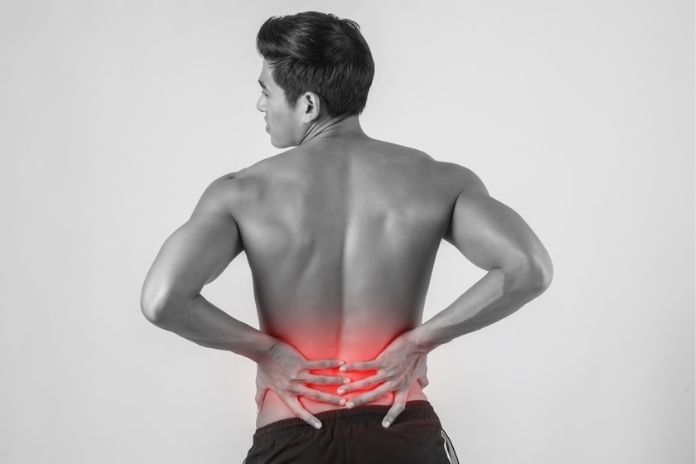
There is a legitimate biomechanical relationship between footwear, posture, and back pain, although the connection is not universal.
Shoes with elevated heels alter body alignment by shifting weight distribution and affecting lumbar curvature. Over time, these changes can influence gait mechanics and loading patterns through the lower back.
Barefoot walking allows the ankle and foot to move in a more neutral position. For some people, this may reduce compensatory movement patterns that contribute to lower back discomfort.
However, this does not mean barefoot walking automatically improves posture or eliminates pain. Individual anatomy matters significantly. People with flat feet, plantar fasciitis, heel spurs, or certain ankle conditions may actually experience worsening symptoms if they transition too quickly into barefoot walking.
Anyone with ongoing foot or back pain should consider speaking with a physiotherapist or podiatrist before making major changes to footwear habits.
The Risks — Who Should Be Cautious
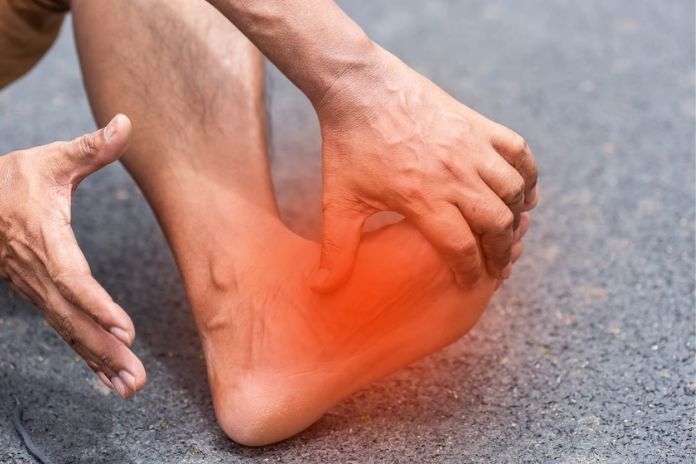
Although barefoot walking can offer benefits, it is not appropriate for everyone in every situation.
Diabetes and Peripheral Neuropathy
People with diabetes, especially those with peripheral neuropathy, should use particular caution. Reduced sensation in the feet can make it difficult to notice cuts, puncture wounds, or abrasions. Even small injuries can lead to serious infections in diabetic feet.
For this reason, outdoor barefoot walking is generally not recommended for people with diabetes unless specifically discussed with their healthcare team.
Plantar Fasciitis and Existing Foot Conditions
Suddenly transitioning from cushioned shoes to barefoot walking increases the load on the plantar fascia, Achilles tendon, and calf muscles. Individuals with plantar fasciitis, Achilles tendinopathy, or flat feet should begin very gradually and monitor for pain.
Starting with a few minutes indoors on soft surfaces is usually safer than immediately attempting long barefoot walks outdoors.
Outdoor Hazards
Outdoor barefoot walking carries additional risks, including cuts, splinters, puncture wounds, hot surfaces, and exposure to parasites such as hookworm larvae in contaminated soil in some regions.
Safe surfaces such as clean grass, sand, or smooth natural ground are generally preferable. Washing feet thoroughly after outdoor barefoot walking is also a sensible precaution.
Transition Slowly
Even healthy adults benefit from gradual adaptation. Feet that have spent years inside supportive shoes may initially lack the muscular conditioning required for extended barefoot movement.
Short daily sessions that increase gradually over several weeks are a safer approach than abrupt changes.
Read More: How to Prevent Achilles Tendonitis: Footwear, Workout Tips and Daily Habits
Where the Evidence Is Weak—Claims to Know About
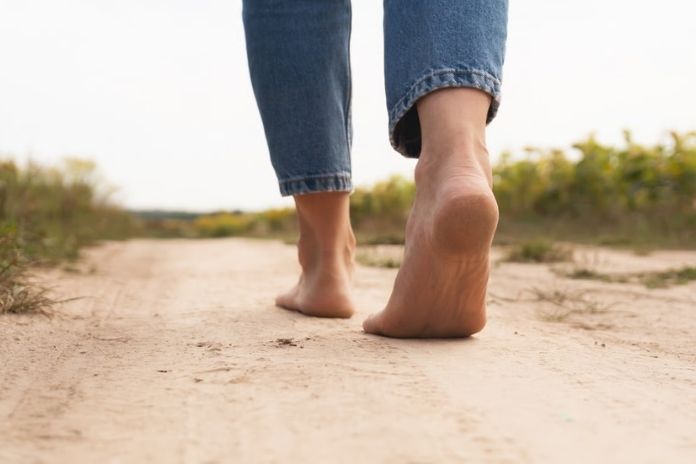
Several claims commonly associated with barefoot walking are not well supported by current clinical evidence. These include improved eyesight through reflexology, significant immune system enhancement, significant blood pressure reduction, and reliable relief of menstrual pain.
Some of these ideas are linked to reflexology theories or early-stage earthing research, but they have not been established in large controlled clinical trials. Presenting them as proven health benefits overstates the science and can undermine trust in the genuine biomechanical and sensory benefits that barefoot walking does appear to offer.
Conclusion
Barefoot walking has several genuine, evidence-based benefits, particularly for foot mechanics, balance, and proprioception. Emerging research on earthing also suggests possible anti-inflammatory effects, although the evidence remains limited and far less conclusive than many wellness claims suggest.
Claims that barefoot walking improves eyesight, cures insomnia, or dramatically boosts immunity are not supported by strong clinical evidence. For most healthy adults, walking barefoot for 15 to 30 minutes daily on safe surfaces can be a simple, low-risk habit that supports natural movement and foot function.
FAQs
Q. Is it good to walk barefoot every day?
For most healthy adults, walking barefoot indoors or on safe natural surfaces daily may help strengthen foot muscles, improve balance, and support natural gait mechanics. The transition should be gradual. People with diabetes, plantar fasciitis, or other foot conditions should speak with a healthcare provider before increasing barefoot walking, especially outdoors.
Q. Does walking barefoot improve posture and back pain?
There is a real biomechanical connection between footwear, gait, and posture. Barefoot walking encourages more natural foot strike mechanics and may reduce compensatory loading patterns that contribute to lower back discomfort in some people.
Q. What is earthing, and does it actually work?
Earthing refers to direct skin contact with natural ground surfaces such as grass or soil. Some small studies and narrative reviews suggest grounding may influence inflammation, stress responses, and pain perception. However, the research base remains limited and preliminary.
References
- Gotham Footcare. (n.d.). The impact of walking barefoot: Benefits and risks. Gotham Footcare.
- National Geographic. (2023, June 21). Why walking barefoot can actually help your feet.
- Chevalier, G., Sinatra, S. T., Oschman, J. L., Sokal, K., & Sokal, P. (2012). Earthing: Health implications of reconnecting the human body to the Earth’s surface electrons. Journal of Environmental and Public Health, 2012, 291541.
- Mullen, S., Morrison, S., & Friesen, A. (2024). Barefoot walking and foot biomechanics: Current evidence and clinical implications. Journal of Foot and Ankle Research, 17(1).
- Lieberman, D. E., Venkadesan, M., Werbel, W. A., Daoud, A. I., D’Andrea, S., Davis, I. S., Mang’Eni, R. O., & Pitsiladis, Y. (2010). Foot strike patterns and collision forces in habitually barefoot versus shod runners. Nature, 463(7280), 531–535.
- Forest Healing. (n.d.). The benefits of grounding. Forest Healing.
- Chevalier, G., Sinatra, S. T., Oschman, J. L., Sokal, K., & Sokal, P. (2012). Earthing: Health implications of reconnecting the human body to the Earth’s surface electrons. Journal of Environmental and Public Health, 2012, 291541.
In this Article