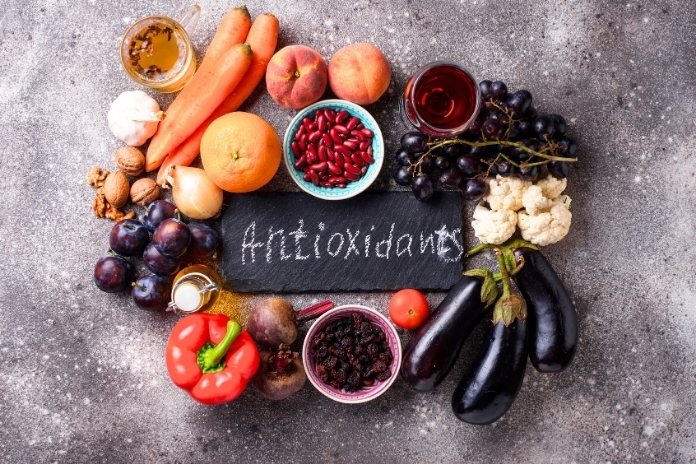















We have been hearing a lot about free radicals lately. Do we know what these are? Are they good or bad for our health? Well, free radicals have become infamous for their ability to destroy cells, speed up aging, and cause deadly diseases such as cancer, heart disease, and neurodegenerative disease. But what are free radicals, why are they dangerous, and most importantly, how can you defend yourself from them?
This article provides a science-based outlook on free radicals, such as what they are, where they originate, and 13 proven ways to reduce their damage with easy and effective food and lifestyle changes.
Read More: 8 Everyday Toxins That Can Disrupt Your Menstrual Cycle (And How to Avoid Them)
What Are Free Radicals in the Body?
To understand free radicals, we have to go back to some fundamental chemistry. Atoms are encircled by electrons that are in shells. For an atom to be stable, its outermost shell needs to be filled by electrons. When atoms lack electrons in the outer shell, they become unstable and are referred to as free radicals.
These unstable molecules look for other electrons in your body, typically stealing them from healthy cells, causing cell damage. This reaction is what’s referred to as oxidation.
Why Are Free Radicals Bad?
Free radicals aren’t harmful, though, only when there are high amounts. Your body creates them during regular metabolic functions, and they can even assist in the fight against infections. But when free radical amounts get too high for the body to combat, it causes oxidative stress.
Chronic oxidative stress has been linked with:
- Cancer
- Type 2 diabetes
- Alzheimer’s and Parkinson’s disease
- Rheumatoid arthritis
- Cardiovascular disease
Types of Free Radicals
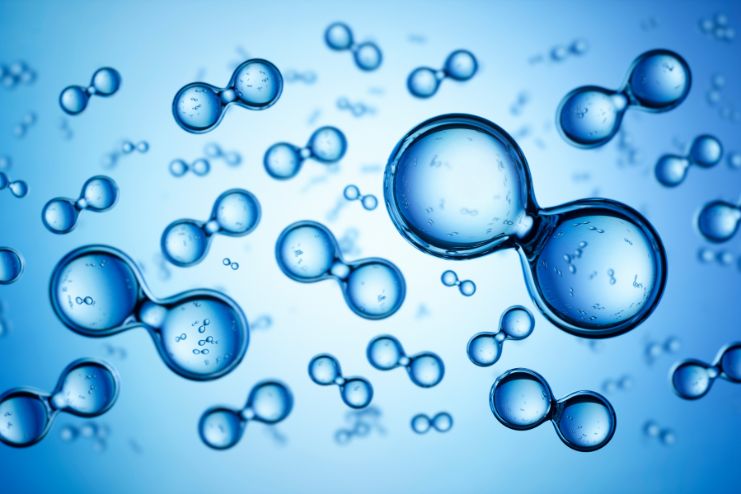
The body produces a number of different types of free radicals during metabolic processes. These include:
- Superoxide ion (O2•–)
- Hydroxyl radical (OH•)
- Peroxyl radical (ROO•)
- Hydrogen peroxide (H2O2)
- Singlet oxygen (1O2)
- Ozone (O3)
- Hypochlorous acid (HOCl)
- Nitric oxide (NO•)
What Causes Free Radicals?

Free radicals are created as a natural byproduct of metabolism, but several external and lifestyle factors can significantly increase their growth. These external factors include:
- Smoking
- Consumption of too much alcohol
- Exposure to pollutants or toxic substances
- Excessively consuming fried and processed foods
- Exposure to excessive UV radiation
- Chronic stress
When these overwhelm your antioxidant defenses, oxidative stress takes hold, causing tissue damage and raising the risk of disease.
13 Tested Methods of Reducing Free Radicals in the Body
1. Avoid Refined Carbs

Refined carbs such as white rice, white bread, baked goods, and sweet drinks are rapidly digested into glucose. This sudden rise in blood sugar triggers insulin and produces a greater quantity of reactive oxygen species (ROS) in the body.
Long-term excessive consumption of refined carbohydrates leads to oxidative stress and insulin resistance, both of which may damage your cells and raise the risk of metabolic diseases. Swapping refined carbs with whole grains rich in fiber and antioxidants maintains blood sugar balance and minimizes the formation of free radicals.
2. Eat More Broccoli
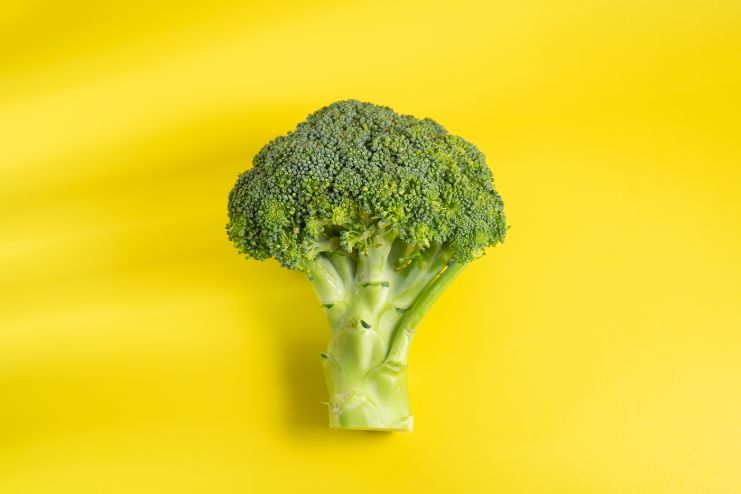
Broccoli is a cruciferous vegetable that is rich in sulforaphane, a plant chemical demonstrated to boost the body’s antioxidant ability. Sulforaphane stimulates Nrf2, a transcription factor that promotes antioxidant enzymes such as glutathione. Broccoli is also high in vitamin C, lutein, and beta-carotene—all of which neutralize free radicals before they can damage DNA, proteins, or lipids.
3. Eat More Whole Cereals
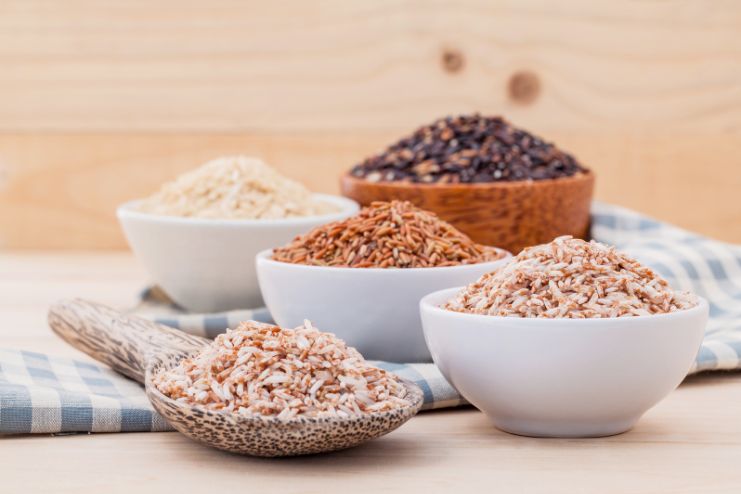
Whole grains like oats, quinoa, barley, and brown rice are rich in fiber, B vitamins, and a variety of phytonutrients. These grains contain selenium and vitamin E, two significant antioxidants that act together to protect cells against oxidative damage. Fiber also helps to maintain a healthy gut, which indirectly reduces inflammation and oxidative stress in the body.
4. Restrict the Intake of Processed Meats

Processed meats such as hot dogs, bacon, and sausages have nitrites and nitrates, which can combine with high heat or stomach acid to create nitrosamines—a group of chemicals associated with cancer. Also, the extra sodium content and added preservatives enhance cellular oxidation. Reducing processed meat consumption can decrease your exposure to pro-oxidant substances and minimize disease risk.
5. Apricots
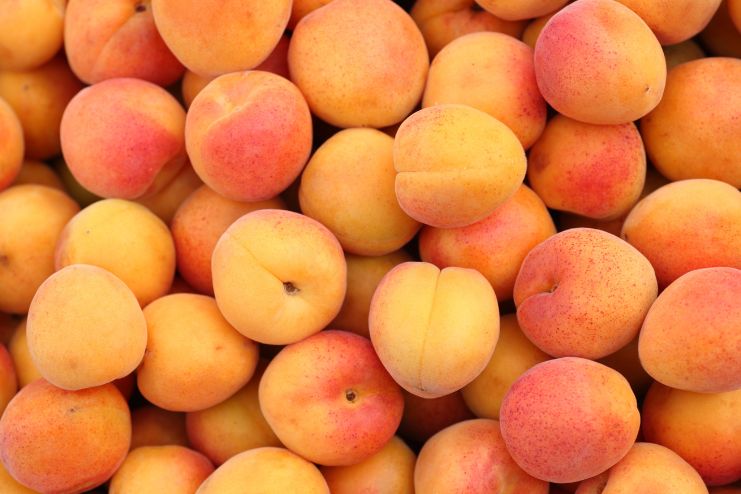
Apricots are rich in beta-carotene, a vitamin A essential, and in vitamin C. Both antioxidants protect the eyes and skin from oxidative stress. Apricots also have quercetin, catechins, and chlorogenic acid—anti-inflammatory polyphenols that destroy free radicals. Dried apricots are not as good as fresh ones because they have less sugar content and more hydration.
6. Pulses
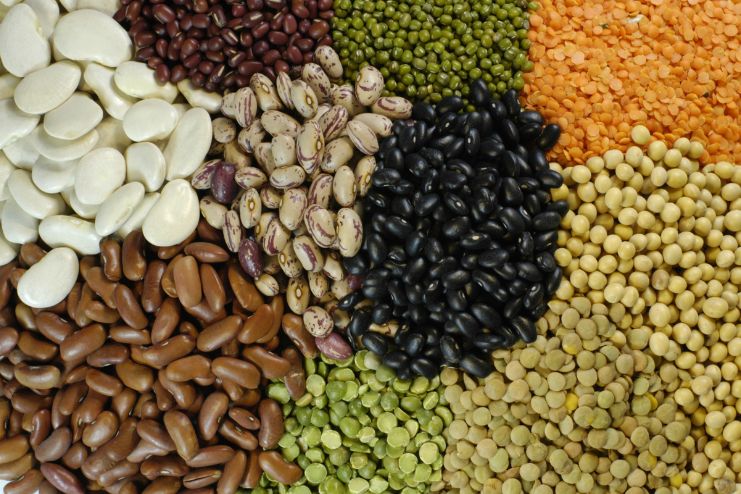
Pulses like lentils, black beans, and chickpeas not only contain plant protein and fiber but also contain high amounts of polyphenols, flavonoids, and saponins. These bioactive compounds are known to kill free radicals, prevent inflammation, and improve cardiovascular health. Pulses in their skins contain the highest amounts of antioxidants. Proper cooking helps you ensure easy digestion.
7. Reduce the Intake of Red Meat

Red meat is rich in heme iron, which can speed up the Fenton reaction, resulting in hydroxyl radicals, one of the most toxic forms of free radicals. Regular intake of red meat, particularly when fried or grilled, also raises exposure to heterocyclic amines (HCAs) and advanced glycation end-products (AGEs), which increase oxidative stress. Cutting down on red meat will help you maintain oxidation levels.
Read More: Cutting Back Red Meat And Processed Meat Have Little Effect On Health
8. Raspberries
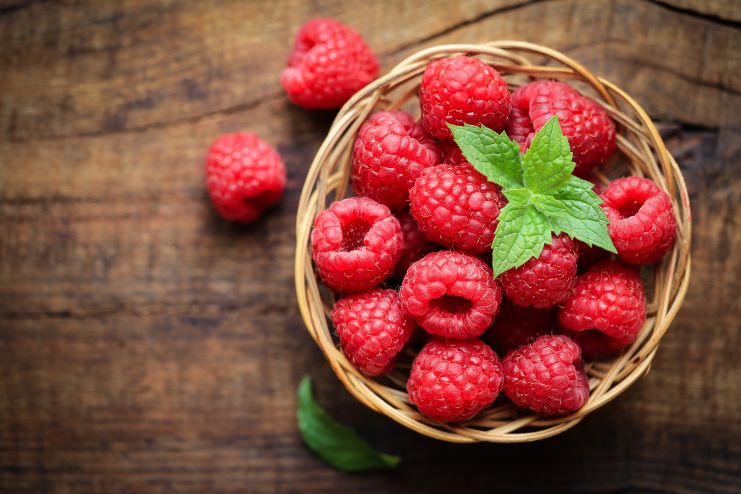
We all love raspberries, don’t we? Now, we give you one more reason to include them in your diet. Raspberries are rich in antioxidants such as ellagitannins, quercetin, and anthocyanins. These substances lower DNA damage, regulate oxidative stress, and have been found to inhibit the growth of tumor cells in lab tests. If you consume raspberries every day, it helps maintain vascular function, promotes brain function, and improves the body’s natural cleansing processes.
9. Watermelon
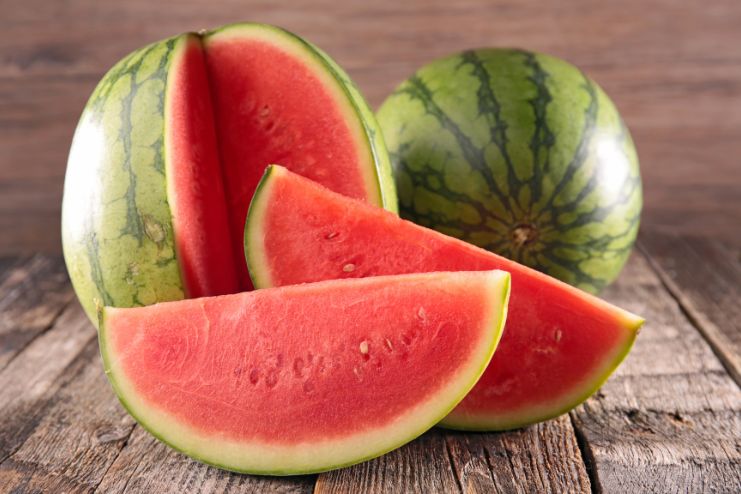
Watermelon is a water-rich fruit with lycopene, which is a carotenoid with strong antioxidant properties. Lycopene helps with less oxidative stress and inflammation, especially in tissues such as the skin, liver, and prostate. Watermelon also has vitamin C and beta-carotene, thus constituting a strong weapon in reducing cellular oxidative burden.
10. Choose Spices
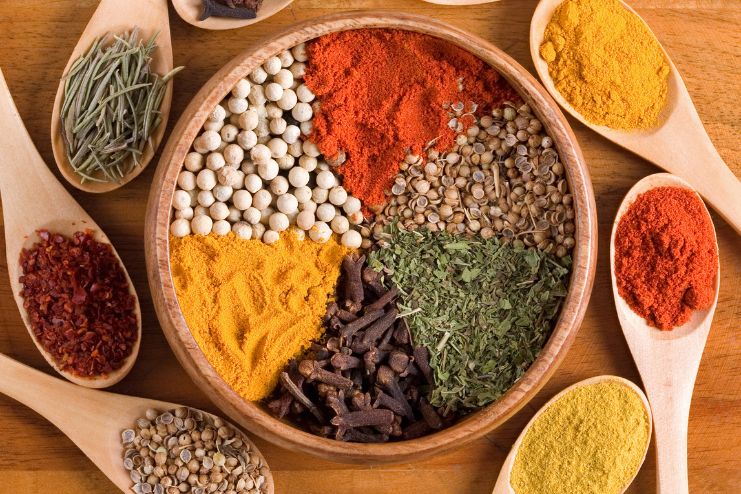
Spices such as turmeric, cinnamon, ginger, and rosemary contain bioactive compounds like curcumin, cinnamaldehyde, gingerol, and rosmarinic acid—all of which exhibit powerful antioxidant effects. These compounds not only neutralize free radicals but also suppress enzymes and signaling pathways that generate oxidative stress. Incorporating spices into daily cooking is an easy and flavorful way to improve antioxidant intake.
11. Spinach
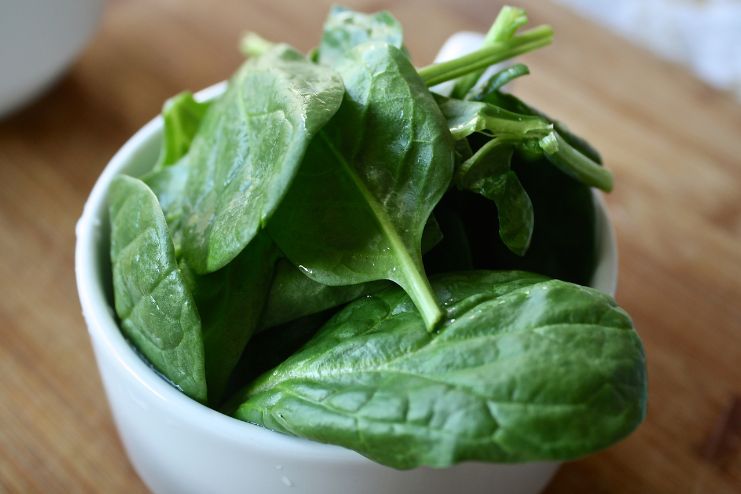
Spinach is a rich source of multiple antioxidants such as beta-carotene, vitamin C, vitamin E, and lutein. These compounds protect cells from oxidative stress and inflammation. Lutein and zeaxanthin are especially important to the eyes and may also have some protective effect against age-related macular loss. Spinach also contains magnesium, a mineral that functions to maintain cellular antioxidant enzymes.
12. Green Tea
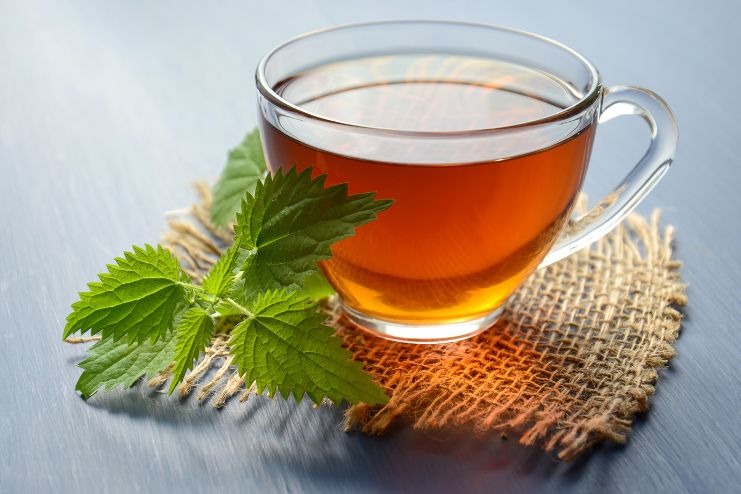
Green tea includes catechins, most notably epigallocatechin gallate (EGCG), one of the best-studied natural antioxidants. EGCG has been found to decrease markers of oxidative stress in the body, enhance liver function, and boost metabolism. Green tea consumption on a regular basis may also lower the risk of cardiovascular disease and enhance sensitivity to insulin.
13. Artichokes
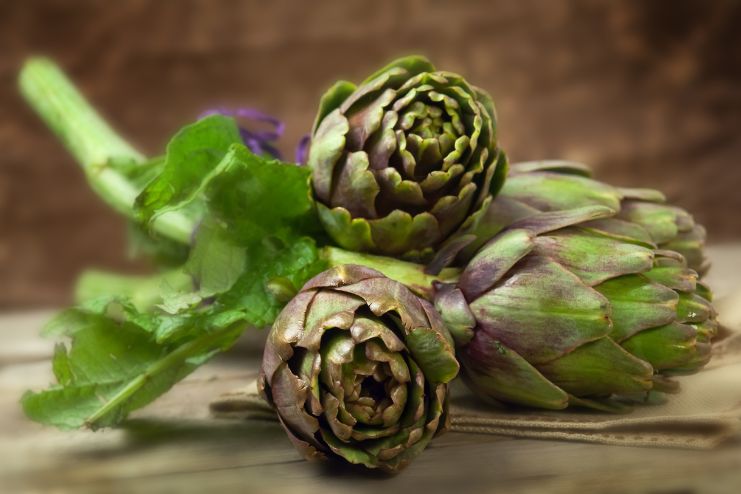
Artichokes are one of the richest antioxidant vegetables. They are filled with chlorogenic acid and silymarin—substances that promote liver detoxification, enhance bile flow, and reduce oxidative stress. Artichokes also have fiber and magnesium, which help to digest food and also further protect the body against free radical damage.
Read More:9 Daily Habits That May Reduce Cancer Risk
How to Prevent Free Radicals

Some free radicals cannot be avoided, but you can minimize your exposure and risk by:
- Eating a colorful, antioxidant-rich diet
- Avoiding smoking and excessive alcohol
- Minimizing exposure to environmental toxins and pollution
- Getting regular physical activity
- Managing stress through sleep, mindfulness, and self-care
Final Thoughts
Free radicals are unavoidable, but their damage does not have to be. By making the right diet and lifestyle choices, you can equip your body with what it takes to defend itself. Prioritize antioxidant-packed foods, eliminate poisonous exposures, and adopt behaviors that support cellular integrity. Making a few small adjustments today can preserve your future self from sickness and degeneration.
References
- https://www.mdpi.com/2076-3417/14/11/4940
- https://www.sciencedirect.com/science/article/pii/S0753332220306119
- https://pmc.ncbi.nlm.nih.gov/articles/PMC10220638/
- https://pmc.ncbi.nlm.nih.gov/articles/PMC10220638/
- https://pmc.ncbi.nlm.nih.gov/articles/PMC11179732/
- https://www.sciencedirect.com/topics/pharmacology-toxicology-and-pharmaceutical-science/heterocyclic-amine
- https://austinpublishinggroup.com/nutrition-food-sciences/fulltext/ajnfs-v13-id1184.pdf
In this Article