














If you have noticed a smooth, pea-sized lump under your skin that has been hanging around for more than a few days, it might be what most people call a sebaceous cyst. These bumps are extremely common, almost always harmless, and, in many cases, manageable at home.
This guide covers what they are, what actually works for healing sebaceous cysts naturally, and when it is time to call a doctor instead.
Safety first: Never squeeze, pop, or attempt to drain a cyst yourself. Doing so pushes bacteria deeper into the skin, significantly raises infection risk, and can cause scarring. Every remedy below works on the surface to reduce inflammation and support the body’s natural healing process.
- Most bumps people call “sebaceous cysts” are harmless, slow-growing lumps under the skin: not life-threatening, but worth treating before they grow or get infected.
- Never squeeze or pop a cyst. Doing so drives bacteria deeper and raises your risk of infection and scarring.
- The warm compress is the most evidence-backed home remedy. Apply it 3 to 4 times daily for up to 4 to 6 weeks before considering a doctor visit.
- Natural options like tea tree oil, honey, and turmeric can support healing by reducing inflammation and surface bacteria, but none can dissolve the cyst permanently.
- See a doctor if the cyst grows rapidly, becomes painful or hot, or shows signs of infection. Surgical removal is the only permanent solution.
What is a Sebaceous Cyst?
A quick note on terminology: the bumps most people call “sebaceous cysts” are medically known as epidermoid cysts.
True sebaceous cysts are rare and originate in the sebaceous glands, while epidermoid cysts form from blocked hair follicles. The distinction matters to your doctor, but for the purposes of home care, the remedies and advice in this article apply equally to both. The term “sebaceous cyst” is used throughout because it is what most people search for and recognize.
Sebaceous cysts are small, non-cancerous, bump-like growths on the skin. They often contain fluid or semi-fluid material and typically appear on the face, neck, and torso. While they are not life-threatening, they can become uncomfortable, tender, or cosmetically bothersome if left untreated.
A doctor can usually diagnose a sebaceous cyst by physical examination alone. If the cyst appears inflamed or has changed rapidly, a provider may order further testing to rule out other causes. In most cases, cysts that are small and non-infected are monitored and treated conservatively.
Most sebaceous cysts do not hurt unless they become infected. When infection sets in, the area becomes red, swollen, and warm to the touch.
“Cysts are common and in many cases, harmless. But when they begin to cause pain, swelling, or disrupt daily life, it may be time to consider removal. While many cysts are harmless, others can significantly affect your daily life,” says Dr. Stephen Chagares, a board-certified general surgeon with Premier Surgical Network.
He adds, “That’s why understanding when to seek treatment is so important.”
What Does A Sebaceous Cyst Look Like?
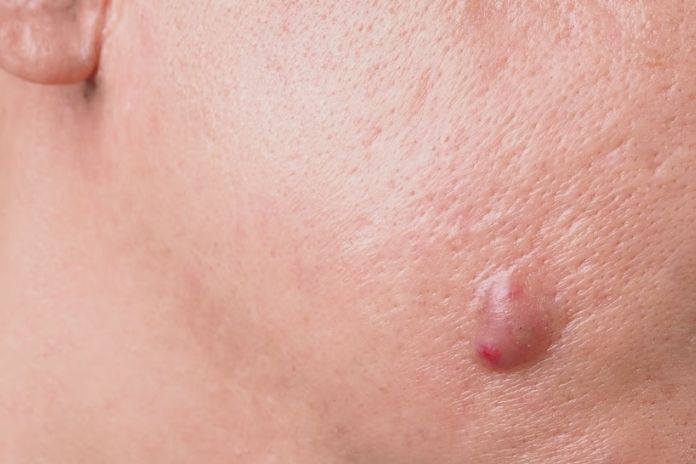
A sebaceous cyst resembles a small, smooth bump just beneath the surface of the skin. It is almost always benign and does not affect general health.
The bump may appear slightly red and, in some cases, itchy. The cyst sac is made up of cells from the base of the hair follicle.
Many people confuse sebaceous cysts with lipomas, which are entirely different, forming deep in fatty tissue rather than at the skin’s surface. Sebaceous cysts are also sometimes confused with epidermoid cysts, which look nearly identical to the eye but differ at the microscopic level.
These cysts typically start small, often no larger than a pea, and can grow if left untreated. The common signs include:
- A smooth, round bump under the skin, sometimes slightly red
- Occasional tenderness or mild pain
- Warmth around the area if an infection is developing
- A size ranging up to about 2 cm in diameter
How to Treat a Sebaceous Cyst
Several approaches exist for treating sebaceous cysts. Medical options include corticosteroid injections to reduce inflammation, incision and drainage, and surgical removal of the entire cyst wall (the most reliable way to prevent recurrence). However, for small, non-infected cysts, home remedies can help manage symptoms and support natural healing while you monitor the situation.
General skin hygiene habits that support cyst management:
- Keep the face and neck clean to prevent pore congestion
- Exfoliate gently once a week to keep follicles clear
- Never poke the cyst with any object, sanitized or otherwise
- Apply a warm compress daily as a first-line approach
- Use the natural remedies below as a complement, not a replacement, for professional advice
Realistic expectations: With consistent daily care, small non-infected cysts may reduce noticeably within 2 to 4 weeks. If there is no improvement after 4 to 6 weeks of home treatment, a visit to a dermatologist is the appropriate next step.
Home remedies can ease symptoms and support healing, but they cannot dissolve the cyst sac itself. Only medical removal accomplishes that permanently.
Home Remedies for Sebaceous Cyst
Home remedies can help reduce discomfort, manage inflammation, and prevent infection. They work best on small, non-infected cysts. Results vary by individual.
Patch test reminder: Before applying any topical remedy, especially essential oils, ACV, or garlic, test it on a small area of your inner forearm and wait 24 hours. If you notice redness, itching, or irritation, do not use that remedy on the cyst.
- Warm Compress
- Apple Cider Vinegar
- Aloe Vera
- Honey
- Baking Soda
- Banana Peel
- Castor Oil
- Coconut Oil
- Epsom Salt Bath
- Potato
- Witch Hazel
- Turmeric
- Hydrogen Peroxide
- Potassium Iodide
- Garlic
- Tea Bags
- Tea Tree Oil
- Peppermint Oil
- Frankincense Essential Oil
1. Warm Compress
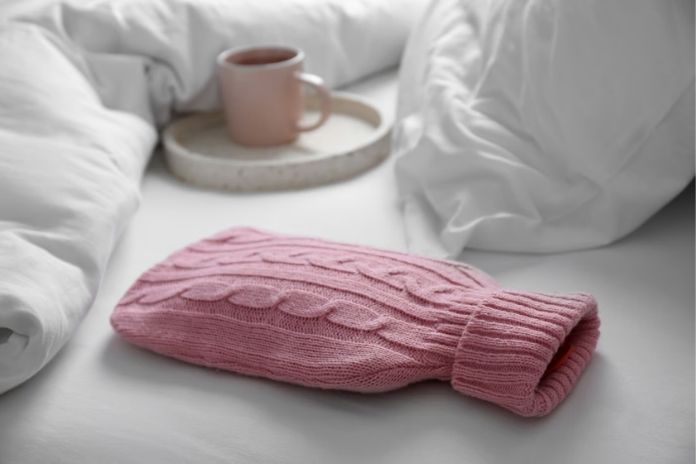
A warm compress is the most evidence-supported home remedy for sebaceous cysts and should always be the starting point. Heat increases blood circulation to the area, softens the cyst wall, encourages natural drainage, and helps reduce pain and swelling.
- Heat clean water to a warm but comfortable temperature, around 40 to 43°C (104 to 109°F). It should feel comfortably warm, not scalding.
- Soak a clean cloth in the water, wring out the excess, and apply it gently to the cyst.
- Hold it in place for 20 to 30 minutes.
- Repeat three to four times daily.
2. Apple Cider Vinegar

Apple cider vinegar has well-documented antimicrobial properties that may help if the cyst is caused or worsened by bacterial activity. Its astringent qualities can also help relieve surface redness and itching.
No peer-reviewed studies confirm that ACV reduces or eliminates sebaceous cysts directly. Its benefit is mainly surface-level, targeting bacteria around the cyst area. If your skin is sensitive, it may cause irritation. Always dilute before use.
- Mix equal parts apple cider vinegar and water.
- Soak a cotton pad in the mixture and dab it over the cyst.
- Leave it on for 15 to 20 minutes, then rinse with warm water.
- Repeat three to four times daily. Always dilute for sensitive skin.
3. Aloe Vera
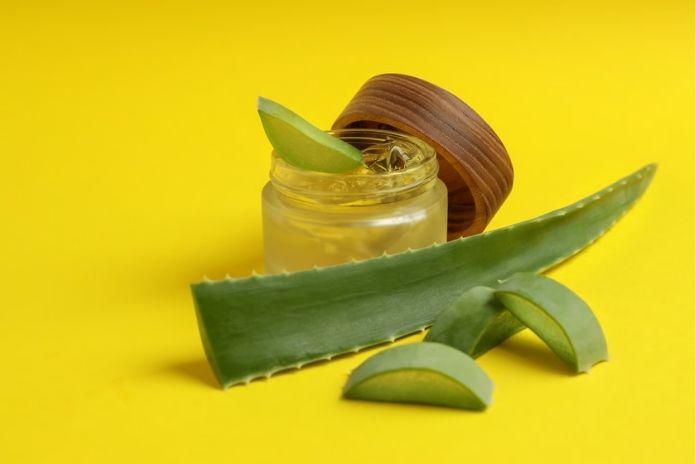
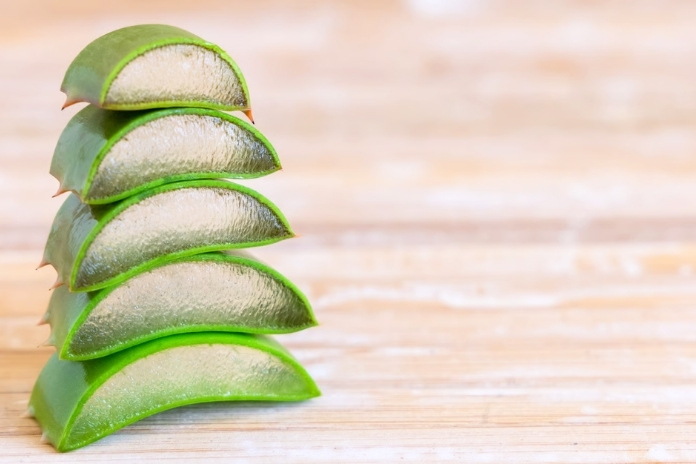
Aloe vera is well established for its soothing and antimicrobial properties. It helps calm surface inflammation, reduce redness, and create a protective barrier over irritated skin.
- Cut an aloe vera leaf, remove the outer layer, and apply the inner gel directly to the cyst.
- Leave it on for a few hours, then rinse with water.
- Repeat twice a day until redness and inflammation ease.
4. Honey

Honey is one of the more research-supported natural remedies for inflamed skin. Multiple studies published in peer-reviewed journals confirm its antibacterial, anti-inflammatory, and wound-healing properties.
Its high acidity, osmotic effect, and hydrogen peroxide content all contribute to inhibiting bacterial growth and reducing inflammation around a cyst.
- Apply a small amount of raw, unfiltered honey directly to the cyst.
- Cover loosely with a clean bandage or gauze.
- Leave it on for several hours or overnight, then rinse.
- Repeat once or twice daily. Raw or manuka honey works best.
5. Baking Soda
Baking soda’s mild exfoliating properties may help clear congested pores, one of the contributing factors in cyst formation.
Baking soda has no direct peer-reviewed evidence for cyst treatment. It may help with surface-level pore hygiene but is unlikely to affect the cyst itself.
Its high pH (around 9) disrupts the skin’s natural barrier (pH 4.5-5.5), potentially worsening irritation, dryness, or increasing the risk of infection, especially in cysts prone to rupture. It won’t remove the cyst wall, so recurrence is likely; stop if redness increases and see a doctor.
Mix one to two tablespoons of baking soda with enough water to form a smooth paste.
- Apply to the affected area and leave for 15 to 20 minutes.
- Rinse with warm water. Repeat once or twice a day.
6. Banana Peel

Banana peels contain compounds with hydrating and mild anti-inflammatory properties that may soothe surface irritation, itchiness, and redness associated with a cyst.
- Rub the inside of a ripe banana peel directly over the cyst, or scrape the peel, mix it with a teaspoon of honey, and apply as a paste.
- Leave on for 15 to 20 minutes, then rinse with water.
- Repeat once daily.
7. Castor Oil
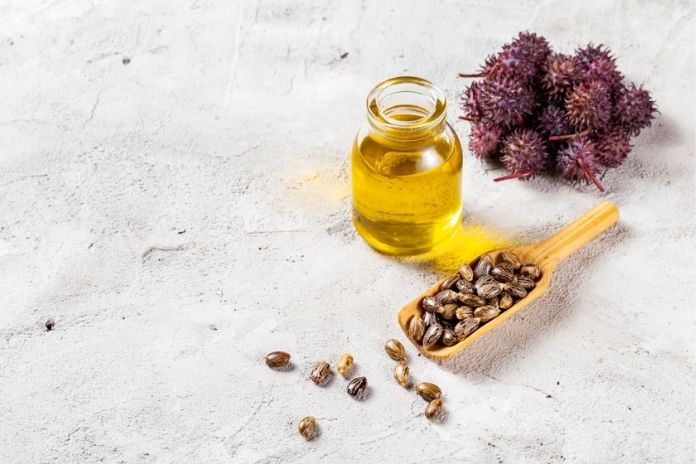
Castor oil has anti-inflammatory and moisturizing properties that can help soothe the bump and relieve the itchiness and skin roughness around the cyst.
- Apply a few drops of castor oil to the cyst and massage gently.
- Dampen a cotton pad with warm water, wring it out, and press it over the castor oil.
- Leave on for 15 to 20 minutes, then remove. Repeat twice a day.
8. Coconut Oil
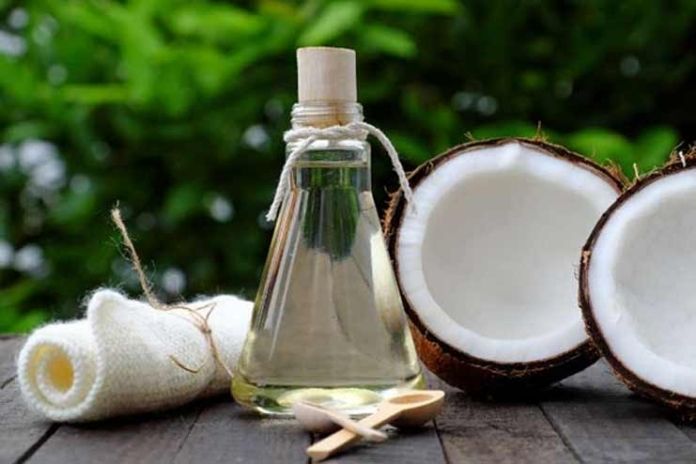
Coconut oil contains lauric acid, which has documented antimicrobial activity and can help protect the skin around the cyst from secondary bacterial infection.
- Apply a small amount of coconut oil to the cyst and massage gently.
- Leave on without rinsing. Reapply several times throughout the day.
9. Epsom Salt Bath
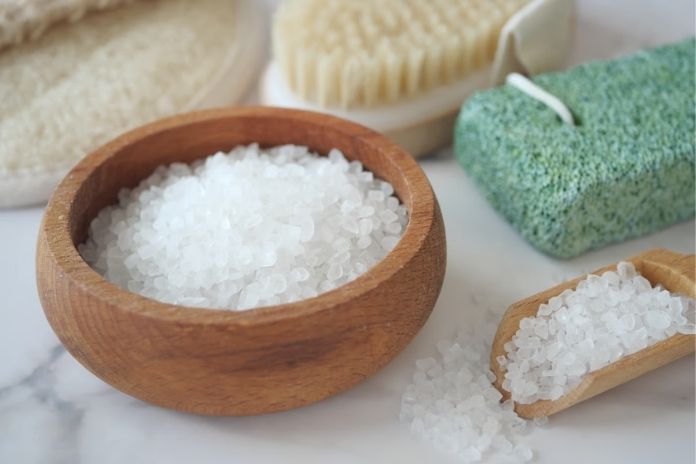
Epsom salt baths may help reduce surface inflammation and provide general comfort, particularly when the cyst is on the body rather than the face.
Epsom salt’s magnesium sulfate molecules are generally considered too large to penetrate deeply enough to affect cyst contents directly. Its benefit is primarily soothing rather than curative. The magnesium may reduce swelling and soften cyst contents to promote natural drainage, similar to warm compresses.
- Draw a warm bath and dissolve two tablespoons of Epsom salt in the water.
- Soak for 20 minutes, ensuring the affected area is submerged.
- Rinse off. Repeat once or twice daily.
10. Potato
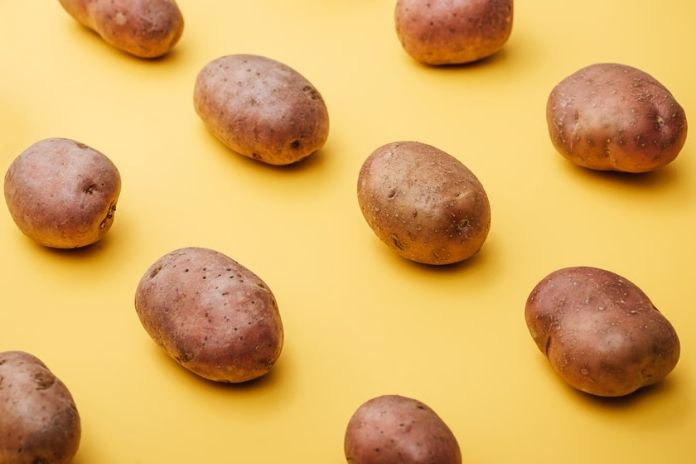
Raw potato juice contains vitamin C and compounds with mild anti-inflammatory and antimicrobial properties that may help reduce surface swelling.
- Grate a raw potato and squeeze out the juice.
- Apply the juice over the cyst and leave it on for 15 to 20 minutes until it dries.
- Rinse with water. Repeat two to three times daily.
11. Witch Hazel
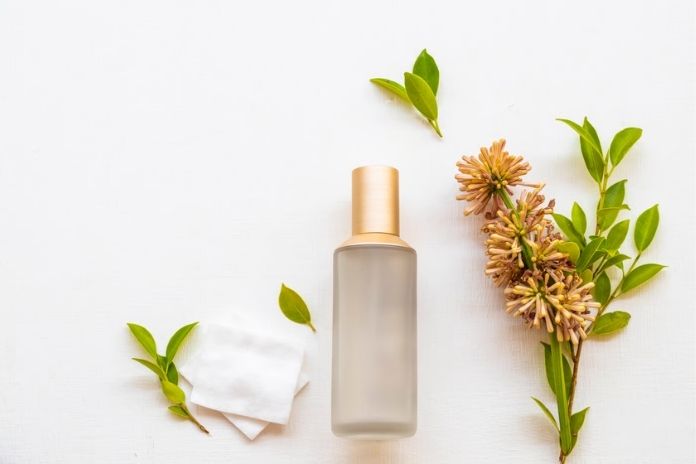
Witch hazel is rich in tannins, which have astringent and anti-inflammatory properties. It helps clean the surface of the skin, reduce excess oil, and ease redness and swelling around the cyst.
- Soak a cotton ball in witch hazel and dab it directly onto the cyst.
- Leave it on and allow it to dry naturally.
- Repeat three times daily.
12. Turmeric
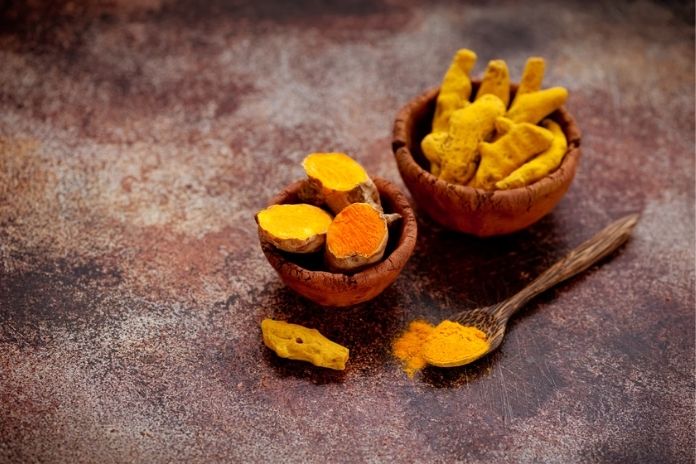
The active compound in turmeric, curcumin, has well-documented anti-inflammatory properties supported by multiple human trials.
While no studies have tested turmeric specifically on sebaceous cysts, its ability to reduce inflammation makes it a reasonable topical and internal support.
- Mix turmeric powder with a small amount of water to form a paste.
- Apply to the cyst and leave for 20 minutes, then rinse.
- Alternatively, stir a pinch of turmeric into warm milk and drink once daily for potential systemic anti-inflammatory benefits.
Note: Turmeric can temporarily stain skin yellow. This fades within a day or two.
13. Hydrogen Peroxide
Hydrogen peroxide is a mild antiseptic that can help kill surface bacteria around the cyst and reduce the risk of infection spreading.
- Using a 3% hydrogen peroxide solution, soak a cotton ball and dab it gently over the cyst.
- Hold in place for a few minutes, then remove. There is no need to rinse.
- Use once or twice daily. Avoid overuse, as repeated application can irritate healthy surrounding skin.
14. Potassium Iodide
Potassium iodide solution has antiseptic and antimicrobial properties. Applied to the skin’s surface, it may help cleanse the area around the cyst and discourage bacterial involvement.
- Apply potassium iodide solution to a cotton pad and dab it onto the cyst and surrounding skin.
- Leave on for 10 minutes, then wipe away excess with a fresh cotton pad.
- Repeat two to three times daily until symptoms ease.
15. Garlic
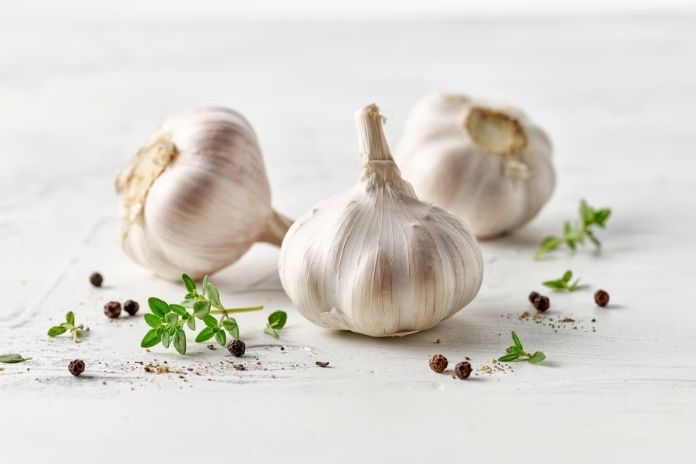
Garlic has broad-spectrum antimicrobial properties that can help address bacterial activity at and around the cyst. Be aware that raw garlic can cause skin irritation in some people, so a patch test is especially important here.
- Peel a few garlic cloves and crush them into a smooth paste.
- Apply the paste to the cyst and cover with a sterile bandage.
- Leave on for 15 to 20 minutes, then remove the bandage and rinse the area.
- Repeat two to three times a day with a fresh bandage each time.
16. Tea Bags
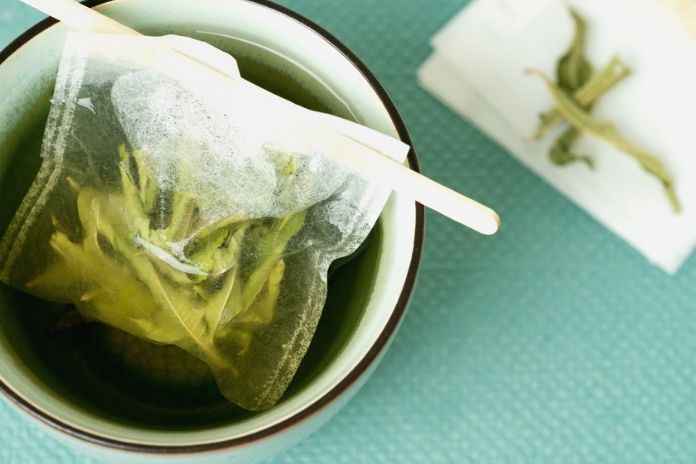
Tea, particularly green tea, is rich in antioxidants and tannins with anti-inflammatory properties that may help reduce swelling and support the healing process.
- Steep a tea bag in warm water for one to two minutes.
- Apply the warm tea bag to the cyst and secure it loosely with a bandage.
- Leave on for 10 minutes, then remove and discard.
- Repeat three times per week.
Essential Oils for Sebaceous Cyst
Essential oils can help manage inflammation, prevent infection, and soothe the skin around the cyst. Always dilute essential oils in a carrier oil such as coconut or jojoba oil before applying to skin. Never apply undiluted oils directly, as they can cause burns and irritation.
17. Tea Tree Oil
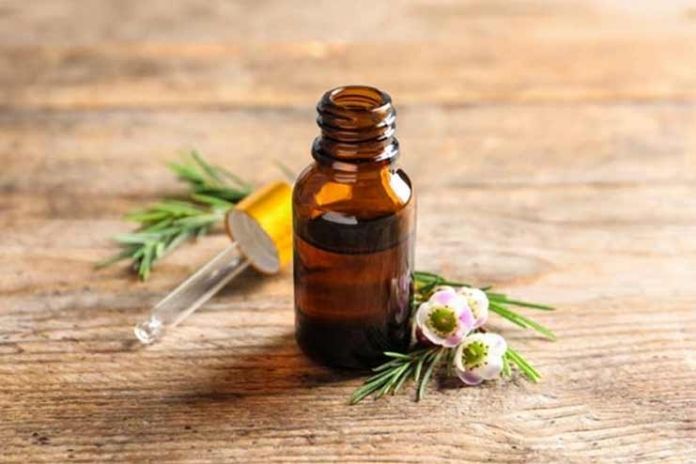
Tea tree oil has well-documented antimicrobial and anti-inflammatory properties. Research confirms its antibacterial activity against common skin pathogens, making it a practical option for managing infected or inflamed sebaceous cysts.
- Dilute two to three drops of tea tree oil in one teaspoon of coconut oil.
- Apply the mixture to the cyst and cover with a bandage.
- Repeat daily until symptoms resolve.
18. Peppermint Oil
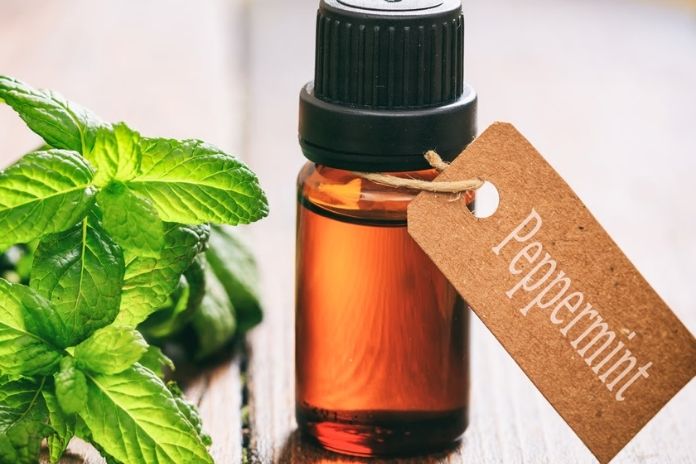
Peppermint oil has mild astringent and cooling properties due to its menthol content, which can help relieve surface discomfort and reduce inflammation. Its antimicrobial properties add a secondary benefit.
- Dilute peppermint oil in a carrier oil and dab it onto a cotton pad.
- Apply to the cyst and cover with a bandage if desired.
- Change daily. Dilute thoroughly, as peppermint oil can be strong on sensitive skin.
19. Frankincense Essential Oil
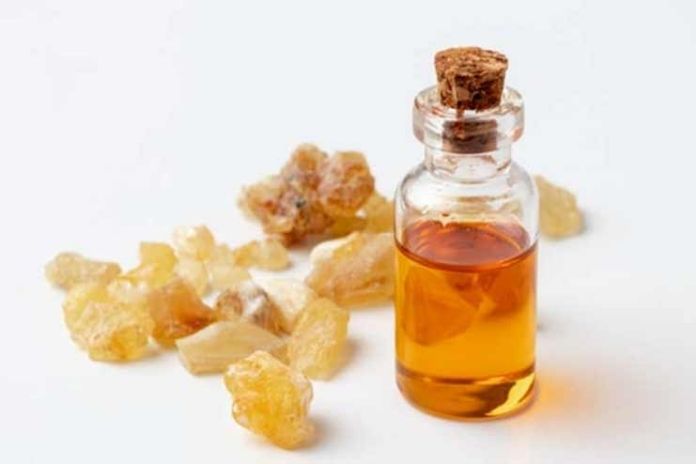
Frankincense oil is valued for its anti-inflammatory and skin-soothing properties. It may help reduce the size and redness of a cyst over time while keeping the surrounding skin moisturized.
- Dilute one drop of frankincense oil in a carrier oil and apply directly to the cyst.
- Leave on and reapply a few times throughout the day.
What Causes Sebaceous Cyst?
Understanding the root cause can help you reduce the risk of future cysts. Common causes include:
- Blockage of hair follicles or sebaceous glands
- Excess oil production in the skin
- Hormonal imbalances, particularly elevated testosterone levels
- Skin trauma or injury, including cuts, scrapes, or surgical wounds
- A history of acne, which creates conditions that favor cyst formation
- Genetic syndromes such as Gardner’s or Gorlin syndrome increase multiple cyst formation; hormonal shifts (puberty, menopause) or medications like BRAF inhibitors may contribute. They’re benign but can become inflamed if infected.
Cysts that appear in people under 18 or those that grow unusually fast, exceed 5 cm, or are associated with other symptoms should always be evaluated by a doctor, as these patterns can occasionally indicate a different underlying condition.
When to See a Doctor for a Sebaceous Cyst?
Most sebaceous cysts are harmless and can be managed at home. See a doctor if any of the following apply:
- The cyst becomes red, swollen, hot, or painful, as these are signs of infection
- You notice pus or a foul-smelling discharge
- The cyst grows rapidly or reaches a diameter larger than 5 cm
- The cyst returns after being removed, or you suspect infection at a surgical site
- Home remedies have not produced any improvement after 4 to 6 weeks
- You have concerns about whether the lump is actually a cyst
A doctor can offer several options beyond home care. A corticosteroid injection can quickly reduce swelling in an inflamed cyst. Incision and drainage release the cyst contents, but do not prevent recurrence.
Surgical excision removes the entire cyst wall and is the most reliable way to prevent the cyst from returning. Your provider can help determine which approach is best for your situation.
Conclusion
Healing a sebaceous cyst naturally is possible for many small, non-infected cysts, but it takes consistency and realistic expectations. The warm compress is your best starting point: it is simple, safe, and more evidence-supported than any other home remedy on this list.
Natural options like tea tree oil, honey, turmeric, and aloe vera can complement that approach by reducing inflammation and guarding against infection at the surface level.
That said, no home remedy can dissolve the cyst sac itself or guarantee the cyst will not return. The remedies in this article work by managing symptoms, not by eliminating the root cause.
If your cyst is growing, becoming painful, showing signs of infection, or simply not responding after four to six weeks of consistent care, a dermatologist can offer fast, effective solutions, including a simple in-office procedure that resolves the problem for good.
In the meantime, be patient, avoid the urge to squeeze or pop, and let the remedies work gradually. Most small sebaceous cysts, when left alone and supported with good skin hygiene and targeted natural care, will ease on their own.

References
- Chainani-Wu, N. (2003). Safety and anti-inflammatory activity of curcumin: A component of turmeric (Curcuma longa). Journal of Alternative and Complementary Medicine, 9(1), 161–168.
- Enright, E. F., & Sheridan, A. (2014). Honey as an immunomodulator in wound healing. Wound Repair and Regeneration, 22(2), 187–192.
- Gopal, J., Anthonydhason, V., Muthu, M., Gansukh, E., Jung, S., Chul, S., & Iyyakkannu, S. (2019). Authenticating apple cider vinegar’s home remedy claims: Antibacterial, antifungal, antiviral properties and cytotoxicity aspect. Natural Product Research, 33(6), 906–910.
- Mazzarello, V., Donadu, M. G., Ferrari, M., Piga, G., Usai, D., Zanetti, S., & Sotgiu, M. A. (2020). Evaluation of tea tree oil physicochemical features and its antimicrobial activity against Cutibacterium acnes. New Microbiologica, 43(4), 154–157.
- Oryan, A., Alemzadeh, E., & Moshiri, A. (2016). Biological properties and therapeutic activities of honey in wound healing. Wound Medicine, 12, 1–6.
- Panahi, Y., Sahebkar, A., Amiri, M., Davoudi, S. M., Beiraghdar, F., Hoseininejad, S. L., & Kolivand, M. (2012). Improvement of sulphur mustard-induced chronic pruritus, quality of life and antioxidant status by curcumin: Results of a randomised, double-blind, placebo-controlled trial. British Journal of Nutrition, 108(7), 1272–1279.
- Shanbhag, V. K. L. (2016). Oil pulling for maintaining oral hygiene: A review. Journal of Traditional and Complementary Medicine, 7(1), 106–109. (Coconut oil / lauric acid antimicrobial reference)
- Vaughn, A. R., Branum, A., & Sivamani, R. K. (2016). Effects of turmeric (Curcuma longa) on skin health: A systematic review of the clinical evidence. Phytotherapy Research, 30(8), 1243–1264.
- Zito, P. M., & Scharf, R. (2023). Epidermoid cyst. In StatPearls. StatPearls Publishing.
In this Article