












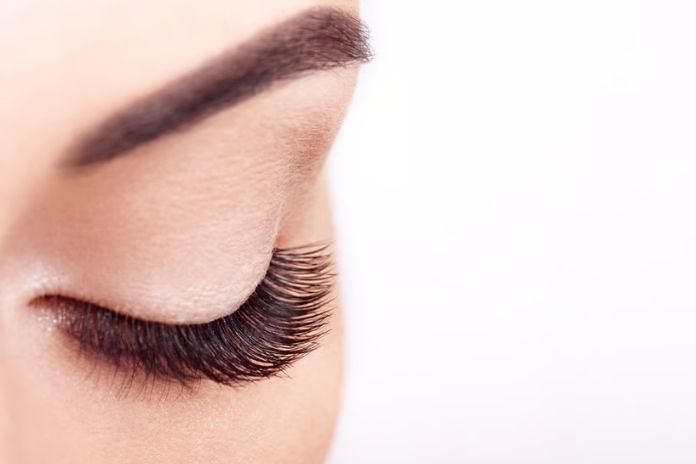
Want longer, fuller lashes without extensions or mascara? Thick, well-defined eyelashes frame your eyes and add natural depth to your face. Whether you prefer a glamorous look or something understated, healthy lashes make a real difference.
The truth is, not everyone is born with full, thick lashes. Many people notice thinning eyelashes due to age, hormonal shifts, nutritional gaps, or harsh beauty habits. When expensive solutions like lash extensions feel unsustainable, natural home remedies become an appealing, often more affordable, alternative for how to grow thicker eyelashes naturally.
In this article, we cover 10 practical hacks, lifestyle habits, and expert-backed advice to help you nurture healthier, fuller lashes over time.
- Natural oils like castor oil, coconut oil, and vitamin E can condition and protect your lashes, but they do not stimulate actual hair growth. Only FDA-approved bimatoprost (Latisse) is clinically proven to grow eyelashes.
- Your eyelashes follow a three-phase growth cycle lasting roughly four to eight months; no home remedy can speed up this cycle, but proper care prevents unnecessary breakage and loss.
- Lifestyle habits matter: consistent sleep, a nutrient-rich diet, gentle makeup removal, and stress management all support lash health from the inside out.
How to Grow Fuller Eyelashes Naturally?
If you are worried about thin or short lashes, there is good news: consistent care and the right habits can make a noticeable difference. The remedies below will not deliver overnight results, but with regular use, you will start to see gradual improvement.
One important note before you begin: most natural remedies work by conditioning, moisturizing, and protecting your existing lashes. They reduce breakage rather than stimulating new growth directly.
1. Castor Oil
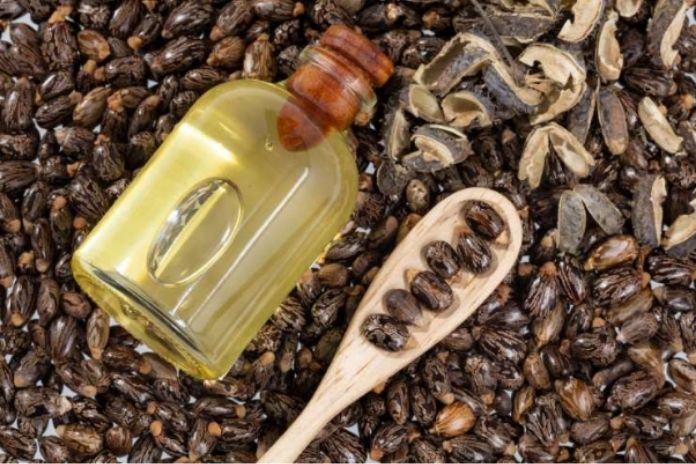
Castor oil is one of the most popular traditional remedies for lash care, used for generations as a natural conditioning treatment. Its primary component is ricinoleic acid, which makes up around 90% of its composition and is known for its moisturizing and anti-inflammatory properties.
While no peer-reviewed studies have confirmed that castor oil directly stimulates eyelash growth, many people report fuller-looking lashes with consistent use. What it does well is coat and condition the lash shaft, making lashes appear smoother and fuller while reducing moisture loss. Think of it as a nourishing treatment rather than a growth serum.
YouTuber Jennifer Myers talked about how she used castor oil nightly for six years to improve the health and growth of her eyelashes. She states, “My eyelashes are in excellent condition now, but it did take about 16 weeks to see any noticeable results.”
Always patch-test castor oil on your inner arm before applying it near your eyes, and consult a dermatologist if you have sensitive skin or eye conditions. Never let castor oil enter the eye directly, as it can cause irritation.
How to use: Dip a clean, dry spoolie or cotton swab into a small amount of castor oil. Apply gently along the lash line before bed. Rinse off in the morning.

Handcraft Blends Organic Castor Oil
We recommend Handcraft Blends Organic Castor Oil, a 100% pure, cold-pressed, hexane-free formula that nourishes hair, enhances eyelashes and eyebrows, and deeply moisturizes skin for healthier, fuller appearance.
*Purchases through this link support our research at no extra cost to you.
2. Coconut Oil

Coconut oil stands out among natural oils because it actually penetrates the hair shaft rather than just coating the surface. Its primary fatty acid, lauric acid, binds to hair proteins and reduces protein loss, which means your lashes stay stronger and break less often.
Applying coconut oil at night with a clean spoolie conditions and shields your lashes from daily wear. Over time, reduced breakage means your lashes retain more of their natural length.
How to use: Using a clean mascara wand, apply a small amount of coconut oil from root to tip before bed. Rinse thoroughly in the morning.

Amazon Grocery, Organic Virgin Coconut Oil
We recommend Amazon Grocery, Organic Virgin Coconut Oil, a cold-pressed, unrefined, USDA-certified organic oil made from fresh coconuts, perfect for cooking, baking, and nourishing skin and hair naturally.
Check Price on Amazon
*Purchases through this link support our research at no extra cost to you.
3. Olive Oil

Olive oil is another accessible eyelash conditioner with a long history of use in traditional beauty routines across the Mediterranean and Middle East. It contains oleuropein, a phenolic compound found in the olive plant, and some early research suggests it may play a role in supporting the hair growth environment, though studies specifically on eyelashes remain limited.
Like other plant oils, olive oil works primarily as a conditioning agent, softening the lash hair and helping prevent environmental damage.
How to use: Apply a small amount of olive oil along the lash line with a clean cotton swab before bed. Rinse off in the morning.

OKAY 100% Pure Natural Olive Oil
We recommend OKAY 100% Pure Natural Olive Oil, a versatile, nutrient-rich formula that deeply moisturizes skin, strengthens hair, and provides soothing care with natural antioxidants for healthy, radiant results.
*Purchases through this link support our research at no extra cost to you.
4. Vitamin E

Vitamin E is a potent antioxidant that helps protect hair follicles from oxidative stress, which can contribute to hair thinning and loss. Research published in Tropical Life Sciences Research found that tocotrienol supplements (a form of vitamin E) significantly increased hair count in people experiencing hair loss, suggesting antioxidant support plays a meaningful role in follicle health.
According to Asako Ito, co-founder of Divine Lashes and a certified eyelash technician, vitamin E is well-known for its capacity to nourish and repair hair follicles. You can apply vitamin E oil straight to the lash line or create a DIY eyelash serum by mixing it with other oils and substances.
How to use: Pierce a vitamin E capsule and apply the oil to your lashes with a clean spoolie or cotton swab before bed. Rinse off in the morning.
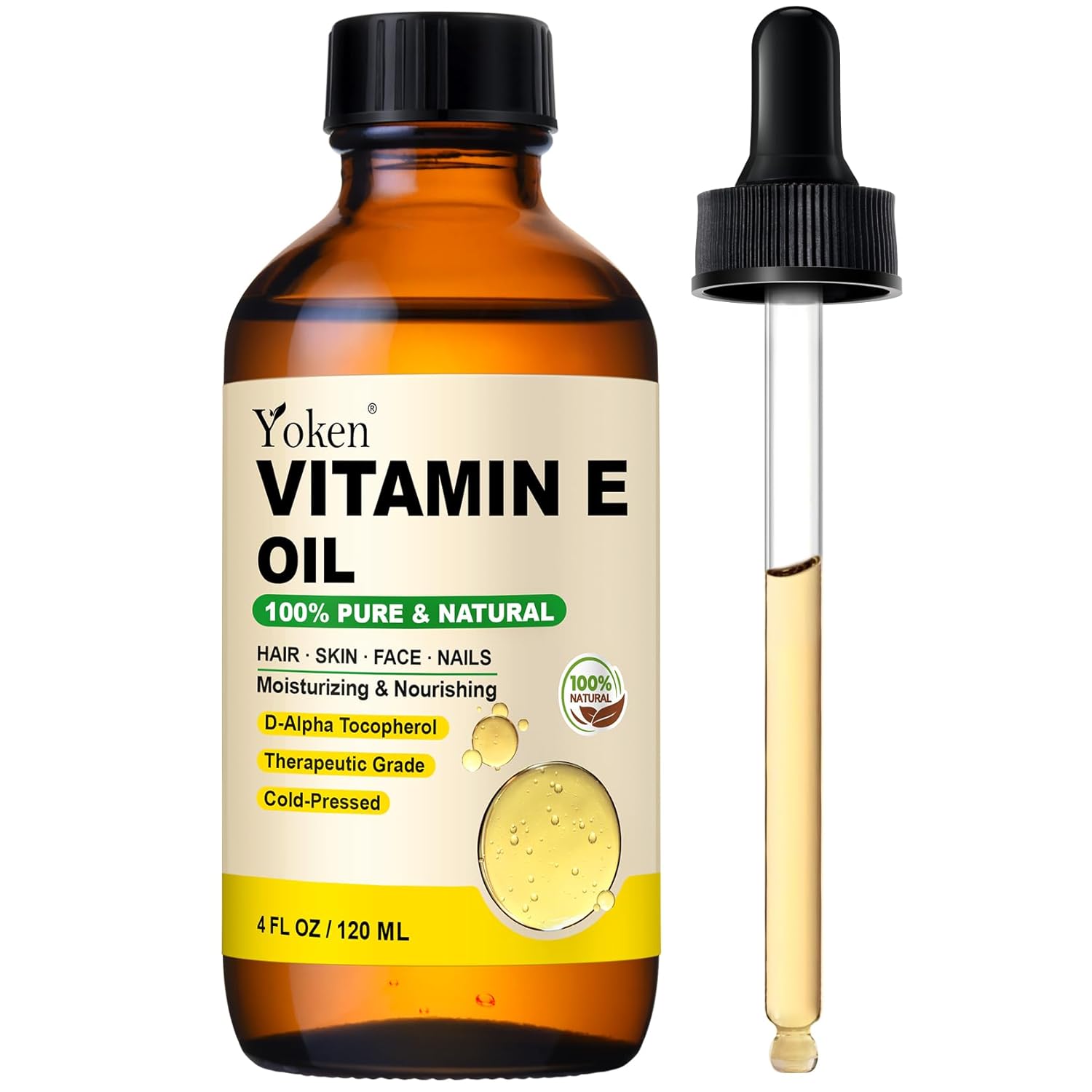
Yoken Vitamin E Oil
We recommend Yoken Vitamin E Oil a cold-pressed, hexane-free formula enriched with high-potency vitamin E that nourishes skin, reduces scars and wrinkles, and supports healthy hair growth.
*Purchases through this link support our research at no extra cost to you.
5. Shea Butter
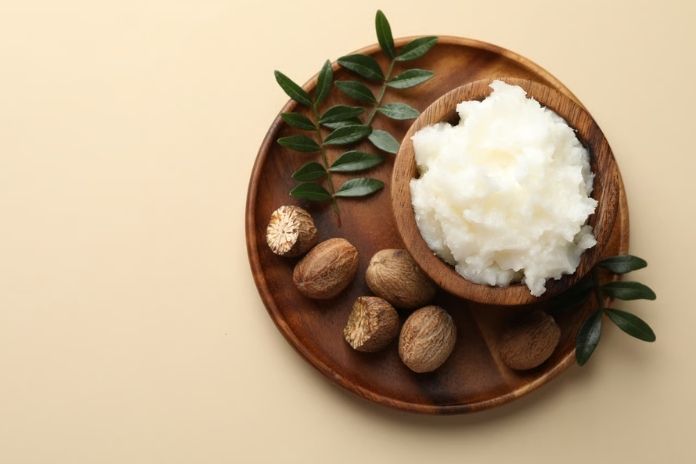
Shea butter is rich in vitamins A, E, and F, along with anti-inflammatory compounds that soothe the delicate skin around the eye area. Vitamin C, found in smaller amounts in raw shea butter, supports collagen production, an essential structural protein that contributes to lash strength and resilience.
Its antioxidant content helps protect lashes from environmental stressors like UV exposure and pollution, while its moisturizing properties keep the lash shaft supple and less prone to brittleness.
How to use: Warm a small amount of raw shea butter between your fingertips. Apply gently along the lash line before bed using a clean spoolie. Rinse off in the morning.

Shea Butter
We recommend Shea Butter a 100% natural, unrefined formula rich in vitamins that deeply hydrates skin, nourishes hair, and helps improve dryness, elasticity, and overall softness.
*Purchases through this link support our research at no extra cost to you.
Related Articles: 8 Simple Ways to Use Castor Oil for Eyelashes
6. Aloe Vera

Aloe vera gel is a well-established soothing agent with a rich nutritional profile, including vitamins A, C, and E. These nutrients nourish the hair follicle environment and support the conditions needed for healthy lash growth.
Aloe vera has been used in traditional medicine for centuries as a hair and scalp treatment, and its water content helps keep lashes hydrated, reducing dryness and brittleness that lead to breakage.
Research has found that aloe vera contains compounds that support keratin synthesis, the primary structural protein in hair. While it has not been specifically studied on eyelashes, its conditioning and moisturizing properties make it a popular natural choice for lash care.
How to use: Apply fresh aloe vera gel to your lashes using a clean mascara wand before bed. Leave it on overnight and rinse off in the morning.
7. Petroleum Jelly
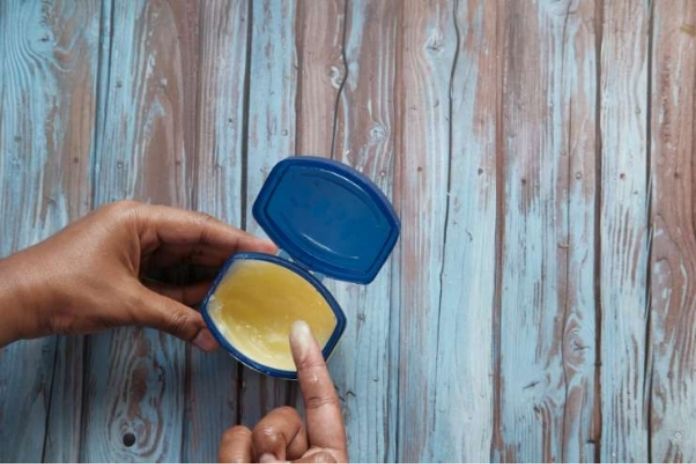
Petroleum jelly (such as Vaseline) is a well-known occlusive moisturizer that forms a protective barrier over the lash shaft, locking in moisture and shielding against environmental dryness. When applied to the lash line, it keeps the surrounding skin hydrated, which supports the overall health of the lash follicle area.
No scientific studies confirm that petroleum jelly directly stimulates eyelash growth, and it is best used as a conditioning and protective treatment rather than a growth remedy. Many people find it useful for keeping lashes supple and preventing breakage from dryness.
How to use: Apply a tiny amount along your lash line before bed using a clean cotton swab. Rinse off in the morning with a gentle cleanser.

Vaseline Petroleum Jelly Original
We recommend Vaseline Petroleum Jelly Original a triple-purified, 100% pure formula that locks in moisture, protects dry skin, and supports healing of minor cuts, burns, and cracked areas.
*Purchases through this link support our research at no extra cost to you.
8. Brush your Eyelashes
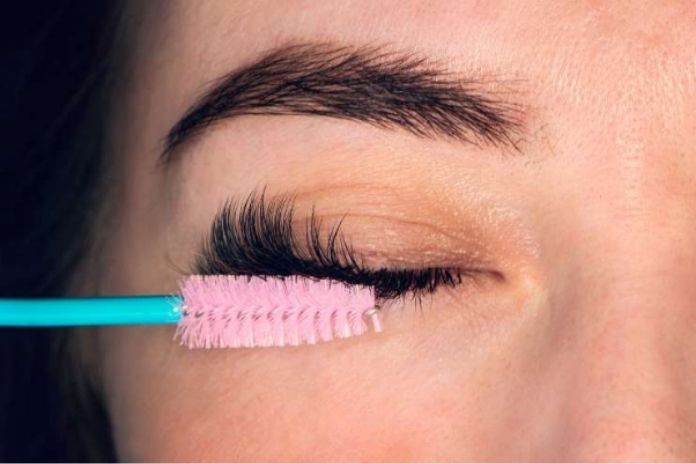
Regularly brushing your lashes with a clean spoolie is one of the simplest and most underrated steps in a lash care routine. Brushing distributes natural oils from the lash base to the tips, removes dust and debris that can clog follicles, and keeps lashes separated to prevent matting and breakage.
Many lash care professionals recommend daily gentle brushing to help stimulate blood flow to the lash root area, creating a better environment for lash health. This mirrors the same logic behind scalp massage for hair growth: improved circulation supports better nutrient delivery to the follicle.
While brushing will not physically lengthen your lashes, it makes them look longer and more defined, and healthy lashes retain their length better over time.
How to use: Run a clean, dry spoolie through your lashes each morning before applying any product. Use gentle, upward strokes.

Eyelash Comb and Eyebrow brush
We recommend Eyelash Comb and Eyebrow brush a dual-purpose grooming tool designed to separate lashes, remove mascara clumps, and shape brows for a clean, defined, and polished makeup finish effortlessly.
*Purchases through this link support our research at no extra cost to you.
9. Green Tea

Green tea is packed with antioxidants, particularly epigallocatechin gallate (EGCG) and caffeine. These compounds help protect hair follicles from oxidative damage and may support circulation to the follicle, improving nutrient delivery.
A study published in Phytomedicine found that EGCG enhanced hair growth in laboratory models by stimulating hair follicle cells. While most research has focused on scalp hair, the biological mechanisms are relevant to eyelash follicles as well.
How to use: Brew a cup of green tea and let it cool completely. Apply to your lashes using a clean cotton swab, or soak a cotton pad and hold it gently over closed eyes for 10 to 15 minutes. Use three to four times per week for best results.

Lipton Decaffeinated Green Tea
We recommend Lipton Decaffeinated Green Tea, a smooth, refreshing blend rich in natural flavonoids, offering a light taste with zero calories and no caffeine, perfect for daily wellness anytime.
Check Price on Amazon
*Purchases through this link support our research at no extra cost to you.
10. Eyelid Massage
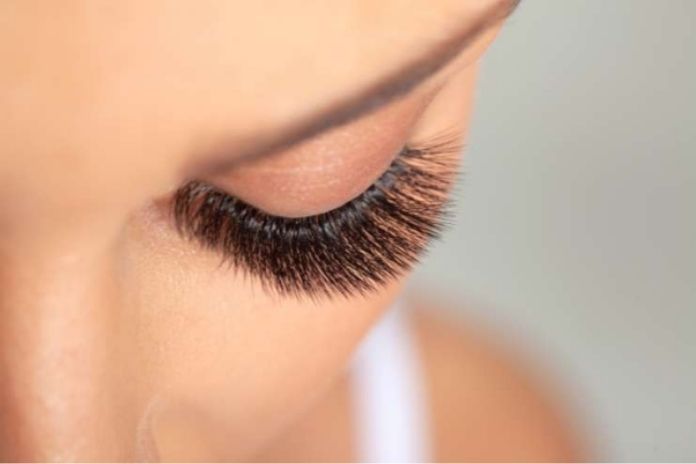
Gently massaging your eyelids improves blood circulation to the lash follicles, much the same way scalp massage supports hair growth. Better circulation means the follicles receive more oxygen and nutrients, creating optimal conditions for healthy lash development.
Research has found that massage stimulation can increase dermal papilla cell activity, the cells responsible for initiating hair growth. While this research focused on scalp hair, lash professionals commonly recommend eyelid massage as a supportive daily habit for the same reason.
How to use: After cleansing your face, use clean fingertips to gently massage your eyelid in small circular motions for one to two minutes. You can do this with a drop of castor oil or coconut oil for added conditioning. Repeat daily.
Avoid pulling lashes or pressing hard to prevent irritation or corneal strain. Do this after a warm compress for a better effect, and stop if redness occurs.
Related Articles: Is Coconut Oil Effective for Eyelash Growth?
Lifestyle Tips to Grow Eyelashes and Keep Them Healthy
Lifestyle habits have a direct and measurable impact on eyelash health. The following practices support lash growth from the inside out.
Eat for Your Lashes. A diet rich in biotin, vitamin E, omega-3 fatty acids, and vitamin C provides the foundational nutrients your lash follicles need to function well. Biotin, found in eggs, almonds, and seeds, helps maintain keratin structure.
Omega-3 fatty acids from salmon, walnuts, and flaxseed nourish the follicle membrane. Vitamin C from citrus fruits and bell peppers supports collagen synthesis. Vitamin E from leafy greens and nuts reduces oxidative damage.
Weak or brittle lashes are often an early sign of nutritional insufficiency. Iron deficiency is another commonly overlooked factor: if your lashes are thinning progressively and natural remedies are not helping, ask your doctor to check your ferritin (stored iron) levels, as research has linked low ferritin to hair loss in women.
Manage Stress. Chronic stress disrupts hormone balance and can trigger a condition called telogen effluvium, a form of diffuse hair shedding that affects eyelashes just as it does scalp hair. Regular exercise, meditation, and adequate downtime all reduce cortisol levels and support a stable hormonal environment for hair growth.
Prioritize Sleep. Your body does its cellular repair work during sleep, including at the level of hair follicles. Adults who consistently get seven to nine hours of sleep per night give their lash follicles the recovery time they need to maintain a healthy growth cycle. Chronic sleep deprivation suppresses growth hormone release, which can slow follicle activity.
Remove Makeup Before Bed. This step matters more than most people realize. Leaving mascara and eye makeup on overnight dries out lashes, leads to brittleness, and can clog the follicle opening. Use a gentle, oil-based makeup remover or micellar water, and use soft, downward strokes. Never pull or rub.
Avoid Damaging Beauty Habits. Waterproof mascaras are notoriously difficult to remove and can cause lash breakage during removal. Metal eyelash curlers can snag and pull lashes if used improperly. Lash extensions, while appealing, put mechanical stress on natural lashes. Over time, repeated use without breaks can lead to traction alopecia of the lash line.
Expert Advice To Improve the Growth of Eyelashes
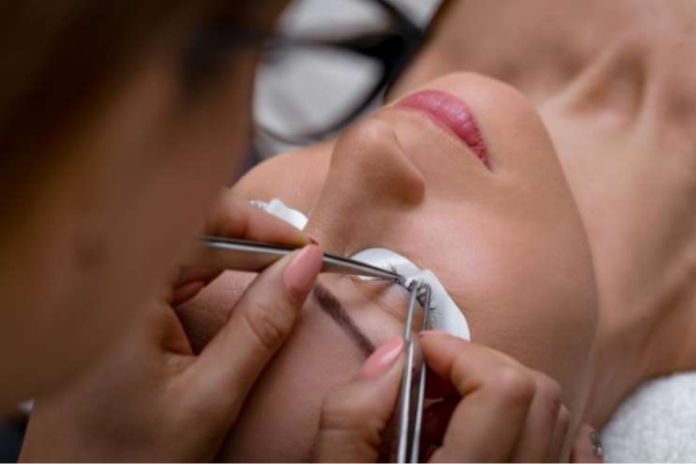
Achieving naturally longer lashes starts with understanding what nourishment your follicles actually need. Nutritional support from the inside out is one of the most overlooked aspects of a lash care routine.
Key lash-friendly nutrients include:
- Omega-3 fatty acids(salmon, flaxseeds, walnuts) nourish the hair follicle membrane and support healthy cell function.
- Vitamin E(almonds, sunflower seeds, leafy greens) acts as a powerful antioxidant, protecting follicles from oxidative damage.
- Vitamin C(citrus fruits, berries, bell peppers) drives collagen production, maintaining the structural integrity of the lash.
- Biotin(eggs, nuts, seeds) is a B-vitamin that supports keratin production and helps prevent hair breakage.
- Protein(lean meats, legumes, eggs, Greek yogurt) provides the building blocks for every strand of hair, including your eyelashes.
When it comes to product use, gentleness is non-negotiable. Avoid tugging lashes during makeup removal. Always use eyelash curlers on bare, clean lashes, never after applying mascara. Opt for gentle, oil-based cleansers that dissolve makeup without friction.
Lash serums are a popular addition to many routines. Over-the-counter serums containing peptides, biotin, and conditioning agents can strengthen lashes and reduce breakage, though they do not grow new lashes the way prescription treatments do. A 2024 review in the Journal of Cosmetic Dermatology found that OTC lash serums show promising results for lash appearance, but more large-scale research is needed.
The only FDA-approved treatment proven to stimulate actual eyelash growth is prescription bimatoprost (Latisse). Clinical studies confirm it increases eyelash length, thickness, and darkness when used consistently.
If natural remedies and OTC serums are not delivering the results you want after several months, speak with a dermatologist or ophthalmologist about whether Latisse is appropriate for you.

Stacy Lash Growth Serum
We recommend Stacy Lash Growth Serum a nourishing formula enriched with peptides and vitamins that helps strengthen, lengthen, and thicken lashes while promoting healthier, fuller-looking brows with regular use.
*Purchases through this link support our research at no extra cost to you.
How Much Time Does It Take to Grow Eyelashes?
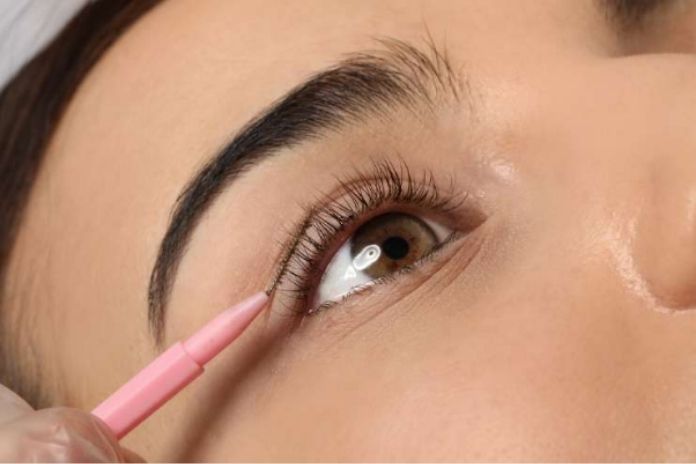
Much like normal hair growth, eyelash growth is heavily dependent on one’s lifestyle and food habits, making them naturally longer. On a typical time frame, it is believed that eyelashes tend to take around a month to around six weeks to grow out to their full glory.
However, the time frame may vary depending on the person and the rate at which their hair grows.
Eyelash growth depends on several factors, so it is necessary to ensure that you opt for a lifestyle that helps your eyelashes grow longer and stronger. Patience is a virtue primarily because you possibly won’t get naturally longer lashes overnight. It takes time, but the hacks mentioned in this article are definitely going to help you with that.
Related Articles: 22 Benefits of Sweet Almond Oil For Health, Skin, and Hair
How Much Time Does It Take to Grow Eyelashes?
Eyelash growth is a gradual process, and timelines vary from person to person. In general, it takes roughly four to eight weeks for a new lash to complete a full growth cycle from follicle activity to visible length. If a lash falls out or breaks, you can expect to see noticeable regrowth within that window, though achieving your desired thickness and length across all lashes takes longer.
Factors that influence your personal timeline include genetics, age, hormonal status, nutrition, and how well you protect your lashes from daily damage. Younger individuals tend to have more active anagen phases, meaning faster growth. As we age, the growth cycle slows, which is one reason lash thinning is more common after 40.
Patience is essential. No natural remedy will transform your lashes in a week. What these methods do is protect existing lashes, reduce breakage, and create the best possible conditions for lashes to reach their full natural length. Consistent daily care over eight to twelve weeks gives you the clearest picture of what is working.
Knowing the Lash Growth Cycle
Understanding how your lashes grow helps you set realistic expectations and care for them at each stage.
Anagen (Active Growth)
The anagen phase is when the lash is actively growing. For eyelashes, this phase lasts approximately 30 to 45 days, much shorter than the scalp hair anagen phase, which can last years. At any given time, roughly 40% of your upper lashes are in the anagen phase.
Genetics plays the biggest role in how long this phase lasts. People with genetically longer anagen phases naturally grow longer lashes. Age and hormonal changes can shorten the anagen phase, which is one reason why lash thinning becomes more noticeable over time.
Catagen (Transition)
Once the anagen phase ends, the lash enters the catagen phase, which lasts roughly two to three weeks. During this time, the hair follicle shrinks and detaches from its blood supply. The lash stops growing and becomes more fragile. This is a particularly important stage to be gentle: vigorous rubbing or harsh makeup removal during catagen can cause the lash to shed prematurely.
Telogen (Rest and Shedding)
The telogen phase is a resting period lasting three to four months, during which the old lash gradually sheds to make way for a new one growing beneath it. It is completely normal to lose one to five lashes per day, as each lash is at a different cycle stage. Noticing a few lashes on your pillow or makeup pad is not cause for concern.
If shedding becomes noticeably heavier than usual, specifically more than five to eight lashes per day, persisting over several weeks, it may indicate an underlying issue such as thyroid dysfunction, nutritional deficiency, or chronic stress. In these cases, a healthcare provider can run bloodwork to identify and treat the root cause.
When to See a Doctor
While most lash thinning responds to better nutrition and gentler habits, some causes require medical attention. See a doctor if you notice:
- Sudden or significant lash loss (more than 5 to 8 per day) persisting for several weeks
- Lash thinning accompanied by eyebrow thinning, fatigue, or unexplained weight changes (possible thyroid issue)
- Eyelid redness, crusting, or inflammation (may indicate blepharitis or another eye condition)
- Lash loss following a new medication (some drugs, including certain blood thinners, cholesterol medications, and hormonal treatments, can cause lash thinning as a side effect)
A dermatologist or ophthalmologist can evaluate the cause and recommend targeted treatment, including prescription options if needed.
Conclusion
Of all the natural remedies covered in this article, the best-supported approaches for lash conditioning and protection are consistent oil application, particularly coconut oil, which has solid evidence for penetrating the hair shaft and reducing protein loss.
That, combined with daily gentle brushing, proper makeup removal, and a diet rich in biotin, vitamin E, and omega-3 fatty acids. Together, these habits create the best possible foundation for naturally healthy lashes.
It is important to be realistic: home remedies can condition and protect your existing lashes. They do not stimulate new follicle activity. Results take time, typically eight to twelve weeks of consistent care before you notice a meaningful difference.
If your lashes thin progressively despite good habits, that is worth a conversation with a doctor, as it may reflect a hormonal or nutritional issue that responds well to targeted treatment.
If natural and over-the-counter methods are not delivering the results you want, prescription bimatoprost (Latisse) remains the only FDA-approved option proven to increase eyelash length and density. That conversation starts with a dermatologist or ophthalmologist.
Above all, be gentle. Your lashes are fine, delicate hairs that respond well to patience and consistent care. Small daily habits like removing makeup thoroughly, nourishing your body, and handling your lashes with care compound over weeks and months into real results.

References
- Alookaran, J., & Tripp, J. (2021). Castor oil. In StatPearls [Internet]. StatPearls Publishing.
- Baiyasi, R., et al. (2024). Eyelash serums: A comprehensive review. Journal of Cosmetic Dermatology.
- Beoy, L. A., Woei, W. J., & Hay, Y. K. (2010). Effects of tocotrienol supplementation on hair growth in human volunteers. Tropical Life Sciences Research, 21(2), 91-99.
- Cohen, J. L. (2010). Bimatoprost in the treatment of eyelash hypotrichosis. Clinical Interventions in Aging, 5, 159-164.
- Dias, M. F. (2015). Hair cosmetics: An overview. International Journal of Trichology, 7(1), 2-15.
- Hadshiew, I. M., et al. (2004). Burden of hair loss: Stress and the underestimated psychosocial impact of effluvium. Journal of Investigative Dermatology, 123(3), 455-457.
- Kantor, J., et al. (2003). Decreased serum ferritin is associated with alopecia in women. Journal of Investigative Dermatology, 121(5), 985-988.
- Keen, M. A., & Hassan, I. (2016). Vitamin E in dermatology. Indian Dermatology Online Journal, 7(4), 311-315.
- Koyama, T., et al. (2016). Standardized scalp massage results in increased hair thickness by inducing stretching forces to dermal papilla cells. ePlasty, 16, e8.
- Kwon, O. S., et al. (2007). Human hair growth enhancement in vitro by green tea epigallocatechin-3-gallate (EGCG). Phytomedicine, 14(7-8), 551-555.
- Lin, T. K., Zhong, L., & Santiago, J. L. (2018). Anti-inflammatory and skin barrier repair effects of topical application of some plant oils. International Journal of Molecular Sciences, 19(1), 70.
- Patel, V. R., et al. (2016). Castor oil: Properties, uses, and optimization of processing parameters in commercial production. Lipid Insights, 9, 1-12.
In this Article