














Putting oil on acne seems like a bad idea. But castor oil is not like other oils. That’s why more and more people are interested in using castor oil for acne, even those who normally stay away from oils.
The reason is ricinoleic acid, a part of castor oil. When discussing ricinoleic acid acne, ricinoleic acid has properties that help fight germs and reduce swelling, which can help calm down acne. The truth is, castor oil is not a magic solution, but it can help if you use it the right way for your skin.
A review of skin care in 2026 indicated that castor oil shows promise in helping skin heal. However, the review also noted that more extensive studies are required in this aspect. This article will tell you what works and what doesn’t, and how to use castor oil safely.
- Castor oil can help with acne, but it is not a cure. Its key component, ricinoleic acid, has antimicrobial and anti-inflammatory properties, though research is still limited.
- The way you use castor oil matters. Diluting it, applying it only to affected areas, and adjusting based on your skin type are important to prevent clogged pores or irritation.
- Castor oil can reduce inflammation, hydrate the skin, and improve acne scars over time, but more severe acne may require professional treatment.
Read More: Natural Oils vs. Lab-Made Serums: Which Is Better for Skin Health?
What Is Castor Oil and Why Do People Use It for Acne?

Castor oil is a kind of oil that comes from the seeds of the Ricinus communis plant. People usually get this oil by pressing the seeds, which helps keep the stuff inside. What is really cool about castor oil is that it has a lot of acid in it. This acid is a part of what makes castor oil special, and it is about 90 percent of the fatty acids in the oil.
When people talk about using ricinoleic acid’s acne benefits to help with acne, there are a few things to know. First, ricinoleic acid is very good at fighting off bacteria that can cause acne. A certain type of bacteria that can cause acne is called Cutibacterium acnes. Ricinoleic acid is not as strong as some medicines. It can still help keep the skin clean.
Second, ricinoleic acid can help reduce swelling and redness. Acne is not about pores getting clogged. It is also about how red and irritated the skin can get. Castor oil, which has a lot of acid in it, may be able to help calm down these symptoms and make the skin look better.
Third, castor oil works as a strong moisturizer. This matters because overly dry skin often compensates by producing more oil, which can worsen breakouts. Supporting hydration can help interrupt that cycle, especially for those using harsh acne treatments.
A 2026 study supports this perspective, noting that castor oil shows promise in inflammation control and skin repair. However, it also emphasizes that more clinical trials are needed before it can be considered a primary acne treatment.
Castor Oil vs. Salicylic Acid: Castor oil supports hydration and reduces inflammation, whereas salicylic acid exfoliates and unclogs pores. Hence, one supports the skin, and the other actively treats blockages.
Read More: Batana Oil Benefits – The Secret to Stronger Hair and Glowing Skin
Will Castor Oil Clog Your Pores? (The Honest Answer)
One of the common concerns about castor oil is simple: Does castor oil clog pores? In reality, castor oil should not clog pores. The comedogenic rating of castor oil is typically around 1 out of 5, which means castor oil is less likely to clog your pores.
The real-world results of using castor oil depend heavily on how castor oil is used. Castor oil is very thick and viscous. When castor oil is applied undiluted over the entire face, castor oil can sit on the skin and potentially trap debris, particularly for people with oily skin or castor oil for acne-prone skin.
Certain studies suggest that pure castor oil alone may not show effects against bacteria when it is used by itself. This means that how castor oil is mixed with things matters. Combining castor oil with lighter oils or other ingredients can make castor oil work better and be more gentle on the skin.
The practical thing to take away from this is straightforward: when castor oil is mixed with a lighter carrier oil, castor oil is generally safe for most people to use. When castor oil is used heavily and left on the skin overnight without being mixed with anything, it can increase the risk of getting breakouts, especially for people with sensitive skin or oily skin types.
Is Castor Oil Right for Your Skin Type?
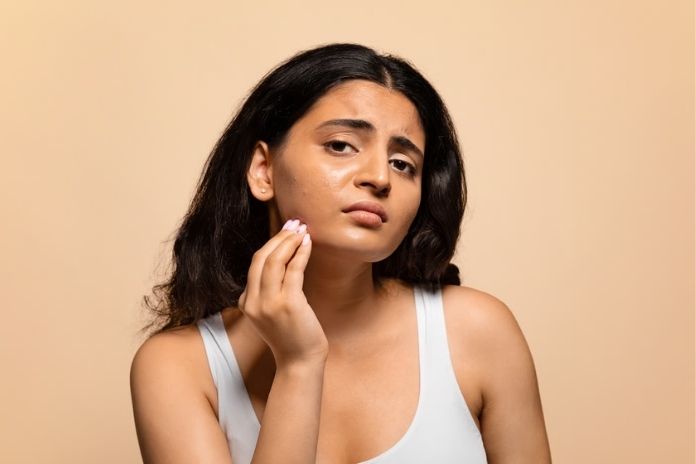
Whether castor oil works for you depends almost entirely on your skin type. Using the same approach across all skin types is one of the biggest reasons people get mixed results with castor oil for acne-prone skin.
A clinical trial applied castor oil cream twice daily for 2 months to infraorbital hyperpigmentation, significantly reducing melanin levels, wrinkles, and skin laxity (p < 0.05).
Oily or Acne-Prone Skin
If your skin is already producing excess oil, less is more. Castor oil should always be diluted, ideally in a ratio of one part castor oil to two parts jojoba oil. The application should be limited to individual blemishes rather than the entire face. Starting with two to three uses per week helps prevent buildup while still allowing you to test tolerance.
Dry or Dehydrated Skin
Dry skin is often the best match for using castor oil. When the skin barrier is weak, it can trigger increased oil production and worsen acne. Castor oil helps restore moisture, reducing this rebound effect. It can be used more generously, especially when mixed with almond or olive oil for added nourishment.
Combination or Normal Skin
Combination skin benefits from a targeted approach. Applying a balanced mix, often equal parts castor and jojoba oil, to breakout-prone areas like the T-zone allows you to treat acne without overloading drier areas of the face.
Sensitive Skin
Sensitive skin requires extra caution. A patch test on the inner arm for 24–48 hours is essential before applying it to the face. Starting with a highly diluted mixture, such as one part castor oil to three parts carrier oil, reduces the risk of irritation. It’s also best to avoid essential oils like tea tree oil until your skin has adjusted.
How to Use Castor Oil for Acne Safely — 5 Methods That Actually Work

Using castor oil for acne effectively comes down to choosing the right method for your skin type and concern. These five approaches are the most practical and effective.
Method 1: The Overnight Spot Treatment
Using castor oil is really easy and safe, especially if you have combination skin. First, you wash your face. Then you mix castor oil with jojoba oil. You use one part castor oil and two parts jojoba oil. You put a bit of this mixture on each pimple. You use your finger to do this.
Just leave it on your face overnight. Then you wash it off in the morning. This way, you do not get clogged pores. Castor oil can help with pimples because it has properties that help with swelling. You only need to do this once a week.
Method 2: The Oil Cleanse
If you have dry skin, you can try cleaning your face with oil. You mix castor oil with argan oil or almond oil. You use an equal amount of each oil. You rub this mixture on your skin for about a minute.
This helps get rid of makeup and extra oil on your skin. Then you use a wet cloth to wipe the oil off your face. This is a lot better than using soap. It helps your skin. Can even stop it from getting too dry or oily.
Method 3: The Anti-Inflammatory Mask
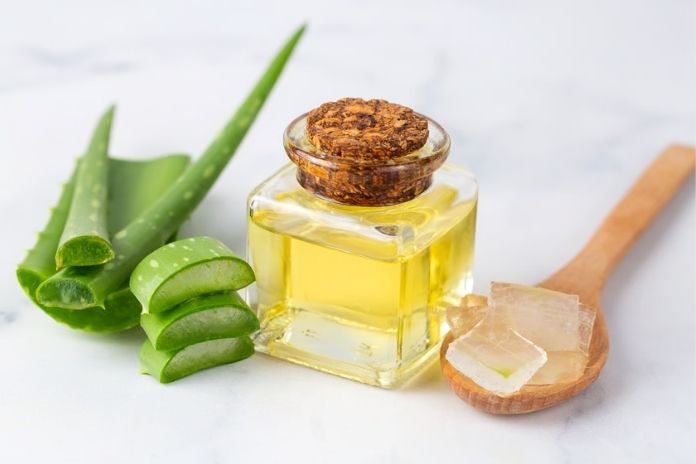
When dealing with inflamed or cystic acne, short-contact treatments can be more effective than leaving oil on overnight. Mixing castor oil with aloe vera gel in equal parts creates a soothing mask. Applied to red or irritated areas for about 15-20 minutes, it helps calm inflammation before being rinsed off with cool water. This method is especially useful during active breakouts.
Method 4: Castor Oil And Tea Tree Oil For Acne
One of the most commonly used combinations is castor oil and tea tree oil for acne. Tea tree oil has stronger antimicrobial properties, while castor oil helps reduce irritation and dryness. To use, mix one tablespoon of castor oil with one drop of tea tree oil.
Apply sparingly to active pimples with a cotton swab, then leave on overnight. This combination can be particularly helpful for bacterial breakouts, but it should always be used in small amounts to avoid irritation.
Method 5: Jamaican Black Castor Oil for Acne Scars
When it comes to castor oil for acne scars, many people turn to Jamaican black castor oil. Unlike regular castor oil, it is made from roasted seeds, resulting in a darker color and a slightly different composition. This version is often associated with improved penetration and is commonly used for post-acne hyperpigmentation.
To use Jamaican black castor oil acne treatments, apply two to three drops directly to healed scars or dark spots after moisturizing. Massage gently and use consistently at night. Visible improvements typically take a few weeks, and patience is necessary.
Read More: 12 Ways to Use Castor Oil for Acne and Acne Scars
How Long Until You See Results?
Natural treatments take time, and castor oil is no exception. Within the first two to four weeks, many people notice a reduction in redness and irritation. By four to six weeks, breakouts may become less frequent as the skin barrier stabilizes.
Improvements in texture and castor oil for acne scars typically take longer, often becoming noticeable after eight to twelve weeks of consistent use. The most important factor is consistency. Using small amounts regularly is far more effective than applying large amounts inconsistently.
When to Stop (or Skip It Altogether)
Even though castor oil is natural, it isn’t suitable for everyone. If you notice increased redness, itching, swelling, or worsening breakouts after two weeks of consistent use, it’s best to stop. These reactions suggest that your skin may not tolerate it well.
People with active eczema or dermatitis should avoid using castor oil, as it may aggravate these conditions. Those with known sensitivity to ricinoleic acid should also steer clear.
If you are pregnant, it’s a good idea to consult a dermatologist before introducing new topical products. And importantly, castor oil should not be relied on as a primary treatment for moderate to severe cystic acne. In those cases, professional care is more effective.
Quick Tips for Buying the Right Castor Oil
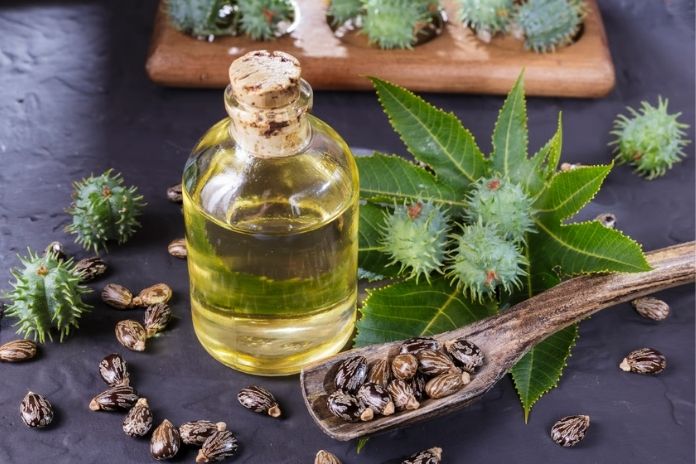
Choosing the right product can make a noticeable difference. Look for castor oil that is cold-pressed and labeled as hexane-free, as this ensures fewer chemical residues. Organic certification is another helpful indicator of quality.
Packaging also matters. Oils stored in dark glass bottles are better protected from light exposure, which can degrade their effectiveness over time.
When deciding between regular and Jamaican black castor oil, consider your goal. Regular cold-pressed oil tends to be better for sensitive or reactive skin, while Jamaican black castor oil is more commonly used for deeper concerns like scarring and uneven texture.
Final Takeaway
Castor oil occupies a unique space in acne care. It isn’t a replacement for proven treatments, but it can be a useful addition when used thoughtfully. Its ability to reduce inflammation, support hydration, and complement other ingredients makes it appealing—especially for those looking for gentler options.
The key is using it strategically. Matching the method to your skin type, keeping expectations realistic, and prioritizing consistency over intensity will determine whether it helps or harms.

References
- Smytten. (n.d.). Castor oil for skin: A step-by-step beauty tutorial.
- Kaya Clinic. (n.d.). Castor oil benefits for face.
- Advait Living. (n.d.). Powerful castor oil benefits & remedies for skincare.
- National Center for Biotechnology Information. (2026). Castor oil in dermatology: A narrative review.
- National Library of Medicine. (2026). Study on dermatological applications of castor oil.
- Care Insurance. (n.d.). Castor oil: Uses, benefits, and side effects.
- National Center for Biotechnology Information. (2023). Therapeutic potential of castor oil in dermatology and hair care.
In this Article