








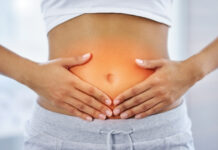
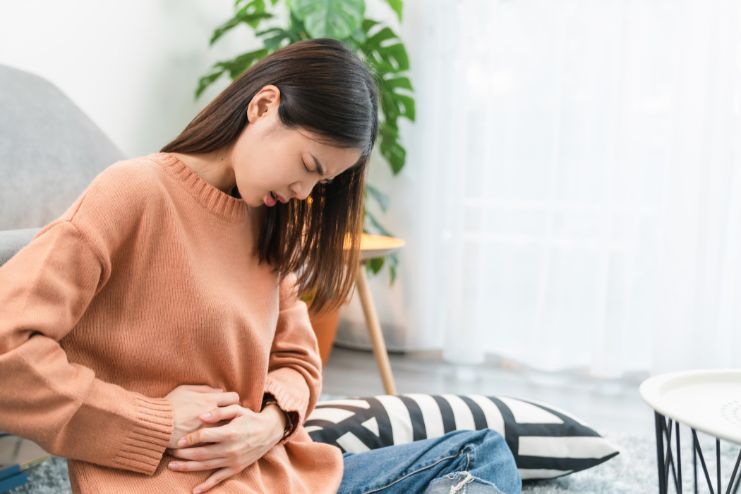
That time of the month is here! If you’re a woman, you must have understood that we are talking about periods! For most women, periods come with a nagging mix of cramps, bloating, exhaustion, irritability, and cravings. Though all too common, these symptoms do not have to dominate your month.
One of the most effective tools to soothe your cycle or PMS symptoms is in your pantry. Selecting the right foods during your period can ease pain, improve mood, and help balance your body’s natural flow. Perhaps just as significant, good hygiene can make you feel cleaner and healthier.
Here’s a useful article that helps us understand what science tells us to eat and avoid eating during our period, along with handy hygiene tips for smoother, less tricky cycle days.
Read More: Can Heavy Periods Be a Sign of Something Serious?
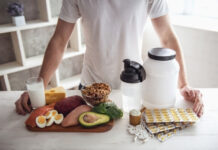
The Best Foods to Eat During Periods (Science-Backed)
Here are a few best foods that are not just science-backed, but extremely effective in reducing menstrual pain:
1. Leafy Green Vegetables
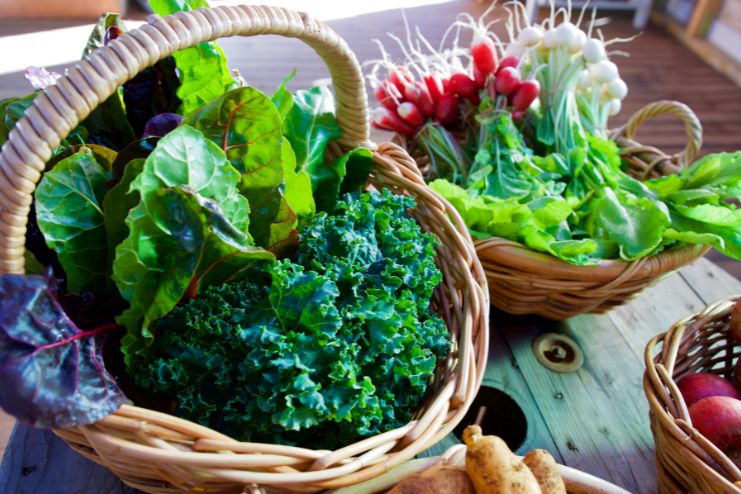
Dark leafy vegetables such as spinach, kale, collard greens, and Swiss chard are among the most suggested foods during menses. They’re high in iron, magnesium, potassium, and calcium—all of which are lost during your menses due to blood loss and hormonal changes. Their dense nutrient intake is used to fight fatigue, prevent anemia, and ease cramping.
How it helps:
Restores lost minerals (particularly iron and magnesium) and fights fatigue.
How to add:
Toss blanched kale and spinach with lettuce, roasted chickpeas, and lemon-olive oil dressing for a rapid nutrient-packed salad.
2. Salmon and Other Fatty Fish
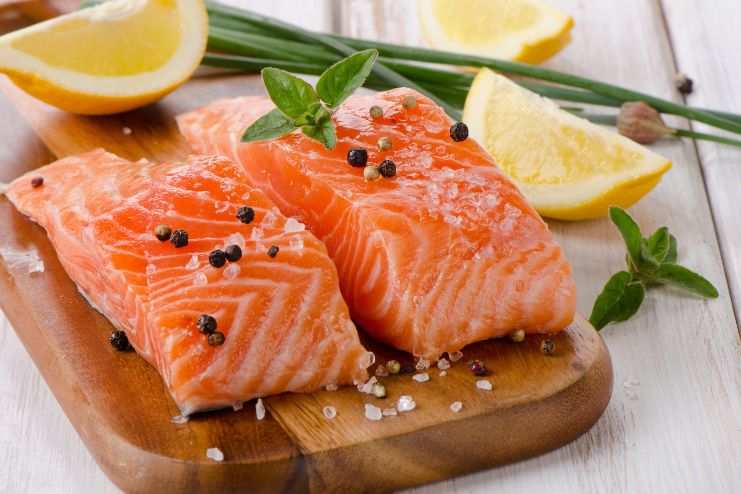
Fatty fish such as salmon, mackerel, and sardines are rich in omega-3 fatty acids, which have potent anti-inflammatory properties. Studies indicate that omega-3s can significantly reduce the severity of menstrual cramps and even diminish the requirement for pain drugs.
How it helps:
Mitigates inflammation and cramping and aids mood equilibrium.
How to include:
Grill a seasoned salmon fillet and have it with a yogurt-dill sauce and steamed greens on the side.
3. Eggs and Lean Red Meat
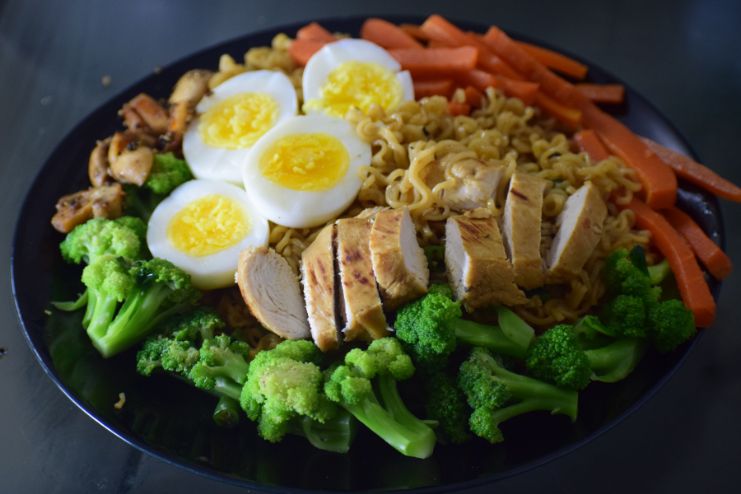
Eggs and lean beef or lamb are great sources of high-quality protein, iron, B12, and healthy fat. These are important nutrients for menstrual times to fight drowsiness, lightheadedness, and anemia.
How it helps:
Restores iron stores, lessens fatigue and maintains muscle function.
How to include:
Mix soft-boiled eggs with homemade beef broth noodles and vegetables in a bowl for a nourishing meal.
4. Whole Grains
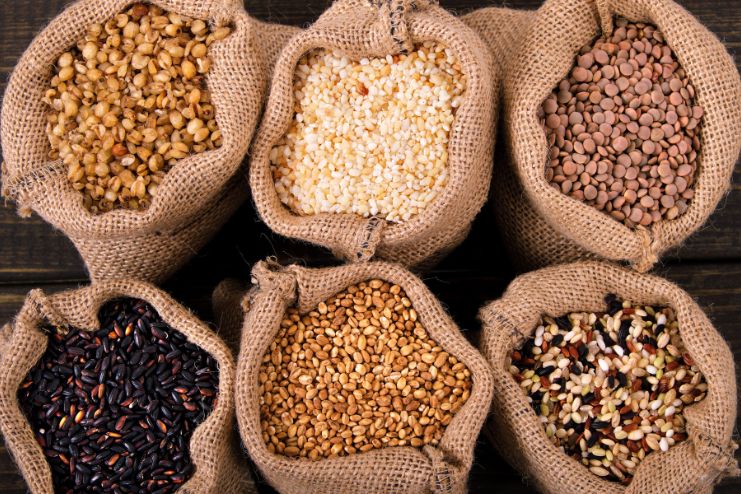
Whole grains such as oats, brown rice, quinoa, and barley offer complex carbs, fiber, and B vitamins. They stabilize blood sugar levels and offer sustained energy, which tends to drop during menstruation.
How it helps:
Calms mood, reduces bloating and gives consistent energy.
How to include:
Overnight soak oats and add bananas, berries, and a dash of honey for a healthy breakfast.
5. Yogurt
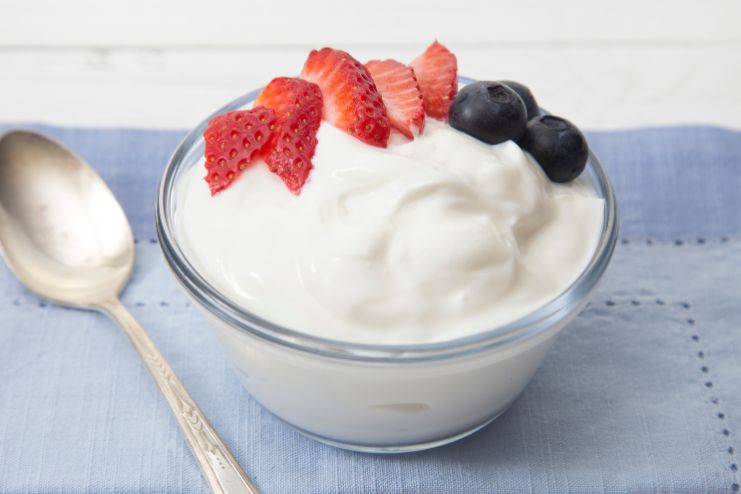
Live culture in yogurt helps digestion, makes gut health more robust, and provides a good amount of calcium to fight menstrual cramping. It’s soothing, easy to digest, and commonly well-tolerated during this time.
How it helps:
Relieves cramps, maintains a healthy gut, and replaces calcium.
How to incorporate:
Mix with raspberries and top with whipped cream and granola for a yogurt parfait.
6. Bananas
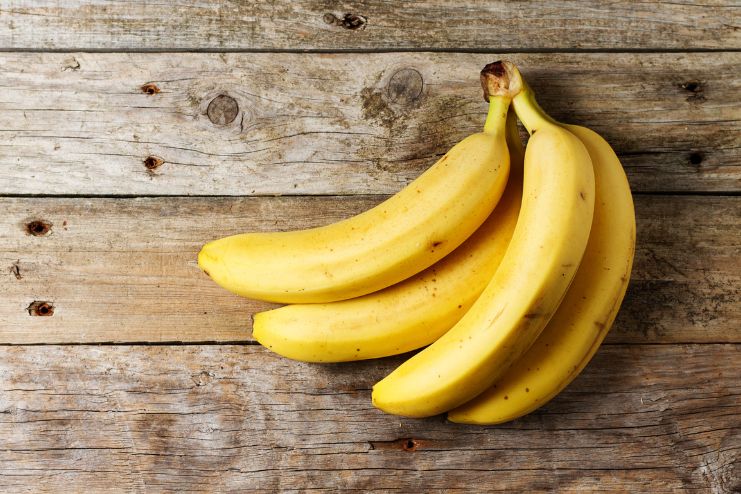
Bananas are a period comfort food staple—and for good reason. They contain potassium, magnesium, and fiber, all of which relieve bloating and digestive pains. They may also aid in improved mood management due to vitamin B6.
How it helps:
Eases bloating, normalizes digestion, and stabilizes mood.
How to include:
Use slices of banana on oatmeal or puree into a smoothie with milk or nut butter.
7. Dark Chocolate
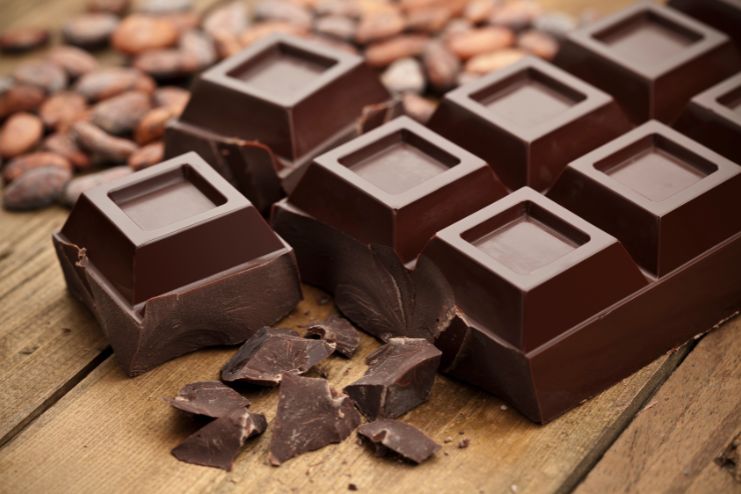
If chocolate cravings hit you during your period, go for the dark (at least 70% cacao). Dark chocolate contains magnesium, iron, and antioxidants, all of which ease cramps and improve your mood.
How it helps:
Relieves cramps, enhances mood, and healthily fulfills cravings.
How to include:
Melt dark chocolate with cream to create a ganache and drizzle it over muffins or fruit.
Read More: 26 Things You Should Avoid During Periods – Experts Advice!
8. Green or Chamomile Tea
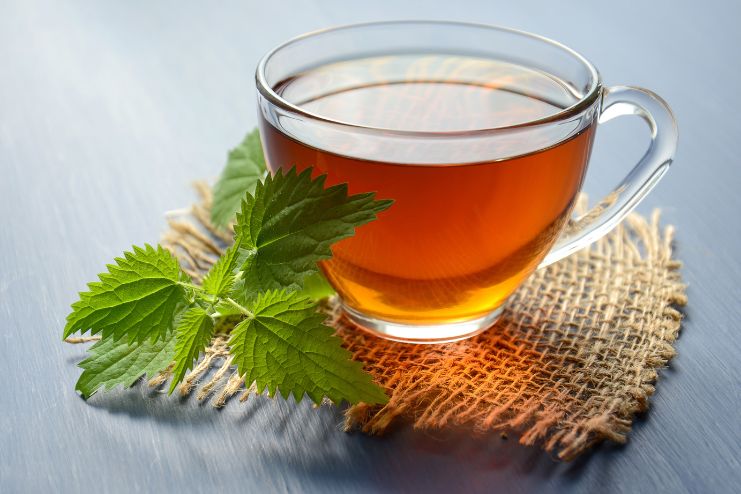
Green tea is full of antioxidants that reduce inflammation and balance estrogen levels, and chamomile tea contains apigenin, a compound that has been proven to soften muscle spasms and anxiety.
How it helps:
Relaxes cramps, enhances mood, and diminishes bloating.
How to include:
Steep your tea for 3–5 minutes, add honey or lemon, and drink warm during the day or at night.
9. Walnuts, Seeds and Legumes
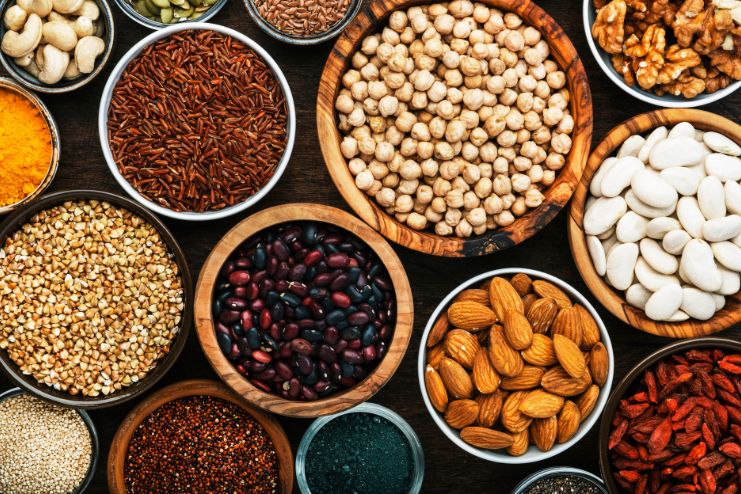
They are high in omega‑3 fatty acids, magnesium, zinc, and plant-based protein. Walnuts fight inflammation and support hormonal balance, while legumes and seeds such as flax and sunflower provide sustained energy, ease digestion, and alleviate period pain.
How it helps:
Reduces menstrual discomfort, enhances hormonal balance, and combats iron or protein loss-related fatigue.
How to include:
Mix legumes such as chickpeas and lentils, and boil until tender. Toss in salad, chopped vegetables, some olive oil drizzle, and some roasted sesame or sunflower seeds.
10. Cinnamon
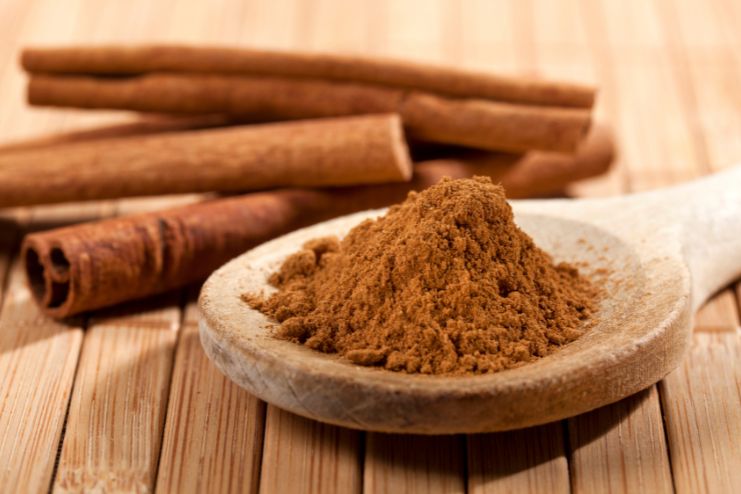
Cinnamon is not only a cozy and comforting spice—it has anti-inflammatory and analgesic properties. According to a study, cinnamon decreased pain severity and menstrual flow in young women.
How it helps:
Acts as a natural pain killer and offers circulatory support.
How to use:
Mix ½ tsp of cinnamon and 1 tsp of honey in warm milk and drink before sleeping.
11. Fenugreek Seeds
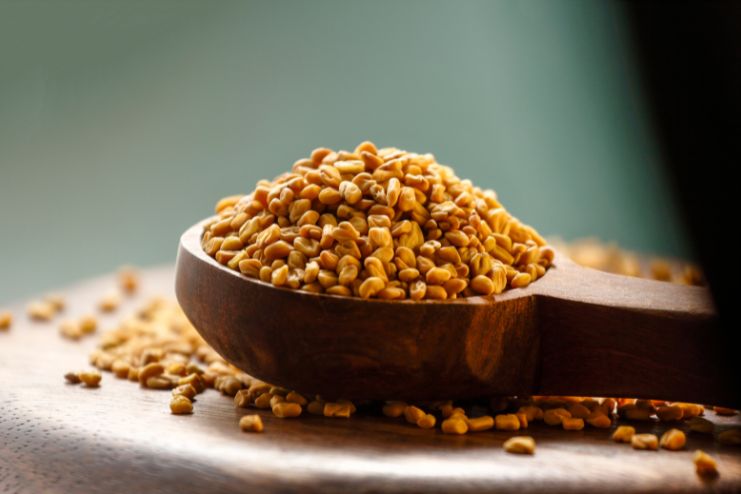
Ancient medicine has used fenugreek seeds for centuries, and now science supports their ability to reduce menstrual pain and cramps. These seeds include plant constituents with muscle-relaxing and anti-inflammatory effects.
How it helps:
Drastically lowers the intensity and duration of period cramps and enhances digestion.
How to use:
Soak 1 teaspoon of fenugreek seeds in water overnight. Strain and consume this water on an empty stomach the following morning.
12. Wheat Germ
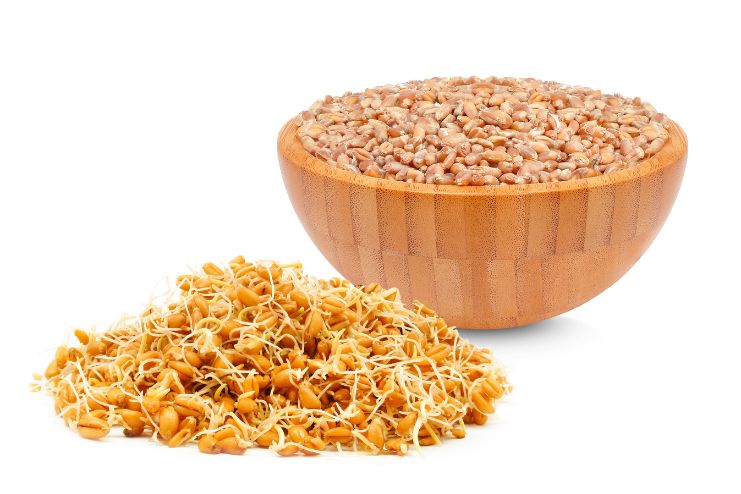
Wheat germ, the nutrient-dense center of the wheat kernel, is a nutritional powerhouse. It’s loaded with vitamin B6, vitamin E, magnesium, and zinc—nutrients that help with mood, energy, and hormone management during your cycle.
How it helps:
Eases cramps, fights fatigue, and helps with hormonal balance.
How to include:
Boil water and add 1 cup wheat germ. Add a little sugar or honey and a splash of milk. Serve topped with sliced banana or berries as a healthy breakfast.
13. Vitamin-Rich Foods
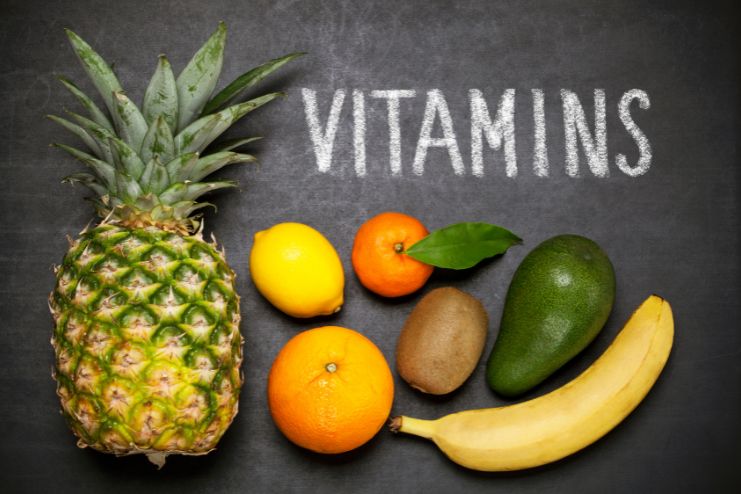
Your body needs more vitamins during your period to offset fatigue, mood swings, and muscle tension. Vitamins B6, C, and E are especially helpful—B6 for mood, C for iron absorption, and E for reducing cramps and breast tenderness.
How it helps:
Supports energy, hormone regulation, and emotional stability during your period.
How to include:
Consume a combination of eggs, avocado, citrus fruits, sweet potatoes, and oatmeal. Breakfast with eggs and toast, and orange slices is an excellent morning starter.
Read More: Causes of Butt Cramps During Periods – Effective Relief and Solutions!
Foods to Avoid During Your Period
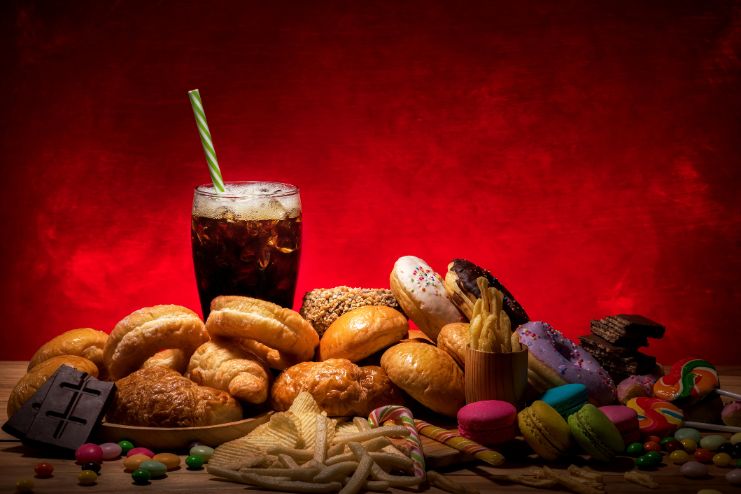
The following are the usual foods that worsen cramps, bloating, and mood swings during periods:
1. Alcohol
Alcohol dehydrates, can cause water retention, exacerbate cramps, and interfere with hormones. It also impairs liver detoxification, which is important for eliminating excess estrogen.
2. Caffeine
Excessive caffeine narrows blood vessels and elevates stress hormones, which may exacerbate anxiety, breast tenderness, and cramps. It can also interfere with sleep.
3. Full-Fat Dairy
Dairy products such as cheese, cream, and whole milk contain high levels of arachidonic acid, a fatty acid responsible for the synthesis of prostaglandins, which strengthen uterine contractions and cramps.
4. Fried and Processed Foods
Chips, processed snacks, and fast foods are saturated with sodium, preservatives, and unhealthy fats. These encourage inflammation, water retention, and gastrointestinal upset.
5. Carbohydrate-Rich Foods
Pastries, sweets, and soda spike your blood sugar, causing mood swings and energy crashes. This roller coaster effect can exacerbate irritability and food cravings.
6. Refined Grains
White bread, pasta, and rice are devoid of fiber and other nutrients. They are easily digested and cause fluctuations in blood sugar, which may result in bloating and exhaustion.
7. Extremely Spicy Food
Spicy foods irritate the lining of the stomach and cause stomach problems such as acid reflux or diarrhea, which aggravate period symptoms.
8. Big Meals
Digestion slows down slightly during your period because of hormonal fluctuations. Consuming large amounts of food makes you feel heavy, bloated, and experience excessive pressure in your abdominal region.
Foods That May Help—But Need More Evidence
Certain foods and herbs are popularly used during menses, but additional clinical studies are necessary to confirm their benefits.
- Pineapple is rich in bromelain, an enzyme believed to decrease inflammation and help digestion.
- Peppermint calms digestion and can soothe headaches or bloating.
Again, these aren’t bad and might help indirectly, but it’s best to stick with the established foods mentioned above for better results.
Menstrual Hygiene Tips You Shouldn’t Ignore
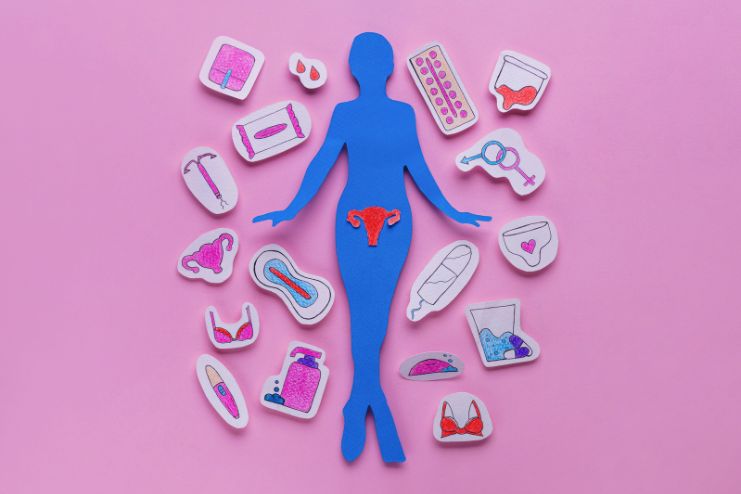
Food is only one piece of the puzzle—proper hygiene is just as important during your cycle. Staying clean not only prevents infections but also improves your comfort and confidence.
- Use clean, reliable period products. Choose sanitary pads, tampons, or menstrual cups made from high-quality materials.
- Change sanitary napkins regularly. Even on light flow days, change pads or tampons every 4–6 hours to avoid irritation or bacterial buildup.
- Stay away from scented soaps or cleansing products. Your vagina cleanses itself. Clean with warm water or pH-balanced body cleansers to prevent upsetting good bacteria.
- Dispose of the used pads correctly. Cover used tampons or pads with toilet paper or disposal bags—never flush them.
- Take daily showers as they help reduce sweat, smell, and bacterial growth in the genital area. Warm baths might also ease cramps.
Final Thoughts
Periods will always be a challenge, but they don’t have to be so unbearable—with the right assistance. Making anti-inflammatory, iron-dense, and gut-friendly foods such as leafy greens, salmon, yogurt, and dark chocolate a staple can improve your well-being. In the meantime, avoiding ultra-processed, salty, or sweet foods will ensure that bloating and moods are kept at bay.
Pair that with proper hygiene and rest, and your monthly cycle becomes less of a burden—and more of an opportunity to tune in and care for your body.
References
- https://pmc.ncbi.nlm.nih.gov/articles/PMC4222016
- https://www.mdpi.com/2223-7747/11/11/1450
- https://www.ircmj.com/article_199053.html
- https://pmc.ncbi.nlm.nih.gov/articles/PMC3498696
- https://www.metropolisindia.com/blog/preventive-healthcare/dark-chocolate-benefits
- https://www.healthshots.com/intimate-health/menstruation/bananas-for-period-pain/
- https://www.plushforher.com/blogs/pop-culture/period-nutrition-foods-to-eat-and-avoid-during-your-cycle
In this Article