









- Not having sex does not harm your health; the body adapts well, and most effects are mild and reversible.
- Physical changes (such as sleep, stress, or libido shifts) can occur, but they are generally small and vary from person to person.
- Emotional and relational factors matter more than biology, with context (personal choice, relationship dynamics, lifestyle) shaping the overall experience.
Dry spells are a part of being human. It might be due to many factors, such as stress, a busy schedule, relationship changes, health, or a shift in your desires.
The question, however, remains: what happens when you stop having sex? The assumption, of course, would be that something dramatic would happen, something that would require immediate attention, considering that your body somehow needs sex to function properly. The truth, however, is entirely the opposite.
The effects of not having sex are neither dramatic nor nonexistent. Sexual activity is linked to various biological processes, so its absence may lead to subtle changes in the body. However, not having sex is a normal part of life and does not cause harmful side effects.
This article takes a closer look at the effects of not having sex for a long time, including what happens to the body when you stop having sex, potential gender differences, and whether these effects are a cause for concern.
It also addresses a common concern: Is it bad not to have sex for a long time?
Read More: Why You Might Feel Dizzy or Faint During or After Sex (Including Orgasm)
Will Not Having Sex Hurt Your Health?
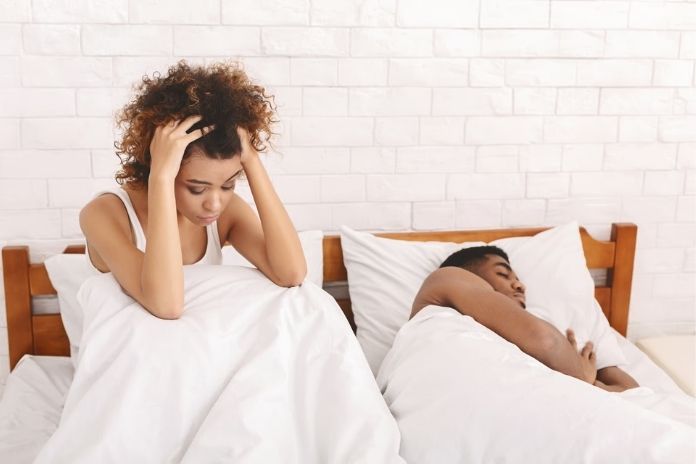
For most individuals, the answer is reassuring: No, it won’t harm your health – there are no lasting effects.
Many often think of sexual intercourse as critical because of the positive outcomes (i.e., better mood, increased sleep quality, and decreased stress levels) associated with sexual activity.
When people ask, ‘Does not having sex affect health?’ they often imagine it as a form of deprivation. The physiology of our bodies does not view sex in that manner.
Rather than being a physiological requirement, sexual activity is more likely to be an additive. Sexual activity positively influences certain systems, particularly those involved in regulating stress and managing emotions; however, these systems do not depend on sex to function effectively.
If sexual activity ceases, the body does not “deteriorate”; it continues to function well, simply without the additional support that sex can provide.
Additionally, it should be acknowledged how inconsistent the frequency of sexual activity can be. Many people believe that having sex once per week may help keep a marriage intact; however, this is not a universal rule. Periods of low frequency or complete absence of sexual activity are common at any age or stage of life.
Sexual abstinence supports women’s physical and mental well-being, playing a role in reproductive health, pregnancy, postpartum care, and family planning while aligning with cultural and personal values. Although the effects of not having sex for a long time do exist, specifically because of the environmental context, they tend to be minor.
The body experiences more adaptation than it does suffering, reinforcing that the overall health effects of celibacy are generally mild.
What Happens Physically When You Stop Having Sex
While considering what happens to your body when you stop having sex, understanding the systems that are heavily and directly impacted by sexual activity can be helpful.
Immune System Dip: The immune system is one of the most surprising areas where sexual activity can have an impact. Studies show that moderating sexual activity increases immunoglobulin A (IgA) levels, a type of antibody that helps the body respond to infections.
This increase may be connected not only to sexual activity itself but also likely connected more to the downstream responses resulting from engaging in sexual activity: decreased stress, improved mood, and hormonal stabilization. We must remember that sexual activity once a week is a sweet spot in any relationship.
After sexual activity stops, these small immune advantages may also decrease; however, the difference in health benefits will be very modest and likely go unnoticed by most.
Sleep Quality Changes: Sleep is another physical change that occurs when sexual activity stops. Sexual activity triggers the secretion of hormones such as oxytocin and prolactin, which relax your body and help you move into deeper sleep cycles, especially REM sleep.
Without the hormonal changes induced by sexual activity, some people may find that it takes longer to go to sleep or feel like they are not sleeping as deeply. Overall, sleep-related changes due to the absence of sexual activity can vary widely, but they may be among the more noticeable effects of abstinence on the body.
Heart Health: We must also consider the link between cardiovascular health and sexual activity. Sexual arousal and climax induce heart rate and an increase in blood flow, providing a mild form of exercise. With consistent sexual intercourse, there may be modest benefits to cardiovascular health.
Studies indicate that sexual intercourse may be associated with various measures of heart health; however, compared to regular exercise, this connection is minimal. Therefore, there is no adverse cardiovascular effect due to cessation of sexual intercourse if there is no concomitant decrease in physical activity.
Stress Hormones Creep Up: Stress regulation may be one of the more tangible dimensions of how sexual activity impacts people’s physical and psychological state. Sexual activity reduces the stress hormone cortisol while increasing endorphin levels, which create feelings of relaxation and pleasure.
If an individual is emotionally reliant upon sexual activity to relieve tension, they may experience an increase in baseline tension as a result of the absence of sexual activity. For this reason, there is a link between not having sex and a rise in stress levels, though this relationship is not universal.
Pelvic Floor Weakness: Finally, an impact that is often overlooked and that can occur from the lack of sexual intimacy. The pelvic floor muscles, which support urinary continence and help in sexual functioning, are conditioned by sexual activity.
Therefore, as the use of pelvic floor muscles decreases over time due to a lack of sexual activity, these muscles also lose some of their tone or strength, contributing to the broader abstinence effects on the body.
However, in each case, these changes are small; they also collectively contribute to the overall experience of how flexible the body is when adapting.
Read More: Is It Healthy to Use a Vibrator? What Science and Sexual-Health Experts Say
Gender-Specific Effects
While many of the general changes apply across genders, some of the side effects of not having sex are more specific due to differences in anatomy and hormone regulation.
For Women: Side Effects of Not Having Sex for a Woman
In the context of what happens to a woman when she stops having sex, the most important factor to consider is the blood flow to vaginal tissues. Let’s look at some of the side effects women may experience from not having sex
Vaginal Changes: The lack of sexual intercourse leads to fewer blood vessels supplying oxygen to the vaginal tissues and surrounding areas. Sexual arousal promotes blood circulation, allowing for connective tissue (elasticity), thickness (hypoxia), and natural lubrication (moisture) to develop within the vaginal region.
However, when stimulation is missing, the tissues may not receive oxygen regularly and may not stretch and expand as frequently.
Menstrual Discomfort: Due to this reduced stimulation over an extended period of time, vaginal dryness may occur, as well as decreased elasticity. For younger women who have stable estrogen levels, the impact of these changes tends to be insignificant.
Conversely, for postmenopausal women, reduced estrogen will worsen the effects of vaginal dryness and decrease elasticity, often resulting in vaginal atrophy. This highlights the importance of vaginal health over time.
Lubrication: Any tightness during sexual activity may be experienced by some women following an extended period of time without engaging in sexual activity. A decrease in lubrication and elasticity (dryness) can cause some women to experience temporary discomfort or tightness.
However, there are ways to reduce this discomfort by gradually reintroducing sexual activity and providing support as needed (i.e., use of a water or silicone-based lubricant).
There is also some evidence suggesting a link between sexual activity and menstrual symptoms. Orgasm may help relieve cramps through uterine contractions and endorphin release, so its absence could lead to slightly more noticeable discomfort during periods.
It’s important to stress that these effects are not the same for all women.
For Men: Side Effects of Not Having Sex for a Man
For men, the side effects of not having sex are often discussed in relation to prostate health and erectile function, as well as what happens when a man is not sexually active for some time.
Prostate Health: One of the most debated topics is the frequency of ejaculation. Some research suggests that men who ejaculate more frequently may have a lower risk of prostate cancer. This has led to an ongoing debate about a possible link between prostate cancer and not ejaculating, although the evidence is not definitive. What appears to matter most is not partnered sex specifically, but the frequency of ejaculation overall.
Erectile Function: Another area of interest is erectile function. Regular erections help maintain blood flow and oxygenation in the penile tissue. Over long periods of reduced activity, particularly in older men, there may be a slight increase in the risk of erectile dysfunction (ED).
However, it’s important to clarify that whether abstinence causes erectile dysfunction is not clear. ED is influenced by a wide range of factors, including cardiovascular health, hormone levels, and psychological state.
There is also a neurological component. Sexual activity reinforces pathways related to arousal and response. When those pathways are used less frequently, responsiveness may decrease slightly, though this is typically reversible.
Blue Balls: “Blue balls,” medically referred to as epididymal hypertension, is a real but harmless condition that can occur after prolonged sexual arousal without ejaculation. It may cause a dull ache or heaviness in the testicles due to increased blood flow and pressure.
While uncomfortable, it is not dangerous and does not lead to any long-term health issues. The discomfort usually resolves on its own or can be relieved through ejaculation, such as masturbation.
When people ask what happens when a man is not sexually active, the most accurate answer is that the body adapts rather than deteriorates. As long as erections and ejaculation occur periodically, whether through sex or masturbation, most physiological systems remain active.
Mental and Emotional Effects of Sex
The Mental Health Side: Mood, Connection, and Libido
The effects of not having sex on mental health are often more noticeable than the physical ones, but they are also more dependent on context.
Mood: Sex influences mood through the release of endorphins and oxytocin, chemicals associated with pleasure, bonding, and emotional stability. Without these, some individuals may notice subtle shifts in mood, such as increased irritability or a lower sense of emotional release.
A 2009 study from the University of North Carolina found that postmenopausal women with low sexual desire were more likely to experience depression, back pain, and memory problems, suggesting it can affect overall quality of life.
However, this does not mean that abstinence causes depression. Mental health outcomes depend significantly on overall lifestyle, relationships, and coping mechanisms.
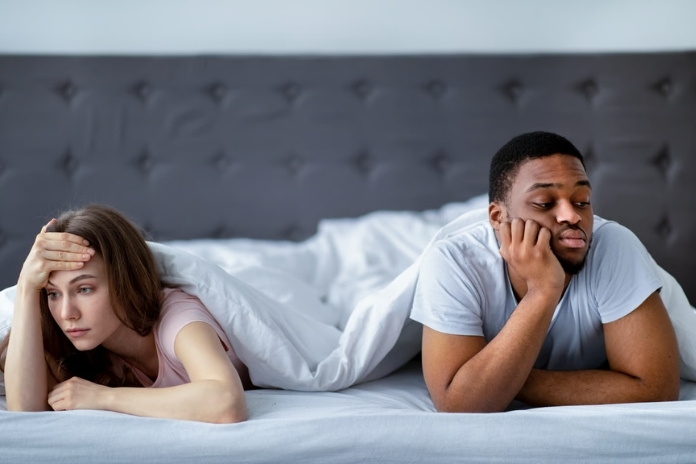
Relationship Connection: In relationships, the absence of sex can have a different impact. Physical intimacy often serves as a form of communication and connection, so a prolonged dry spell may create emotional distance if it is not mutually understood or maturely handled. At the same time, emotional intimacy can be maintained in other ways, and the importance of sex varies between couples.
Libido Changes: Libido introduces another layer of complexity. One of the more interesting abstinence effects on the body is that desire does not always decrease. In some individuals, libido actually decreases over time in an “out of sight, out of mind” fashion, while in others, libido increases. This indicates that libido is affected by psychological and environmental factors.
Mental Clarity: We must also remember that not all abstinence is involuntary. Celibacy, which is voluntary abstinence, is not typically associated with any mental health consequences. The emotional response to abstinence is based on whether or not it is in line with one’s personal preferences.
Read More: Pain After Sex: Common Causes, What’s Normal and When to See a Doctor
What About Masturbation?
Does Solo Sex Count?
From a biological point of view, yes, it absolutely does.
Some physical processes related to sex, like hormone secretions, stress relief, and sexual function, can actually be fulfilled with masturbation. Therefore, masturbation is an important element to consider while assessing the health effects of celibacy.
For instance, orgasmic ejaculation can actually provide health benefits to the prostate. Similarly, masturbation can provide similar benefits to what is experienced with arousal.
The importance of masturbation can be further emphasized when considering what happens if you don’t have sex for years. The presence of masturbation can actually reduce or eliminate many of the changes discussed in the previous sections.
However, masturbation cannot provide an individual with what is missing in celibacy—the relational and emotional components of sex.
When Should You Talk to a Doctor?
When to Get Help
Not having sex is not a medical problem in itself; however, the reasons for it may be.
If you are sexually active but cannot have sex due to pain, anxiety, or lack of interest, it may be worth looking into. Sudden changes in your sex drive may be related to hormonal changes, stress, or other medical problems. Problems with erectile dysfunction or vaginal dryness that cause pain may also be a problem that needs to be looked into.
The good news is that we have help for these problems. There are medical practitioners, psychologists, and pelvic floor therapists who can help get to the bottom of these problems. Sexual health is related to overall health and lifestyle; changes in one area may indicate changes in another.
Conclusion
While the side effects of not having sex are real, they are often exaggerated. Most changes are minor, incremental, and easily reversible, which is a testament to the body’s powers of adjustment.
So, is it bad not to have sex for a long time? The answer is, for most people, no. Your body may register the difference, especially in areas like stress, sleep, and sex, but it is not harmed in any permanent way. Ultimately, the effects of a dry spell have less to do with the lack of sex and more to do with how it fits into your overall physical and emotional health.
FAQs
Q. How long can you go without sex?
A. There is no biological limit. People can go months or years without sex without harming their health.
Q. What happens if you don’t have sex for years?
A. You may notice shifts in libido, stress response, or sexual comfort, but these changes are typically reversible.
Q. Does not having sex affect your health?
A. It can influence areas like sleep, stress, and hormonal balance, but the effects are generally mild.
Q. Is celibacy healthy for your body?
A. Yes. Both voluntary celibacy and abstinence can be completely healthy, and the health effects of celibacy are generally neutral or mild.
Q. Does abstinence affect libido?
A. Yes, but not in a single direction. It may either increase or decrease depending on the individual.
Q. Can not having sex cause depression?
A. No direct causal link exists, though it may influence mood in some people.
Q. What are the benefits of not having sex?
A. Reduced risk of sexually transmitted infections, fewer relational complications, and greater autonomy over time and energy.

References
- Katiyar, D. (2023, October 23). Not having sex lately? Know its physical and mental side effects. HealthShots.
- WebMD. (n.d.). Blue balls (epididymal hypertension). WebMD.
- Zhang, Y., et al. (2024). Association between ejaculation frequency and prostate cancer risk: A systematic review and meta-analysis. PubMed Central (PMC).
- Rescripted. (n.d.). Period pain: Does sex offer relief?
- WebMD. (n.d.). Effects of stopping sex (slideshow). WebMD.
- van Lankveld, J. J. D. M., et al. (2020). The relationship between subjective and physiological sexual arousal in women with and without arousal concerns. ResearchGate.
- Charnetski, C. J., & Brennan, F. X. (n.d.). Sexual frequency and salivary immunoglobulin A (IgA). Academia.edu.
- Postmenopausal Women’s Loss Of Sexual Desire Affects Health, Quality Of Life. Science Daily.
In this Article