












A lot of people think a sinus infection is just a bad cold that refuses to leave. Not exactly. With a cold, you mostly feel sick. With sinusitis, you often feel blocked. Your nose feels stuffy. Your face feels heavy. Sometimes there is pressure near the cheeks or around the eyes that is difficult to describe. Not severe pain. Just a feeling that something is sitting there.
Sinusitis, also called rhinosinusitis, happens when the lining inside the sinuses becomes inflamed. The sinuses are small air-filled spaces inside the bones of the face. Normally, nobody notices them. But once they become swollen and mucus gets trapped, they suddenly make their presence known.
It is one of the most common reasons people visit a doctor. Yet many people are not sure whether they have sinusitis, allergies, or simply a cold that is taking longer than expected. The good news is that most sinus infections are caused by viruses and settle on their own. The difficult part is knowing when symptoms are normal and when they need medical attention.
- Sinusitis symptoms commonly include facial pressure, blocked nose, thick yellow or green mucus, reduced smell, postnasal drip, and headaches that worsen when bending forward.
- Symptoms lasting beyond ten days, worsening after initial improvement, or occurring with high fever and severe facial pain may require medical assessment.
- Understanding symptom patterns and duration helps distinguish sinusitis from a common cold and identify when treatment is needed.
Read More: Top 5 Viral Infections Mistaken for Allergies (And How to Spot the Difference)
The Main Symptoms of Sinusitis and Why They Happen

The symptoms often arrive in a way that feels ordinary at first.
1Facial Pressure And Pain
You wake up in the morning, and the area around your cheeks feels tight. Or maybe there is pressure between the eyes. “This occurs because the sinuses sit in areas above, below, and next to the eyes,” explains Dr. Ming Wang, an ophthalmologist. Suddenly, the face feels fuller.
The location can vary. Pain in the cheeks or upper teeth is often linked with maxillary sinusitis. Forehead pain may happen with frontal sinusitis. Pressure around the eyes can happen when the ethmoid sinuses are involved. People are sometimes surprised that a sinus problem can feel like a dental problem. Upper tooth pain is actually quite common.
2Nasal Congestion
A blocked nose sounds like a small problem until it lasts for days. You keep trying to breathe through one nostril. Then the other. Neither feels fully open. Some people notice they sleep with their mouth open. Others wake up repeatedly during the night because breathing feels uncomfortable.
Inside the nose, swelling narrows the normal drainage pathways. Mucus cannot move as easily. Everything starts feeling congested. This is why nasal congestion and sinusitis often feel different from an ordinary cold. The blockage feels deeper and tends to stay longer.
3Thick Nasal Discharge
Most people pay attention to tissue paper before they pay attention to anything else. At the beginning, the mucus may be clear. Then it becomes thicker. Yellow. Green. Sometimes sticky enough that it feels difficult to clear completely. Many people immediately assume this means a bacterial infection.
Actually, not always. The color often comes from the body’s immune cells doing their job. Viral sinusitis can also produce green mucus. So color alone does not tell the whole story.
4Reduced Sense Of Smell
This symptom usually sneaks in quietly. One day, coffee smells weaker. Food tastes less interesting. You can still eat. You can still smell things. But everything seems slightly muted. Most people don’t connect this symptom with sinusitis immediately. They realise it only after congestion improves and normal smell returns.
5Postnasal Drip
This symptom annoys people more than they expect. There is a feeling that something keeps sliding down the back of the throat. You clear your throat. A few minutes later, you do it again. The throat may feel irritated, especially after waking up.
Some people develop a cough that seems worse at night. Others feel completely fine during the day but keep coughing once they lie down. Usually, this is postnasal drip rather than a chest problem.
6Sinusitis Headache

Not every headache is caused by sinusitis. But when sinus pressure builds, headaches can happen. Many people describe it as a dull ache rather than a sharp pain. The forehead feels heavy. The area around the eyes feels tight. One thing doctors often hear is this: “It hurts more when I bend down.” That small detail is actually quite common in sinus-related headaches.
Morning headaches are also frequently reported. After lying flat for several hours, mucus may not drain as efficiently, so pressure can feel worse after waking up.
Other Symptoms That Can Happen
Not everybody gets the textbook symptoms. Some people mainly complain about tiredness. Others notice ear pressure. The ears feel blocked, almost like sitting in an aeroplane during takeoff. Bad breath can also happen. It is not usually discussed much, but many patients notice it during a sinus infection.
A mild fever sometimes occurs in acute sinusitis as well. High fever is different. Especially when it comes with severe headache, neck stiffness, or swelling around the eyes. Those symptoms need medical attention rather than home treatment.
Acute vs Chronic Sinusitis
This part is important because many people focus only on symptoms. Doctors also focus on time. If symptoms last less than four weeks, it is called acute sinusitis. This is the most common form and usually develops after a cold. If symptoms continue between four and twelve weeks, it is called subacute sinusitis.
Once symptoms continue beyond twelve weeks, the condition is considered chronic sinusitis. Chronic sinusitis is often not just an infection problem. Sometimes allergies are involved. Sometimes, there are nasal polyps.
Sometimes there is a structural issue inside the nose that keeps preventing proper drainage. There is also another pattern doctors watch for. A person gets sinus infections again and again. Four or more times every year. Each episode improves, then returns months later. That pattern is called recurrent acute sinusitis and usually needs further evaluation.
Sinusitis vs Cold: How to Tell the Difference

This is where many people get confused. “A sinus infection has similar symptoms to the common cold, which is a viral infection of the nose and throat,” says Dr. Kevin Hur, a rhinology specialist. For the first few days, a cold and sinusitis can feel almost identical.
Runny nose. Congestion. Mild headache. No obvious difference. The separation usually becomes clearer with time. A typical cold starts improving within seven to ten days. Sinusitis often hangs around longer. Sometimes symptoms even worsen after seeming to improve.
Doctors sometimes call this “double sickening.” You start feeling better. Then suddenly the congestion returns. Facial pressure increases. Thick mucus appears again. That pattern raises suspicion of a secondary sinus infection.
The type of symptoms can also help. A cold often affects the whole body. You may have body aches, a sore throat, and general fatigue. Sinusitis tends to localize itself. More pressure on the face. More blockage. More discomfort around specific sinus areas.
Bacterial vs Viral Sinusitis: Why the Difference Matters
“One of the biggest misconceptions about sinus infections is that every sinus infection needs antibiotics. Most don’t. For some patients, the swelling inside the nose can be so severe that in addition to antibiotics, they will also need a prescription for low-dose oral steroids,” says Dr. Melynda Barnes, a facial plastic and reconstructive surgeon.
In fact, most sinusitis starts because of a virus. Usually, the same viruses that cause the common cold. The problem is that viral and bacterial sinusitis can feel surprisingly similar. A blocked nose is a blocked nose.
Pressure in the cheeks feels the same. Even green mucus can happen in both. This is where timing becomes important. If symptoms are slowly improving, even if progress feels frustratingly slow, it is often viral sinusitis. Bacterial sinusitis becomes more likely when symptoms stay for more than ten days without improvement.
Severe facial pain can be another clue. High fever above 39°C is another one. Then there is the pattern doctors often pay attention to. You get sick. You start recovering. A few days later, everything gets worse again. More congestion. More pressure. More mucus. That “better-than-worse” pattern is often what raises suspicion for a secondary bacterial infection.
The reason this distinction matters is simple. Antibiotics help with bacterial infections. They do nothing for viral sinusitis. Many people take antibiotics expecting quick relief, only to discover they feel exactly the same after several days because the infection was never bacterial in the first place.
Read More: How To Get Rid of A Sinus Infection Fast At Home?
Symptomatic Relief: What Helps While Sinusitis Resolves
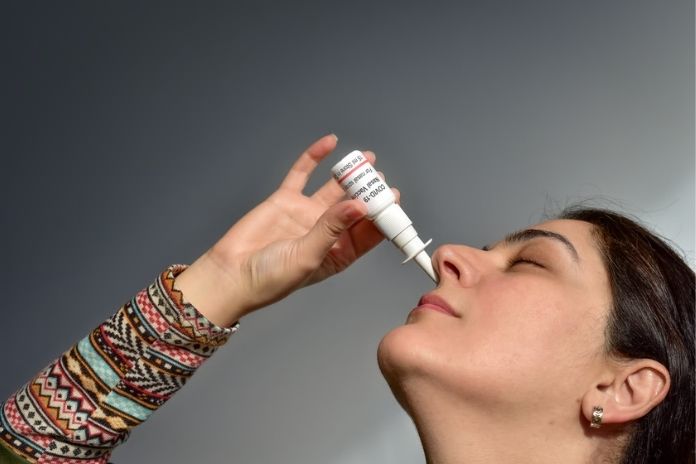
When people search for sinusitis symptoms, what they often want next is relief. The good news is that a few simple things can make the waiting period easier. Saline nasal rinses help many people. Some use saline sprays. Others prefer a neti pot. The goal is basically the same. Flush out mucus. Help with drainage. Reduce some of the congestion.
Results are not dramatic after one use. But many people notice steady improvement when they use saline regularly. Steam can help too. Not because it cures sinusitis. It doesn’t. The effect is often temporary, but warm, moist air can make congestion feel less intense. Even a hot shower sometimes provides a short break from that blocked feeling.
Warm compresses on the cheeks or forehead may help with sinus pressure. Simple things. Nothing dramatic. For pain or fever, paracetamol or ibuprofen may be useful if appropriate for the individual. Hydration matters as well. Nobody drinks water thinking, “This will fix my sinus infection.”
But when mucus becomes very thick, staying hydrated can make drainage a little easier. Decongestants are another option. Many people find them helpful for short periods. The important word is short.
Nasal decongestant sprays should generally not be used for more than three to five days. Beyond that, the nose can become dependent on them, and congestion may actually become worse. A lot of people discover this the hard way.
When to See a Doctor For Sinus Infection

Most sinus infections improve on their own. But not all of them. A good rule is to watch the overall direction. Are things gradually getting better? Or are they staying the same week after week? If symptoms have lasted more than ten days without improvement, it is reasonable to seek medical advice. The same applies if symptoms initially improve and then suddenly worsen.
High fever above 39°C, along with severe facial pain, deserves attention as well. Some symptoms should never be ignored: Swelling around the eyes, double vision, and vision changes. These can sometimes suggest the infection is spreading beyond the sinuses.
Severe headache with neck stiffness is another warning sign. Confusion, difficulty staying alert. These require urgent assessment. Then some people seem to get sinus infections repeatedly.
Four or more episodes in a year is not something to simply accept as normal. There may be an underlying issue contributing to the problem. And if symptoms have continued for more than twelve weeks, chronic sinusitis becomes a possibility, and specialist evaluation may be needed.
Read More: When to See an Immunologist for Chronic Sinus Problems
7Conclusion
A sinus infection usually announces itself in a fairly predictable way. The face feels heavy. The nose feels blocked. Mucus becomes thicker. Smell becomes weaker. Sometimes the headache is what gets most attention.
Many people assume these symptoms automatically mean antibiotics are needed. Most of the time, they don’t. Most sinusitis is viral. It improves with time, supportive care, and a bit of patience.
What matters more is recognizing the patterns. How long symptoms have been present. Whether they are improving or worsening. Whether warning signs are appearing. Knowing those differences makes it much easier to decide when home care is enough and when it is time to see a doctor.
- Facial pressure is often the symptom people notice first, but reduced smell and postnasal drip can sometimes appear even before significant pain develops.
- Green or yellow mucus does not automatically mean a bacterial infection. Many viral sinus infections produce the same type of discharge.
- Duration matters as much as symptoms. The same blocked nose can mean very different things at day three compared with week six.
- Not every “sinus headache” is actually caused by sinusitis. Research continues to show that migraines are frequently mistaken for sinus infections.
- One ongoing research question is why some people develop chronic sinusitis after seemingly routine infections while others recover completely.
-
Jun 2016Written by Abhro
-
Jun 2026Edited by Dr. Aditi Bakshi
8References
- Cleveland Clinic. (2023, July 26). Chronic Sinusitis: Symptoms, Causes, Treatments.
- Jones, N. S. (2009). Sinus headaches: avoiding over- and mis-diagnosis. Expert Review of Neurotherapeutics, 9(4), 439–444.
- PMC. (2001). Antimicrobial treatment guidelines for acute bacterial rhinosinusitis. Disease-a-Month, 47(11), 537–585.
- Tikku, T., Khanna, R., Sachan, K., Srivastava, K., & Munjal, N. (2013). Dimensional changes in maxillary sinus of mouth breathers. Journal of Oral Biology and Craniofacial Research, 3(1), 9–14.
In this Article