














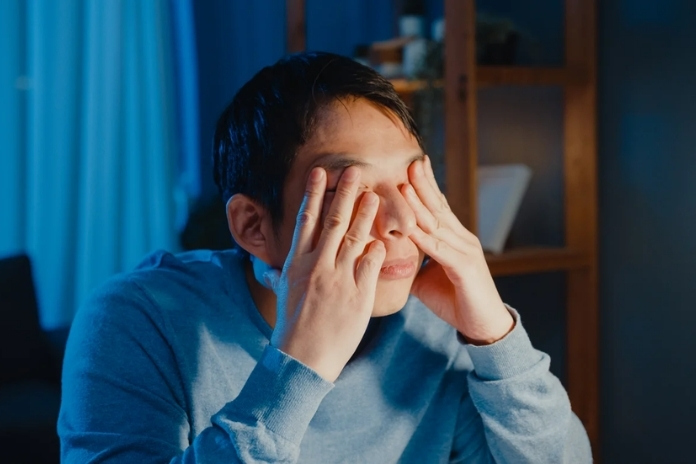
Many people wonder how to cope with sleep deprivation, especially when work, family responsibilities, or insomnia make it difficult to get enough rest. For short-term sleep loss, strategic napping, careful caffeine use, and morning light exposure can help improve alertness. However, chronic sleep deprivation requires addressing the underlying cause.
When insomnia is involved, Cognitive Behavioral Therapy for Insomnia (CBT-I) is the first-line treatment recommended by sleep medicine experts. While sleep debt cannot be erased in a single night, consistent, healthy sleep can reverse most cognitive effects within 1 to 2 weeks.
Learning how to cope with sleep deprivation has become increasingly important because roughly one in three adults regularly gets less than the recommended seven to nine hours of sleep per night. Sleep deprivation is not a rare condition or a personal failure.
- Sleep deprivation affects memory, mood, metabolism, heart health, and immune function, especially when it becomes chronic.
- For short-term sleep loss, strategic naps, caffeine timing, and morning light exposure can improve alertness until recovery sleep is possible.
- Complex carbs (rice, pasta, peas, maize, potatoes, and whole grains)
- When insomnia causes ongoing sleep deprivation, CBT-I is the most evidence-based treatment and is recommended as the first-line approach.
Read More: How Sleep Apnea Affects Your Heart: Risks You Shouldn’t Ignore
What Sleep Deprivation Actually Is—and Why the Distinction Between Acute and Chronic Matters
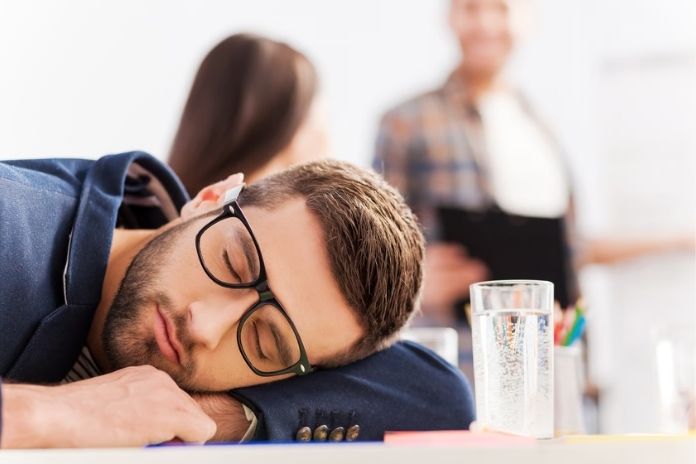
Sleep deprivation occurs when a person consistently gets less sleep than their body needs for healthy functioning. However, sleep deprivation is not a single condition.
Acute Sleep Deprivation
Acute sleep deprivation occurs when a person gets inadequate sleep for one or several nights. This may happen because of work deadlines, travel, illness, parenting responsibilities, or occasional insomnia.
The effects are usually immediate and may include daytime fatigue, slower reaction times, poor concentration, irritability, and reduced alertness. Even one night of restricted sleep can impair cognitive performance in ways similar to alcohol intoxication. Fortunately, these effects are generally reversible once adequate recovery sleep is obtained.
Chronic Sleep Deprivation
Chronic sleep deprivation occurs when a person regularly sleeps less than seven hours per night for weeks, months, or years. Unlike a single poor night of sleep, chronic sleep deprivation creates a cumulative burden on the body.
The repeated lack of restorative sleep increases the risk of long-term health problems affecting the heart, metabolism, immune system, and mental well-being. Acute sleep deprivation can often be managed with short-term coping strategies, while chronic sleep deprivation requires identifying and addressing the underlying cause.
What Sleep Deprivation Does to the Body — the Evidence Base

Sleep supports nearly every major system in the body. When sleep becomes inadequate, important biological processes are disrupted.
Cognitive Impairment
One of the most immediate effects of sleep deprivation involves the brain. Sleep plays a critical role in memory consolidation. During deep sleep and REM sleep, the brain processes information learned throughout the day and transfers it into long-term storage. When sleep is restricted, this process becomes less effective.
Even a single night of insufficient sleep can impair memory, attention, learning ability, decision-making, and problem-solving skills.
Metabolic Disruption
Sleep deprivation also affects hormones that regulate appetite and metabolism. Research shows that inadequate sleep increases levels of ghrelin, the hormone that stimulates hunger, while decreasing leptin, the hormone responsible for signaling fullness. As a result, people often experience stronger cravings for calorie-dense foods and larger portion sizes.
Studies have found that individuals sleeping six hours or less per night are more likely to develop obesity compared with those who consistently sleep seven to nine hours.
Cardiovascular and Immune Effects
Healthy sleep supports cardiovascular recovery and immune function. Chronic sleep deprivation has been associated with elevated blood pressure, increased inflammation, and higher levels of stress hormones. Over time, these changes may contribute to a greater risk of heart disease and cardiovascular events.
The immune system also depends on adequate sleep. White blood cells and immune signaling molecules follow circadian rhythms that rely on consistent sleep patterns.
Mental Health Effects
The relationship between sleep and mental health works in both directions. Sleep deprivation can worsen symptoms of anxiety, depression, irritability, and emotional instability. At the same time, mental health conditions often make it more difficult to sleep well.
One important factor is cortisol, the body’s primary stress hormone. Chronic sleep deprivation can elevate cortisol levels, which may contribute to mood disturbances and increase vulnerability to emotional stress.
What Actually Helps in the Short Term — Evidence-Based Acute Coping

When sleep deprivation is temporary, several evidence-supported strategies can help improve alertness and functioning until recovery sleep becomes possible.
Strategic Napping
Strategic napping is one of the most effective tools for managing acute sleep deprivation. A short nap lasting approximately 10 to 20 minutes can improve alertness, reaction time, and cognitive performance without causing significant grogginess.
Early afternoon, usually between 1 p.m. and 3 p.m., is often the ideal time because it aligns with the body’s natural circadian dip in energy. Longer naps may increase the likelihood of waking from deep sleep, which can lead to sleep inertia and post-nap grogginess.
Strategic Caffeine Use
Caffeine works by blocking adenosine receptors in the brain. Adenosine is the chemical responsible for building sleep pressure throughout the day. Used strategically during the morning or early afternoon, caffeine can improve alertness and partially offset the performance deficits associated with mild sleep deprivation.
Most experts recommend avoiding caffeine within six hours of bedtime.
Morning Light Exposure
Natural light is one of the strongest regulators of the body’s circadian rhythm. Exposure to bright outdoor light shortly after waking suppresses melatonin production and promotes wakefulness. Spending the first few minutes outdoors within the first hour of waking can improve alertness and reduce feelings of grogginess throughout the day.
What Does Not Help for Acute Sleep Deprivation
Cold showers and exercise may temporarily increase alertness, but they do not reverse the cognitive effects of significant sleep loss. No supplement, energy drink, or productivity hack can replace adequate sleep. While short-term coping strategies can help reduce impairment, recovery sleep remains the only true solution.
Read More: Circadian Rhythms: Unlocking the Secrets of Your Body’s Internal Clock
The Evidence-Based Treatment for Chronic Sleep Deprivation — CBT-I
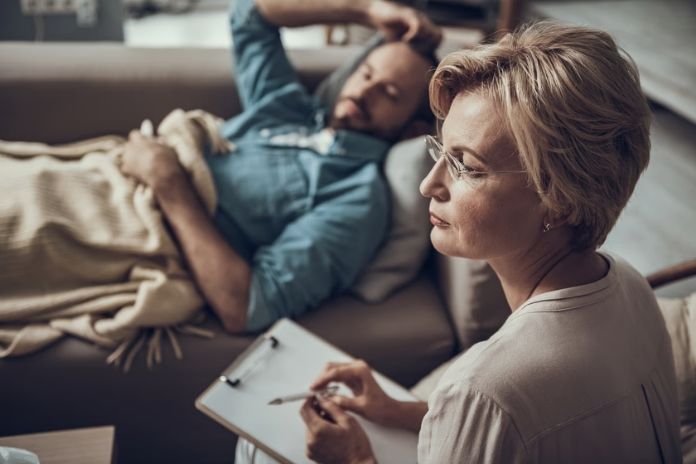
When sleep deprivation is caused by chronic insomnia, treatment requires more than sleep hygiene advice alone.
What Is CBT-I?
Cognitive Behavioral Therapy for Insomnia (CBT-I) is considered the first-line treatment for chronic insomnia by both the American Academy of Sleep Medicine and the American College of Physicians. Unlike sleep medications, CBT-I focuses on addressing the thoughts and behaviors that contribute to persistent sleep difficulties.
Core Components of CBT-I
CBT-I typically includes several evidence-based strategies:
- Sleep restriction therapy, which temporarily limits the time spent in bed to strengthen the sleep drive
- Stimulus control, which helps rebuild the association between the bed and sleep
- Cognitive restructuring, which challenges unhelpful beliefs and worries about sleep
- Sleep hygiene education, which supports healthy sleep habits
Why CBT-I Is Effective
CBT-I produces improvements that often continue long after treatment ends. Unlike medications, which generally work only while being taken, CBT-I teaches skills that help maintain healthy sleep over time. Treatment may be delivered through trained psychologists, sleep clinics, or validated digital CBT-I programs.
Sleep Hygiene — What Is Evidence-Supported and What Is Not
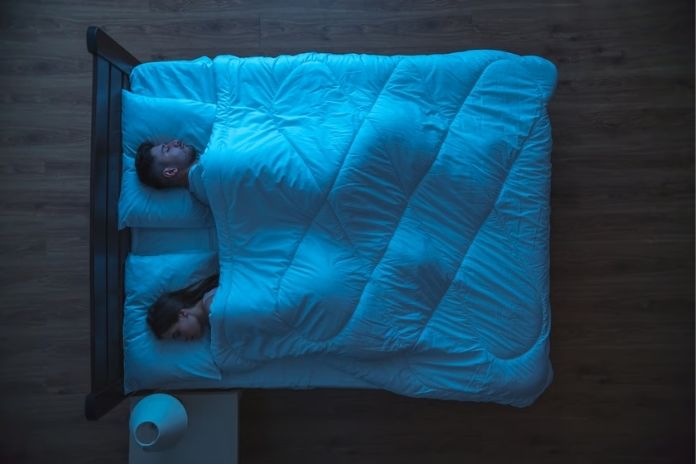
“Sleep hygiene” refers to behaviors and environmental factors that support healthy sleep. While sleep hygiene can be helpful, it is best viewed as an adjunct to treatment rather than a complete solution for chronic insomnia or sleep disorders such as obstructive sleep apnea.
Maintain Consistent Sleep and Wake Times
Going to bed and waking up at approximately the same time every day helps stabilize the circadian rhythm. Consistency is one of the strongest evidence-supported sleep hygiene practices.
Keep the Bedroom Cool
Research suggests that a bedroom temperature of approximately 15°C to 19°C (60°F to 67°F) supports optimal sleep for most adults.
Reduce Evening Screen Exposure
Limiting blue-light exposure during the 60 to 90 minutes before bedtime may help reduce melatonin suppression and support easier sleep onset.
Avoid Alcohol Before Bed
Although alcohol may initially make a person feel sleepy, it reduces sleep quality later in the night, fragments sleep, and suppresses REM sleep.
When to Seek Professional Assessment
Self-management is not always enough. Speak with a healthcare professional if sleep deprivation has persisted for more than four weeks despite consistent efforts to improve sleep habits.
Professional evaluation is also important if you snore loudly, stop breathing during sleep, wake frequently during the night, or experience significant daytime sleepiness. If CBT-I self-help approaches have not improved symptoms, referral to a sleep specialist or psychologist trained in CBT-I may be the right choice.
Read More: Is Sleeping With the TV On Good or Bad? What the Science Actually Says
Conclusion
Sleep deprivation is one of the most common and most consequential health challenges in modern life, but it is also highly treatable. Acute sleep deprivation responds best to evidence-based coping strategies such as strategic napping, caffeine timing, and morning light exposure.
Chronic sleep deprivation requires addressing underlying causes and, when insomnia is involved, pursuing CBT-I, the most evidence-supported treatment available. The mistake many people make is accepting chronic sleep loss as normal. In reality, it is a treatable condition that deserves proper attention and care.
Frequently Asked Questions
Q. Can You Recover From Sleep Deprivation?
A. Yes. Acute sleep deprivation is largely reversible. Most cognitive impairment caused by short-term sleep loss improves within one to two weeks of consistently obtaining adequate sleep. Chronic sleep deprivation can also improve, although recovery may take longer and often requires addressing underlying conditions such as insomnia or sleep apnea.
Q. What Is the Fastest Way to Recover From Sleep Deprivation?
A. No shortcut replaces adequate sleep. The most effective recovery strategy is obtaining sufficient sleep across multiple consecutive nights. Strategic napping and morning light exposure can reduce impairment while recovery occurs.
Q. What Are the Signs of Chronic Sleep Deprivation?
A. Chronic sleep deprivation often develops gradually and can be difficult to recognize. Common signs include persistent difficulty concentrating, low energy, dependence on caffeine, falling asleep very quickly, and daytime drowsiness.
References
- Ubie Health. (n.d.). Bedroom temperature and sleep: What science says about the optimal sleep temperature. Ubie Health.
- Emotiv. (n.d.). Cognitive behavioral therapy for insomnia. Emotiv.
- Sleep Foundation. (n.d.). Napping.
- Mander, B. A., Winer, J. R., & Walker, M. P. (2023). Sleep and human aging. Nature and Science of Sleep, 15, 381–397.
- Fluent in Health. (n.d.). Here’s why sleep deprivation is making you drowsy during the day. Fluent in Health.
- Riemann, D., Baglioni, C., Bassetti, C., Bjorvatn, B., Dolenc-Groselj, L., Ellis, J. G., Espie, C. A., Garcia-Borreguero, D., Gjerstad, M., Gonçalves, M., Hertenstein, E., Jansson-Fröjmark, M., Jennum, P., Leger, D., Nissen, C., Parrino, L., Paunio, T., Pevernagie, D., Verbraecken, J., … Spiegelhalder, K. (2023). European guideline for the diagnosis and treatment of insomnia. Journal of Sleep Research, 32(6), e13806.
In this Article