












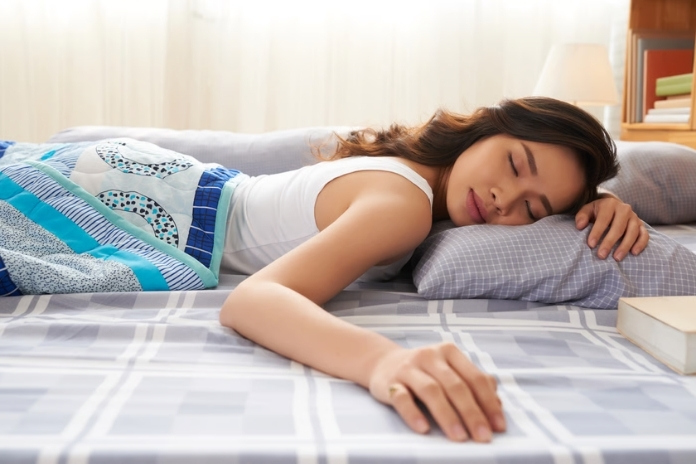
Sleeping on your stomach is not inherently dangerous, but it is generally considered the least spine-friendly sleeping position. In the prone position, the neck stays rotated for hours, and the lower back falls out of neutral spinal alignment, which can place measurable strain on muscles, joints, and spinal discs over time.
Still, stomach sleeping may reduce snoring and mild sleep apnea symptoms in some people, making it a position with genuine tradeoffs rather than a health emergency.
A significant portion of adults sleep on their stomachs, and many have heard that the habit is bad for them without fully understanding why. If you have always preferred this position, there is no need to panic or force yourself to change overnight.
The goal is to understand how sleeping on your stomach affects your spine, neck, breathing, and overall sleep posture, so you can decide whether small adjustments or gradual position changes may help you feel better in the long term.
Read More: What Sleeping on Your Left Side Does for Heartburn Relief
- Stomach sleeping is generally considered the least spine-friendly sleeping position because it can strain the neck and lower back over time.
- Sleeping on the stomach may help reduce snoring and mild sleep apnea symptoms, so it is not entirely harmful for everyone.
- Small adjustments like using a flatter pillow or switching gradually to side sleeping can help reduce strain and improve sleep posture.
What Stomach Sleeping Does to Your Spine — the Mechanism
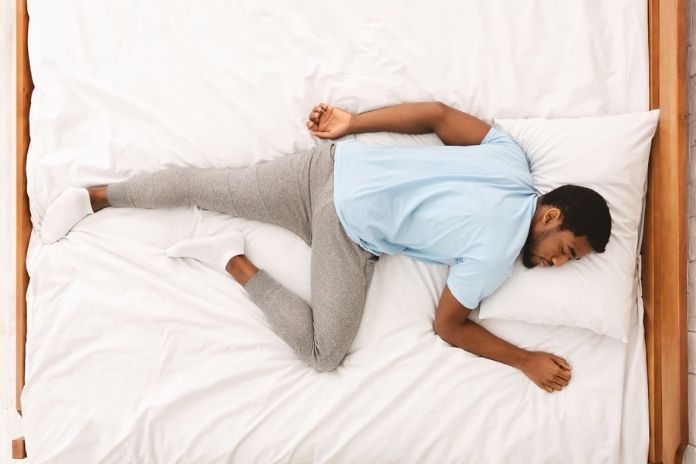
Stomach sleeping, also called the prone position, changes the way body weight is distributed across the mattress. Because the torso and hips are the heaviest parts of the body, they sink downward while the lower back arches away from its natural neutral alignment.
This extended position places compressive stress on the lumbar spine, particularly on the intervertebral discs and facet joints.
Stomach sleeping can place additional strain on the back and spine by making it more difficult to maintain neutral spinal alignment. A single night in this position is unlikely to cause injury in a healthy person, but sleeping this way consistently for years may contribute to chronic lower back pain patterns seen in physiotherapy clinics.
People who already have lumbar disc herniation, arthritis, or persistent lower back pain may notice symptoms becoming more pronounced after long periods in the prone position.
Why the Neck Takes the Biggest Hit
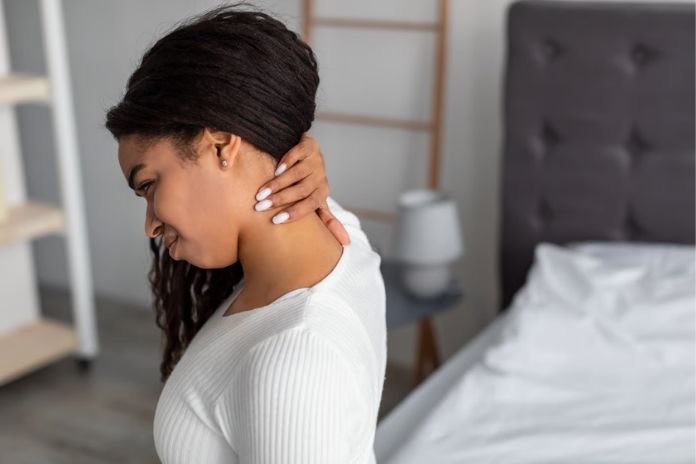
Unlike back or side sleepers, stomach sleepers cannot keep their head in a neutral, forward-facing position. To breathe, the head must remain turned to one side for most of the night, often at an angle between 45 and 90 degrees. This sustained cervical rotation creates continuous stress on the muscles, joints, and connective tissues of the neck.
Over time, this neck-pain-inducing sleeping position can contribute to stiffness, headaches, muscle imbalance, and irritation around the cervical spine. In some cases, especially among people with pre-existing degenerative changes, it may worsen cervical disc problems.
A thick pillow pushes the head farther upward and sideways, increasing the degree of rotation required. For people who are not ready to stop stomach sleeping entirely, using a very flat pillow or sleeping without one can reduce neck strain.
The Breathing Tradeoff — When Sleeping on Stomach Helps and When It Doesn’t
Stomach sleeping is not entirely negative. In some situations, the health effects of the prone sleeping position may actually benefit breathing. Sleeping face down can reduce snoring and improve mild obstructive sleep apnea symptoms by preventing the tongue and soft palate from collapsing backward and narrowing the airway.
Prone positioning is also used medically in hospitals. During the COVID-19 pandemic, intensive care units frequently used prone positioning to improve oxygenation in patients with severe respiratory distress.
For otherwise healthy adults, however, stomach sleeping also presses the chest against the mattress, which may slightly limit diaphragmatic movement and reduce breathing efficiency. In most people, this effect is mild, but it helps explain why sleep specialists usually consider stomach sleeping a compromise rather than the best sleeping position overall.
Read More: What Sleeping Position Says About Personality? 10 Astonishing Results!
Stomach Sleeping During Pregnancy — Why the Guidance Is Specific
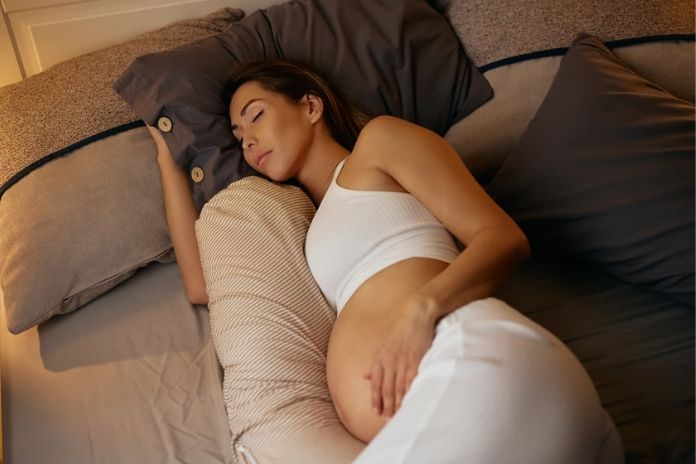
Stomach sleeping guidance during pregnancy varies throughout pregnancy because the body changes gradually. During the first trimester, sleeping on the stomach is generally considered safe because the uterus remains protected within the pelvis.
As pregnancy progresses into the second trimester, the expanding uterus makes stomach sleeping increasingly uncomfortable and eventually impractical for most women. This transition often happens naturally as the body adapts.
Research published in the National Center for Biotechnology Information database has shown that side sleeping, particularly on the left side later in pregnancy, may support improved blood flow and venous return.
Other Effects Worth Knowing
Some stomach-sleeping side effects are less serious but still worth understanding. One involves facial compression. Pressing the face into a pillow night after night can create temporary sleep lines and may contribute to gradual skin laxity over many years.
Another issue is nerve pressure. Many stomach sleepers position their arms overhead or tucked beneath the chest or pillow. Holding these positions for hours can place pressure on the brachial plexus, the network of nerves that runs from the neck into the arms. This may cause temporary numbness or tingling upon waking.
How to Change Your Sleeping Position — What Actually Works
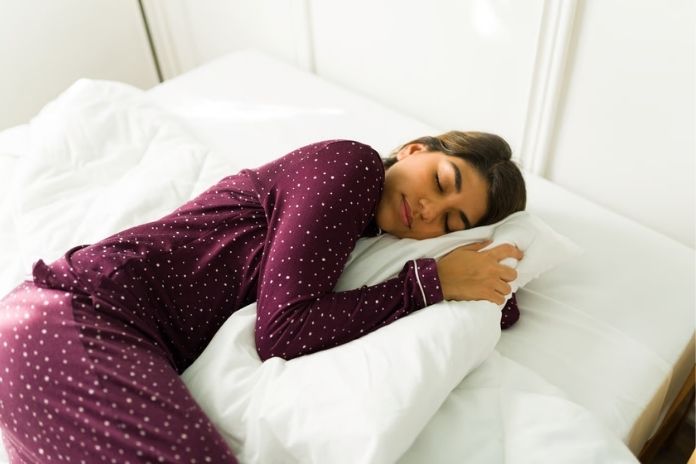
Switching sleeping positions is usually a gradual process, not an overnight correction. People who have slept on their stomach for years often unconsciously roll back into the prone position, even if they start elsewhere.
One of the most effective strategies is the body pillow method. Hugging a long body pillow while sleeping on your side helps stabilize your torso and makes it harder to roll onto your stomach.
If a full position change is not yet realistic, modifying stomach sleeping can still help. Placing a thin pillow under the pelvis and lower abdomen reduces excessive lumbar arching and decreases strain on the lower back.
Combining this with flatter pillow support and stomach-sleeping adjustments may improve comfort while you work, gradually toward a more spine-neutral sleep posture.
Read More: Effective Sleeping Patterns Mitigate Risks Of Heart Disease
Conclusion
Stomach sleeping is generally considered the least spine-friendly sleeping position, but it is not a medical emergency for those who prefer it. The biggest concerns involve lower back compression and prolonged neck rotation. Small changes, such as using a flatter pillow or adding a body pillow to encourage side sleeping, can meaningfully reduce strain without forcing an abrupt overnight change.
FAQs
Q. Is it OK to sleep on your stomach occasionally?
Yes. For most healthy adults, occasional stomach sleeping is unlikely to cause significant harm. The concerns linked to the prone position are usually cumulative rather than immediate. Problems are more likely to develop in people who sleep this way every night for many years, particularly if they already have chronic neck or lower back conditions.
Q. What is the best sleeping position for your back?
Sleeping on the back with a pillow under the knees is widely considered the most spine-neutral sleep posture because it distributes body weight evenly and supports natural spinal curves. Side sleeping with a pillow between the knees is also highly recommended and is often more comfortable for people who cannot comfortably sleep on their back.
Q. Can sleeping on your stomach cause permanent damage?
For most people, stomach sleeping does not cause permanent damage on its own. However, years of poor spinal alignment and sleep may contribute to chronic pain patterns or aggravate existing cervical and lumbar spine conditions. People with disc herniations, arthritis, or persistent pain should discuss sleep posture with a physician or physiotherapist.
References
- HealthSpectra. (n.d.). Effective sleeping patterns mitigate risks of heart disease. HealthSpectra.
- Total Back Care Center. (n.d.). Arms fall asleep at night? Check your scalenes. Total Back Care Center.
- Kim, J., Lee, H., & Park, S. (2025). Sleep posture, nerve compression, and nocturnal paresthesia: A review of clinical evidence. Journal of Clinical Sleep Medicine, 21(4), 455–463.
- Sateia, M. J., & Nowell, P. D. (2021). Insomnia and associated sleep disorders: Clinical implications and management strategies. Sleep Medicine Clinics, 16(4), 593–607.
In this Article