



















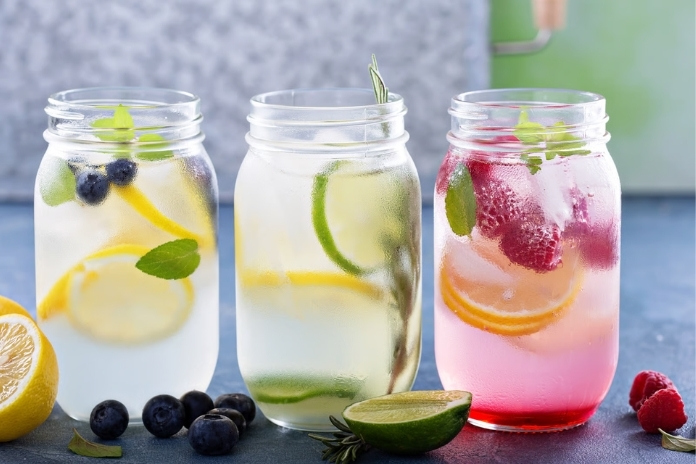
Are you tired of drinking plain water that just doesn’t excite your taste buds? Infused water recipes are a simple, colorful fix. These flavor-packed drinks turn everyday hydration into something you genuinely look forward to, without any added sugar, artificial ingredients, or calories.
Whether your goal is to support your immune system, cut back on sugary drinks, or simply make it easier to drink enough water each day, these 11 combinations are worth trying.
Infused water is more than just a pretty drink. It’s a practical hydration tool that helps your body stay topped up on fluids while delivering trace amounts of vitamins and antioxidants from the ingredients you steep. And the best part? You can make it fresh at home in minutes.
This guide walks you through 11 of the best infused water combinations, what makes each one beneficial, and exactly how to prepare them.
- What it is: Infused water is plain water steeped with fresh fruits, vegetables, or herbs. It’s a simple, zero-sugar way to make hydration more enjoyable and help you drink more water daily.
- Why it works: The real benefit is that it’s still water. Better-tasting water means you drink more of it, which supports energy, digestion, skin health, and weight management.
- 11 combinations covered: From lemon-rosemary and cucumber-mint to pineapple-ginger and kiwi-strawberry, each recipe is backed by research on its key ingredients’ antioxidant, anti-inflammatory, or digestive benefits.
- Key reminder: Infused water supports hydration but is not a detox cure or supplement. Always make it fresh at home, consume within 48 hours, and check with a doctor if you take medications that interact with grapefruit.
What Is Infused Water?
Often called detox water or fruit-flavored water, infused water is made by placing cut fruits, vegetables, or herbs into cold water and letting them steep for a few hours. The water takes on the natural flavors of the ingredients and absorbs small amounts of their nutrients in the process.
Many people turn to infused water as an easy way to drink more fluids, especially when plain water feels boring. It’s particularly popular among those looking to replace sugary beverages with something cleaner and more refreshing.
One important thing to know: always make your infused water at home. Store-bought versions often contain preservatives, artificial sweeteners, and added sugars that cancel out the benefits you’re going for.
Read More: The Impact of Hydration: How Water Influences Your Diet and Health
Benefits of Infused Water
The core benefit of infused water comes from the fact that it’s still water. According to Mayo Clinic, men need about 15.5 cups (3.7 liters) and women about 11.5 cups (2.7 liters) of total fluid daily, from all sources combined.
When you add fresh fruits, vegetables, and herbs, that water suddenly becomes something you want to drink. The flavor encourages more frequent sipping, which naturally boosts your overall intake. And while the nutrient transfer from fruit to water is modest, the hydration itself delivers real, well-documented benefits.
Here’s what the research says:
Preventing Dehydration: Many Americans run mildly dehydrated without realizing it. Research published in the journal Nutrients confirms that even mild dehydration can impair cognitive performance, mood, and physical function. Severe dehydration carries more serious risks, including heat injury, kidney stress, and electrolyte imbalances.
Weight Management: Swapping sugary sodas or juices for infused water is one of the simplest ways to cut calories. A study in Obesity found that substituting water for caloric beverages was associated with meaningful reductions in total energy intake and body weight over time.
Support During Cancer Treatment: A peer-reviewed review published in Current Opinion in Supportive and Palliative Care confirms that cancer patients are at high risk for dehydration from both the disease and treatment itself, and that clinicians should maintain a low threshold for encouraging additional fluid intake.
Staying hydrated is a recognized priority in oncology care, and flavored or infused water is a practical, low-barrier strategy for patients who find plain water difficult to tolerate.
However, infused water may pose infection risks for immunocompromised cancer patients, as unwashed fruits, herbs, or vegetables can introduce harmful bacteria when immunity is weakened.
Important note: Infused water is a healthy hydration habit, not a detox cure or medical treatment. The nutrient content is much lower than eating the whole fruit. Think of it as a flavorful way to hit your daily fluid goals, not as a supplement.
Read More: Are You Chronically Dehydrated? Hidden Signs You Need More Water
How to Make Infused Water
Making infused water at home is straightforward. Take a pitcher or mason jar, add your chosen ingredients, fill with filtered water, and refrigerate for two to four hours. For a stronger flavor, steep overnight.
A few practical tips:
- Wash all produce thoroughly before using it.
- Slice citrus fruits thinly and remove the peel after 12 hours to avoid bitterness.
- Gently press fresh mint or herbs in your palm before adding them, this releases more essential oils and flavor.
- Most infused waters keep well for 24 to 48 hours in the refrigerator.
- Don’t reuse the same fruit more than twice, as flavor and nutrient content drops off significantly.
Read More: 12 Health Benefits of Sparkling Water – Sizzling Benefits
Popular Varieties of Infused Water
1. Rosemary and Lemon Infused Water
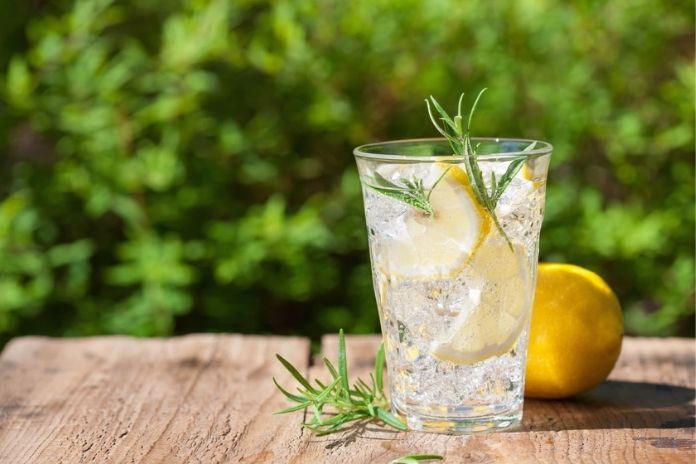
Light and refreshing, this combination is ideal on a warm day. Lemon and rosemary might seem like an unusual pairing, but they balance each other beautifully.
What you need:
- 3 lemons, thinly sliced
- 4 fresh rosemary sprigs
- Filtered water
Lemons are one of the best dietary sources of vitamin C. Research published in Nutrients confirms that vitamin C plays a central role in stimulating collagen synthesis, supporting immune defenses, and acting as an antioxidant in skin cells. Rosemary is rich in calcium, iron, and vitamin B6.
It also contains rosmarinic acid, a compound shown in a 2018 review in Molecules to have anti-inflammatory and antioxidant properties. Choose bright yellow, firm lemons and green rosemary sprigs. Add to a mason jar with filtered water. The lemon flavor comes through immediately, but give it a couple of hours for the rosemary to develop.
2. Melon and Cucumber Infused Water
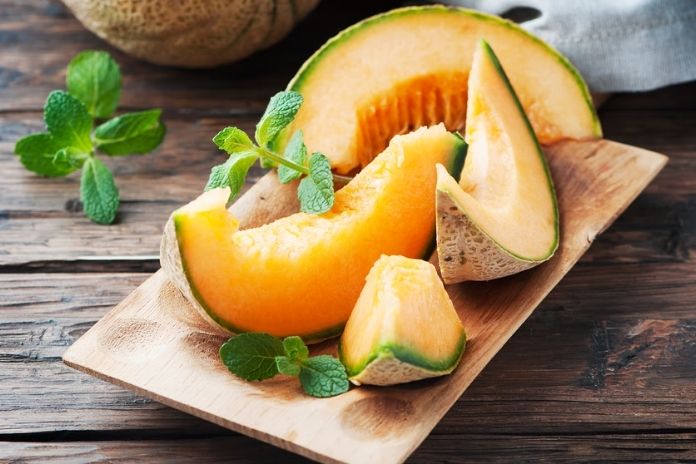
This combination strikes a balance between mild sweetness and cool freshness that makes it one of the most crowd-pleasing infused water recipes.
What you need:
- 1 cup chopped cantaloupe or honeydew (seeds removed)
- 1/2 cup sliced cucumber
- Filtered water (32-ounce mason jar)
Cantaloupe is a strong source of vitamins C and A. According to the NIH National Cancer Institute, these antioxidants help protect cells from oxidative damage and play a role in maintaining healthy immune function.
Cucumber is about 96% water itself, and provides vitamin K, potassium, and magnesium. Research in the journal Fitoterapia noted cucumber’s role in supporting hydration and skin health. Fill a 32-ounce mason jar with filtered water, add your melon and cucumber, and refrigerate for two to four hours.
3. Cucumber Infused Water
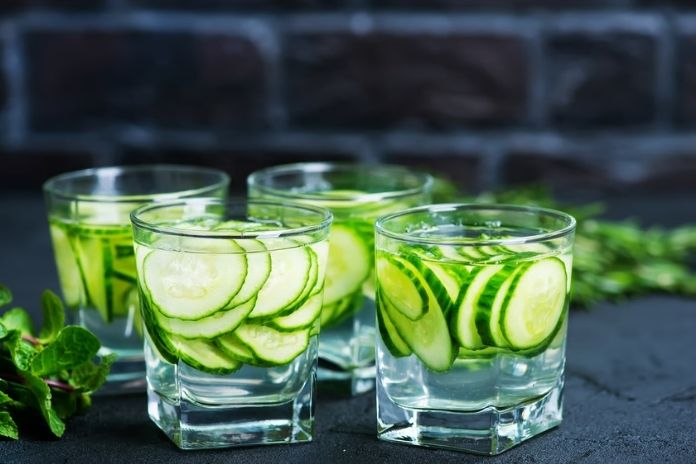
Simple and clean, plain cucumber water is one of the most popular infused water recipes, and for good reason. It’s mild, hydrating, and works for just about everyone.
What you need:
- 1 cup sliced cucumber
- Filtered water and ice
- Strainer (optional)
For a light flavor, slice the cucumber and steep it overnight in the refrigerator, then strain before drinking. For a stronger infusion, blend the cucumber, strain out the pulp, and mix the juice with a full pitcher of water. Cucumbers are naturally rich in vitamin K, vitamin C, magnesium, and potassium. A review in the journal Fitoterapia highlighted cucumbers’ antioxidant content and their traditional use in supporting skin and digestive health.
Read More: 13 Health Benefits of Cucumber Water – Know Why Detox Is Important
4. Orange and Mint Infused Water

This one is a burst of sunshine in a glass. The citrusy brightness of orange paired with the cool freshness of mint makes for an invigorating drink that’s hard to put down.
What you need:
- 1 fresh orange, sliced into thin rounds
- A generous handful of fresh mint leaves
- Filtered water
Oranges are an excellent source of vitamin C. The Linus Pauling Institute at Oregon State University notes that vitamin C is essential for collagen formation, wound healing, and antioxidant protection. Mint contains menthol, the active compound responsible for its cooling sensation.
A systematic review in Alimentary Pharmacology and Therapeutics found that peppermint oil exerts smooth muscle-relaxing and antispasmodic effects in the digestive tract, which may explain why mint has been used for centuries to relieve bloating and nausea. Before adding the mint, give the leaves a light slap in your palm to release more of that fresh fragrance.
5. Cucumber and Mint Infused Water
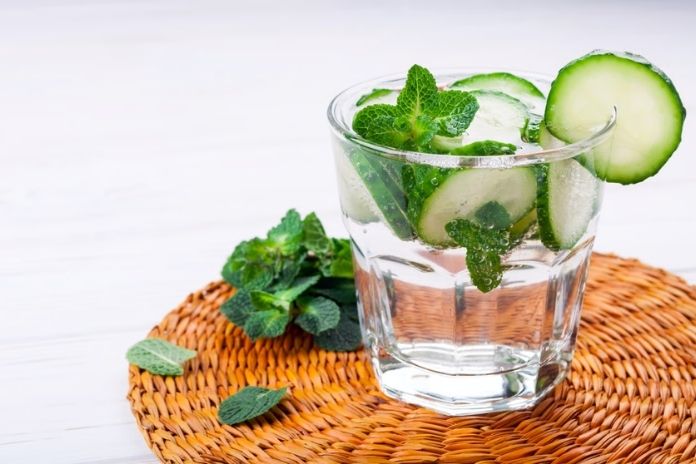
The ultimate cooling drink for a hot day. Cucumber and mint together create something light, calming, and refreshing from the very first sip.
What you need:
- 1 fresh cucumber, thinly sliced
- A handful of fresh mint leaves
- Filtered water
Choose a cucumber with firm, smooth skin and mint leaves that are bright green with no browning. Steep for a few hours in the refrigerator. Both ingredients have long been associated with digestive comfort and natural hydration support. Research in Phytomedicine found that peppermint preparations consistently improved abdominal bloating and discomfort in clinical trials.
Read More: Best Cucumber Water Benefits
6. Strawberry and Mint Infused Water
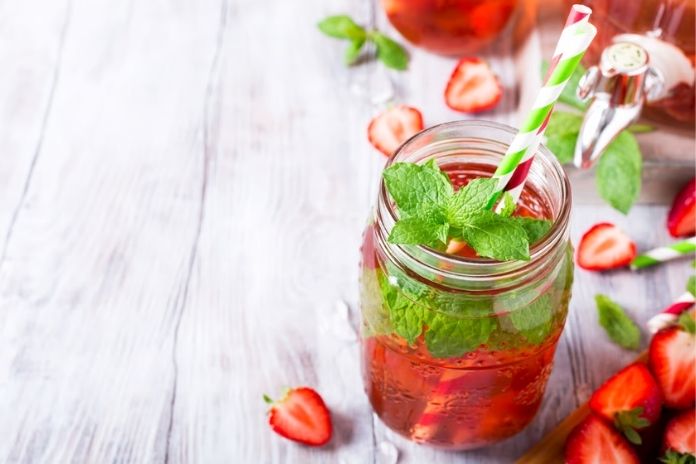
Light, pleasant, and distinctly summery. If you haven’t tried strawberry and mint together, this one will become a go-to.
What you need:
- 1 cup fresh strawberries, stemmed and halved
- A handful of fresh mint leaves
- Filtered water
Strawberries are packed with flavonoids, a class of antioxidants well-studied for their cardiovascular benefits. A randomized controlled trial published in Antioxidants found that strawberry consumption significantly increased serum antioxidant capacity and improved endothelial function in adults with cardiometabolic risk factors.
A broader review in Nutrition Reviews confirmed that berries, including strawberries, demonstrated improvements in LDL oxidation and total plasma antioxidant capacity in both healthy adults and those with existing metabolic risk factors. Choose bright red, blemish-free berries. Slap the mint leaves in your palm before adding them for extra flavor.
7. Pineapple, Ginger, and Mint Infused Water
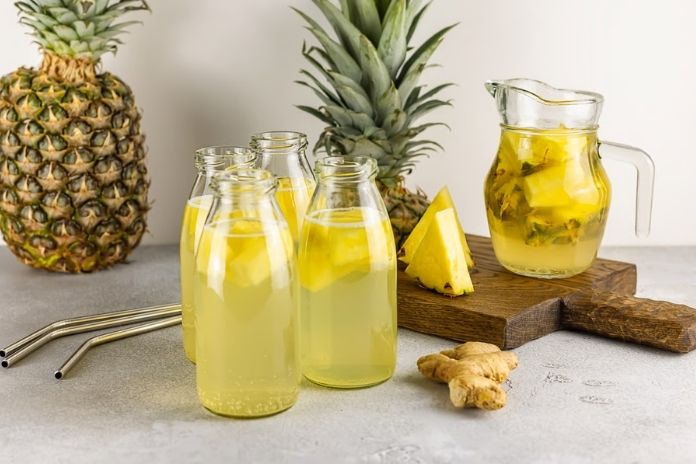
This tropical blend brings sweetness, a touch of heat, and a cool finish. It’s one of the more complex infused water combinations and one of the most satisfying.
What you need:
- 6 to 10 chunks of fresh pineapple
- 5 thin slices of fresh ginger, peeled
- About 14 fresh mint leaves
- 1 quart filtered water
- Ice (optional)
Pineapple contains bromelain, an enzyme with anti-inflammatory and digestive support properties. A review in Biomedical Reports highlighted bromelain’s clinical potential in reducing inflammation and supporting muscle recovery. Ginger contains gingerols, its most abundant and well-researched active compounds.
Research also shows improved hydration efficiency over plain water, plus potential for gout management with pineapple infusions and reduced oxidative stress from plant phytochemicals.
The NIH’s National Library of Medicine confirms that ginger and its metabolites accumulate in the gastrointestinal tract, where they exert anti-inflammatory, carminative, and anti-nausea effects. Johns Hopkins Medicine notes that gingerol specifically benefits gastrointestinal motility, helping food move through the digestive system more efficiently. Mint rounds the combination out with its well-documented smooth muscle-relaxing effects.
Read More: 7 Best Detox Drinks for Summer
8. Lime, Orange, and Grapefruit Infused Water
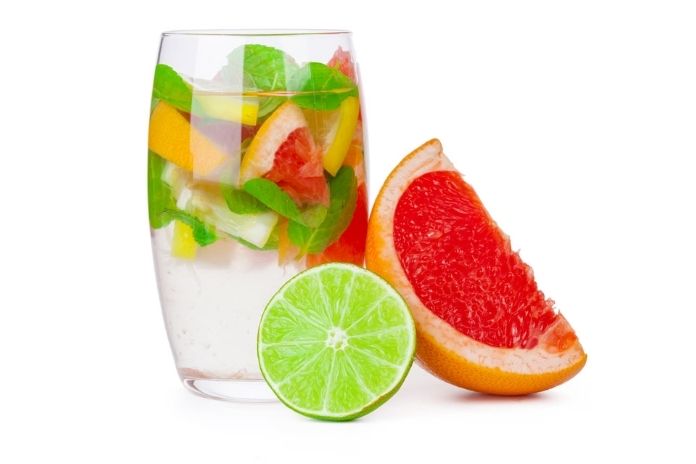
A bright, citrus-heavy blend that’s as visually striking as it is refreshing. This is a vitamin C powerhouse in a glass.
What you need:
- 1/2 grapefruit, thinly sliced
- 1 orange, thinly sliced
- 1 lime, halved and sliced
- Filtered water
All three citrus fruits are rich in vitamin C and antioxidants. Grapefruit in particular contains naringenin, a flavonoid studied for its potential role in metabolic health.
A comprehensive review published in PubMed found that naringenin’s cardioprotective, anti-inflammatory, and antioxidant properties are primarily attributed to its ability to scavenge free radicals and prevent lipid peroxidation across multiple biological systems.
Important: Grapefruit can interact with certain medications, including some statins, blood pressure drugs, and antihistamines. The Canadian Medical Association Journal documented over 85 drugs that may interact with grapefruit compounds. If you take any prescription medications, check with your doctor before making grapefruit a regular part of your diet.
Fill a mason jar or pitcher with filtered water, add the citrus slices, and refrigerate for a deeper flavor, or add ice to enjoy immediately.
9. Ginger and Lemon Infused Water
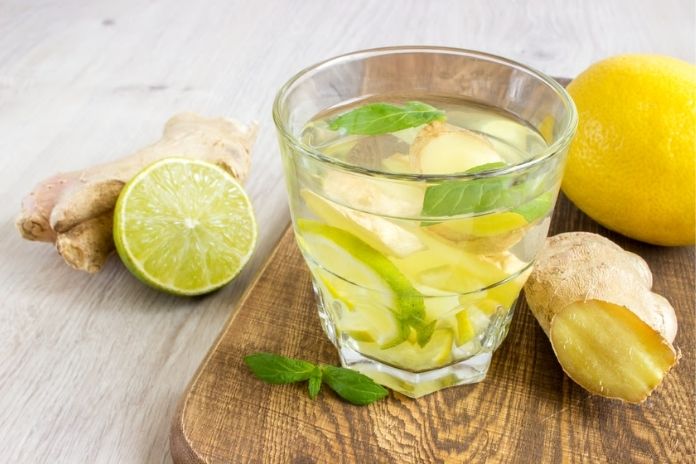
We all love ginger and lemon in tea. Together in cold infused water, they’re equally impressive. This is a clean, functional combination that supports hydration and digestive wellness.
What you need:
- A small piece of fresh ginger, peeled and thinly sliced
- 1 lemon, thinly sliced
- Filtered water
Steep for three to four hours, then strain before drinking. For a more intense flavor, leave it overnight and strain in the morning. Lemon provides a solid dose of vitamin C while ginger brings the anti-inflammatory and digestive benefits discussed in combination 7 above.
A systematic review in Food Science and Nutrition found that divided daily doses of ginger helped with nausea relief across a range of gastrointestinal conditions.
Read More: 7 Ways to Drink Lemon Water for Weight Loss
10. Kiwi and Strawberry Infused Water

Bright, antioxidant-rich, and slightly tropical. This combination looks great in a pitcher and delivers a solid nutritional profile.
What you need:
- 1 fresh kiwi, peeled and sliced
- 1 cup fresh strawberries, hulled and sliced
- Filtered water
Kiwis are high in fiber and contain actinidin, an enzyme that aids protein digestion and supports gut health. A clinical study in Advances in Food and Nutrition Research demonstrated that kiwi consumption improved digestive comfort and reduced constipation in healthy adults.
Strawberries contribute their well-established antioxidant and cardiovascular benefits, as noted in recipe 6 above. Steep in the refrigerator for two to four hours, then strain the fruit before drinking.
11. Honeydew Melon Infused Water
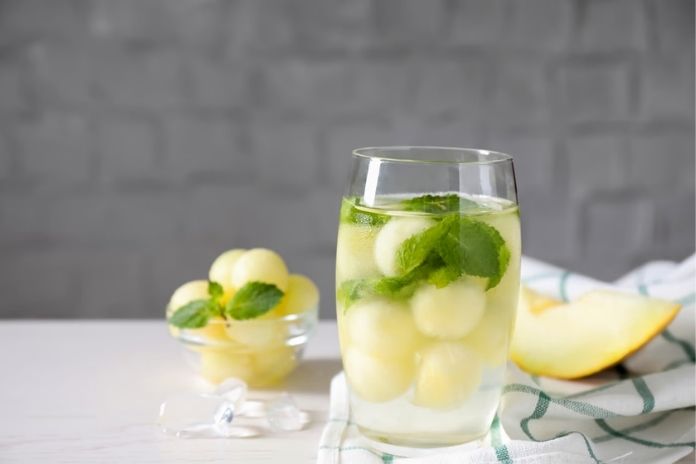
Mild, naturally sweet, and deeply hydrating, honeydew melon makes for one of the most refreshing infused water recipes, especially in warm months.
What you need:
- 1 honeydew melon, peeled and cut into chunks
- Filtered water
- A few lemon slices (optional)
- A light drizzle of honey (optional)
Honeydew melon provides potassium, folate, and vitamin C. The USDA FoodData Central database confirms that honeydew is also roughly 90% water, making it naturally hydrating by composition. Fill a glass pitcher with the melon chunks and filtered water, then refrigerate for a few hours. Garnish with lemon slices and a drizzle of honey for a hint of added sweetness if you like.
Read More: Flat Tummy Detox Water: 3 Proven Recipes to Reduce Bloating Naturally
Conclusion
Good hydration is one of the simplest and most impactful things you can do for your health, and these infused water recipes make it something to actually look forward to. Each of the 11 combinations covered here brings real ingredients and real benefits to your glass: vitamin C from citrus, anti-inflammatory gingerols from ginger, digestive support from mint, and antioxidant flavonoids from berries.
Making infused water at home puts you in control. You choose the ingredients, you skip the preservatives, and you build a habit that supports your body every single day. Try a few of these combinations this week and see which ones become your favorites.
For more ways to level up your daily hydration routine, check out our related guides:
Read More: 10 Promising Benefits of Drinking Lemon Water in the Morning
Read More: Refresh and Replenish: Foods That Help You Stay Hydrated All Day

References
- WebMD. Health Benefits of Infused Water.
- Mayo Clinic. Water: How much should you drink every day?
- Liska D, et al. Narrative Review of Hydration and Selected Health Outcomes in the General Population. Nutrients, 2019.
- Stookey JD, et al. Drinking Water Is Associated with Weight Loss in Overweight Dieting Women. Obesity, 2008.
- Price KA. Hydration in cancer patients. Current Opinion in Supportive and Palliative Care, 2010.
- Pullar JM, et al. The Roles of Vitamin C in Skin Health. Nutrients, 2017.
- Nieto G, et al. Rosemary (Rosmarinus officinalis): A Functional Ingredient. Molecules, 2018.
- Mukherjee PK, et al. Phytochemical and therapeutic potential of cucumber. Fitoterapia, 2013.
- Linus Pauling Institute. Vitamin C and Skin Health. Oregon State University.
- Chumpitazi BP, et al. Physiological effects and safety of peppermint oil. Alimentary Pharmacology and Therapeutics, 2018.
- Cappello G, et al. Peppermint oil in irritable bowel syndrome. Digestive and Liver Disease, 2007.
- Basu A, et al. Dietary Strawberries Improve Biomarkers of Antioxidant Status. Antioxidants, 2021.
- Basu A, et al. Berries: Emerging Impact on Cardiovascular Health. Nutrition Reviews, 2010.
- Rathnavelu V, et al. Potential Role of Bromelain in Clinical and Therapeutic Applications. Biomedical Reports, 2016.
- NIH National Library of Medicine. Ginger Root – StatPearls.
- Johns Hopkins Medicine. Ginger Benefits.
- Nikkhah Bodagh M, et al. Ginger in Gastrointestinal Disorders: A Systematic Review. Food Science and Nutrition, 2018.
- Uckun ZA, et al. Biological activities of naringenin: A narrative review based on in vitro and in vivo studies. PubMed, 2023.
- Bailey DG, et al. Grapefruit-medication interactions. Canadian Medical Association Journal, 2013.
- Stonehouse W, et al. Kiwifruit and Digestive Comfort. Advances in Food and Nutrition Research, 2013.
- USDA FoodData Central. Honeydew Melon.
- Culinary Hill. 8 Infused Water Recipes.
- Texas A&M Dinner Tonight. Infused Water.
- Emory Healthcare. Healthy Infused Water Recipes.
In this Article