




















- Almonds, pistachios, cashews, Brazil nuts, and peanuts are high in potassium, phosphorus, or oxalates, minerals that struggling kidneys can’t filter well.
- These can raise risks for heart arrhythmias, bone damage, and kidney stones, depending on your condition.
- Macadamia nuts and pecans are the most kidney-friendly options; walnuts work in small portions.
- Always choose raw or unsalted varieties and keep portions to about one ounce.
- Recommendations vary significantly by kidney disease stage, so personalized guidance from a renal dietitian is essential.
Nuts are one of those snacks that are hard to argue with. They’re packed with healthy fats, protein, and fiber, and they’re easy to grab on the go. For most people, they’re a genuinely great addition to the diet.
But if you have kidney disease, the story gets a little more complicated. Certain nuts are high in potassium, phosphorus, or oxalates. These are minerals that healthy kidneys filter out with ease, but damaged kidneys can struggle to manage. Over time, that buildup can cause real problems.
That doesn’t mean people with kidney disease need to swear off nuts entirely. Portion control often matters more than complete avoidance. But it does mean being more intentional about which nuts you’re eating and how much.
It’s also worth saying upfront: kidney health is deeply personal. What’s perfectly fine for someone with early-stage kidney disease might be off-limits for someone on dialysis. The guidance in this article is a helpful starting point, but a doctor or registered dietitian who knows your specific situation should always have the final word.
Read More: 12 Ways To Maintain Good Kidney Health – Know The Dos!
Why Some Nuts Can Be Hard on the Kidneys
Think of healthy kidneys as the body’s mineral managers. They constantly filter the blood, removing excess potassium and phosphorus through urine to keep everything in balance. That balance is what keeps your heart rhythm steady, your bones strong, and your blood vessels clear.
While excessive consumption of some foods can harm the kidneys’ microscopic filters, known as tubules, others can enhance kidney function. According to the National Kidney Foundation, this is particularly true for the one in three persons who are at risk of kidney disease.
When kidney function declines, as it does in chronic kidney disease, that system starts to break down. Potassium builds up in the blood, raising the risk of dangerous heart arrhythmias. Phosphorus accumulates too, pulling calcium out of the bones and depositing it in blood vessels, which significantly increases cardiovascular risk.
So where do nuts fit into this? The issue isn’t usually that nuts are inherently bad. It’s that even a standard serving of certain nuts can carry enough potassium or phosphorus to overload kidneys that are already struggling to keep up. What counts as a perfectly reasonable snack for a healthy person can become a real burden for someone managing CKD.
That said, complete avoidance isn’t always the answer, especially in the earlier stages of kidney disease. Portion control and smart food choices can often allow people to still enjoy nuts as part of a balanced renal diet. The key is understanding which nuts are higher risk and adjusting accordingly.
Read More: Can the Kidneys Repair Themselves? What Science Says
Key Nutrients in Nuts That Affect Kidney Health
Understanding why some nuts can be problematic starts with knowing which nutrients are doing the most damage in a struggling kidney.
If you are one of the approximately 10% of men and women in the US who have experienced a kidney stone, you should take every precaution to maintain the health of your kidneys in order to lower your risk of a recurrence. To maintain the health of your kidneys and improve the health of other organs, such as your heart, you must make numerous dietary and lifestyle modifications.
Potassium
Potassium plays an important role in maintaining a steady heart rhythm and proper muscle function. But when too much potassium builds up in the blood, it can disrupt the electrical signals that regulate your heartbeat, which can become genuinely dangerous. For anyone following a potassium-restricted diet, it’s worth knowing that nuts vary quite a bit in their potassium content, so tracking your intake carefully is important.
Phosphorus
Phosphorus is essential for energy production and bone health, but in people with chronic kidney disease, the kidneys can’t flush it out efficiently. When phosphorus accumulates, it can weaken bones and cause arteries to harden over time. It’s also worth noting that roasted or processed nuts tend to have a higher phosphorus load than their raw counterparts, making the choice of preparation matter more than most people realize.
Oxalates
Oxalates are naturally occurring compounds that bind to calcium in the body and can form crystals in the kidneys. For people who are already prone to kidney stones, eating high-oxalate nuts can increase that risk significantly. This is one of the less talked-about reasons why certain nuts may not be kidney-friendly foods for everyone.
Sodium
This one is less about the nuts themselves and more about how they’re prepared. Salted or flavored nuts can carry a surprising amount of sodium, which can worsen fluid retention and raise blood pressure in people with kidney disease. Sticking to unsalted varieties is a simple but meaningful way to reduce the overall mineral imbalance in a renal diet.
“Peanuts are high in oxalates and may increase kidney stone risk. If you’re concerned about kidney health, avoid peanuts, almonds, sunflower seed butter, pine nuts, pistachios, and cashews.”
Instead, choose lower phosphorus and potassium options like macadamia nuts, pumpkin seeds, pecans, hazelnuts, walnuts, and sunflower seeds.
— Dr. Alex Lesani, MD
Nuts That May Be Problematic for Kidney Health
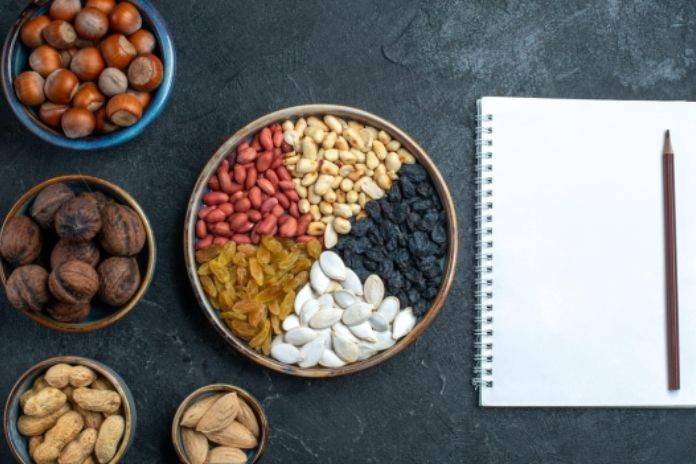
Not all nuts are created equal when it comes to kidney health. Some carry significantly higher levels of potassium, phosphorus, or oxalates than others, making them a bigger concern for people managing chronic kidney disease or trying to prevent kidney stones. Here’s a closer look at the main ones to watch.
Almonds
Almonds are often celebrated as a health food, and for most people they are. But for kidney patients, they come with a couple of red flags. A single ounce contains around 136 mg of phosphorus, and their oxalate content is notably high at over 400 mg per 100g. That combination makes almonds one of the trickier nuts to include in a renal diet.
The phosphorus load can contribute to the bone and vascular complications that are already a concern in CKD. The high oxalate content raises the risk of calcium oxalate kidney stones, particularly in people who are already prone to them. The National Kidney Foundation generally recommends keeping almond intake to around 10 to 15 nuts per day at most.
Cashews
Cashews tend to fly under the radar, but they carry more potassium than many other nuts, around 187 mg per ounce, along with a solid phosphorus load of about 168 mg per ounce. For someone on a potassium restriction diet, that combination can add up quickly.
Excess potassium in the blood can interfere with heart rhythm, which is a serious concern for people with impaired kidney function. National Kidney Foundation guidelines suggest limiting cashews to about 10 nuts per serving to stay within safer bounds on a renal diet.
Pistachios
Pistachios are one of the highest potassium nuts you can snack on, clocking in at around 290 mg per ounce. That alone makes them a significant concern for people following a dialysis diet or managing advanced CKD, where potassium buildup can trigger dangerous heart arrhythmias.
There’s also a practical issue: pistachios are easy to overeat. The act of shelling them one by one can actually encourage you to keep going well past a safe portion. Renal dietitians typically recommend capping intake at around 15 pistachios per day.
Brazil Nuts
Brazil nuts are arguably the most concerning nut on this list for kidney patients. They’re extremely high in phosphorus at around 225 mg per ounce, and they’re also a concentrated source of selenium. While selenium is an essential mineral, it’s easy to exceed safe levels from just two or three Brazil nuts.
In people with chronic kidney disease, excess phosphorus accelerates bone damage and contributes to hardening of the blood vessels. Because the risk is high even in small amounts, many nephrologists advise CKD patients in advanced stages to avoid Brazil nuts altogether.
Peanuts (Technically Legumes)
Peanuts are botanically a legume, but most people treat them like nuts and snack on them the same way. They contain around 107 mg of phosphorus and 200 mg of potassium per ounce, which isn’t extreme on its own but can become a problem when combined with other high-mineral foods throughout the day.
Oxalates, a kind of mineral present in kidney stones, are present in peanuts. According to the National Kidney Foundation, calcium oxalate kidney stones are really the most common kind.
Processed peanut products like commercial peanut butter are an added concern because of their sodium content, which can worsen fluid retention and blood pressure in kidney patients. If you do include peanuts in a renal diet, sticking to about one tablespoon of unsalted peanut butter per serving is a reasonable limit.
At a Glance: Potassium, Phosphorus, and Oxalate Content Per Ounce
This table highlights why these nuts demand caution in renal diets.
| Nut | Potassium | Phosphorus | Key Concern |
| Almonds | 200 mg | 136 mg | High oxalates, kidney stone risk |
| Cashews | 187 mg | 168 mg | Potassium and phosphorus load |
| Pistachios | 290 mg | 139 mg | One of the highest potassium nuts |
| Brazil Nuts | 187 mg | 225 mg | Very high phosphorus, selenium risk |
| Peanuts | 200 mg | 107 mg | Sodium in processed forms |
Nuts That Are Usually Better Tolerated in Kidney Diets
It’s not all bad news. While some nuts are best limited or avoided on a renal diet, others are much more manageable, thanks to their lower potassium and phosphorus content. Knowing which nuts fall into this category gives kidney patients more flexibility without compromising their health.
Macadamia Nuts
Macadamia nuts are widely considered one of the most kidney-friendly options available. With only about 103 mg of potassium and 53 mg of phosphorus per ounce, they sit well below the levels that tend to cause concern in CKD. They’re also rich in heart-healthy monounsaturated fats, which is a bonus for overall health.
Pecans
Pecans are another solid choice for people watching their mineral intake. They come in at around 116 mg of potassium and just 40 mg of phosphorus per ounce, making them one of the lowest-phosphorus nuts you can choose. That low phosphorus load is particularly valuable for people managing bone and vascular health in chronic kidney disease.
Walnuts
Walnuts require a little more caution than macadamias or pecans, with roughly 125 mg of potassium and 98 mg of phosphorus per ounce. They’re not off the table, but they work best in small, controlled portions. On the positive side, walnuts are a well-known source of omega-3 fatty acids, which support heart health, something that matters a great deal for people with CKD.
Preparation and Portion Size Still Matter
Even with these better-tolerated options, how the nuts are prepared makes a real difference. Raw or dry-roasted, unsalted varieties are always the safer choice, since salted or flavored versions add unnecessary sodium to the mix. A renal dietitian may give the green light for up to one ounce of these nuts per day, though that recommendation can shift depending on your bloodwork and where you are in managing your kidney disease.
The bottom line is that kidney-friendly eating doesn’t have to mean cutting out nuts entirely. It means choosing wisely and staying within the right portions for your individual needs.
Read More: The Power-Packed Benefits of Dried Fruits and Nuts: A Complete Health Guide
Nuts and Kidney Stones: What’s the Connection?

If you’ve ever dealt with kidney stones, nuts are worth paying closer attention to, particularly the high-oxalate varieties like almonds.
Here’s how it works: oxalates are naturally occurring compounds found in many plant foods. When you eat oxalate-rich nuts, those oxalates can bind to calcium in the gut, which is actually a good thing since it prevents them from reaching the kidneys.
The problem is when there’s more oxalate than calcium to pair with. The excess travels to the kidneys, where it can combine with calcium to form crystals, and eventually, calcium oxalate stones, the most common type of kidney stone.
For people who have already passed a kidney stone, or who are considered high risk, limiting high-oxalate nuts is a sensible precaution. One practical strategy is to pair any nut intake with calcium-rich foods, since the calcium helps bind the oxalates in the digestive tract before they ever reach the kidneys.
Beyond that, hydration is one of the most powerful tools for kidney stone prevention. Drinking enough water dilutes the urine, making it harder for crystals to form and accumulate. Tracking your oxalate intake through a nutrition app or working with a specialist can also help you find the right dietary balance without cutting out more than you need to.
Does Kidney Disease Stage Matter When Eating Nuts?
Absolutely, and this is one of the most important points in this entire article. The stage of kidney disease someone is at can completely change what’s considered safe to eat.
In the earlier stages of CKD, roughly stages 1 through 3, the kidneys can still handle a moderate amount of potassium and phosphorus. That means small portions of lower-risk nuts may be perfectly acceptable, and blanket restrictions often aren’t necessary at this point.
Things shift significantly in advanced CKD, stages 4 and 5. At this point, the kidneys have much less capacity to clear these minerals, so potassium and phosphorus restriction becomes far more important. The margin for error gets smaller, and food choices need to reflect that.
For people on dialysis, the rules are different again. Dialysis does remove some potassium from the blood, which can provide a little more flexibility there. However, it doesn’t effectively clear phosphorus, meaning high-phosphorus nuts remain off-limits regardless of dialysis status.
For those not yet on dialysis, regular blood work is typically the best guide, since individual lab results paint a much clearer picture than any general recommendation can.
The takeaway here is that one-size-fits-all advice simply doesn’t work when it comes to kidney disease and diet. What’s appropriate for one person at one stage can be genuinely harmful for someone else at another. Personalized guidance, grounded in your own lab results and medical history, will always be more useful than a blanket rule.
How Much Is Too Much? Portion Guidance
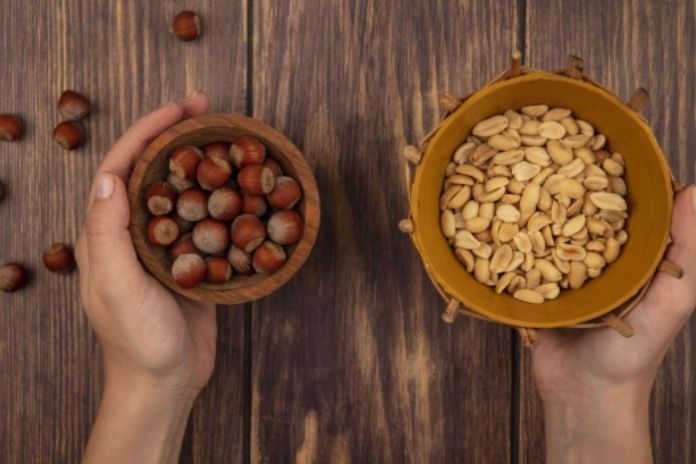
One of the sneakiest things about nuts is how easy they are to overeat. They’re small, tasty, and often marketed as a healthy snack, so it’s easy to keep reaching into the bag without realizing how quickly the minerals add up.
For nuts that are generally better tolerated on a renal diet, a safe serving size is typically around one ounce, which is roughly a small handful. For most kidney patients, enjoying that amount two to three times per week is a reasonable starting point, though your dietitian may adjust that based on your personal labs and overall diet.
A few practical habits can help you stay on track:
- Measure your portionsat first, at least until you have a reliable sense of what one ounce actually looks like. It’s usually smaller than people expect.
- Pair nuts with low-potassium foods like cabbage, cauliflower, or cucumber to keep the overall mineral load of your snack in check.
- Use a nutrition tracking app like MyFitnessPal, which can be customized to flag high-potassium or high-phosphorus foods for people managing CKD.
One principle worth keeping in mind: frequency matters as much as quantity. Spreading small portions across the week is much easier on the kidneys than saving it all up and eating a large amount in one sitting. Steady and moderate will always serve a renal diet better than sporadic and excessive.
Read More: Eating Walnuts Can Improve Heart And Gut Health, New Study Suggests
Final Takeaway
Nuts are genuinely nutritious. For most people, they’re an easy way to work more healthy fats, protein, and fiber into the day. But for anyone managing kidney disease or dealing with a history of kidney stones, certain nuts deserve a much closer look.
High potassium nuts like pistachios and cashews, high phosphorus options like Brazil nuts and almonds, and oxalate-heavy choices can all contribute to mineral imbalance, increased cardiovascular risk, or kidney stone formation when eaten without care. That’s not a reason to fear nuts, but it is a reason to be thoughtful about which ones you choose and how much you eat.
If you’re looking for safer ground, macadamia nuts and pecans are generally the most kidney-friendly options, with walnuts workable in small portions. Always go for raw or dry-roasted, unsalted varieties, and let your bloodwork guide your choices rather than general internet advice.
Here are a few simple steps to move forward with confidence:
- Talk to a renal dietitian who can build a personalized plan around your specific labs, stage of kidney disease, and food preferences.
- Get your bloodwork checked regularly, ideally every few months, and adjust your diet as your numbers change.
- Stay well hydrated and round out your diet with kidney-friendly foods like apples, white rice, cabbage, and berries.
At the end of the day, personalized advice will always beat generalized rules. If you haven’t already, scheduling a conversation with a renal dietitian is one of the most practical things you can do for your kidney health. Smarter snacking really does start with knowing your own numbers.
References
- National Kidney Foundation. (2024). Phosphorus and your CKD diet.
- International Nut & Dried Fruit Council Research. (n.d.). Soluble and insoluble oxalate content of nuts.
- Noonan, S. C., & Savage, G. P. (1994). Soluble and insoluble oxalate content of nuts. Journal of the American Dietetic Association, 94(4), 398.
- Jin, J., & Yu, S. (2020). Diet-induced oxalate nephropathy from excessive nut and seed consumption. BMJ Case Reports, 13(11), Article e237212.
- Chen, H., & Shen, H. (2019). Diet-induced oxalate nephropathy. BMJ Case Reports, 12(9), Article e231284.
- Kalantar-Zadeh, K., & Fouque, D. (2022). Nut consumption in chronic kidney disease: A systematic review. Frontiers in Nutrition, 9, Article 936652.
- National Kidney Foundation. (n.d.). Phosphorus and your CKD diet.
- Chen, Y., & Zhang, L. (2023). Cashew-induced oxalate nephropathy: A rare cause of kidney failure. Military Medicine, 188(7-8), e2726.
- ZRT Laboratory. (2019). Brazil nuts as a selenium supplement.
- MDLinx. (2024). A popular nut with a dangerous toxin.
- National Kidney Foundation. (n.d.). Potassium and your CKD diet.
- Kidney Hi. (2025). All about phosphorus and kidney disease.
- Kalantar-Zadeh, K., & Fouque, D. (2025). Nuts consumption in chronic kidney disease: A systematic review. Frontiers in Nutrition, 12, Article 1659516.
- Ikizler, T. A., & Burrow-Sanderson, T. (2018). Nutritional management in CKD. Nephrology Dialysis Transplantation, 33(5), 847.
- National Center for Biotechnology Information. (2017). Oxalate nephropathy from cashew nut intake.
- Journal of Renal Nutrition. (2007). Soluble and insoluble oxalate content of nuts.
- American Journal of Kidney Diseases. (2020). Nutritional management in CKD.
- NephJC. (n.d.). Nuts and CKD.
- Kidney International Supplements. (2018). Dietary oxalate and kidney stone formation.
In this Article