

















Monk fruit is popping up in everything from protein bars and sugar-free syrups to your favorite coffee shop sweeteners—but is it the healthiest sugar swap out there? As we collectively drift away from refined sugars and artificial sweeteners, natural alternatives like monk fruit are gaining mainstream traction. With promises of zero calories, a low glycemic index, and benefits for weight loss and diabetes management, it’s no wonder monk fruit is trending.
Despite the buzz, many people still don’t fully understand what monk fruit is or how it works in the body. Is it truly natural? Is it safe to use daily? Does it beat other popular sugar substitutes like stevia or erythritol? These are questions you might ask when making a dietary switch.
In this article, we’ll explore everything you need to know about monk fruit sweetener—its origin, health benefits, safety, how it stacks up against other sweeteners, and how to use it in your everyday routine. If you’re on a mission to embrace a sugar-free lifestyle, this might just be the sweet solution you’ve been looking for.
What Is Monk Fruit?
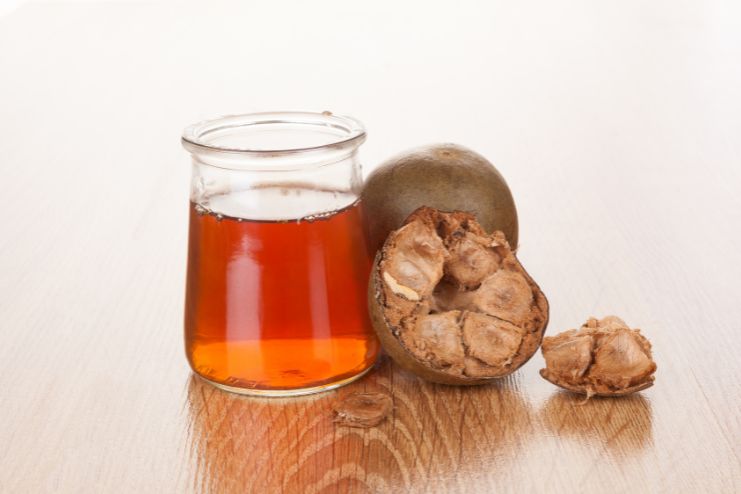
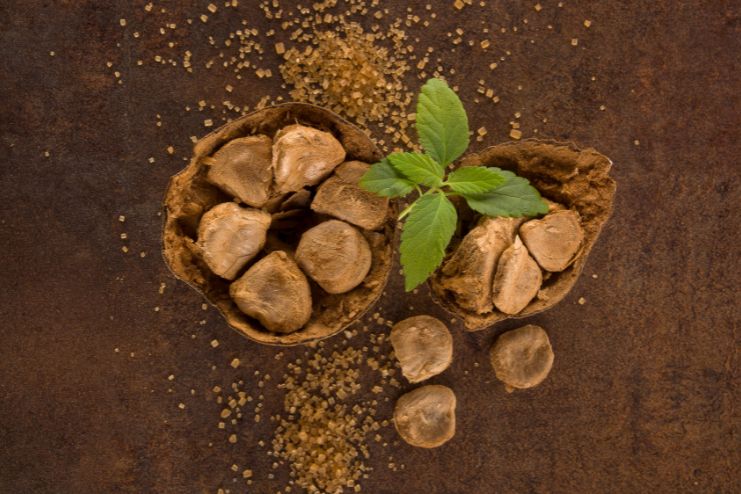
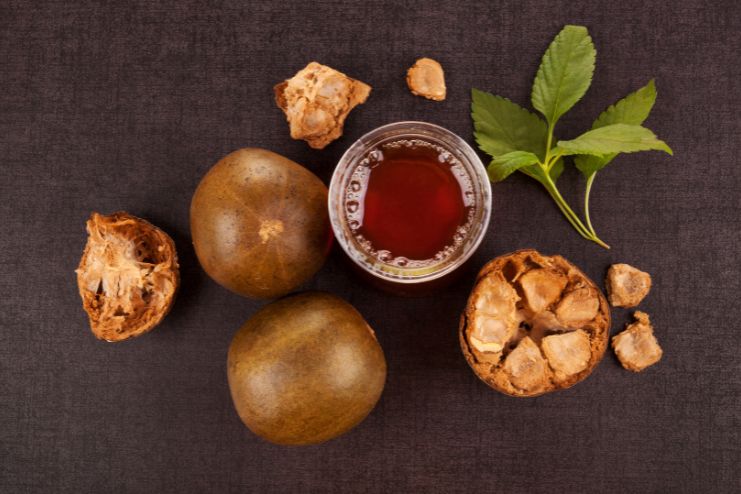
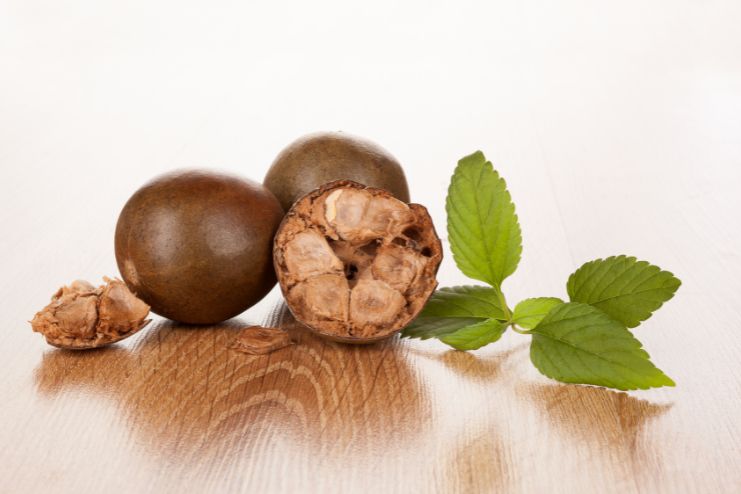
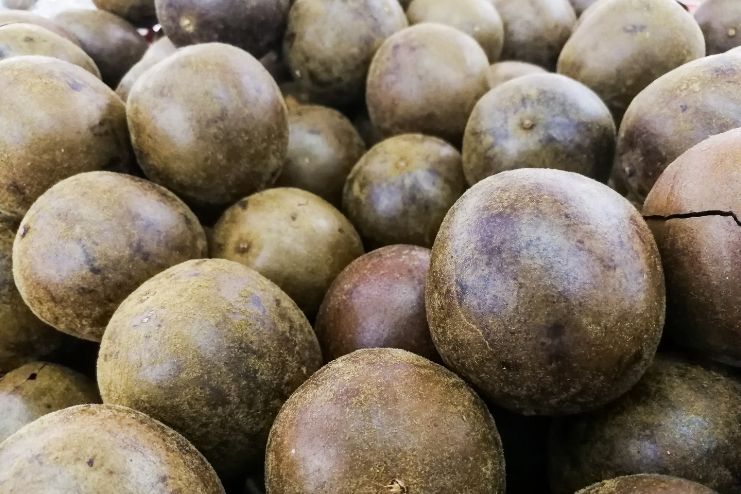
Monk fruit, or Luo Han Guo, is a small, round melon native to southern China and northern Thailand. It’s been used in traditional Chinese medicine for centuries, especially as a remedy for sore throats and digestive issues. But in modern health circles, it’s prized for something more: its incredible natural sweetness.
Unlike sugar, the sweetness of monk fruit doesn’t come from fructose or glucose. It comes from unique antioxidants called mogrosides, which are metabolized differently by the body. These compounds are what make monk fruit up to 150–250 times sweeter than regular sugar, without adding a single calorie or carb.
This makes monk fruit an ideal zero-calorie sweetener for those looking to cut sugar while still enjoying sweetness. It’s available in various forms—liquid, powder, granules—and is often used in blends with other sugar alternatives like erythritol to improve texture and baking performance.
Health Benefits of Monk Fruit Sweetener
Monk fruit isn’t just a trendy alternative to sugar—it does your body some real favors. Here’s how it stacks up when it comes to supporting your health:
1. No Calories, No Sugar Spikes
Monk fruit sweetener contains zero calories and doesn’t mess with your blood sugar. That’s because its sweetness comes from mogrosides, which your body doesn’t absorb like regular sugar. So if you’re managing diabetes, dealing with PCOS, insulin resistance, or just trying to keep your carbs low (hello keto), monk fruit is a smart and stable choice.
2. A Little Antioxidant Boost
Mogrosides don’t just make monk fruit sweet—they’ve got antioxidant and anti-inflammatory benefits too. While it’s not a supercharged source like berries or green tea, it does offer a small extra layer of protection against oxidative stress and inflammation. In other words, it’s doing more than just replacing sugar—it’s giving your system a hand.
3. Supports Weight and Dental Health
Swapping sugar for monk fruit can help cut down on overall calories, which supports weight management, especially if you’re keeping an eye on snacking or cravings. Bonus: monk fruit doesn’t feed the bacteria that cause cavities, so it’s tooth-friendly too. Fewer calories, better for your smile… what’s not to like?
Is Monk Fruit Safe? Are There Any Side Effects?
Monk fruit extract is generally recognized as safe (GRAS) by the U.S. FDA and is widely approved in other countries for use in foods and beverages. It’s one of the few sugar substitutes with a clean safety record and a long history of traditional use.
No major side effects have been reported with monk fruit use. That said, some people may notice a mild aftertaste, often described as fruity or slightly herbal. This varies by product and individual taste sensitivity and is often less noticeable than with stevia.
The only caution is with blended products. Monk fruit is sometimes mixed with erythritol or other sugar alcohols to improve texture and bulk. While these blends are still calorie-free, they may cause digestive discomfort in some people, especially in large amounts. Always check the ingredient list for what you’re consuming.
Monk Fruit vs. Other Sweeteners
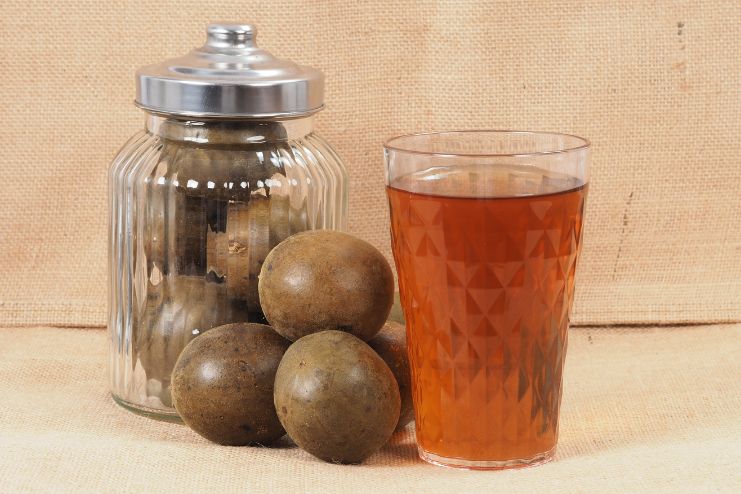
When it comes to replacing sugar, monk fruit is just one of the many options. How does it stack up against other common alternatives like stevia, erythritol, and artificial sweeteners?
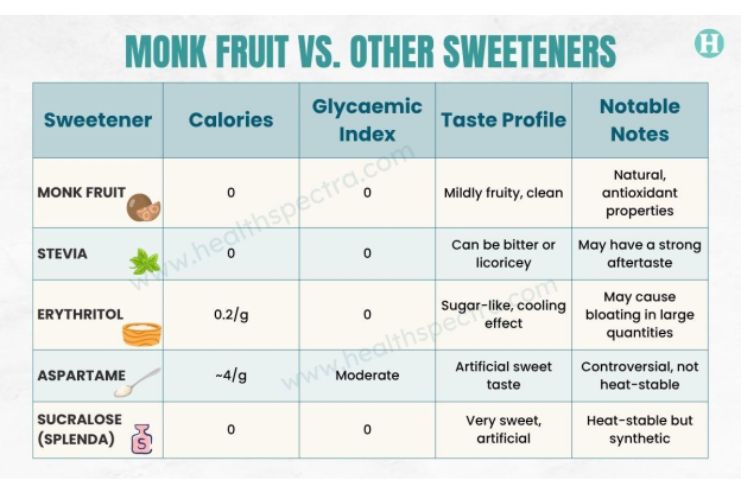
Monk fruit stands out for its natural origin, antioxidant-rich composition, and zero-calorie profile. It doesn’t have the bitter aftertaste often associated with stevia, nor the digestive issues that erythritol and sugar alcohols can sometimes cause. It’s also heat-stable, making it suitable for cooking and baking, unlike some sweeteners that break down at high temperatures.
Let’s break down a quick comparison:
 Read More: 12 Hidden Dangers of Sugar
Monk Fruit and the Sugar-Free Lifestyle: Tips for Transitioning
Adopting a sugar-free lifestyle can feel like stepping into uncharted territory—one full of ingredient labels, recipe testing, and flavor shifts. Monk fruit sweetener can be your secret weapon in this transition, but it works best when combined with mindful strategies that support long-term success.
Whether you’re reducing sugar for health, weight management, or managing chronic conditions, monk fruit makes the shift smoother without compromising on taste.
Here’s how to ease into a sugar-free lifestyle using monk fruit as your go-to substitute:
1. Start Small and Experiment
- Don’t try to replace all sugar overnight. Start by swapping sugar in your coffee or morning oatmeal with monk fruit. Gradual replacement helps adjust your taste buds.
- Experiment with different monk fruit formats—liquid drops in drinks, granules in baking, and blends for broader kitchen use.
- Combine it with natural flavors like cinnamon, vanilla, or citrus to enhance sweetness without needing more product.
2. Read the Label
- Pure monk fruit sweetener is ideal, but many store-bought products are blended with erythritol, maltodextrin, or other sweeteners.
- For keto or low-carb lifestyles, look for monk fruit blended with erythritol or allulose, not dextrose or maltodextrin, which can spike blood sugar.
- Avoid blends that include artificial sweeteners if you’re aiming for a natural lifestyle shift.
3. Reset Your Sweetness Tolerance
- When switching to sugar-free, your perception of sweetness may be exaggerated due to monk fruit’s intense flavor.
- Use less than you think you need—start with ¼ or ½ the usual amount and increase slowly. You’ll train your palate to appreciate milder sweetness.
- Consider going a few days with no added sweeteners at all to recalibrate your taste perception, then reintroduce monk fruit in moderation.
Monk fruit isn’t just a sugar substitute—it can serve as a mindset tool that helps you build a healthier, more conscious relationship with sweetness. Use it to transition thoughtfully, not just as a crutch for old sugar habits.
Read More: How to Control Your Sweet Tooth in 15 Steps
How to Use Monk Fruit in Everyday Life
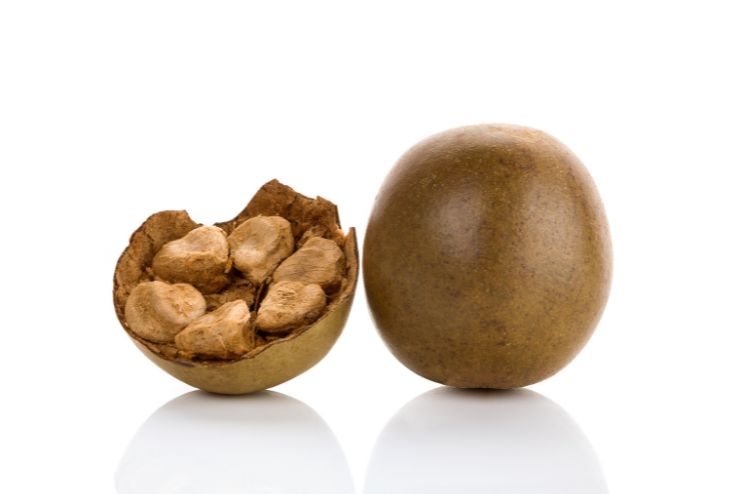
Monk fruit sweetener is incredibly easy to work into your daily routine—and once you do, it’s hard to go back to regular sugar. It’s available in several forms: liquid drops, powders, and blends (often mixed with erythritol for better texture), so you’ve got options. Whether you’re a baker, a coffee addict, or just trying to cut sugar without cutting flavor, monk fruit has your back.
Coffee, Tea, and Lattes
No more sugar crashes or weird aftertastes—just a few drops of liquid monk fruit or a pinch of the powdered kind can sweeten your favorite morning drinks. It dissolves quickly and won’t spike your blood sugar. Plus, it’s perfect for that 3 PM latte or iced tea without ruining your macros.
Pro tip: Monk fruit blends really well with cinnamon, nutmeg, or vanilla if you’re into flavored drinks.
Baking and Cooking
Want to bake a cake or a batch of cookies without sugar? Monk fruit’s your secret weapon. Just make sure you’re using a baking-friendly blend (usually monk fruit + erythritol or allulose). Pure monk fruit extract is super concentrated—think 100-250x sweeter than sugar—so using it alone can throw off your texture and measurements.
- Great for cakes, muffins, brownies, and even pie fillings.
- Works in stovetop recipes too, like custards and puddings.
Heads-up: Always check the conversion chart on the product label—it’s not a 1:1 sugar swap unless it says so.
Smoothies, Yogurt & Breakfast Bowls
Toss a pinch into your protein smoothie, Greek yogurt, or oatmeal for a quick hit of sweetness without the sugar overload. It’s especially good with fruits like berries or bananas where you want to enhance the flavor, not drown it in syrup.
Sauces, Dressings, and Marinades
Trying to make a low-sugar BBQ sauce or teriyaki glaze? Monk fruit works surprisingly well in savory recipes, too. Add a touch to:
- Homemade vinaigrettes
- Stir-fry sauces
- Chili or tomato-based dishes (to balance acidity)
It adds just enough sweetness to round out flavors without turning your dinner into dessert.
A Quick Note on Measuring Monk Fruit
Because monk fruit is way sweeter than sugar, less is more. Start with a small amount and adjust based on your taste buds. A tiny spoonful often goes a long way, especially with pure extract.
Bottom line? Monk fruit is more than a health trend—it’s a genuinely useful, flexible sweetener that fits into real-life meals and moments. From sweet treats to savory eats, it’s an easy upgrade for your kitchen.
Who Should Consider Using Monk Fruit?
Monk fruit isn’t just for fitness influencers or health food fanatics—it’s a great option for a wide range of people who want to cut back on sugar without sacrificing sweetness. Whether you’re managing a health condition or just trying to make smarter food choices, monk fruit sweetener can be a game-changer in your kitchen.
People with Diabetes or Insulin Resistance
If you’re living with diabetes, prediabetes, or insulin resistance, monk fruit offers a sweet solution that doesn’t mess with your blood sugar. Since mogrosides (the sweet compounds in monk fruit) aren’t metabolized the same way as sugar, they don’t cause glucose spikes or insulin surges, making it a safer, smarter option than most artificial or refined sweeteners.
Low-Carb and Keto Dieters
Counting carbs? Monk fruit fits perfectly into low-carb, ketogenic, and paleo lifestyles. It has zero net carbs, zero calories, and zero impact on ketosis, so you can enjoy sweet treats, morning coffee, or dessert recipes without breaking your diet or compromising your progress.
Parents Looking for Healthier Choices
Kids love sweets, but refined sugar can lead to hyperactivity, tooth decay, and long-term health issues. Monk fruit is a kid-friendly alternative that lets you create healthier versions of cookies, muffins, and snacks without a sugar crash. Bonus: It’s naturally derived, so you’re avoiding the artificial stuff.
Anyone Cutting Down on Sugar
Even if you’re not following a specific diet, cutting back on refined sugar is one of the best things you can do for your health. Monk fruit helps make that transition easier. Add it to your tea, smoothies, oatmeal, or baked goods and enjoy the taste of sweetness without the guilt or the inflammation.
Clean-Eating and Natural Lifestyle Enthusiasts
If you care about what goes into your body and prefer minimally processed, plant-based products, monk fruit checks the box. In its pure form, it’s a clean-label sweetener with no chemical aftertaste and no questionable ingredients—just natural sweetness from a tiny green fruit.
In short, Monk fruit is for anyone who wants to live a little healthier without giving up the joy of sweetness. It’s not about restriction—it’s about smarter choices that still taste good.
Read More: What Happens When You Stop Eating Sugar?
The Sweet Takeaway
Monk fruit isn’t just another sugar substitute—it’s a smarter way to stay sweet without sacrificing your health. From its zero-calorie, zero-glycemic profile to its antioxidant benefits and versatility in everyday recipes, monk fruit offers a guilt-free alternative for anyone looking to cut back on sugar without cutting out flavor.
Whether you’re managing diabetes, following a low-carb lifestyle, or simply tired of the sugar rollercoaster, monk fruit gives you the freedom to enjoy sweetness on your terms. It’s clean, it’s natural, and it fits into real life—from coffee cups to cupcakes.
In a world overloaded with hidden sugars and artificial additives, monk fruit is a refreshing reminder that healthy and delicious don’t have to be opposites. Sometimes, the best choices are the simplest, just like this little green fruit with a whole lot of impact.
References
- https://foodinsight.org/everything-you-need-to-know-about-monk-fruit-sweeteners/
- https://www.healthline.com/nutrition/monk-fruit-sweetener
- https://en.wikipedia.org/wiki/Siraitia_grosvenorii
- https://timesofindia.indiatimes.com/life-style/food-news/monk-fruit-sugar-5-things-to-know-about-this-natural-sweetner/articleshow/115049576.cms
- https://www.healthline.com/nutrition/monk-fruit-sweetener
- https://www.webmd.com/diet/what-to-know-about-monk-fruit-sugar
- https://www.healthline.com/health/food-nutrition/monk-fruit-health-benefits
- https://www.medicalnewstoday.com/articles/monk-fruit-benefits
- https://www.health.com/monk-fruit-benefits-7494675
- https://health.clevelandclinic.org/why-you-should-use-monk-fruit-sweetener
- https://monkfruit.in/blog/tips-to-use-monk-fruit-sweetener/
- https://taranaturalfoods.com/blog/have-your-cake-and-eat-it-too-with-monk-fruit
- https://www.thelondonobesityclinic.co.in/is-monk-fruit-a-healthy-alternative-to-artificial-sweetener/
- https://timesofindia.indiatimes.com/life-style/food-news/monk-fruit-sugar-a-new-and-healthier-alternative-to-white-sugar/articleshow/102684324.cms
In this Article