
















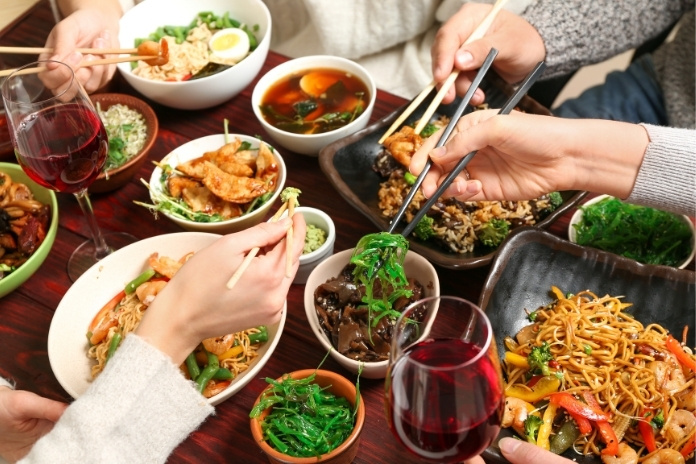
While Chinese food has often been given a bad reputation as being an unhealthy cuisine, especially in North America, the reality is that traditional Chinese food is actually one of the healthiest ways of eating in the world, with vegetables, lean protein, and small servings of grains being the focus of most traditional Chinese meals.
The problem with modern Chinese food served in America is not the food itself but the way it is prepared and served and the quantity of food served, especially if it is drenched in sauce, served in large containers, and fried.
When Chinese food is steamed, vegetable-based, and lightly seasoned, it can be one of the healthiest food choices available.
In this article, we will discuss some of the reasons why Chinese food may be an unhealthy choice, how to identify healthier Chinese food choices, what Chinese food is the healthiest, how to make Chinese food healthier when ordering Chinese food for weight loss, and how to make Chinese food healthier when ordering Chinese food for low-sodium diets.
Read More: What Happens to Your Body When You Quit Ultra-Processed Foods for 30 Days
What Makes Some Chinese Food Less Healthy?
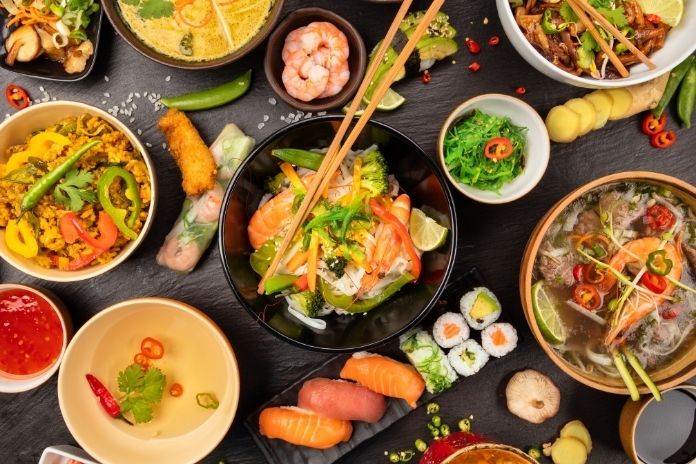
Chinese food itself is not an unhealthy cuisine; it’s just how it’s prepared and the ingredients used in Westernized Chinese takeout. One of the main issues with Chinese takeout is how much it’s fried. If you batter and fry healthy meats such as chicken or shrimp, you’re essentially doubling the amount of oil and calories.
The nutritional content also changes to include more saturated fats. Popular Chinese dishes such as crispy beef, sesame chicken, or sweet and sour pork are all healthy ingredients with high calorie content due to battering and frying.
“The biggest red flags are dishes in which you can’t tell what the meat is because it’s breaded and fried or covered in glop,” says Bonnie Taub-Dix, R.D., a nutritionist in New York City.
The Chinese sauces are also unhealthy. These are combinations of soy sauce, sugar, oil, and cornstarch. While they’re delicious, they increase sodium and calorie content. A single serving of sweet sauce contains hundreds of calories, with sodium content exceeding recommended daily amounts.
Therefore, one of the best ways to keep Chinese takeout low in sodium is to request it on the side. Another unhealthy feature of Chinese takeout is the large serving size. Chinese meals are traditionally eaten with multiple small servings of various dishes.
However, Chinese takeout has large serving sizes, which are two to three times larger than what’s needed. Therefore, without controlling serving sizes, what’s initially a healthy dish becomes unhealthy.
Lastly, Chinese takeout contains white rice. White rice has no fiber content. Therefore, large servings of Chinese takeout increase blood sugar levels. However, by substituting brown rice with white rice, Chinese takeout becomes a much healthier meal.
Lastly, Chinese takeout contains much more sugar and oil than Chinese cooking. Chinese cuisine contains many more vegetables, broths, and spices.
Read More: Why Ultra-Processed Foods Are Being Called ‘The Cigarettes of the Future
How to Spot a Healthier Option on the Menu
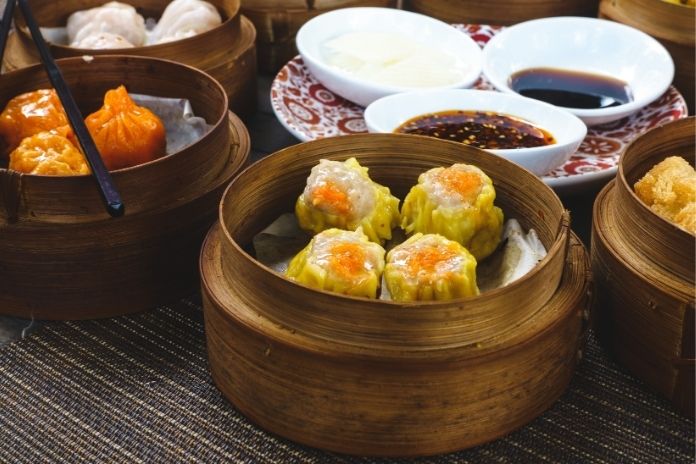
The search for healthy Chinese food at a take-out outlet becomes easier if you know what to look for. For instance, a healthy meal is steamed, poached, or braised, which means that you will not be consuming a lot of extra fat.
A steamed meal is one of the healthiest Chinese meals you can eat because steaming retains the nutrient content of food without adding extra fat, which is often a problem with Chinese meals. Stir-fried meals, on the other hand, make for a healthy Chinese meal, especially if the ingredients have been stir-fried quickly, which retains their nutrient content.
Opt for meals that feature lean protein sources, including chicken, shrimp, tofu, or fish, which will help you stay full without consuming extra calories. You should also opt for meals that feature a lot of vegetables, including broccoli, bok choy, cabbage, mushrooms, and snow peas, which will help you stay full while providing a healthy meal.
Opting for a meal with a sauce on the side will help you control the amount of sodium you will be consuming, which means that healthy Chinese meals will be lower in calories because you will not be consuming a lot of sauce.
Healthier Chinese Food Options to Order
Many Chinese dishes are naturally nutritious when prepared with light oil and a moderate amount of sauce. Understanding why each dish is healthy helps you order with confidence.
Steamed Chicken and Broccoli
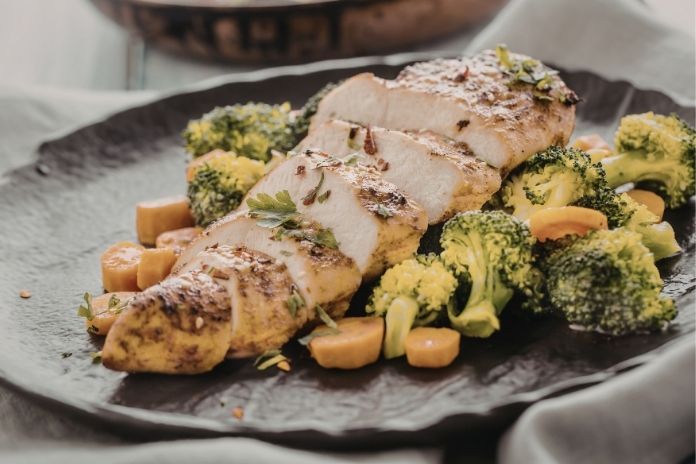
Steamed chicken with broccoli is one of the healthiest Chinese dishes due to the presence of protein along with fiber content. Chicken contains high amounts of protein with lower amounts of saturated fat. Broccoli contains vitamin C, potassium, and antioxidants. When the sauce is on the side, it’s an even better choice with fewer calories and less sodium.
The combination of protein and fiber content will keep you satisfied with fewer chances of raising blood sugar levels. If you are looking to lose weight or want to consume a heart-healthy diet, then steamed chicken with broccoli is a good choice among Chinese dishes.
Shrimp with Mixed Vegetables
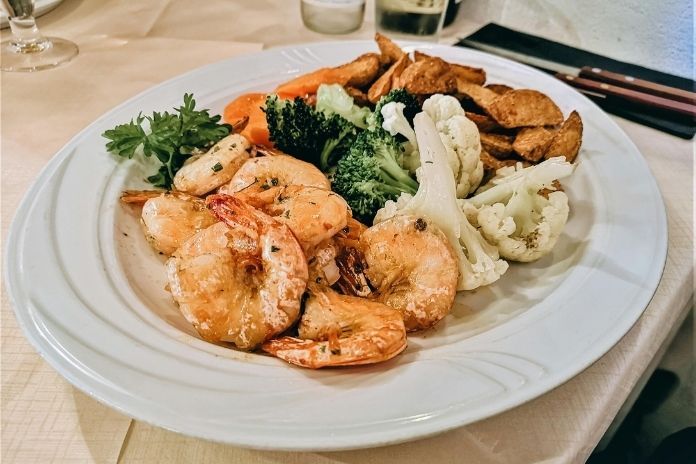
Shrimp with mixed vegetables is one Chinese dish that can be considered a healthy choice. Shrimp has low saturated fat content. Moreover, it provides protein along with essential minerals such as selenium and iodine.
Since it cooks quickly, it can be sautéed with minimal oil in a stir-fry. However, it’s best to order light sauce or on the side to ensure it’s not only low in calories but also low in sodium. The combination of protein and vegetables provides a feeling of satisfaction without feeling too full.
Buddha’s Delight (Vegetable Stir-Fry)
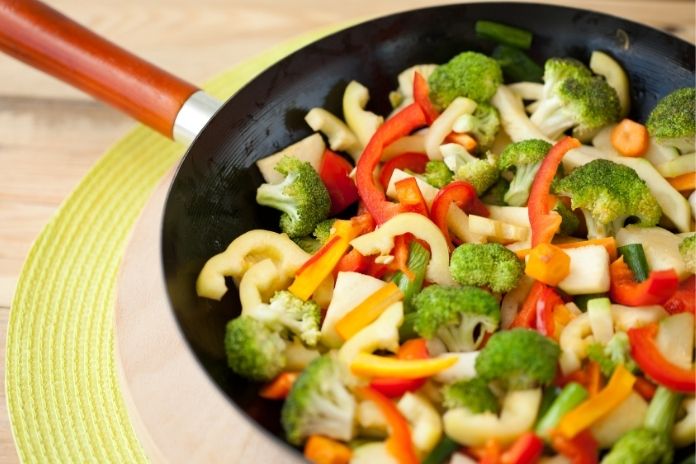
Buddha’s Delight is a timeless Chinese vegetarian dish that highlights the healthiest aspects of Chinese cooking. It is normally made with tofu, cabbage, bok choy, mushrooms, bamboo shoots, and bean sprouts. Tofu is a plant-based source of lean protein, while vegetables offer healthy fiber with essential vitamins and minerals.
The absence of heavy sauce means that this meal is likely to be low in calories, especially if you ask for light oil. Therefore, Buddha’s Delight is a healthy Chinese meal that suits a weight management diet or a plant-based diet.
Moo Goo Gai Pan
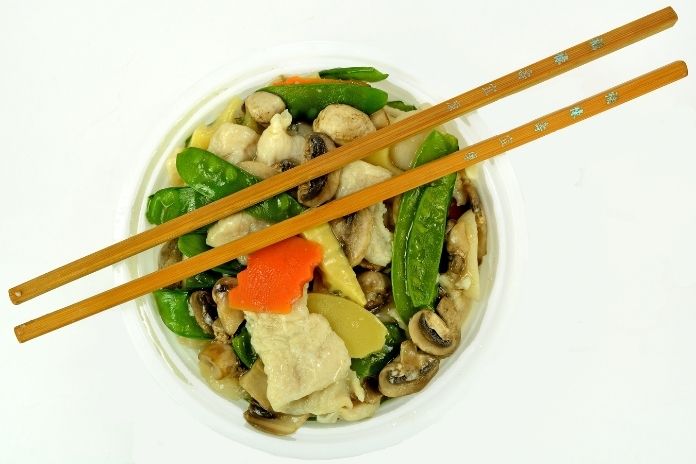
Moo Goo Gai Pan consists of sliced chicken, mushrooms, and vegetables in a light sauce. Compared with heavily fried dishes, it uses lean protein and a modest amount of oil. Mushrooms add fiber and nutrients while enhancing flavor without extra calories.
This dish is often considered one of the healthiest Chinese food choices because it’s balanced and satisfying. When served with brown rice in a small portion, it becomes a well-rounded meal. Basically, it has sliced chicken with mushrooms and vegetables cooked in a light sauce.
The difference here is that it doesn’t rely on fried foods; it relies on protein with only a small amount of oil. The addition of mushrooms gives it fiber and nutrients. It’s one of the healthier Chinese dishes because it seems to be well-balanced. If you order it with a small serving of brown rice, it’s a well-rounded meal.
Egg Drop or Hot and Sour Soup (In Moderation)
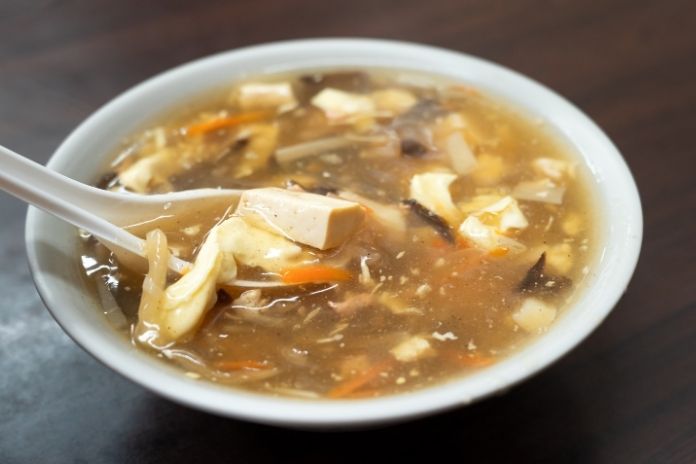
Egg drop soup and hot and sour soup are two of the better Chinese options because they are light compared to fried appetizers. These are good choices to get some warmth, hydration, and a small amount of protein.
However, they are high in salt content. Having a small serving with someone else allows you to enjoy the flavor without consuming too much salt.
Brown Rice Instead of White Rice
Brown rice contains more fiber and nutrients. It slows down the blood sugar rise and helps you feel full longer. This simple swap improves healthy Chinese food options dramatically.
Read More: Diabetes-Friendly Quinoa and Vegetable Stir-Fry: A Low-GI Delight
Chinese Dishes That Are Higher in Calories and Sodium
Some dishes are supposed to be eaten on an occasional basis because of the amount of frying and sweetness. General Tso’s Chicken, Orange Chicken, and Sweet and Sour Pork are deep-fried and then smothered in thick sauces. They are high in calories and salt. The lo mein and rice dishes are high in oil and carbohydrates.
These meals are not forbidden. However, sharing them or having them in small portions will keep the meal balanced.
Healthier Modifications You Can Ask For
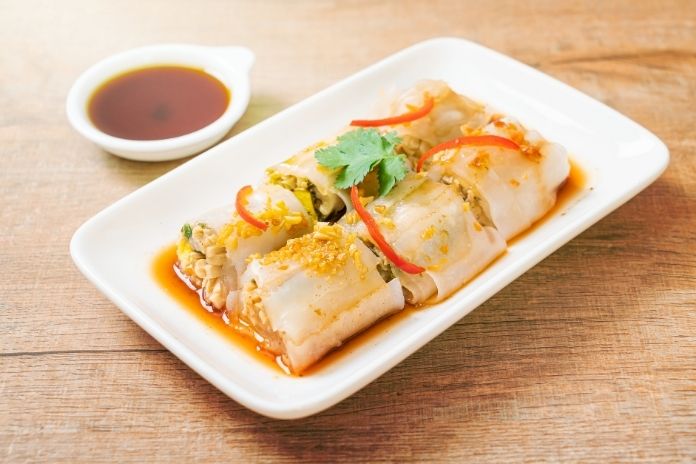
Chinese restaurants are usually willing to customize dishes. Here’s how you can opt for healthier dishes:
- Asking for sauce on the side reduces sodium and sugar.
- Requesting light oil lowers calories.
- Adding extra vegetables increases fiber and fullness.
- Choosing steamed instead of fried preserves nutrients.
- Ordering half rice or sharing an entrée improves portion control.
These small changes can transform standard takeout into healthy Chinese takeout.
Healthy Chinese Food for Specific Goals
For Weight Loss
For weight loss, meals built around lean protein and vegetables are ideal. Steamed chicken, shrimp stir-fry, tofu dishes, and vegetable soups are filling but lower in calories. Portion control is essential. Choosing dishes that are grilled, steamed, or lightly sautéed instead of deep-fried can significantly reduce calorie intake. Asking for sauces on the side also helps you manage hidden fats and sugars.
For Lower Sodium
For lower sodium, choose steamed dishes, request reduced soy sauce, and avoid heavy soups or sauces. These adjustments create low-sodium Chinese food meals. Many restaurant dishes contain hidden sodium in marinades and broths, so asking for “light sauce” or “no MSG” can make a big difference. Adding fresh chili, garlic, or ginger instead of salty condiments keeps flavor high while sodium stays low.
For Blood Sugar Management
For blood sugar management, combine protein, vegetables, and small portions of brown rice. Limiting sugary sauces prevents spikes. Choosing high-fiber vegetables like broccoli, bok choy, and mushrooms slows digestion and stabilizes blood sugar levels. Eating slowly and balancing carbs with protein helps prevent sudden glucose rises after meals.
Is Chinese Food Healthy Overall?
Traditional Chinese meals emphasize vegetables, tofu, seafood, and tea, with small portions of meat and rice. This ensures nutritional balance.
With modern Chinese takeouts, it is possible to maintain nutritional health by being mindful of the way it is cooked, the amount of salt used, and the serving sizes. In the end, the healthiest Chinese meals depend on the choices you make, not the meals themselves.
Building a Balanced Chinese Takeout Meal
A balanced and healthy Chinese takeout meal starts with vegetables and lean protein, includes a small portion of rice, and avoids excessive fried appetizers. Sharing dishes and eating slowly helps maintain portion control.
This approach allows you to enjoy flavor and variety while staying within nutrition goals.
The Bottom Line
The truth is, healthy Chinese food options exist. Steamed dishes, veggie-packed stir-fries, and protein-packed meals are some of the healthiest Chinese food options available. The nutritional voids come from the sauce and how much you eat.
By making a few simple substitutions, such as brown rice instead of white, asking for sauce on the side, and increasing your vegetable intake, you can enjoy healthy Chinese food that fits your dietary goals and still satisfies your cravings for authentic Chinese dishes.
References
- ChefCoca. (n.d.). American Chinese food: Why it tastes so good even if it’s not authentic.
- I Am A Food Blog. (n.d.). General Tso’s chicken recipe.
- Restaurant India. (n.d.). 7 Chinese dishes that can be a healthy option for your diet.
- The Woks of Life. (n.d.). Moo goo gai pan.
- Alibaba Group Wellness. (n.d.). Shrimp with mixed vegetables Chinese style.
- WebMD. (n.d.). Best and worst Chinese dishes.
In this Article