

















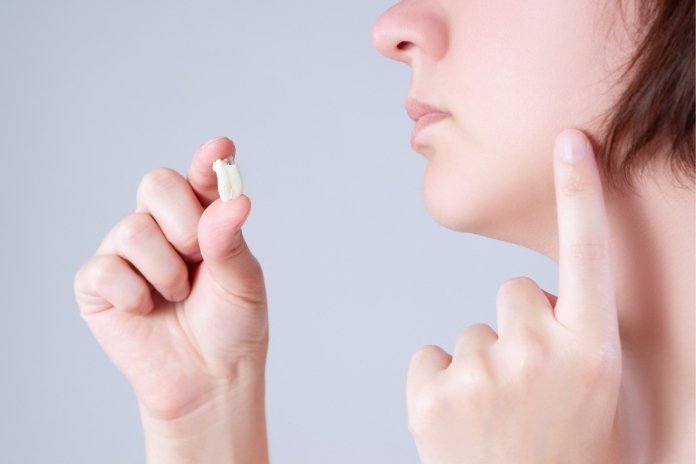
Did you know that 85% of people will need their wisdom teeth removed at some point in their lives? If you’re currently dealing with the throbbing pain of an infected wisdom tooth, you’re not alone.
While professional dental care is essential for treating the infection itself, these evidence-based home remedies can provide temporary relief and help manage symptoms until you can see your dentist.
What is a Wisdom Tooth Infection?
Your mouth contains 32 teeth, including four wisdom teeth (third molars) that typically emerge between ages 17-25. Located at the back of your mouth, wisdom teeth are harder to clean and more susceptible to infection.
A wisdom tooth infection occurs when bacteria accumulate around partially erupted or impacted wisdom teeth, leading to decay, gum inflammation, and the potential development of abscesses.
The Mayo Clinic notes that these teeth often lack sufficient room to develop properly, which can lead to pain and dental problems.
Read More: How Long Until a Tooth Infection Kills You? Understanding the Risks, Timeline, and When to Seek Help
Recognizing Wisdom Tooth Infection Symptoms
Watch for these warning signs:
- Sharp or throbbing tooth pain
- Jaw swelling and inflammation
- Pus discharge around the tooth
- Bad breath or foul taste
- Difficulty opening your mouth
- Swollen lymph nodes
What Causes Wisdom Tooth Infections?
Wisdom teeth sit deep in your mouth, making thorough cleaning difficult. Food particles and bacteria accumulate in hard-to-reach areas, especially around partially erupted teeth. This bacterial buildup leads to decay, gum disease, and infection.
“Gum disease can develop quite easily if proper oral hygiene is neglected,” says certified nurse practitioner Jennifer Bidey, DNP.
12 Home Remedies for Temporary Relief
Important: These remedies provide temporary symptom relief only. See a dentist for proper diagnosis and treatment. Untreated dental infections can lead to serious complications, including life-threatening conditions.
1. Salt Water Rinse
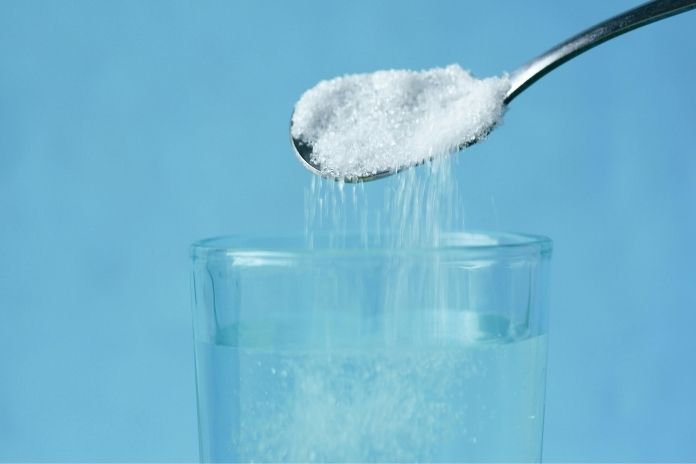
Research shows that salt’s natural antibacterial properties help reduce bacterial growth and inflammation.
Instructions:
- Mix ½ teaspoon salt in 1 cup warm water
- Rinse for 30 seconds, then spit out
- Use 2-3 times daily
2. Cold Compress
Reduces swelling and numbs pain effectively.
Instructions:
- Wrap ice in a towel (never apply ice directly to skin)
- Apply to the outside of your cheek for 15-20 minutes
- Repeat every few hours as needed
Read More: Fluoride vs. Hydroxyapatite – Which Toothpaste Is Better?
3. Hydrogen Peroxide Rinse
Studies demonstrate that hydrogen peroxide kills bacteria and reduces infection when properly diluted.
Instructions:
- Mix equal parts 3% hydrogen peroxide and water
- Rinse gently for 30 seconds, then spit out completely
- Never swallow hydrogen peroxide
- Use 1-2 times daily
4. Clove Oil

Contains eugenol, a natural pain reliever and antimicrobial compound. Research confirms eugenol’s effectiveness as both an anesthetic and antibacterial agent.
Instructions:
- Dilute 2-3 drops of clove oil with carrier oil (coconut or olive oil)
- Apply to the affected area with a cotton swab
- Leave for several hours
- Use 2-3 times daily
5. Baking Soda Paste
Alkaline properties help neutralize acids and fight bacteria.
Instructions:
- Mix 1 teaspoon of baking soda with enough water to form a paste
- Apply to the affected tooth with a clean finger
- Leave for 2-3 minutes, then rinse
- Use 1-2 times daily
Read More: Naturally Fresh: The Top 7 Fluoride-Free Toothpastes for a Healthy Smile
6. Garlic Paste
Allicin in garlic provides natural antibiotic and anti-inflammatory effects.
Instructions:
- Crush 2-3 garlic cloves to extract juice
- Apply with a cotton ball to the affected area
- Leave for 10-15 minutes, then rinse
- Use 1-2 times daily
7. Oregano Oil
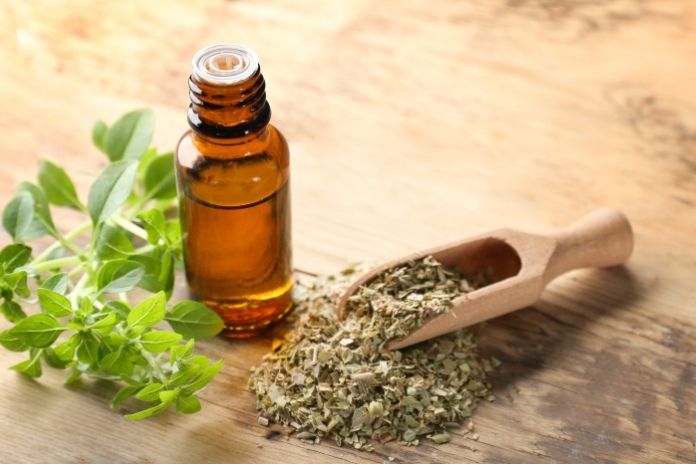
Strong antibacterial and antioxidant properties help fight infection.
Instructions:
- Mix 3-4 drops of oregano oil with 1 tablespoon of carrier oil
- Apply to the affected area with a cotton swab
- Leave for 10-15 minutes
- Use once daily
8. Peppermint Tea Bags
Menthol provides cooling relief and mild antimicrobial benefits.
Instructions:
- Steep a tea bag in hot water for 5 minutes
- Allow to cool in the refrigerator
- Apply a cooled tea bag to the affected area for 15-20 minutes
- Use 2-3 times daily
9. Warm Salt Water with Turmeric
Turmeric adds anti-inflammatory benefits to salt saltwater rinse.
Instructions:
- Mix ½ teaspoon salt and ¼ teaspoon turmeric powder in warm water
- Rinse for 30 seconds, then spit out
- Use 2-3 times daily
Read More: 15 Common Tooth Brushing Mistakes We Aren’t Aware Of
10. Onion Application
Contains compounds that may reduce inflammation and pain.
Instructions:
- Cut a fresh onion and chew gently on the affected side
- Allow natural juices to contact the infected area
- Rinse after 10 minutes
- Use sparingly due to the strong taste
11. Ginger Paste
Natural anti-inflammatory properties help reduce swelling.
Instructions:
- Grate fresh ginger and mix with water to form a paste
- Apply to the affected gum area
- Leave for 10-15 minutes, then rinse
- Use 1-2 times daily
12. Fenugreek Tea Compress

Traditional remedy with antibacterial and anti-inflammatory properties.
Instructions:
- Boil ½ teaspoon fenugreek seeds in water for 10 minutes
- Strain and cool
- Soak a cotton ball in tea and apply to the affected area
- Use 1-2 times daily
Read More: 14 Natural Remedies For Receding Gums For A Better Oral Health
When to See a Dentist
Seek immediate dental care if you experience:
- Severe, persistent pain
- Facial swelling
- Fever
- Difficulty swallowing
- Signs of spreading infection
The Cleveland Clinic emphasizes that pericoronitis (inflammation around wisdom teeth) can be dangerous if left untreated and requires prompt professional care.
Prevention Tips
- Brush teeth twice daily, including back molars
- Floss daily, especially around wisdom teeth
- Use antibacterial mouthwash
- Schedule regular dental checkups
- Maintain a healthy diet to support immune function
- Avoid smoking and excessive sugar
Read More: 12 Health Benefits of Chewing Gum and Some Side Effects
Important Safety Notes
- These remedies are for temporary relief only
- Essential oils must be diluted before use
- Never swallow hydrogen peroxide or other rinses
- Discontinue use if irritation occurs
- Some people may be allergic to certain ingredients
Bottom Line
While these home remedies can provide temporary relief from wisdom tooth infection symptoms, they are not substitutes for professional dental treatment. Untreated infections can lead to serious complications. Contact your dentist promptly for proper evaluation and treatment.
Ready to take control of your oral health?
Schedule a dental appointment today to address your wisdom tooth infection properly. Remember, early intervention can prevent minor issues from becoming major health concerns.
Read More: 2 Ways To Use Clove Oil For Toothache And Quick Relief
Frequently Asked Questions (FAQ)
How long does a wisdom tooth infection last without treatment?
Without proper treatment, wisdom tooth infections typically worsen over time rather than resolve. The infection can persist for weeks or months and may lead to serious complications, including abscesses, bone loss, or systemic infection.
Can I treat a wisdom tooth infection completely at home?
No, home remedies cannot cure a wisdom tooth infection. While they may provide temporary symptom relief, professional dental treatment is necessary to eliminate the infection and prevent complications.
What’s the strongest natural antibiotic for a tooth infection?
No natural remedy can replace prescription antibiotics for treating bacterial infections. Clove oil and salt water rinses have some antimicrobial properties, but they cannot eliminate established infections like professional treatment can.
How do I know if my wisdom tooth infection is spreading?
Warning signs of a spreading infection include: facial swelling, fever, difficulty swallowing, swollen lymph nodes, and severe pain that worsens over time. These symptoms require immediate medical attention.
Is it safe to use hydrogen peroxide for a wisdom tooth infection daily?
When properly diluted (equal parts 3% hydrogen peroxide and water), it’s generally safe for short-term use (1-2 times daily). However, prolonged daily use isn’t recommended as it can disrupt the natural oral microbiome.
Can wisdom tooth infections cause serious health problems?
Yes, untreated wisdom tooth infections can lead to serious complications, including Ludwig’s angina (life-threatening neck swelling), sepsis, brain abscesses, and heart valve infections in rare cases.
How quickly should I see a dentist for wisdom tooth pain?
See a dentist within 24-48 hours for persistent wisdom tooth pain. Seek immediate care if you develop facial swelling, fever, or difficulty swallowing, as these indicate potentially serious complications.
Why do wisdom teeth get infected more often than other teeth?
Wisdom teeth are located at the back of the mouth, making them harder to clean effectively. They often don’t fully erupt, creating pockets where bacteria can accumulate. Their late emergence also means less space in the jaw, leading to crowding and cleaning difficulties.
References
- https://www.mayoclinic.org/diseases-conditions/wisdom-teeth/symptoms-causes/syc-20373808
- https://www.mayoclinic.org/diseases-conditions/tooth-abscess/symptoms-causes/syc-20350901
- https://my.clevelandclinic.org/health/diseases/24142-pericoronitis
- https://pubmed.ncbi.nlm.nih.gov/16943065/
- https://pmc.ncbi.nlm.nih.gov/articles/PMC186138/
- https://pubmed.ncbi.nlm.nih.gov/31869191/
- https://pmc.ncbi.nlm.nih.gov/articles/PMC3769004/
- https://www.ncbi.nlm.nih.gov/books/NBK551727/
- https://pubmed.ncbi.nlm.nih.gov/21397894/
- https://www.ncbi.nlm.nih.gov/pmc/articles/PMC4054083/
- https://pubmed.ncbi.nlm.nih.gov/28346030/
- https://pmc.ncbi.nlm.nih.gov/articles/PMC7648695/
- https://www.jeffersonhealth.org/your-health/living-well/the-hidden-dangers-of-poor-oral-health
- https://www.jeffersonhealth.org/find-a-doctor/b/bidey-jennifer
In this Article