




















Gingerbread is not a health food, but its classic spices, such as ginger, cinnamon, cloves, nutmeg, and allspice, do offer modest, evidence‑based benefits when enjoyed as part of an overall balanced diet. The catch is that these benefits come in small doses and do not cancel out the sugar and refined flour in most holiday cookies.
Introduction: Comfort Treat, Quiet Benefits
Gingerbread sits in a gray zone between comfort food and nutrition: it is still a dessert, yet the spices baked into each bite contain biologically active compounds linked with digestion, blood sugar support, antioxidant activity, and even mood.
For most people in the United States, the most realistic approach is to treat gingerbread as an occasional seasonal sweet while using its spice mix more often in everyday foods like oatmeal, yogurt, or tea.
Is Gingerbread Healthy or Just a Treat?
From a nutrition standpoint, gingerbread is closer to a cookie than to a wellness food because it is usually made with white flour, added sugar, butter, and sometimes icing or candy decorations. Any potential upside comes primarily from the spices, not from the dough, so a large frosted gingerbread man will still spike blood sugar more than it improves health.
Portion size and preparation make a noticeable difference, which means a small homemade gingerbread cookie made with less sugar and more spice is a better choice than a large, ultra‑processed packaged cookie.
Boxed mixes and store‑bought cookies also tend to include more added sugars and fats and may use cheaper spice flavorings rather than generous amounts of real ground spices.
Read More: What Happens If You Drink Ginger, Lemon, and Honey Tea Daily
Why Gingerbread Spices Matter
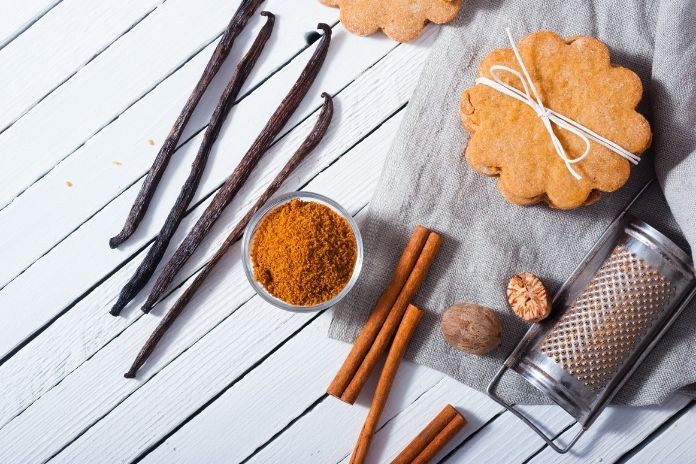
Spices are concentrated sources of plant compounds such as polyphenols, essential oils, and antioxidants, which can influence inflammation, blood sugar, gut function, and even brain signaling.
Because they are used in small amounts, their effects are gentle and supportive rather than drug‑like, and they work best when they show up regularly in a generally healthy eating pattern.
Even when baked into cookies, the overall spice mix can increase the antioxidant capacity of the final product compared with similar baked goods made without spices, though this does not negate the impact of sugar or refined carbohydrates.
In other words, the spices can make a treat a little more nutritious, but they do not transform it into a healthy food.
1. Ginger May Support Digestion and Nausea
Ginger has a long history of use to relieve digestive discomfort, and modern studies suggest it can promote gastric motility, helping food move more smoothly through the stomach and intestines.
Research also links ginger with reduced nausea in situations like pregnancy, motion sickness, and some medical treatments, likely through effects on gut and nervous system signaling.
However, clinical trials usually use doses of 1000–2000 mg of ginger per day, which is far more than the pinch or two that ends up in a serving of gingerbread.
This means a cookie may contribute to your overall ginger intake over the season, but it should not be relied on as a primary remedy for nausea or indigestion.
Read More: Ginger Tea For Weight Loss – Does It Work?
2. Cinnamon and Blood Sugar Support
Cinnamon is one of the most studied spices for blood sugar control, and several trials and meta‑analyses suggest that cinnamon supplements can modestly reduce fasting blood glucose and improve insulin resistance in people with type 2 diabetes.
Animal and cellular studies also show cinnamon compounds influencing insulin signaling and glucose handling in tissues such as the brain and liver.
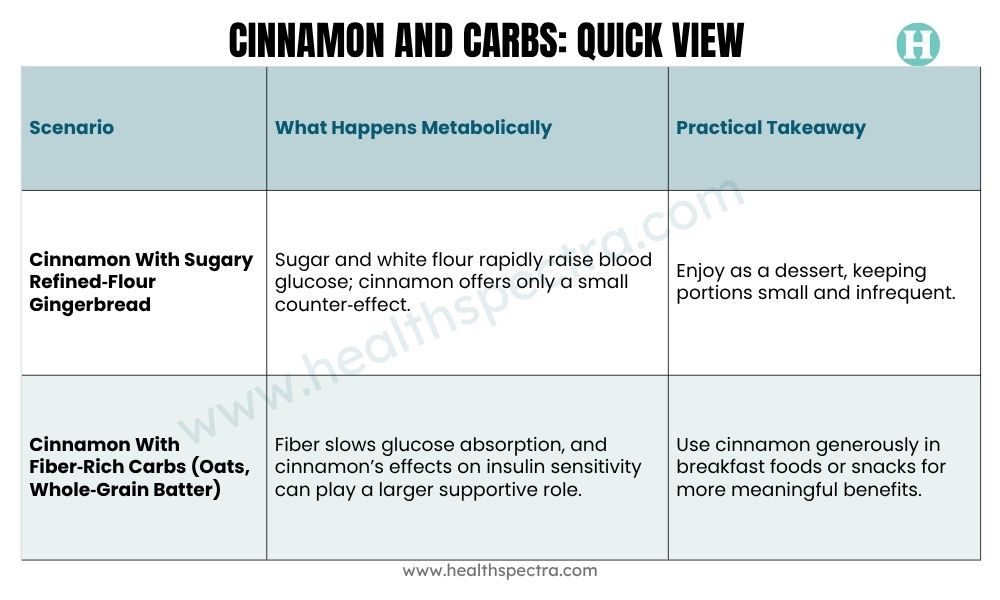
When cinnamon is baked into a high‑carbohydrate, high‑sugar product, the overall blood sugar response is still dominated by the sugar and flour, even though the spice itself has useful properties.
Pairing cinnamon with more balanced carbohydrate sources, such as oatmeal or whole‑grain toast, allows it to play a more meaningful supportive role than when it is buried in a frosted cookie.
 3. Cloves: Antioxidant and Antimicrobial Punch
Cloves are exceptionally rich in antioxidants, with lab analyses ranking cloves among the most antioxidant‑dense culinary spices.
Compounds like eugenol contribute strong free‑radical‑scavenging activity, which explains why clove‑spiced cakes and cookies can show up to several‑fold higher antioxidant capacity than similar baked goods without spices.
Clove extracts and essential oils also show broad antimicrobial activity against several bacteria and fungi, and clove oil has a long history of use in oral care for tooth and gum discomfort.
In gingerbread, these effects are subtler because the amounts are small and diluted through the batter, but you still get a trace of this antimicrobial and antioxidant support with each bite.
Read More: 18 Uncomparable Health Benefits of Ginger Tea
4. Nutmeg, Allspice, and Brain/Mood
Nutmeg contains compounds such as myristicin and elemicin, which, in experimental studies, have been linked to neurotransmitter activity and potential mood or cognitive effects.
Traditional systems of medicine describe nutmeg as calming or gently sedating, and some modern data suggest that low doses may have anxiolytic or mood‑supportive actions, although human research remains limited.
Allspice contributes additional aromatic compounds and polyphenols and, when combined with other spices, may help increase the antioxidant activity of baked goods compared with spice‑free versions.
It is important to remember that nutmeg is beneficial only in typical culinary amounts. Very high intakes, far beyond what you would ever use in baking, can cause serious neurological symptoms.
5. Anti‑Inflammatory Properties of the Spice Blend
Many of the key gingerbread spices have anti‑inflammatory actions, largely thanks to their polyphenols and essential oils.
Gingerols in ginger, cinnamaldehyde in cinnamon, and eugenol in cloves have all been studied in cell and animal models for their ability to modulate inflammatory pathways.
Chronic inflammation is influenced by the overall diet, so a few gingerbread cookies in December will not make or break inflammatory status, but a cooking pattern that regularly uses these spices in savory dishes, drinks, and breakfasts can contribute to a more anti‑inflammatory eating pattern over time.
In that context, a small piece of gingerbread becomes another enjoyable way to incorporate anti‑inflammatory flavors into an otherwise balanced lifestyle.
Does Baking Destroy the Benefits?

Heat does change some spice compounds, yet it does not eliminate all their activity, and in some cases, baking with spices can even increase the antioxidant potential of the finished product compared with an unspiced control cake.
Studies of baked goods fortified with spice mixes such as cloves, cinnamon, and allspice show higher total phenolic content and several‑fold greater antioxidant capacity than similar cakes without spices, even after baking and storage.
Cooking and baking can decrease certain heat‑sensitive antioxidants, but at the same time, it may make other compounds more available or create new antioxidant‑active products as the food browns.
This means that comparing raw spices to baked cookies is not the most useful benchmark; a better question is whether the spiced version is more protective than the same sweet baked without spices, which appears to be the case.
Read More: How to Use Ginger for Stomach Problems
Healthier Ways to Enjoy Gingerbread Flavors

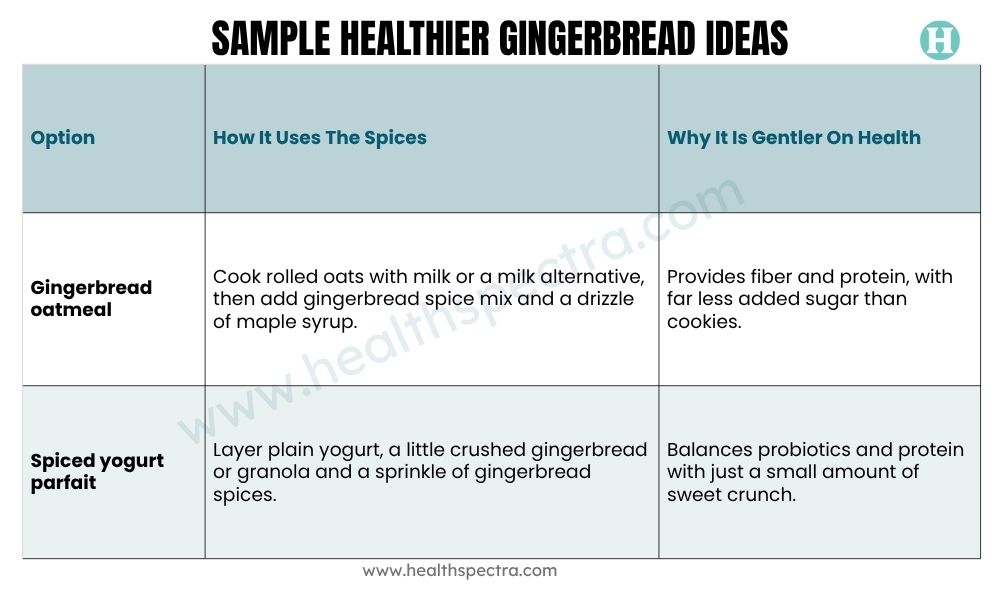
A practical way to get more from gingerbread spices is to move them beyond decorated cookies into lighter, everyday foods that already fit a healthier pattern.
For example, you can add gingerbread spice mix with ginger, cinnamon, cloves, nutmeg, and allspice to oatmeal, yogurt, smoothies, or baked apples, and sweeten them lightly with a small amount of maple syrup or fruit instead of large amounts of sugar.
When baking actual gingerbread, using whole‑wheat flour for part of the recipe, cutting back on sugar, and increasing the spice blend slightly can improve the fiber content and allow the spices to shine without relying on frosting or sugary toppings.
Serving smaller pieces, pairing them with a protein‑rich snack like Greek yogurt, and enjoying them mindfully can also help keep your overall sugar intake in check during the holiday season.
 Who Should Be Cautious With Gingerbread?
People with diabetes or insulin resistance need to be especially mindful of gingerbread because even small cookies can contain significant added sugar and refined carbohydrates that raise blood glucose quickly.
Using mini portions, pairing treats with meals instead of eating them alone, and choosing recipes with less sugar and more whole grains can soften the impact but will not remove it entirely.
Those prone to acid reflux may find that rich, spiced desserts aggravate symptoms, especially close to bedtime, since both fat and certain spices can relax the lower esophageal sphincter or irritate a sensitive esophagus.
People with known allergies or sensitivities to specific spices, wheat, eggs, or dairy should read labels carefully and opt for customized recipes or alternatives when needed.
Read More: 9 Health Benefits of Bay Leaves and How To Consume It
Key Takeaway: Is Gingerbread Good for You?
Gingerbread is best viewed as a seasonal dessert that contains spices with scientifically supported benefits for digestion, blood sugar regulation, antioxidant activity, and potentially mood.
The health value sits mostly in the spice blend and in how often you use those same spices in more everyday foods, not in the sugar and white flour that turn them into cookies.
Enjoying gingerbread in small portions, favoring homemade versions with less sugar and more spices, and weaving gingerbread flavors into balanced options like oatmeal or yogurt lets you keep the nostalgic pleasure while still caring for long‑term health.
References
- Anh, N. H., Kim, S. J., Long, N. P., Min, J. E., Yoon, Y. C., Lee, E. G., Kim, M., Kwon, T. J., Yang, Y. Y., Son, E. Y., Yoon, S. J., Diem, N. C., Kim, H. M., & Kwon, S. W. (2020). Ginger on human health: A comprehensive systematic review of 109 randomized controlled trials. Nutrients, 12(1), Article 157
- Pagliari, S., Forcella, M., Lonati, E., Sacco, G., Romaniello, F., Rovellini, P., Fusi, P., Palestini, P., Campone, L., Labra, M., Bulbarelli, A., & Bruni, I. (2023). Antioxidant and anti-inflammatory effect of cinnamon (Cinnamomum verum J. Presl) bark extract after in vitro digestion simulation. Foods, 12(3), Article 452
- Morvaridzadeh, M., Nachvak, S. M., Tarighat-Esfanjani, A., Anbari, K., Rahmani, S., & Milajerdi, A. (2020). A systematic review and meta-analysis of randomized controlled trials. Complementary Therapies in Medicine, 55, Article 102583.
- Hasanpourfard, Z., Hosseini, S. M., Zare Bidaki, M., & Hosseini, M. (2022). The efficacy and safety of ginger supplementation in patients with active rheumatoid arthritis: A randomized controlled trial. Health Science Reports, 5(6), Article e1004.
- Nguyen, H. A., & Le, T. H. (2023). Ginger: The pungent spice. Journal of Herbal Medicine, 41, Article 100735.
- Wang, Y., Chen, X., & Liu, Y. (2021). Orally consumed ginger and human health: An umbrella review. Food Science and Human Wellness.
- Asbaghi, O., Nazarian, E., Mecheels, J., Mahdavi, A. M., Nasirzadeh, M., & Asbaghi, O. (2024). Effect of cinnamon supplementation on blood pressure, oxidative stress, and inflammatory biomarkers in adults: An umbrella review of the meta-analyses of randomized controlled trials. Nutrition, Metabolism and Cardiovascular Diseases.
- Gunawardena, D., Shanmugam, S., Abeywardena, M., & Bentley, R. (2015). Anti-inflammatory activity of cinnamon (C. zeylanicum and C. cassia) and its polyphenolic components. Food & Function, 6(8), 2554–2565.
- Kaur, R., Meenu, & Deep, A. (2021). Beneficial effects of cinnamon and its extracts in the management of cardiovascular diseases: A comprehensive review. Food & Function, 12(24), 12584–12599.
- Khodabandehloo, H., Vafaei, A. A., Ghorbani, A., & Jeddi, S. (2020). Antioxidant and anti-inflammatory effects of Cinnamomum species: A review. Phytotherapy Research, 34(12), 3127–3143.
- Kumar, S., & Dubey, A. (2024). Health benefits of ginger: A review. Journal of Ayurveda and Holistic Medicine, 10(2), 1–10.
- Mollazadeh, H., & Hosseinzadeh, H. (2019). Potential effects of ginger (Zingiber officinale) on human health: A review. Phytotherapy Research, 33(6), 1505–1525.
- Guiding Stars. (2021). Holiday spice is nice (and healthy)!
- Today’s Dietitian. (2023). Herbs and spices: Holiday spices
- University Hospitals. (2024). Health benefits of gingerbread spices.
- Piedmont Healthcare. (2024). The healthiest winter spices.
- Batiha, G. E.-S., Alkazmi, L., Wasef, L. G., Beshbishy, H. A., Nadwa, E. H., & Rashwan, E. K. (2020). Syzygium aromaticum L. (Myrtaceae): Traditional uses, bioactive chemical constituents, pharmacological and toxicological activities. Biomolecules, 10(2), Article 202.
- Sharma, A., Rao, P., & Kumar, S. (2021). A comprehensive review on clove. International Journal of Advance Research and Scientific Communication, 5(2), 1–15.
- Thakur, M., & Nanda, R. K. (2021). Potential of clove and its nutritional benefits in physiological activities. Journal of Sports Science, 6(1), 75–80.
- Wang, Y., et al. (2023). Unlocking the power of nutmeg: Nutritional composition, phytochemical profile, and health benefits. PubMed
In this Article