


















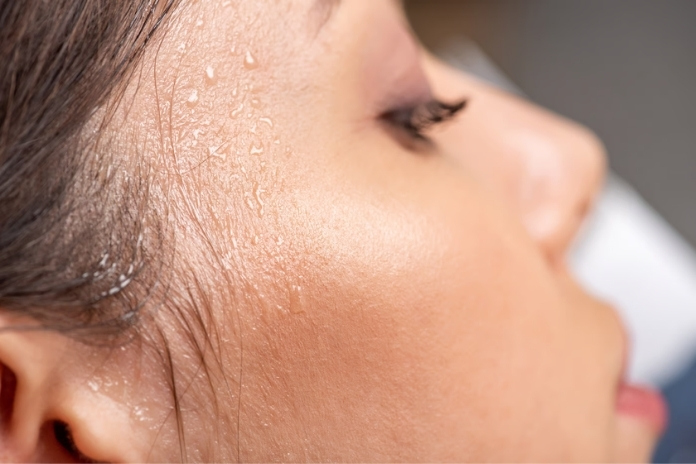
Sweating when you’re nervous is a normal biological response. When anxiety or stress activates the sympathetic nervous system, it triggers eccrine and apocrine sweat glands to produce sweat, even if you’re not physically hot.
This type of nervous sweating is different from hyperhidrosis, a medical condition that causes excessive sweating regardless of temperature or emotional state and affects about 4.8% of the population. Understanding the difference is important because it determines which treatments are most likely to help.
- Nervous sweating is a normal stress response.
- Hyperhidrosis causes excessive sweating beyond normal triggers.
- Breathing exercises, less caffeine, and antiperspirants can help.
Read More: Everything You Want to Know About Excessive Sweating
The Biology—Why Nervousness Causes Sweating
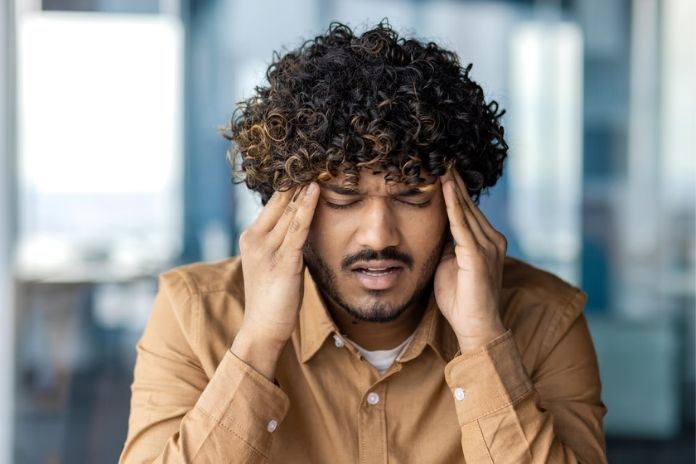
If you’ve ever wondered, “Why do I sweat when nervous?” the answer lies in your body’s built-in survival system. When you feel anxious, stressed, embarrassed, or threatened, your sympathetic nervous system activates the fight-or-flight response. This response prepares your body to react quickly to potential danger.
Along with increasing heart rate and alertness, it also stimulates sweat glands through the release of a chemical messenger called acetylcholine. Two types of sweat glands play a role:
Eccrine Sweat Glands
Eccrine sweat glands are found across most of the body. They produce a clear, watery sweat that helps regulate body temperature. During stressful situations, these glands become especially active on the palms, soles of the feet, forehead, and underarms.
Apocrine Sweat Glands
Apocrine sweat glands are concentrated mainly in the underarms and groin. Unlike eccrine glands, they respond strongly to emotional stress. They produce a thicker fluid that contains proteins and lipids. When this fluid mixes with bacteria on the skin, body odor develops. This is one reason stress sweat smells often stronger than sweat produced during exercise.
Normal Nervous Sweating vs. Hyperhidrosis—The Distinction That Changes What Helps
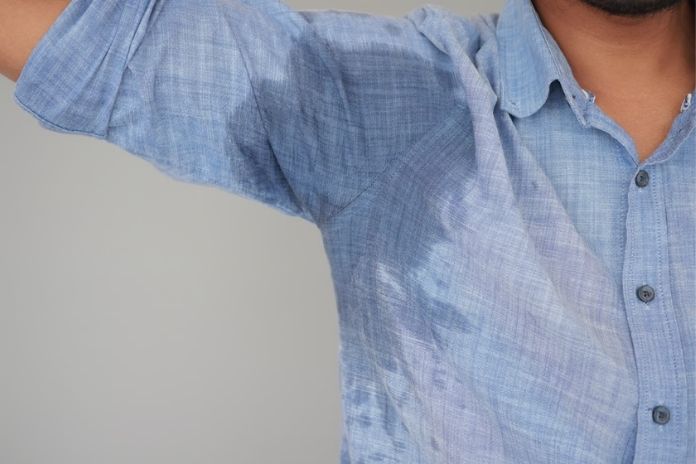
Not all sweating is the same. Normal nervous sweating is situational. It occurs during anxiety-provoking experiences such as job interviews, presentations, first dates, public speaking events, or difficult conversations. Once the stressful situation passes, sweating usually decreases and returns to normal.
Hyperhidrosis is different. It is a recognized medical condition characterized by excessive, often unpredictable sweating that occurs even when a person is neither hot nor emotionally stressed. Research suggests it affects approximately 4.8% of the U.S. population.
Primary hyperhidrosis often begins during childhood or adolescence and commonly affects the palms, soles, underarms, and face. Sweating usually occurs symmetrically on both sides of the body.
A simple way to tell the difference is to look at the trigger. If sweating happens mainly during stressful situations and improves afterward, it is likely nervous sweating. If sweating occurs regularly without emotional triggers, soaks through clothing regardless of temperature, or interferes with daily life, a medical evaluation for hyperhidrosis may be appropriate.
Read More: Anxiety and Heart Palpitations: How to Tell the Difference from Heart Problems
What Makes Nervous Sweating Worse — and Why Stress Sweat Smells Different
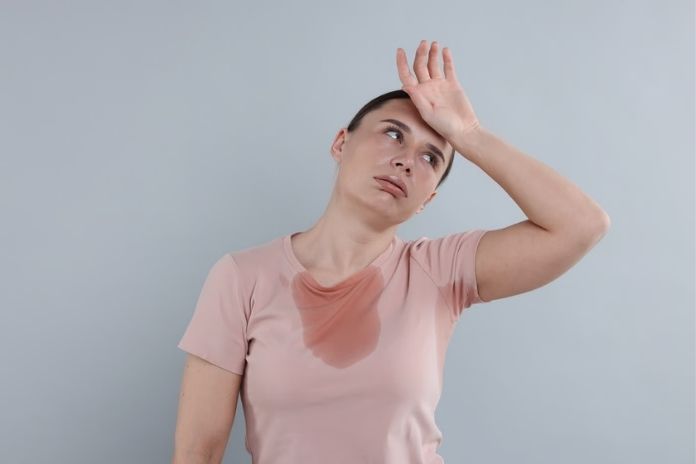
Certain habits and environmental factors can make excessive nervous sweating more noticeable. Caffeine is one of the most common triggers. Coffee, energy drinks, and other caffeinated beverages stimulate the nervous system and increase sweat gland activity. Drinking several cups before an important event may worsen anxiety.
Spicy foods and alcohol can also increase sweating by raising body temperature and activating sweat production independently of emotional stress. Clothing choices matter as well. Synthetic fabrics often trap heat and moisture against the skin, creating additional sweating beyond the emotional response itself.
The reason stress sweat smells different comes down to apocrine gland activity. Exercise-related sweat mainly comes from eccrine glands and is nearly odorless. Stress-related sweat contains proteins and fats that bacteria break down into stronger-smelling compounds. This is a biological process and not a reflection of personal hygiene.
Immediate Strategies That Actually Help During Nervous Sweating

Many people search for how to stop sweating when nervous, but not every tip is equally effective. These evidence-based strategies can help reduce symptoms.
Practice Diaphragmatic Breathing
One of the most effective solutions is slow diaphragmatic breathing. Try inhaling for four counts, holding for two counts, and exhaling for six counts. This pattern activates the parasympathetic nervous system, which helps counteract the body’s stress response and reduces sympathetic nervous system sweating.
Use Clinical-Strength Antiperspirant Ahead of Time
For anticipated stressful events, timing matters. Applying a clinical-strength or prescription antiperspirant or sweat-reducing solution the night before allows active ingredients to form temporary plugs inside sweat ducts. Products containing aluminum chloride hexahydrate are particularly effective. Applying antiperspirant immediately before an event is usually less helpful.
Reduce Caffeine on High-Stress Days
If you know a presentation, interview, or important meeting is coming up, consider reducing caffeine intake that day. Lowering nervous system stimulation can help reduce the baseline level of sweat production.
Choose Breathable Natural Fibers
Cotton and merino wool often manage moisture better than many synthetic fabrics. Merino wool also has natural antibacterial properties that may help reduce odor associated with stress sweat.
Rehearse and Prepare
Preparation reduces uncertainty, which is one of the strongest drivers of anxiety. Practicing a speech, presentation, or conversation several times beforehand can decrease nervous system activation and reduce sweating during the actual event.
When Sweating Is Medical — Causes Worth Investigating
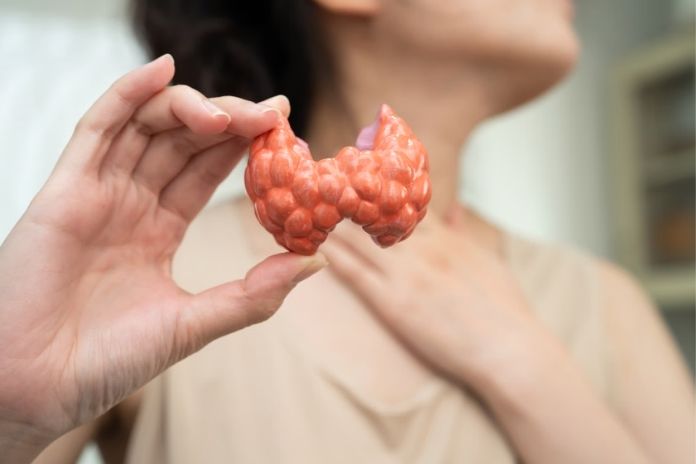
Not all excessive sweating is caused by anxiety. If sweating develops suddenly or becomes significantly worse in adulthood, it may be related to an underlying medical condition. This is known as secondary hyperhidrosis. Several conditions can contribute to this.
Hyperthyroidism: An overactive thyroid speeds up metabolism and commonly causes sweating, heat intolerance, palpitations, nervousness, and unintended weight loss.
Menopause and Perimenopause: Menopause sweating often occurs during hot flashes caused by changing estrogen levels. Night sweats and sudden episodes of intense warmth are common symptoms.
Diabetes: Low blood sugar can trigger a strong sympathetic nervous system response, resulting in sweating, shakiness, and rapid heartbeat.
Lymphoma: Persistent night sweats can sometimes be associated with certain cancers, including Hodgkin and non-Hodgkin lymphoma. While uncommon, this symptom should not be ignored when accompanied by other concerning signs.
Medications: Many medications can increase sweating. One of the most common examples is SSRI sweating. Selective serotonin reuptake inhibitors (SSRIs) and serotonin-norepinephrine reuptake inhibitors (SNRIs) may cause diaphoresis in some people, particularly after starting treatment or increasing dosage.
See a healthcare professional if excessive sweating starts suddenly, worsens without explanation, occurs with symptoms such as weight loss or palpitations, or develops after beginning a new medication.
Clinical Treatments for Hyperhidrosis — What Is Available Beyond Antiperspirant

When sweating is caused by hyperhidrosis, lifestyle strategies alone may not provide enough relief. Fortunately, several effective treatments are available.
Prescription Antiperspirants
Prescription antiperspirant products containing 15% to 25% aluminum chloride hexahydrate are typically considered first-line treatment. They work by temporarily blocking sweat ducts and are often more effective than over-the-counter options.
Iontophoresis
Iontophoresis uses a mild electrical current delivered through water to temporarily reduce sweat gland activity. This treatment is particularly effective for sweaty hands and feet. Many patients use home devices after receiving guidance from a healthcare provider.
Botox for Hyperhidrosis
Botox hyperhidrosis treatment has been FDA-approved for underarm sweating since 2004. The injections temporarily block nerve signals that activate sweat glands. Results typically last between six and twelve months, making it one of the most effective treatments for underarm hyperhidrosis.
Oral Anticholinergic Medications
Medications such as oxybutynin and glycopyrronium reduce sweating throughout the body by blocking certain nerve signals. These medications can be helpful for widespread sweating, although side effects such as dry mouth and urinary difficulties may limit long-term use.
miraDry
miraDry uses microwave energy to permanently reduce sweat gland activity in the underarms. Many patients experience substantial and lasting sweat reduction after treatment, often around 80%. Because destroyed sweat glands do not regenerate, the results are considered permanent. Secondary hyperhidrosis causes should be evaluated and treated appropriately.
Read More: What Are the Signs You Need More Electrolytes?
Conclusion
Sweating when nervous is not a personal flaw. It is a normal biological response driven by the body’s stress system. For most people, practical strategies such as diaphragmatic breathing, reducing caffeine, and using clinical-strength antiperspirants can make a noticeable difference.
However, if sweating is excessive, persistent, or occurs without obvious anxiety triggers, it may indicate hyperhidrosis. In those cases, effective medical treatments are available and can provide meaningful, long-term relief.
FAQs
Q. Is sweating when nervous normal?
A. Yes. Nervous sweating is a normal physiological response to anxiety and stress. The sympathetic nervous system activates eccrine sweat glands and apocrine sweat glands as part of the fight-or-flight response. Almost everyone experiences it occasionally. It becomes a medical concern when sweating is excessive, unpredictable, occurs without emotional triggers, or significantly affects daily activities and social confidence.
Q. Why does stress sweat smell worse than normal sweat?
A. Stress sweat primarily comes from apocrine glands, which produce a thicker fluid containing proteins and lipids. Skin bacteria break these substances down into odor-producing compounds. Exercise sweat mostly comes from eccrine glands and is much more diluted. The stronger odor associated with stress sweat is a biological phenomenon and not a sign of poor hygiene.
Q. When should I see a doctor about excessive sweating?
A. Consider seeing a doctor if sweating is excessive, unpredictable, and interferes with daily life, regardless of temperature or anxiety level. You should also seek medical advice if sweating starts suddenly and worsens without a clear reason or occurs alongside symptoms such as weight loss or palpitations.
References
- International Hyperhidrosis Society. (n.d.). Medications.
- Louisiana Dermatology Associates. (n.d.). miraDry.
- CosmeDocs. (n.d.). Botox for hyperhidrosis.
- International Hyperhidrosis Society. (n.d.). Antiperspirant basics.
- National Center for Biotechnology Information. (2014). Physiology, sweating (StatPearls/NCBI Bookshelf).
- Johns Hopkins Medicine. (n.d.). Diaphragmatic breathing.
In this Article