




















You blow your nose, glance at the tissue, and pause. It’s green. Or thick yellow. Your first thought? Green phlegm antibiotics.
Many people assume that green mucus means infection, and that antibiotics are the next step. The same confusion surrounds yellow phlegm meaning, as if color alone can tell you whether it’s viral or bacterial.
It can’t.
In most upper respiratory infection cases, including viral bronchitis, mucus turns green or yellow because neutrophils release myeloperoxidase during inflammation. That color reflects immune activity, not proof of a bacterial cause. Even viral vs bacterial cough mucus patterns often look identical, especially with colored phlegm, no fever.
The CDC notes that most respiratory infections are viral, yet discolored mucus still drives antibiotic overuse and rising antibiotic resistance.
Here’s the bottom line: color alone doesn’t decide treatment. What matters is the overall symptom pattern and knowing when to see a doctor for a cough.
Why Phlegm Changes Color (It’s Not Just Bacteria)
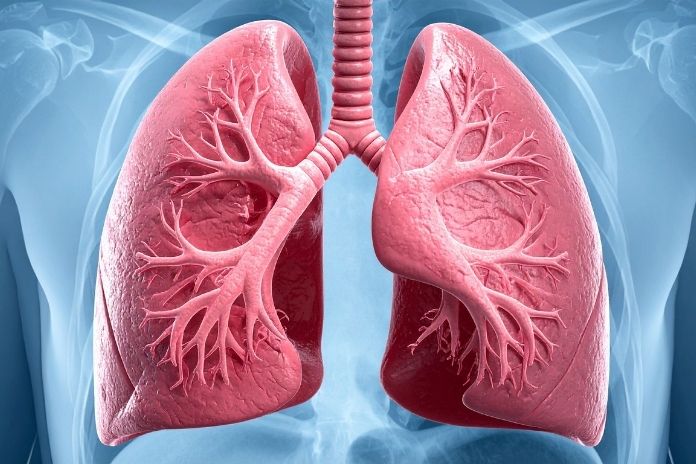
Let’s start with the basics. Mucus lines your respiratory tract and acts as a protective barrier. It traps viruses, bacteria, dust, and pollutants before they reach deeper tissues. When you get sick, your body increases mucus production as part of its defense response, especially during an upper respiratory infection.
The shift from clear to yellow or green has far less to do with bacteria than most people assume. It primarily reflects immune activity, which is why yellow phlegm or green mucus is often misunderstood.
When your body detects an infection, neutrophils, a type of white blood cell, rush to the area. These cells contain an enzyme called myeloperoxidase. Because myeloperoxidase contains iron, it has a natural greenish tint. As neutrophils accumulate and break down inside the mucus, they alter its color.
That’s why color alone doesn’t tell you what kind of infection you have. As Aaron Glatt, chair of medicine and chief of infectious diseases at Mount Sinai South Nassau, explains: “Many people believe that yellow or green mucus indicates a bacterial infection, but experts caution that color doesn’t correlate to a particular type of infection, as both viruses and bacteria can cause yellow or green mucus.”
So when people ask whether green mucus means infection, the answer is more nuanced. Yes, it signals inflammation. But inflammation can be viral, allergic, or bacterial in origin. The color reflects your immune response, not the specific microbe behind it.
This is also why doctors look at other symptoms when evaluating viral vs bacterial cough mucus. For example, colored phlegm without fever is often linked to viral illnesses like viral bronchitis, not bacterial disease.
Understanding this distinction matters because many people immediately assume they need medication and search for green phlegm antibiotics. In reality, unnecessary antibiotic use for respiratory illnesses contributes to antibiotic overuse, respiratory infections, and the growing problem of antibiotic resistance.
Instead of focusing solely on color, clinicians assess symptom duration, fever, breathing difficulty, and whether signs of a secondary bacterial infection are present. In many cases, a simple phlegm color chart can help people understand what different mucus colors may indicate, but it should never replace medical evaluation.
If symptoms persist, worsen, or include chest pain, high fever, or shortness of breath, that’s when to see a doctor for a cough rather than relying solely on mucus color to judge the severity of the illness.
Mucus “Ages” and Concentrates
Color can also deepen simply because mucus sits and thickens.
Overnight, mucus pools in your sinuses and airways. As water evaporates, what’s left becomes more concentrated. The result is thicker, darker secretions. That’s why morning phlegm often looks worse than it does later in the day.
Hydration plays a role, too. The National Institutes of Health notes that inadequate fluid intake can thicken respiratory secretions, concentrating immune cells and debris. Thicker mucus appears darker even if the underlying illness hasn’t changed.
If you wake up with darker mucus but otherwise feel stable, the color may reflect the concentration rather than the severity of the infection.
Viral Infections Are the Most Common Cause
When people search for the meaning of yellow phlegm, many assume bacteria are to blame. But the data tells a different story.
The Centers for Disease Control and Prevention reports that most upper respiratory infections, including the common cold, influenza, and COVID-19, as well as the majority of acute bronchitis cases, are viral. These illnesses commonly produce thick yellow or green mucus as part of the body’s inflammatory response.
Harvard Health Publishing reinforces this point. As Robert H. Shmerling, MD, explains: “It has been well established that you cannot rely on the color or consistency of nasal discharge to distinguish viral from bacterial sinus infections, or even whether you’re dealing with an infection at all.”
Take viral bronchitis as an example. It can cause green or yellow sputum for up to three weeks. Yet antibiotics provide no benefit unless a secondary bacterial infection develops.
What this really means is simple: colored phlegm alone is not a diagnosis. Without high fever, severe facial pain, breathing difficulty, or steadily worsening symptoms, the cause is far more likely to be viral than bacterial.
Read More: Top 5 Viral Infections Mistaken for Allergies (And How to Spot the Difference)
Why the Color Lies About Antibiotics

Several studies have tested a simple question: Does green mucus mean infection, and more specifically, can sputum color reliably distinguish viral vs bacterial cough mucus?
The answer has been surprisingly consistent. A widely cited study in the British Journal of General Practice found no strong correlation between sputum color and bacterial infection in patients with acute cough. In other words, patients producing green mucus were no more likely to benefit from green phlegm antibiotics than those with clear sputum.
Guidance from the National Institute for Health and Care Excellence and the Centers for Disease Control and Prevention echoes the same point: colored mucus alone should never determine antibiotic use.
What this really means is simple. The body’s immune response creates the color. Neutrophils release enzymes such as myeloperoxidase, which change the color of mucus as immune cells break it down. Bacteria are not required for that process, which is why the yellow phlegm’s meaning is often misunderstood.
This is also why clinicians look beyond color when assessing a cough. Colored phlegm, no fever, frequently appears during viral illnesses like viral bronchitis or other forms of upper respiratory infection, not necessarily bacterial disease.
Antibiotics Don’t Speed Recovery
If green phlegm automatically meant bacteria, antibiotics would reliably shorten the illness. They don’t.
A major review from the Cochrane Collaboration evaluating antibiotics for acute bronchitis found that, on average, antibiotics reduced symptoms by less than one day. At the same time, they increased the risk of side effects such as diarrhea, rash, and nausea.
Most cases of viral bronchitis are caused by viruses. Treating viral infections with antibiotics offers minimal benefit while contributing to antibiotic overuse, respiratory infections, and the growing problem of antibiotic resistance.
The Mayo Clinic notes that uncomplicated upper respiratory infections typically resolve within one to two weeks without antibiotics. If symptoms are gradually improving, even with thick yellow or green mucus, medication is unlikely to change the course.
Instead of relying solely on mucus color or a phlegm color chart, clinicians monitor symptom severity and progression. Persistent fever, worsening cough, chest pain, or breathing difficulty may signal a secondary bacterial infection and indicate when to see a doctor for a cough.
The Real Issue: Overprescription
Despite clear evidence, prescribing patterns still track closely with mucus color. A large prospective study of adults with acute cough and lower respiratory tract infection found that patients producing discolored sputum (yellow or green) were prescribed antibiotics about 3.2 times more often than those without discolored sputum, even though antibiotics did not improve symptom resolution.
That disconnect fuels a larger problem: antibiotic resistance.
The World Health Organization has repeatedly warned that antimicrobial resistance ranks among the top global health threats. Each unnecessary prescription increases the pressure that allows resistant bacteria to evolve. Over time, infections become harder to treat, routine procedures become riskier, and treatment options narrow.
Unnecessary antibiotics can also disrupt the gut microbiome and increase the risk of infections such as Clostridioides difficile, which can cause severe diarrhea and colitis.
The cost of color-based prescribing isn’t theoretical. It affects individual patients today and weakens antibiotic effectiveness for everyone tomorrow.
Read More: Why You Shouldn’t Use Leftover Antibiotics — Even If You Feel Sick Again
What Doctors Look for Instead of Color

If not color, what actually matters?
Clinicians focus on patterns. Severity. Duration. Red-flag symptoms. The overall trajectory of your illness tells a far clearer story than the shade of mucus in a tissue.
Here’s how doctors think about when to see a doctor for a cough.
Symptom Duration
Most viral upper respiratory infections improve within 10 to 14 days. Congestion may thicken and change color during that time, but gradual improvement is the key signal.
According to the American College of Chest Physicians, a cough lasting longer than 3 weeks warrants evaluation. Persistent symptoms may reflect post-viral airway inflammation, asthma, gastroesophageal reflux, or, less commonly, a secondary bacterial infection or pneumonia.
Duration matters more than shade. A green cough that’s improving is usually less concerning than a lingering cough that refuses to settle.
Getting Better, Then Worse
Doctors pay close attention to what’s often called the “double sickening” pattern.
You start to feel better after several days. Fever fades. Congestion eases. Then the symptoms rebound. Fever returns. Sinus pain intensifies. The cough deepens.
The Centers for Disease Control and Prevention notes that this pattern can suggest a secondary bacterial sinus infection following a viral illness. In that scenario, antibiotics may be appropriate.
It’s not the color change that raises concern. It’s the reversal in recovery.
Severe or Red-Flag Symptoms
Certain symptoms override any discussion about mucus color. While people often focus on the yellow phlegm meaning or ask if green mucus means infection, doctors prioritize warning signs that suggest something more serious.
A fever above 101°F lasting more than three days, chest pain unrelated to coughing, shortness of breath, wheezing, confusion, or coughing up blood all require medical evaluation. These symptoms may indicate pneumonia after an upper respiratory infection or a secondary bacterial infection.
Color charts, like a phlegm color chart, can help with general understanding, but they cannot diagnose illness. Red flags always take priority when deciding when to see a doctor for a cough.
Underlying Health Conditions
Risk profile changes the equation.
People with conditions such as COPD, asthma, diabetes, immunosuppression, or chronic kidney disease should seek care sooner when respiratory symptoms appear. What starts as viral bronchitis or another upper respiratory infection can progress faster in high-risk individuals.
Doctors evaluate the overall situation rather than relying solely on viral vs. bacterial cough mucus or the assumption that green phlegm automatically requires antibiotics.
The Overall Clinical Picture
Clinicians ultimately assess the full picture: energy level, breathing pattern, heart rate, oxygen saturation, appetite, and hydration status.
For example, colored phlegm without a fever often points toward a viral illness rather than a bacterial infection. Recovery trend and respiratory stability matter far more than mucus color, especially since unnecessary antibiotic use contributes to antibiotic overuse, respiratory infections, and growing antibiotic resistance.
Read More: Key Differences Between Cold and Flu
What the Colors Actually Mean

Mucus color can offer clues, but it needs context. Here’s a practical, evidence-based way to interpret what you’re seeing using a general phlegm color chart approach.
Clear or White
Common in early upper respiratory infection, allergies, and asthma.
Clear mucus often reflects normal production or mild airway inflammation. During the first few days of a cold, it’s typical. In allergies, it may stay clear and watery for weeks. On its own, it rarely signals anything serious.
Yellow or Green
Common in the common cold, viral bronchitis, influenza, and COVID-19.
This color reflects an active immune response. Neutrophils release myeloperoxidase, which gives mucus a yellow or green tint. It means your immune system is engaged.
Key point: Green phlegm does not automatically require antibiotics. Many viral illnesses produce thick mucus, which is why the meaning of yellow phlegm is often misunderstood and why people ask whether green mucus means infection. In many cases, this reflects differences between viral vs bacterial cough mucus rather than a bacterial illness.
Brown or Rust
May indicate old blood, smoking-related airway irritation, or chronic lung disease. Brown or rust-colored sputum can appear when small amounts of blood break down in the airways.
It’s more common in smokers or people with chronic respiratory conditions. If it persists or worsens, it could signal a secondary bacterial infection or another lung condition that requires evaluation.
Red or Pink
Indicates fresh blood in the mucus. This requires prompt medical evaluation.
While minor streaks can sometimes occur in sputum due to irritated airways during a severe cough, blood in sputum may signal pneumonia, pulmonary embolism, or another serious condition, and is a clear example of when to see a doctor for a cough.
Black
May result from heavy exposure to pollution, smoking, or rare fungal infections.
Black sputum is uncommon and should be assessed by a clinician, especially if accompanied by breathing difficulty, chest pain, or systemic symptoms.
Color provides context, not conclusions. Even colored phlegm without fever often appears in viral illnesses and does not automatically indicate bacterial disease. The full symptom pattern and overall health status always matter more than shade alone.
How to Support Recovery (Without Antibiotics)

For uncomplicated viral respiratory infections, supportive care is usually all your body needs. The goal is simple: ease symptoms, stay comfortable, and give your immune system the space to do its job.
- Stay Hydrated: Fluids thin mucus, making it easier to clear. The NIH emphasizes the importance of adequate hydration for recovery from respiratory illness.
- Use Steam or Humidified Air: Humid air reduces airway irritation and improves mucus clearance. Harvard Health notes that humidification can safely relieve cough symptoms.
- Avoid Smoking or Vaping: Tobacco smoke damages the airway lining and impairs ciliary function, delaying recovery. The CDC identifies smoking as a major risk factor for prolonged cough.
- Rest and Nutrition: Sleep supports immune function. According to the NIH, sleep deprivation impairs immune cell response and prolongs illness duration. Balanced nutrition, including adequate protein, supports immune cell production.
Over-the-Counter Relief
Symptom relief can make recovery more manageable during an upper respiratory infection or viral bronchitis.
Saline nasal sprays help rinse irritants and thin mucus. Honey can soothe a cough in adults and children over one year old. Guaifenesin may help loosen chest congestion. Acetaminophen or ibuprofen can reduce fever and body aches.
Always follow dosing instructions carefully, and check with a healthcare provider if you have chronic conditions, take other medications, or are unsure about safety.
When to Call a Doctor
Supportive care works for most viral illnesses. But certain patterns deserve medical attention.
Contact your provider if symptoms last beyond 10 to 14 days without improvement, if fever exceeds 101°F for more than three days, or if you develop chest pain or shortness of breath. Coughing up red, brown, or black phlegm should also prompt evaluation.
People with chronic lung disease or weakened immune systems should seek care earlier. These warning signs help determine when to see a doctor for a cough, especially if symptoms suggest a secondary bacterial infection.
These recommendations align with guidance from the Centers for Disease Control and Prevention and the Mayo Clinic.
The bigger picture is this: most colored mucus clears with time, fluids, rest, and patience. Even colored phlegm without fever often resolves on its own. Antibiotics are powerful tools, but they are not recovery shortcuts for viral illnesses.
The Takeaway
The assumption behind green phlegm antibiotics is outdated. Color alone is not a diagnosis. Asking if green mucus means infection sounds reasonable, but the answer is usually no.
Understanding yellow phlegm meaning requires context. Yellow or green mucus reflects immune activity, not automatically a bacterial cause. Neutrophils release myeloperoxidase during inflammation, which creates that greenish tint.
This occurs frequently in viral bronchitis, allergies, and routine upper respiratory infections. Studies comparing viral vs bacterial cough mucus show that shade alone cannot reliably distinguish the two.
What actually guides treatment is pattern and progression: duration, worsening symptoms, and the presence of high fever, chest pain, or breathing difficulty. That’s when to see a doctor for a cough. Even colored phlegm without a fever often points to a self-limited illness rather than a secondary bacterial infection.
Prescribing antibiotics based only on color fuels antibiotic overuse in respiratory infections and accelerates antibiotic resistance.
So the next time you see green, pause. In many cases, your immune system is doing exactly what it’s designed to do: respond, contain, and recover.
FAQs
Does green mucus mean infection?
Green mucus signals inflammation and an active immune response, not automatically a bacterial infection. White blood cells release enzymes that tint mucus green as they fight germs. This happens in viral illnesses, allergies, and even sinus irritation. Color alone cannot determine whether antibiotics are needed.
What does the yellow phlegm mean?
Yellow phlegm usually reflects immune cell activity during infection or airway inflammation. As white blood cells accumulate and break down, they thicken and tint mucus. It’s common in colds, viral bronchitis, and sinus congestion. Yellow does not confirm the presence of bacteria.
Can you have colored phlegm with no fever?
Yes, absolutely. Many viral respiratory infections cause yellow or green mucus without producing a fever. Mild bronchitis and sinus congestion often follow this pattern. Fever is just one marker, and its absence does not make colored mucus abnormal.
When to see a doctor for a cough?
Seek evaluation if your cough lasts more than three weeks or worsens after initial improvement. High fever lasting several days, chest pain, shortness of breath, or coughing up blood also require medical attention. These patterns matter more than the color of mucus. A clinician looks at duration, severity, and overall stability.
Why don’t antibiotics work for viral bronchitis?
Antibiotics are designed to kill bacteria, not viruses. Most cases of acute bronchitis are caused by viruses, so antibiotics do not shorten recovery. Large clinical reviews show only minimal symptom reduction with a higher risk of side effects. Supportive care is usually the safest and most effective approach.
References
- Cleveland Clinic. (n.d.). Mucus: Types, causes, and treatment.
- Ohio State University Health. (n.d.). Color of phlegm: What it means for your health.
- Sparsh Hospital. (n.d.). Mucus and phlegm: Causes, colors, and how to get rid of it.
- Cedars-Sinai. (n.d.). Bronchitis.
- HealthPartners. (n.d.). Mucus color meaning.
- Liv Hospital International. (n.d.). Green mucus: Causes and what it means.
- The Economic Times. (2023, May 15). Green, yellow, or black: What your snot’s color reveals about hidden infections.
- Harvard Health Publishing. (2016, February 8). Don’t judge your mucus by its color.
- Care Plus Vietnam. (n.d.). What does the color of my phlegm mean?
- Mayo Clinic News Network. (n.d.). Q&A: Nasal mucus color — what does it mean?
- Geisinger. (2017, September 11). What does the color of your phlegm mean?
- Mount Carmel Health. (n.d.). Decoding mucus colors: What your mucus is telling you.
- AOL. (n.d.). Yellow mucus: A sign you’re healing?
In this Article