



















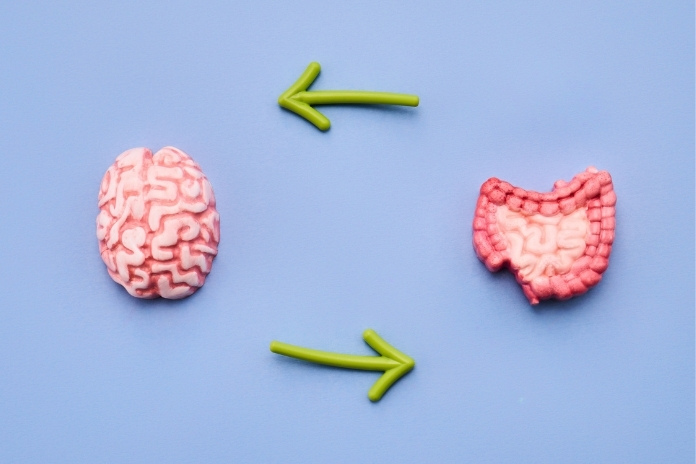
Curiosity about the gut-brain axis and the gut-brain connection has increased due to the widespread belief that “80% of signal travels from the gut to the brain.” Science demonstrates that gut-to-brain signals have a significant impact on how we think, feel, and operate, even though the precise quantity is often oversimplified.
In this article, we will explore what the gut-brain axis truly means, how gut-brain communication works, the role of the gut microbiome and mental health, and whether improving gut health and mood can really go hand in hand.
- The brain and gut communicate constantly via the vagus nerve and 100 trillion microbes, meaning your mental state directly impacts digestion (and vice versa).
- Your gut microbiome produces roughly 90% of the body’s mood-regulating serotonin, heavily influencing emotional well-being.
- You don’t need expensive cleanses or strict restrictions; a balanced diet, steady sleep, and stress management are the best tools for gut-brain health.
Read More: Gut Health for Night Shift Workers: How to Protect Digestion When Your Schedule Is Reversed
What Is the Gut-Brain Axis?
Researchers widely acknowledge that the gut affects the brain and, consequently, behavior. Terms like “gut feeling,” “gutsy,” and “butterflies in the stomach” have incorporated the idea into common speech.
Despite this, researchers have only now begun to understand the mechanics underlying the gut-brain axis. Neurogastroenterology is a new field of study that revolves around this communication link.
The brain keeps an eye on what’s going on in the digestive system through the gut-brain axis.
Our central nervous system consists of the brain and the spinal cord. The peripheral, or outlying, nervous system comprises the nerves that extend into the stomach and other parts of the body.
However, the gut (the tube that runs from the mouth to the anus) is only one part of the gut-brain axis. Every organ involved in digestion, including the pancreas, liver, and gallbladder, is impacted by the peripheral nervous system.
Do 80% of Gut-Brain Signals Really Travel From the Gut to the Brain?

The brain and digestive system communicate continuously through several routes that most people are unaware of. The vagus nerve, a large nerve that travels straight from the brainstem to the abdomen and transmits messages in both directions, is the most significant of these connections.
This nerve, which functions as a biological superhighway, can affect digestive functions such as stomach acid secretion and gut motility. The gut can communicate with the brain about everything from potential dangers to nutritional status, thanks to this relationship.
The enteric nervous system is sometimes referred to as the “second brain” because it has more nerve cells than the spinal cord, adding to this complexity.
In addition to regulating digestion, identifying harmful compounds, and even producing many of the same neurotransmitters found in the brain, such as dopamine and acetylcholine, this network of neurons buried throughout the digestive tract can operate independently of the central nervous system.
This biochemical overlap helps explain why, even in the absence of conscious awareness, gut activity can feel strongly linked to emotional and mental states.
Additionally, the immune system and other hormones circulating in the bloodstream allow the stomach and brain to communicate. Immune cells respond to inflammation or illness in the digestive tract by releasing chemical signals that can directly affect mood, cognition, and behavior.
It explains why stress may have such a profound effect on digestive function and why gastrointestinal issues frequently accompany mental health symptoms.
Read More: Prebiotics vs. Probiotics: How the “Fuel and Fleet” Strategy Supports Gut Health
How the Gut Communicates With the Brain
Your gut and the brain can communicate with each other in both directions because of the gut-brain connection.
This intricate network of nerve cells, chemicals, and microorganisms is what causes your body to produce stomach juices when you think about eating and why you might get stomach cramps when you’re under stress.
The enteric nervous system (ENS) in your gut and your central nervous system (CNS), which includes your brain, are connected by the gut-brain connection. The ENS, also known as the “second brain,” is crucial to both your mental and digestive well-being.
Your gut connects to your brain through both physical and chemical pathways, including:
- A big nerve that connects your brain to your colon is called thevagus nerve.
- Chemical messengers calledneurotransmitters help regulate emotional stability and digestion.
- The ecosystem of billions of bacteria and other microorganisms that reside in your gut and are crucial to your health is known as thegut microbiome.
The Gut Microbiome’s Role in Brain Health
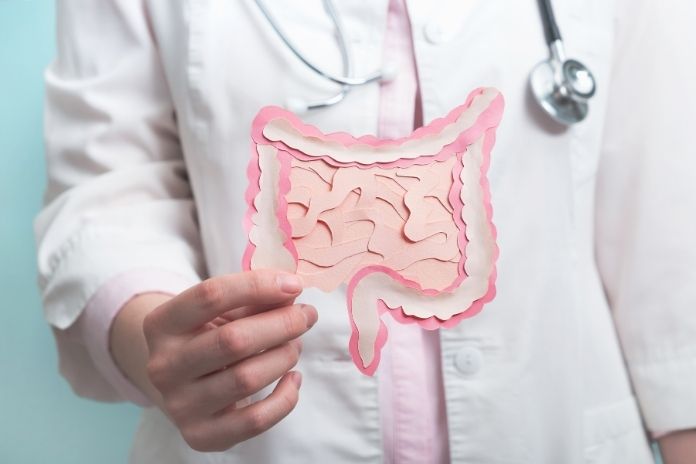
Some of the 100 trillion bacteria that live and work in your gut are Bacteroides, Bifidobacterium, Faecalibacterium, and Ruminococcus. Together, these microscopic organisms, collectively referred to as the microbiome, help our bodies digest food, metabolize nutrients, synthesize vitamins B and K, and produce immunological molecules that reduce inflammation and heal wounds.
Although the brain and the digestive tract appear far apart in your body, unique nerve cells and immunological pathways directly connect them through a round-the-clock biochemical communication channel. We refer to it as the gut-brain axis.
Ninety percent of our neurotransmitter serotonin, which controls our emotions, is produced by bacteria in the gut. For example, the brain can stimulate or inhibit digestion by sending signals to the gastrointestinal tract.
A diversified microbiome is indicative of health. A rich community of diverse species prevents any single species from dominating and causing problems in our gut and beyond. Changes in the microbiome’s makeup or function have been linked to blood malignancies, autism, and inflammatory bowel disease.
Researchers are now learning that a disturbed microbiome may exacerbate Alzheimer’s disease and other disorders that cause dementia in some situations.
How the Brain Influences the Gut
When you had butterflies in your stomach before an exam, public speech, or significant job presentation, it wasn’t a delusion; rather, it was an indication of the connection between your digestive system and your mind.
Because the brain can affect a range of gastrointestinal conditions, including functional bowel disorders, also known as disorders of the gut-brain axis, it is crucial to understand this relationship.
The intricate enteric nervous system, found in the stomach and connecting to the brain (the central nervous system) through the autonomic nervous system, is largely responsible for the close relationship between the brain and the gut.
The vagus nerve facilitates the bidirectional communication between the brain and the stomach. The brain and gut communicate via this nerve, which is part of the autonomic nervous system.
“There is a very intimate connection between the brain and gut,” says Jennifer Christie, MD, head of the Division of Gastroenterology and Hepatology at the University of Colorado Department of Medicine.
Read More: What Are “Butterflies in Your Stomach”? The Real Science Behind Gut Feelings
What Conditions Have Been Linked to the Gut-Brain Axis?
IBS, or irritable bowel syndrome, is closely associated with the problems with brain-gut communication.
Anxiety and Depression: Studies link the gut microbiome and mental health, but it’s crucial to recognize the limits of the available data.
Functional Gastrointestinal Disorders: These conditions often involve altered gut-brain communication and sensitivity.
Researchers are investigating connections between the gut-brain axis and:
- Neurodegenerative illnesses
- Cognitive deterioration
Can Improving Gut Health Improve Mental Well-Being?

To improve both digestive and mental health, these tactics concentrate on boosting good gut flora, lowering inflammation, and controlling stress:
Consume Fermented Foods: Live beneficial bacteria found in foods such as yogurt, kefir, sauerkraut, kimchi, and kombucha can help diversify the gut microbiota. Frequent consumption of these foods has been linked to improvements in mood and digestive issues.
Incorporate Prebiotic Foods: Prebiotics are dietary fibers that nourish beneficial gut bacteria. Garlic, onions, asparagus, bananas, and whole grains are foods high in prebiotics. These promote the growth of existing beneficial bacteria and increase their production of chemicals that support brain health.
Effectively Manage Stress: Prolonged stress can affect the gut-brain connection and disturb the gut flora. Frequent stress reduction with deep breathing exercises, yoga, meditation, or other relaxation methods promotes mental health and intestinal health.
Make Sleep and Exercise a Priority: Both regular exercise and enough sleep promote healthy gut flora and lower inflammation throughout the body. Additionally, exercise encourages the synthesis of healthy short-chain fatty acids that support brain function.
Limit Processed Foods: Highly processed foods can increase pathogenic microorganisms while decreasing beneficial ones. A diet high in fruits, vegetables, and whole foods provides the nutrients and fiber needed for optimum gut-brain communication.
Common Myths About the Gut-Brain Connection
There are still many misconceptions about gut health despite growing awareness. These misconceptions may lead to harmful behaviors or unnecessary food restrictions. Scientific knowledge has dispelled the following common myths:
Bowel Movements Every Day Are Not Necessary: Bowel movements vary in frequency. Some people might only go a few times a week, while others might go three times a day.
When there is no discomfort, people consider both patterns normal.
Gluten Is Not Dangerous for Everyone: Eliminating gluten is not necessary unless a person has been diagnosed with celiac disease or gluten sensitivity. Nutritional deficits could arise from doing so needlessly.
Probiotics Are Not Always Needed: While they may be helpful for certain digestive disorders or following antibiotic therapy, probiotics are not always necessary. They might even upset the normal bacterial balance in certain situations.
Juice Cleanses Do Not Detoxify the Gut: The notion that juice cleanses the digestive system is unsupported by scientific research. The liver and kidneys are the body’s own detoxifying mechanisms. Juice cleanses can be dangerous if used in excess.
Fiber Consumption Should Be Customized: Fiber is essential for digestive health, but too much may cause discomfort, particularly in people with conditions such as Irritable Bowel Syndrome (IBS). Experts advise a customized strategy.
Read More: Your Gut Is a Second Brain: What That Actually Means for Your Health
Signs Your Gut-Brain Axis May Be Affecting Daily Life

Here are some indications that the gut-brain axis is influencing our day-to-day activities:
Gas and Bloating: Gas is a typical element of digestion. However, regular bloating, gassiness, or feeling extremely full after eating could indicate that your digestive system isn’t breaking down food well. During fermentation, some bacteria create more gas (how generous), and if such populations develop disproportionately, things can quickly become uncomfortable.
Unusual Bowel Habits: Frequent bowel movements? Not frequently enough? Swinging between the two? These alterations can indicate changes in the diversity or activity of microorganisms. More than just a daily inconvenience, the consistency of your feces can reveal how well your gut microbiota controls inflammation and digestion.
Heartburn and Indigestion: Frequent reflux after a spicy meal is one thing, but if it occurs frequently, there may be an imbalance in how your bacteria interact with acid production. It involves more than just stomach acid; it also includes microbial triggers, your gut’s response to stress, and how your food is processed.
What Doctors and Researchers Want People to Understand
The gut-brain axis is constantly in motion. It influences well-being but does not determine it exclusively. You should avoid exaggerated claims about gut-brain communication.
The most successful tactics are always the fundamentals, such as the following:
- A well-balanced diet
- Work out
- Get some rest
- Medical attention
Read More: Is Your “Healthy” Nut Butter Actually Healthy? The Truth About Gut-Friendly Fats
Conclusion
The gut-brain axis underscores a significant and ongoing relationship between the digestive system and the brain, influencing both physical and mental health. Although assertions such as “80% of signals travel from the gut to the brain” oversimplify a complicated system, they underscore a vital fact: the gut is involved in communication, not merely in digestion.
This link affects mood, stress, and general health via neural pathways, chemical messengers, and the microbiome.
Nonetheless, the relationship involves mutual exchange. The brain also influences gut function, resulting in a genuinely dynamic, bidirectional system. Maintaining gut health through a balanced diet, regular exercise, high-quality sleep, and stress management may benefit both digestion and mental health.
References
- Cynthia DeMarco. (May 06, 2026). Understanding the gut-brain axis: 7 things to know.
- Purina Institute. The gut-brain axis.
- Physiopedia. (n.d.). Gut brain axis (GBA).
- Biocodex Microbiota Institute. How our gut constantly talks to our brain.
- Christina Sexton. (April 13, 2026). What is the gut-brain connection and why does it matter?
- Olivia Cassano. (14th January 2026). What is your gut-brain connection and what role does nutrition play?
- Tayler Shaw. (October 14, 2024). How the Brain May Influence Gut Health and Function.
- Johns Hopkins Medicine. The brain-gut connection.
- Health Digest. (19 November, 2025). Gut Health: Dispelling Myths and Understanding the Facts.
- Gianina Deines. (September 24, 2025). Beyond the Bathroom: Decoding the Signs of an Unhealthy Gut.
In this Article