
















Menstruation is a normal body process. Still, many people grow up without fully understanding the importance of menstrual hygiene. Some are never taught how often to change a sanitary pad. Some don’t want to spend too much on sanitary napkins, so they use the same pad the whole day. Some schools still do not adequately explain the importance of menstruation or provide guidance on how to manage menstrual hygiene during this time. And many girls feel shame while asking questions.
As a result, the consequences of poor menstrual hygiene are widespread. Not because people are careless, but because information, menstrual products, privacy, and clean toilets are not equally available to everyone.
During periods, the body becomes a little more sensitive to infection. Menstrual blood changes vaginal pH and also keeps the area warm and moist for a long time. If the pad, tampon, or cloth is not changed properly, bacteria can grow more quickly there. This is why effects of poor menstrual hygiene can include UTIs from menstrual hygiene, bacterial vaginosis, period problems, skin rashes, irritation, and sometimes reproductive tract infections and menstruation-related complications too.
Most problems are preventable. But first, people need proper education without shame.
- Poor menstrual hygiene can increase the risk of urinary tract infections, bacterial vaginosis, skin rashes, irritation, and, in rare cases, toxic shock syndrome.
- During periods, vaginal pH changes and bacteria grow more easily in warm, moist conditions.
- Most menstrual hygiene health risks are preventable.
Why Menstruation Creates a Higher Infection Risk
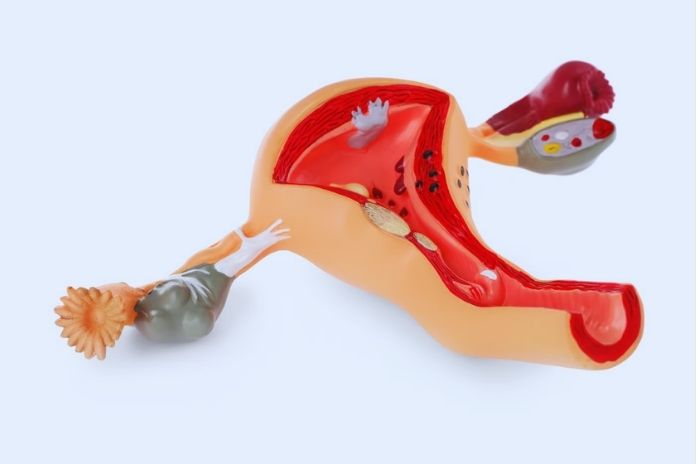
Many people think periods themselves are unhygienic. Actually, periods are not dirty. But menstruation causes certain bodily changes that can make bacteria grow more easily if hygiene is not maintained properly.
During menstruation, the cervix opens slightly so blood can come out from the uterus. This opening is very small but still important. Normally, the body has barriers that prevent bacteria from traveling upward into the reproductive organs. During periods, this protection is slightly reduced for a few days.
The menstrual blood itself is rich in nutrients. When a pad or cloth stays wet for long hours, bacteria get a good environment for multiplication. Warmth, moisture, and blood all together make bacterial growth easier.
Vaginal pH and menstruation changes also matter here. Normally, the vagina stays acidic, with a pH of around 3.8 to 4.5. An acidic environment helps naturally control harmful bacteria. But menstrual blood has a near-neutral pH, around 7.4. So during periods, the vaginal environment becomes temporarily less acidic. Harmful bacteria find it easier to thrive during this time.
This does not mean everyone will get an infection during periods. However, hygiene becomes more important during menstruation because the body undergoes some temporary changes.
The Health Consequences: What the Research Documents
1. Urinary Tract Infections
During menstruation, poor hygiene maintenance can cause serious illness, including urinary tract infections. This happens more commonly than many realize.
When the same pad or cloth is used for many hours, menstrual blood and sweat remain in contact with the skin and urethral area. Bacteria multiply there very fast. The female urethra is short, so bacteria do not need to travel far before entering the urinary tract.
This is why UTIs related to menstrual hygiene become common, especially when sanitary pads are changed very late. Some people avoid changing in school, at the office, or while traveling because the toilets are unclean or the products are expensive. But prolonged wetness continuously increases bacterial growth.
Burning during urination, pressure in the lower abdomen, frequent urges to urinate, or cloudy urine after periods should not be ignored.
Changing menstrual hygiene products every 4 to 6 hours significantly lowers this risk.
2. Bacterial Vaginosis
Bacterial vaginosis cases increase because menstrual blood temporarily disrupts the vaginal bacterial balance.
Vagina naturally contains good bacteria called lactobacilli. They maintain an acidic environment and stop the overgrowth of harmful organisms. But when vaginal pH changes during menstruation, harmful anaerobic bacteria sometimes increase too much.
Then the symptoms start. Fishy smell. Grey discharge. Discomfort. Sometimes itching.
One mistake many people make is overcleaning. They think stronger washing means better hygiene. Actually, internal washing or douching disturbs the vaginal microbiome even more. The vagina is a self-cleaning organ. Internal soaps, antiseptics, or scented washes usually make bacterial imbalance worse, not better.
Regular changing of products matters much more than excessive washing.
3. Reproductive Tract Infections
Reproductive tract infection and menstrual problems are more serious because infection can travel upward into the uterus or fallopian tubes.
This usually happens when smaller infections remain untreated repeatedly over a long time. Poor menstrual hygiene alone may not immediately cause a severe infection during a single cycle. But repeated exposure to unhygienic conditions gradually increases the risk.
In many low-resource areas, girls use old, damp cloths, newspaper, foam pieces, or other materials because proper menstrual hygiene products are not affordable. This is not neglect. This is a lack of access.
When infections remain untreated for a long time, complications may affect pelvic health and fertility, too. Healthcare access also becomes an issue because many feel embarrassed discussing menstrual symptoms openly.
4. Skin Rashes and Irritation
When a wet pad rubs against the skin for long hours, the outer skin becomes soft and damaged. Then redness, itching, burning, and painful rashes start. Heavy sweating during periods makes it worse. Fragranced pads can also irritate the skin due to perfumes and other chemicals. Some people think scented products are cleaner. But sensitive skin reacts badly sometimes.
Changing products regularly and keeping the area as dry as possible helps more than using strong washes or powders.
5. Toxic Shock Syndrome
The toxic shock syndrome tampon problem is rare but serious. TSS happens when certain bacteria release toxins into the bloodstream. Risk is highest when high-absorbency tampons are left inserted for too long, especially for more than 8 hours.
Symptoms can develop suddenly. High fever, vomiting, rash, dizziness, and confusion. It needs emergency treatment. But an important thing: TSS is rare. Very rare, actually. Prevention is also simple. Change tampons every 4 to 8 hours and use the lowest absorbency needed for your flow.
What Adequate Menstrual Hygiene Actually Involves
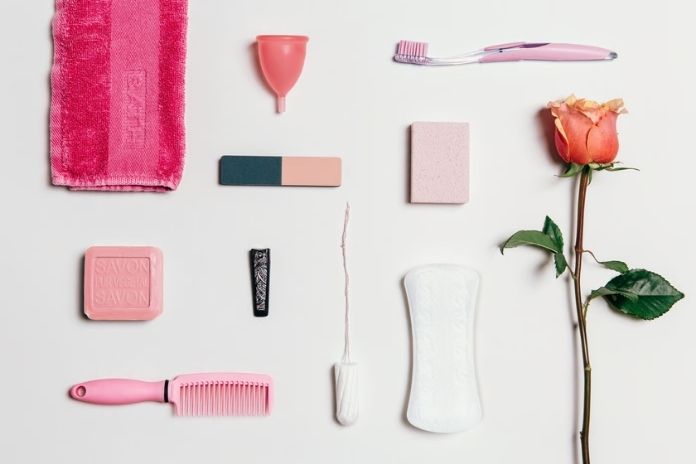
Many people are told to “keep clean during periods,” but nobody explains what that practically means.
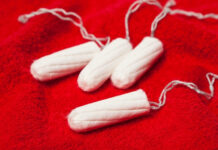
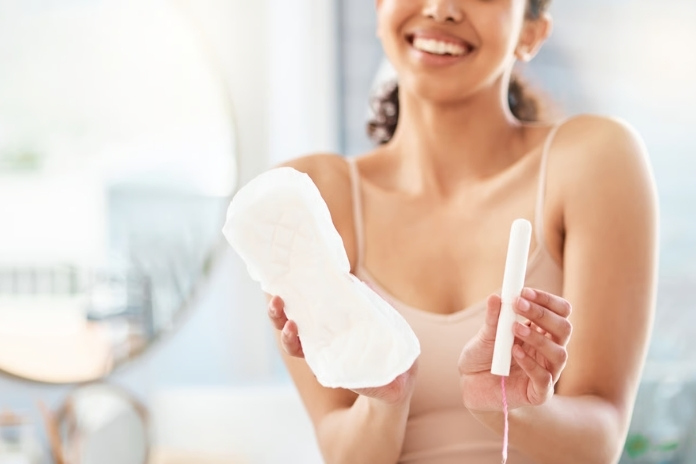
Pads and tampons should be changed every four to six hours, even if the flow looks less. Tampons should never cross eight hours. Menstrual cup hygiene means emptying the cup every 8 to 12 hours and washing it properly before reinserting it. “Sometimes it is seen that cups are difficult to push inside for a girl whose hymen is not ruptured. So they can use napkins instead and keep extra ones in their purse or bags,” Dr. Sushma Tomar, infertility specialist, advised. Reusable period underwear should not stay soaked the whole day.
The external vulva area can be washed once or twice daily using clean water and mild soap. Internal washing should be avoided. Vagina already cleans itself naturally.
Hand hygiene matters too. Many infections spread simply because hands are not washed before changing products. This small habit is often ignored in menstrual education. Reusable products should be washed properly and dried completely before reuse. A damp cloth or underwear can support bacterial growth very fast.
Read More: Period Acne: Why It Happens and How to Manage Hormonal Breakouts
The Broader Context: Why Menstrual Hygiene Is a Public Health Issue

Menstrual hygiene problems are not only a personal habit issue. Bigger systems are involved, too.
Worldwide, only around 2 out of 5 schools provide menstrual health education. Many girls get their first period without understanding what is happening in their bodies. Some don’t know how often to change a sanitary pad. Some believe wrong myths for years.
The lack of toilets, clean water, disposal bins, and affordable products directly affects hygiene. The United Nations Water organization’s 2025 Menstrual Hygiene Day campaign also highlighted menstrual-related school absenteeism globally. Many students miss school simply because they cannot manage periods safely there. “Menstruating with dignity is a basic human right,” stresses Dr. Ellen Rome, MD, MPH.
This is why menstrual hygiene should be discussed as a public health issue. If someone has no private toilet, no clean water, and no money for products, hygiene becomes difficult, no matter how responsible they are.
Better education and access solve many problems before infections even start.
Read More: 8 Everyday Toxins That Can Disrupt Your Menstrual Cycle (And How to Avoid Them)
When to See a Doctor

Some problems during periods are normal, but a few signs should not be ignored. If vaginal discharge is looking yellow, green, or grey in color and smells very bad, then it’s better to go to a doctor. It can be an infection, maybe.
An itching, burning feeling, or soreness even after periods are finished is also not a good sign. Many girls ignore these signs because they might be feeling shy, but later problems become more.
If pain while passing urine is still coming after periods, maybe a urinary infection is also present. Pelvic pain that does not feel like normal cramps should also be checked properly.
During tampon use, if a fever comes suddenly, you have vomiting, a rash on the body, or dizziness, or if you feel weakness, then immediate medical help is needed. It can be toxic shock syndrome, a very serious condition.
Most period hygiene infections can be treated easily when found early. So don’t delay too much or feel embarrassed about a doctor visit.
Read More: How Graves’ Disease Affects Women Differently: From Menstrual Changes to Bone Health
Conclusion
The health consequences of poor menstrual hygiene are really there in today’s era, but are mostly preventable. Simple habits like changing products every four to six hours, washing the external area with clean water, maintaining hand hygiene, and properly cleaning reusable products mostly reduce infection risk. More importantly, menstrual hygiene should not be discussed with shame. Most problems arise from a lack of access to information and proper sanitation, both of which society can improve.
- Poor menstrual hygiene can increase the risk of UTIs, bacterial vaginosis, reproductive tract infections, and skin irritation.
- Menstruation temporarily changes vaginal pH, making bacterial growth easier if products stay wet for too long.
- All menstrual hygiene products can be safe when changed, washed, and used correctly.
- Many menstrual hygiene problems happen because of poor access, lack of education, and inadequate sanitation facilities, not because people intentionally neglect hygiene.
FAQs
1. How often should you change your pad or tampon?
Pads and tampons should be changed every 4 to 6 hours to maintain menstrual hygiene and reduce the risk of infection. Tampons should never be worn for more than eight hours due to the risk of toxic shock syndrome. Heavier flow often requires more frequent changes.
2. Can poor menstrual hygiene cause a UTI?
Yes, poor menstrual hygiene can increase the risk of urinary tract infections during periods. Bacteria from menstrual blood may spread to the urethra when products remain unchanged for too long. Regularly changing, front-to-back wiping, and proper hand hygiene significantly reduce the risk of infection.
3. Is it safe to use cloth during periods?
Yes, using cloth during periods is safe when proper menstrual hygiene practices are followed consistently. Clean cloth should be changed regularly, washed thoroughly with soap, and dried completely in sunlight. Damp or unclean cloth increases the risk of irritation and infection.
References
- Amerongen, C. C. A., Ofenloch, R. F., Cazzaniga, S., Elsner, P., Gonçalo, M., Naldi, L., Svensson, Å., Bruze, M., & Schuttelaar, M. L. A. (2021). Skin Exposure to Scented Products Used in Daily Life and Fragrance Contact Allergy in the European General Population ‐ The EDEN Fragrance Study. Contact Dermatitis, 84(6).
- Atchade, E., Tymowski, C. D., Grall, N., Tanaka, S., & Montravers, P. (2024). Toxic Shock Syndrome: A Literature Review. Antibiotics, 13(1), 96–96.
- Feng, Y., & He, Y. (2025). The secrets of menstrual blood: emerging frontiers from diagnostic tools to stem cell therapies. Frontiers in Cell and Developmental Biology, 13.
- Liu, P., Lu, Y., Li, R., & Chen, X. (2023). Use of probiotic lactobacilli in the treatment of vaginal infections: In vitro and in vivo investigations. Frontiers in Cellular and Infection Microbiology, 13.
- Omli, R., Skotnes, L. H., Romild, U., Bakke, A., Mykletun, A., & Kuhry, E. (2010). Pad per day usage, urinary incontinence and urinary tract infections in nursing home residents. Age and Ageing, 39(5), 549–554.
In this Article