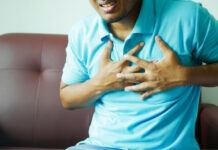




















Most people chalk up persistent tiredness to a busy schedule, poor sleep, or stress. Often, that is exactly what it is. But when exhaustion settles in and refuses to leave, when rest no longer restores you, and when even small tasks feel unusually draining, something else may be going on.
Clinicians use the term “unexplained fatigue” to describe tiredness that persists beyond what a person’s activity level or sleep habits would justify, and that has no obvious cause after an initial review.
The connection between unexplained fatigue and heart disease is well recognized in cardiology, yet it is still frequently overlooked, especially in women.
The heart plays a direct role in energy levels because it delivers oxygen-rich blood throughout the body. When it is not working efficiently, fatigue, shortness of breath, dizziness, and reduced stamina can follow. The problem is that these symptoms are easy to dismiss as stress, burnout, aging, or poor fitness.
This article explains how heart health and fatigue are connected, which cardiovascular conditions commonly cause low energy, the warning signs that deserve attention, and what doctors look for when evaluating fatigue linked to possible heart disease.
- Fatigue can stem from reduced cardiac output and impaired oxygen delivery, both hallmarks of conditions like heart failure and coronary artery disease.
- Women are more likely than men to experience fatigue as an early sign of heart disease, often weeks before a cardiac event occurs.
- Accompanying symptoms such as shortness of breath, swelling, chest pressure, or dizziness raise the likelihood that fatigue is heart-related.
- Persistent, worsening, or unexplained tiredness deserves medical evaluation, particularly alongside known cardiovascular risk factors.
How Is Fatigue Linked to Heart Disease?
The heart’s job is simple in description and complex in execution: pump oxygen-rich blood to every organ, muscle, and tissue in the body. When that pump weakens or its supply lines narrow, less oxygen reaches the cells that need it. Energy production drops at the cellular level, and the result is a fatigue that no amount of caffeine quite fixes.
Reduced cardiac output is the central mechanism. When the heart cannot push enough volume per beat, or when arteries cannot carry blood efficiently, the body downshifts. Muscles tire faster. The brain feels foggy. Climbing stairs that used to be easy becomes a project.
The distinction between general tiredness and cardiovascular-related fatigue matters. General tiredness usually responds to sleep, food, hydration, and a lighter schedule.
Heart-related fatigue does not. It persists across days and weeks, gets worse with mild activity, and often comes with other clues. Patients commonly describe it as feeling drained at a level that does not match what they did that day.
Types of Heart Conditions That Can Cause Fatigue
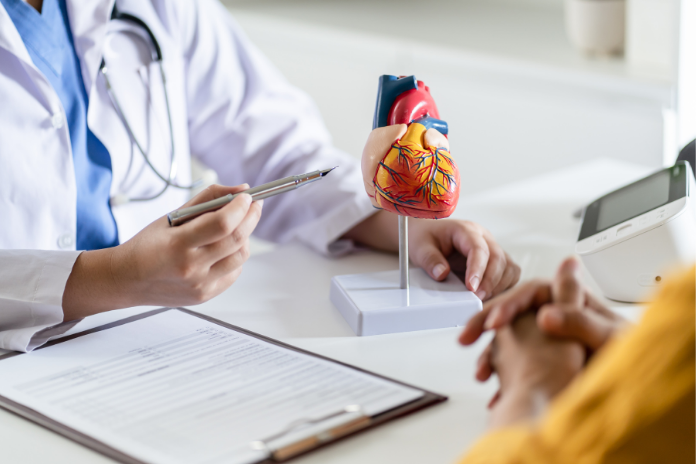
Several cardiac conditions cause fatigue, each through a slightly different mechanism. Understanding these categories helps explain why fatigue as a symptom of heart problems takes so many forms.
Heart Failure
Heart failure does not mean the heart has stopped. It means the heart cannot pump as effectively as the body needs. Blood backs up, fluid collects, and oxygen delivery falls.
Sirish Vullaganti, M.D., a cardiologist and director of heart failure at Lenox Hill Hospital in New York City, told HealthCentral that “blood flow may be affected as part of your heart condition,” explaining that since oxygen and nutrients are carried through the blood, the reduction in those could lead to feeling less energetic overall.
Fatigue is among the earliest and most persistent symptoms that patients with heart failure report.
A 2024 study in SAGE Open Nursing examining symptom burden in heart failure patients found that tiredness was the single most distressing symptom reported, with patients describing it as the worst part of living with the condition.
Fatigue after a heart attack or cardiac procedure is also common and often underestimated. During recovery, the heart is healing, and reduced pumping efficiency can make even routine activity feel exhausting.
If you have recently had a cardiac event and are experiencing unusual tiredness, let your care team know; it is a meaningful clinical signal, not just a normal part of getting older.
Coronary Artery Disease (CAD)
CAD develops when plaque builds up inside the arteries that supply the heart muscle. The narrowing reduces blood flow, especially during exertion. Early symptoms can be subtle: tiredness after light activity, mild chest pressure that comes and goes, or a sense that usual workouts now require more effort than they should.
Many patients adapt without realizing what is happening, simply slowing down to avoid the discomfort.
Arrhythmias (Irregular Heart Rhythms)
When the heart beats too fast, too slow, or irregularly, it loses efficiency. Each beat delivers less blood than it should.
Atrial fibrillation, or AFib, is the most common sustained arrhythmia in the United States, affecting an estimated 3 to 6 million Americans. In AFib, the upper chambers of the heart quiver chaotically instead of contracting in an organized rhythm, reducing how much blood the heart pumps with each beat.
This can produce a chronic low-energy state that patients often describe as feeling persistently drained. Palpitations may accompany the fatigue, but sometimes the only noticeable symptom is the tiredness itself, which is why arrhythmias are easy to miss in their early stages.
Valvular Heart Disease
The heart’s valves direct blood flow in one direction. When valves leak or fail to open fully, the heart compensates by working harder. Over time, that extra workload outpaces the heart’s reserves, and stamina drops. Aortic stenosis, mitral regurgitation, and similar valve conditions all produce fatigue that worsens gradually, often over years rather than days.
Read More: 8 Heart Warning Signs During Exercise You Should Never Ignore, According to Cardiologists
Key Symptoms That May Accompany Heart-Related Fatigue
Fatigue alone is nonspecific. Fatigue paired with other cardiovascular symptoms is a different conversation. Watch for any of the following alongside persistent tiredness.
Symptoms and Warning Signs
Symptoms That May Accompany Heart-Related Fatigue
| Symptom | What It May Signal |
|---|---|
| Shortness of breath during mild activity or while lying flat | Heart failure or reduced cardiac function |
| Swelling in the legs, ankles, or feet | Fluid retention linked to heart failure |
| Chest discomfort, pressure, or tightness | Coronary artery disease or angina |
| Dizziness or lightheadedness | Arrhythmia or reduced blood flow to the brain |
| Reduced exercise tolerance | Poor cardiovascular function or underlying heart disease |
| Cold sweats unrelated to temperature | Possible heart attack warning sign |
| Rapid or irregular heartbeat | Arrhythmia or abnormal heart rhythm |
Shortness of breath that wakes you from sleep or forces you to prop up on extra pillows is particularly concerning. The same applies to chest pressure that lasts more than a few minutes or comes with nausea, sweating, or arm pain. These are not symptoms to wait on; they warrant urgent evaluation.
Read More: Swollen Legs and Ankles: When It’s a Heart Failure Warning Sign and When It Isn’t
Why Fatigue May Be an Early Warning Sign, Especially in Women
The classic image of a heart attack, gripping chest pain, sweating, and a person clutching their chest, has shaped how generations of patients and clinicians think about cardiovascular emergencies. That image is rooted in how heart disease tends to present in men. In women, the picture is often different.
Dr. Nieca Goldberg, a board-certified cardiologist and Clinical Associate Professor of Medicine at NYU Grossman School of Medicine, has spent her career documenting these differences. In an interview with GetInsured, she described the pattern: “Extreme fatigue is another symptom women report, as if, all of a sudden, you can’t even walk up a flight of stairs, and it’s not because you stayed up all night.”
She added that when a doctor takes a careful history after a woman’s heart attack, the fatigue often turns out to have crept up gradually over weeks.
The research supports her observation. A landmark study published in Circulation by McSweeney and colleagues surveyed 515 women who had experienced a heart attack and found that 95% reported prodromal symptoms in the weeks before the event.
The most common warning sign was unusual fatigue, reported by 70% of women, followed by sleep disturbance at 48% and shortness of breath at 42%. Only 30% reported any chest discomfort before the attack.
Dr. Leslie Cho, Director of Cleveland Clinic’s Women’s Cardiovascular Center, made the same point in a Cleveland Clinic podcast: “Other women have unusual fatigue. They get very, very tired, excessively tired, like they were able to walk a couple of blocks last year, but this year they can barely walk a block without getting extremely fatigued.”
That comparison to the previous year is a useful frame. The change in exercise tolerance matters more than the absolute level of fatigue on any given day.
Younger women are not exempt. A growing share of heart disease diagnoses now involves women in their 30s and 40s, often with risk factors like diabetes, autoimmune disease, or complications of pregnancy. Fatigue in these patients is even more likely to be dismissed, which makes recognizing the pattern more important.
Women approaching or going through perimenopause face an additional layer of complexity. Fatigue, brain fog, and disrupted sleep are hallmark symptoms of the menopausal transition, and they can mask early cardiovascular warning signs.
Research shows that cardiovascular risk accelerates after menopause due to shifts in cholesterol, blood pressure, and insulin sensitivity. If you are in your 40s or 50s and are experiencing new or worsening fatigue, it is worth discussing both hormonal and cardiac possibilities with your doctor rather than assuming one rules out the other.
Risk Factors That Increase the Likelihood of Heart-Related Fatigue
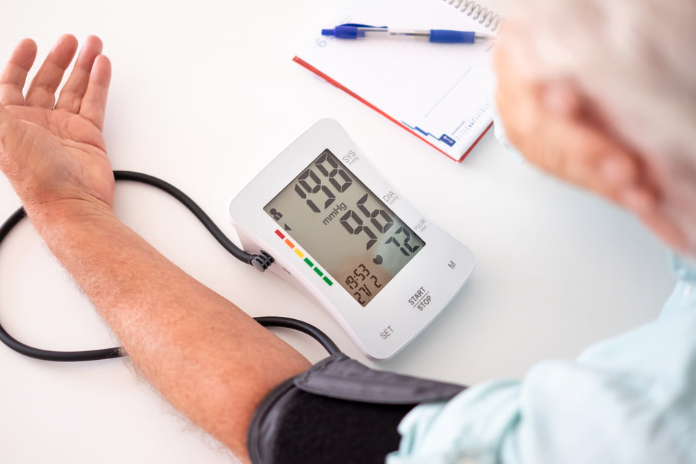
Not everyone with fatigue has heart disease, but some people are statistically more likely to than others. Certain cardiovascular risk factors increase strain on the heart and blood vessels over time, making persistent low energy more concerning when it appears alongside them.
High blood pressure is one of the biggest contributors because it damages arteries and forces the heart to work harder for years, often without obvious symptoms.
Diabetes can accelerate plaque buildup in the arteries and is closely linked to silent or underrecognized heart disease.
High LDL cholesterol also contributes to atherosclerosis, narrowing the coronary arteries and reducing healthy blood flow.
Smoking and tobacco use damage blood vessels, reduce oxygen delivery, and increase inflammation throughout the cardiovascular system.
A sedentary lifestyle can gradually weaken cardiovascular fitness and lower stamina, while obesity and metabolic syndrome often combine multiple risks, such as high blood pressure, insulin resistance, and abnormal cholesterol levels at the same time.
A family history of premature heart disease may further raise the likelihood of developing cardiac conditions earlier in life.
For women specifically, some risk factors are frequently overlooked. Pregnancy complications such as preeclampsia or gestational diabetes are now recognized as long-term cardiovascular warning signs.
Early menopause may also increase heart disease risk due to changes in hormone levels, while autoimmune conditions like lupus and rheumatoid arthritis are associated with higher levels of chronic inflammation that can affect the heart and blood vessels over time.
Read More: Can You Walk Your Way to a Healthier Heart? Why Cardiovascular “Strain” Isn’t Always the Goal
When Is Fatigue Likely Not Heart-Related?
Most fatigue has nothing to do with the heart. Sleep deprivation, anemia, thyroid disorders, depression, and sleep apnea are far more common causes.
The key distinction is pattern: cardiac fatigue tends to worsen with physical exertion, does not improve with rest, and comes alongside physical signs like breathlessness or swelling. Fatigue that tracks with mood, workload, or sleep schedule is less likely to be cardiac, but you cannot rule heart disease out at home.
When to Seek Medical Attention
Fatigue that lasts more than two weeks, keeps worsening, or is paired with shortness of breath, chest pain, dizziness, palpitations, or swelling warrants a medical evaluation, especially alongside known risk factors like high blood pressure, diabetes, or a family history of heart disease.
When you go, note how long the fatigue has lasted, whether it worsens with activity, and how your stamina compares to a year ago. That detail helps a clinician decide whether a cardiac workup is needed. For sudden chest pressure, severe shortness of breath, or fainting, do not wait. Call 911 immediately.
How Doctors Evaluate Fatigue for Possible Heart Disease
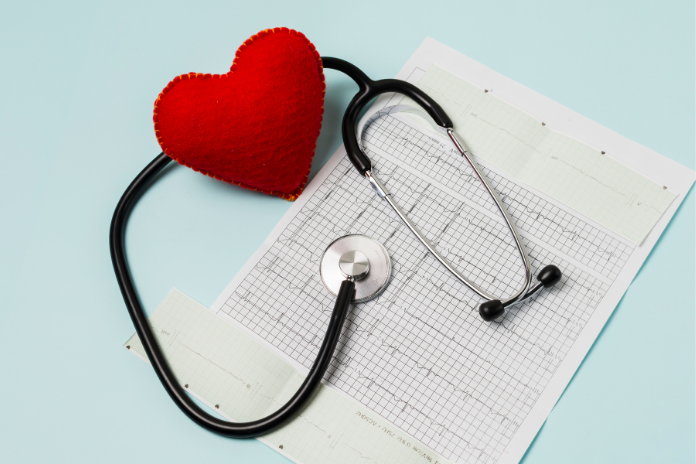
A workup for suspected cardiac fatigue is straightforward and typically progresses from least to most invasive.
Medical History and Symptom Review
The clinician will ask about the duration of fatigue, what makes it better or worse, what activities trigger it, what other symptoms accompany it, and what your cardiovascular and family history look like. They will also ask about medications, sleep, diet, and stress.
A careful history alone often points strongly toward or away from a cardiac cause. Be specific about timing and triggers, since vague descriptions can lead to vague conclusions.
Physical Examination and Basic Tests
Blood pressure, heart rate, oxygen saturation, and a focused exam of the heart, lungs, and lower extremities come next. The doctor listens for abnormal heart sounds, looks for swelling, and checks for signs of fluid retention.
A blood panel often includes a complete blood count, thyroid function, electrolytes, and sometimes a brain natriuretic peptide (BNP) level, which can suggest heart failure when elevated. Ruling out anemia and thyroid disease early prevents misattributing cardiac symptoms to something else.
Diagnostic Tests
An electrocardiogram (ECG) records the heart’s electrical activity in about 10 seconds and can detect arrhythmias, signs of a prior heart attack, or electrical abnormalities. An echocardiogram uses ultrasound to show how well the heart is pumping and whether the valves are working normally.
A stress test, done on a treadmill or with medication that simulates exercise, evaluates how the heart responds under load. These tests are noninvasive and widely available.] More advanced testing, including cardiac CT, MRI, or coronary angiography, may follow if initial results are unclear.
A 2021 study in Frontiers in Physiology examining 142 patients with coronary artery disease after acute coronary syndrome found that fatigue was associated with a diminished cardiovascular response to anticipatory stress, suggesting that fatigue in CAD patients reflects measurable changes in how the cardiovascular system responds to demand.
Findings like this are part of why fatigue is now treated as a meaningful clinical signal rather than a vague complaint.
Practical Steps to Support Heart Health and Energy Levels
The habits that protect cardiovascular health also support steady energy:
- A diet rich in vegetables, whole grains, fish, and healthy fats
- At least 150 minutes of moderate aerobic activity per week
- Consistent sleep
- Avoiding tobacco and excess alcohol
A 2024 meta-analysis in the International Journal of Behavioral Nutrition and Physical Activity, reviewing 103 cohort studies, found higher leisure-time physical activity was associated with lower risk of cardiovascular disease, coronary heart disease, and stroke.
If you live with high blood pressure, diabetes, or high cholesterol, managing those conditions consistently is the single most direct lever for reducing both cardiac risk and fatigue. Tracking when tiredness worsens, what triggers it, and what other symptoms appear alongside it will also help you and your clinician identify patterns over time.
Read More: Swimming May Be the Best Exercise for Your Heart, According to Research
Conclusion
The link between unexplained fatigue and heart disease is well documented, biologically straightforward, and clinically important. The heart’s primary job is to deliver oxygen, and when that delivery falters, energy is one of the first things to go.
Heart failure, coronary artery disease, arrhythmias, and valvular conditions can all present with tiredness as a leading symptom, sometimes long before more recognizable signs appear.
Women in particular should treat unusual fatigue, especially when paired with reduced exercise tolerance or shortness of breath, as worth a conversation with a clinician. The research on prodromal heart attack symptoms makes the case clearly: fatigue often shows up weeks before the event, in a pattern that careful history-taking can catch.
This is true for younger women as well, and for those navigating midlife hormonal changes that can obscure early signs of cardiovascular disease.
None of this means every tired day points to a cardiac problem. Most do not. But persistent, worsening, or unexplained fatigue, especially in someone with risk factors or accompanying symptoms, deserves an evaluation rather than another cup of coffee.
Early recognition of the patterns described here is one of the simplest, most accessible tools available for protecting heart health, and it costs nothing but attention.
References
- American Heart Association. (n.d.). Warning signs of a heart attack.
- Al-Sutari, M. M., & Abdalrahim, M. S. (2024). Symptom burden and quality of life among patients with heart failure. SAGE Open Nursing, 10, 23779608241242023.
- Cleveland Clinic. (n.d.). Women and heart disease.
- Gecaite-Stonciene, J., Hughes, B. M., Burkauskas, J., Bunevicius, A., Kazukauskiene, N., van Houtum, L., Brozaitiene, J., Neverauskas, J., & Mickuviene, N. (2021). Fatigue is associated with diminished cardiovascular response to anticipatory stress in patients with coronary artery disease. Frontiers in Physiology, 12, 692098.
- Goldberg, N. (n.d.). Heart attack symptoms and prevention: an interview with cardiologist Nieca Goldberg. GetInsured.
- Kazemi, A., Soltani, S., Aune, D., Hosseini, E., Mokhtari, Z., Hassanzadeh, Z., Jayedi, A., Pitanga, F., & Akhlaghi, M. (2024). Leisure-time and occupational physical activity and risk of cardiovascular disease incidence: A systematic review and dose-response meta-analysis. International Journal of Behavioral Nutrition and Physical Activity, 21(1), 45.
- McSweeney, J. C., Cody, M., O’Sullivan, P., Elberson, K., Moser, D. K., & Garvin, B. J. (2003). Women’s early warning symptoms of acute myocardial infarction. Circulation, 108(21), 2619–2623.
- Mulugeta, H., Sinclair, P. M., & Wilson, A. (2023). Prevalence of depression and its association with health-related quality of life in people with heart failure. PLOS ONE, 18(3), e0283146.
- Pavlovic, N., Rathman, L., Anguah, K. O., Piamjariyakul, U., & Smith, C. E. (2022). Fatigue in persons with heart failure: A systematic literature review and meta-synthesis using the biopsychosocial model of health. Journal of Cardiac Failure, 28(2), 283–315.
- Shufelt, C., et al. (2024). Menopause transition and cardiovascular disease risk. Maturitas, 185, 107974.
- Vullaganti, S. (n.d.). Fatigue and heart disease: What’s the connection? HealthCentral.
In this Article