




















- Hormonal Shifts Affect Sleep: Pregnancy and menopause disrupt normal sleep cycles.
- Sleep Problems Differ: Pregnancy brings insomnia, and menopause causes night sweats and temperature changes.
- Helpful Habits: Regular sleep, a cool room, and relaxation improve sleep quality.
A lot of people think stress or a shift in routines is the main reason people struggle with sleep during big life moments. But honestly, there’s more to it than that. Hormones play a huge role, especially when it comes to menopause and pregnancy.
Those major hormonal swings mess with how the brain manages sleep, and it happens fast. Menopause sleep problems, pregnancy insomnia, and other kinds of hormonal sleep changes might interfere with sleep for weeks or even months and are very common.
This article examines the relationship between hormones and sleep disruption in depth. We will discuss how the brain regulates sleep through hormones and examine how estrogen fluctuations and progesterone effects shape sleep patterns.
Read More: 8 Perimenopause Health Mistakes Many Women Don’t Realize They’re Making
How Hormones Regulate Sleep in the Brain
The Hormone–Sleep Connection
The brain’s pineal gland produces the hormone melatonin, which is most commonly associated with sleep because it helps both fall asleep and stay asleep. The hormone cortisol, produced by the adrenal glands, is essential for waking up in the morning.
Your circadian rhythm, or sleep-wake cycle, is most strongly linked to both cortisol and melatonin. These hormones can become out of balance due to sleep disturbances, and hormone imbalances can make it harder to fall and stay asleep.
Inadequate sleep can result in abnormalities in:
- Hormones involved in reproduction: levels of progesterone and estrogen
- Thyroid hormones
- Growth hormone
- Cortisol
- Melatonin
- Insulin
- Leptin and ghrelin are hunger hormones
Key Hormones That Influence Sleep
Several hormones significantly influence sleep regulation.
Melatonin: Known as the “sleep hormone,” melatonin is directly in charge of encouraging restful sleep and circadian rhythm regulation. The pituitary gland in your brain produces the majority of your body’s hormones, while the pineal gland, which is connected to your sleep-wake cycle, produces melatonin.
Progesterone and Estrogen: Both men and women produce progesterone and estrogen, even though these hormones are best known for their effects on women’s reproductive health. The primary “female” sex hormone, estrogen, regulates a woman’s menstrual cycle.
Estradiol, estriol, and estrone are the three primary forms of estrogen. These types of estrogen are produced during various stages of a woman’s life, including menopause, pregnancy, and childbearing age.
Progesterone reaches its peak during pregnancy and helps maintain it. Throughout a woman’s life, her progesterone and estrogen levels fluctuate, which can affect the quality of her sleep. The menstrual cycle, pregnancy, and menopause are the times when this occurs most commonly.
Testosterone: Not merely the “male” sex hormone, testosterone is produced in all bodies, much like progesterone and estrogen. Testosterone promotes bone health and reproductive health in both men and women.
Throughout the day, testosterone levels vary, peaking during REM sleep. Your testosterone levels may be affected if you don’t get enough REM sleep.
Cortisol: Also referred to as the “stress hormone,” cortisol is regulated by sleep. But this isn’t the primary function of cortisol. Cortisol and melatonin are essential for maintaining your sleep pattern.
Your cortisol levels rise briefly when you wake up, helping you feel awake and rejuvenated, while melatonin synthesis decreases. Melatonin production increases and cortisol production decreases as bedtime approaches, helping your body prepare for sleep.
Why Sleep Changes During Pregnancy

Sleep problems during pregnancy are really common. In fact, more than half of pregnant women struggle with sleep at some point, especially as they move into the second and third trimesters. A lot is going on: hormones shifting, your body changing, and a bunch of metabolic adjustments, all of which can make it tough to get a good night’s rest.
Rapid Hormonal Surges in Early Pregnancy
The immune system, energy storage, blood volume, and hormone synthesis all undergo apparently unending physiological changes throughout pregnancy, all of which are essential for a healthy pregnancy to begin and progress.
Hormone levels fluctuate quickly throughout the first trimester. Progesterone rises dramatically to support the growing pregnancy. Several consequences may result from these hormonal changes:
- Increased drowsiness during the day
- Variations in body temperature
- Changed metabolism
- Early symptoms of pregnancy include insomnia
Physical Changes That Disrupt Nighttime Sleep
One of the primary causes of sleep problems during pregnancy is the physical changes that occur as pregnancy progresses. The length and quality of sleep can be affected by hormonal and physical changes, as well as the inherent stressors of pregnancy.
Some sleep alterations may be a sign of underlying sleep disorders, even though most sleep disturbances are reversible after delivery. A woman’s body changes throughout pregnancy, which may affect her sleep. In fact, 97% of pregnant women reported having sleep disturbances, according to one survey.
Increased tiredness during the first trimester may be accompanied by disturbances brought on by nausea, vomiting, back pain, and frequent urination.
During the second trimester, however, many women report better sleep and increased daytime alertness. However, this time may also bring new difficulties, such as snoring, which may indicate obstructive sleep apnea, a condition associated with increased risks of preeclampsia and gestational diabetes, if it is accompanied by breathing pauses or daytime lethargy.
For sleep, the third trimester may be the most difficult. Fetal movements, increased urination, heartburn, back pain, postural discomfort, snoring, and restless legs syndrome are common reasons for sleep disturbance.
Read More: 10 Best Breakfasts for Reducing Menopause Belly Fat (Backed by Nutrition Science)
Breathing and Circulation Changes
Another factor contributing to pregnancy insomnia involves changes in breathing and circulation. The respiratory system undergoes numerous changes during pregnancy, driven by hormonal changes and the developing fetus.
Among the modifications are the following:
- Nosebleeds and runny or stuffy noses.
- The size of the chest grows.
- The huge flat muscle required for breathing, the diaphragm, rises toward the chest.
- An increase in the volume of air exhaled and inhaled.
- Reduction in the lung’s capacity to process air.
- An increase in oxygen consumption.
Why Sleep Changes During Menopause
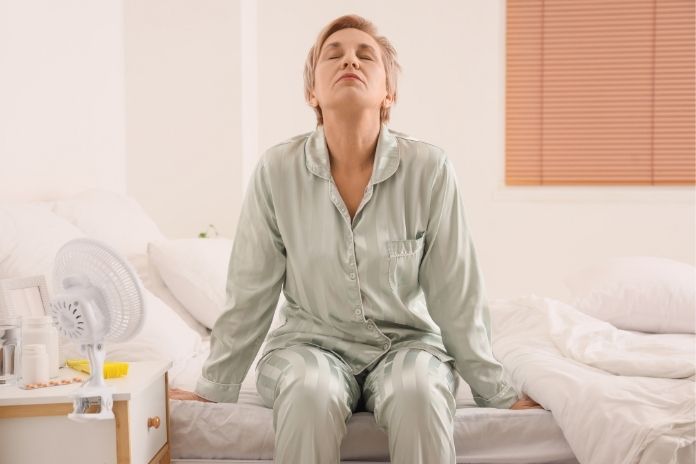
During menopause, sleep difficulties are also very prevalent. Perimenopause, the time before menopause when hormone levels drastically change, is when many people start having menopause sleep problems.
Declining Estrogen and Sleep Regulation
A woman’s reproductive years come to an end with menopause, a normal biological shift. Significant hormonal changes occur during this period, including a drop in progesterone and estrogen levels. Menopause typically begins around age 52 in the United States, occurring between ages 45 and 55.
Hormone fluctuations can cause mood swings and difficulty controlling body temperature, both of which can lead to restless nights. During menopause, common sleep issues include:
Night Sweats: The most prevalent menopausal symptom is hot flashes. When they occur at night and disrupt your sleep, they are called night sweats.
Insomnia: Menopause is often associated with difficulty falling and staying asleep. It is frequently associated with anxiety or stress. RLS stands for restless legs syndrome. Tingling sensations and an urge to move their legs to relieve the symptoms are common in people with this illness.
Sleep Apnea: Menopausal hormonal changes alter how the body uses calories, increasing the risk of sleep apnea and contributing to weight gain.
Night Sweats and Temperature Instability
Hot flashes and night sweats are probably the most recognizable signs of menopause. They occur because shifting hormone levels disrupt the brain’s control of body temperature. One minute you feel fine, and the next you’re sweating and maybe even waking up in the middle of the night, overheated and uncomfortable.
Mood and Stress System Changes
Hormonal changes during menopause can also affect mood and emotional control. Changes in estrogen levels affect brain chemicals involved in stress responses and mood stability. Some people get more anxious or irritable as a result. These alterations may make it harder to relax and increase mental activity at night.
Pregnancy vs. Menopause: How Sleep Disruption Differs
Hormonal sleep changes occur during both menopause and pregnancy, but the patterns of sleep disturbance differ.
Timing of Sleep Problems
Across different phases of life, the timing of sleep problems varies. Sleep problems during pregnancy frequently vary by trimester. While later pregnancy typically results in pregnancy insomnia and frequent awakenings, early pregnancy may cause weariness and sleepiness.
As hormone levels change throughout perimenopause, menopause sleep problems typically appear gradually.
Common Nighttime Symptoms
Physical changes during pregnancy may result in sleep disturbances, such as:
- Body discomfort
- Frequent urination
- Movement of the fetus
Sleep disturbance at menopause is more frequently associated with the following:
- Nighttime sweats and hot flushes
- Instability in temperature
- Effects of hormones on stress and mood
Shared Effects on Sleep Quality
Both life stages have several similar effects on sleep, despite their distinctions. Menopause and pregnancy can both result in:
- Sleep fragmentation
- Decreased stages of deep sleep
- Tiredness during the day
- Symptoms resembling an insomnia disorder
Read More: Why Belly Fat Keeps Coming Back During Menopause (And How to Stop It)
Practical Strategies to Support Better Sleep During Hormonal Changes

Although hormonal changes cannot be completely avoided, several strategies may help reduce hormonal sleep changes and improve sleep quality.
Stabilize Sleep Timing
When you keep a steady sleep and wake schedule, your body’s internal clock works better. Over time, your brain gets into the habit and starts sending out hormones like melatonin exactly when you need them.
Manage Temperature and Sleep Environment
Making small changes to your bedroom can make a big difference in how well you sleep. Even something as simple as adjusting the temperature can help you drift off more easily. Try breathable bedding, turn down the thermostat, and go for layered pajamas to stay cool through the night.
Support Relaxation Before Bed
Winding down your nervous system before bed makes a difference, too. Stuff like slow breathing, mindfulness meditation, or a few gentle stretches can really help you relax and signal to your body that it’s time to wind down.
When Hormonal Sleep Problems May Need Medical Evaluation

While mild sleep disturbances are typical during menopause and pregnancy, certain circumstances call for medical intervention.
You should speak with a medical expert if:
- Sleep issues related to menopause or pregnancy last for several weeks.
- Night sweats and sleep menopause symptoms disrupt daily life.
- Breathing pauses or loud snoring happen when you’re asleep.
- Severe exhaustion interferes with day-to-day activities.
Read More: Thyroid Problems vs. Menopause Belly Fat: What’s Really Causing Your Weight Gain?
Conclusion
People often misunderstand sleep problems during major hormonal shifts. Most folks think it’s just stress or lifestyle messing with their rest, but really, there’s more going on. Huge changes in hormones, especially during pregnancy and menopause, hit the brain in a way that messes with how we fall and stay asleep.
When estrogen, progesterone, and a handful of other hormones start fluctuating, your sleep cycles can get thrown off. Even your body temperature and internal clock feel the impact.
That’s why so many people experience more wake-ups in the night, less refreshing sleep, and insomnia-like symptoms when their hormones are all over the place.
These sleep interruptions can be less annoying and easier to handle if one understands the science underlying them.
References
- Dr. Jolene Brighten. ( January 12, 2024). Which Hormones Affect Sleep? The Hormone-Sleep Connection Explained.
- CT Coastal OB/GYN. (2025, October 15). How sleep impacts hormonal balance.
- Robards, K. (2024, January 26). Navigating sleep changes during pregnancy.
- Danielle Pacheco. (July 16, 2025). Pregnancy Insomnia: Causes & Treatment.
- Nationwide Children’s Hospital. (2024, February 1). The lungs in pregnancy.
In this Article