






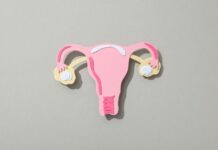













Menopause brings more than just mood swings, hot flashes, and nocturnal sweats. One of the most frustrating and noticeable changes is the arrival of “menopause belly,” the stubborn fat that collects around the midsection and seems impossible to lose, no matter how consistently you exercise or manage your diet.
This shift isn’t just about appearance. Hormonal fluctuations, a slowing metabolism, and increasing health risks are closely linked to the buildup of midlife belly fat. As these internal changes intensify, fat tends to return faster, making the issue feel even more discouraging.
In this article, we explain the science behind these midlife fat changes, break down why belly fat comes back so quickly, and offer proven, long-lasting strategies to help you break the cycle for good.
Read More: How to Lower Cholesterol During Menopause: Effective Strategies for Cardio Health
The Hormonal Reason Belly Fat Returns — Estrogen Decline
During menopause and the years leading up to it, known as perimenopause, women experience significant hormonal shifts. As estrogen and progesterone levels drop more rapidly, the balance between these two hormones changes.
As women approach menopause, they often develop more abdominal fat. Menopausal weight gain may be one way that women notice their advancing age.
For most of a woman’s reproductive years, estrogen and progesterone work together to support ovulation and fertility. When that balance is disrupted, it can affect how the body stores fat.
These hormonal changes can trigger several processes that contribute to weight gain, especially around the midsection:
Increased testosterone activity
Throughout life, the ovaries and adrenal glands produce small amounts of testosterone. When estrogen levels fall during menopause, testosterone becomes more influential. This shift can cause fat to be redistributed to the abdomen, leading to increased belly fat.
Changes in hunger hormones
Lower estrogen levels reduce leptin, a hormone that helps suppress appetite. At the same time, ghrelin, the hormone that signals hunger, can increase, especially when sleep is disrupted, which is common during menopause. Together, these changes can increase appetite and encourage the body to hold onto extra weight.
Insulin Resistance: The Hidden Driver of Recurring Belly Fat
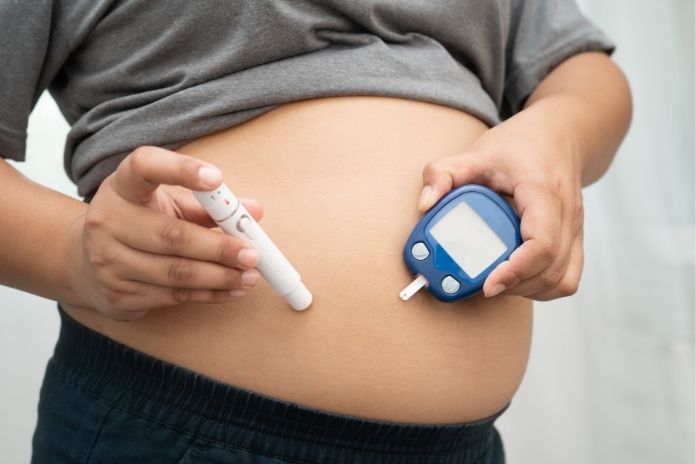
Insulin resistance is a common but serious condition. If left untreated, it can lead to major health problems, including type 2 diabetes and obesity.
Insulin resistance occurs when the body’s cells do not respond properly to insulin, the hormone responsible for regulating blood sugar (glucose). When insulin is not working efficiently, glucose stays in the bloodstream instead of being used for energy. One of the most noticeable effects is weight gain, especially around the abdomen.
“If you think you’re insulin resistant or at risk, talk to your doctor about how to manage the condition, including diet,” says Michael W. Lee, MD, an endocrinologist and weight management specialist at Scripps Clinic Center for Weight Management. “Your efforts to lose weight may not have anything to do with willpower.”
Your doctor may recommend lifestyle changes such as a low-carbohydrate diet, regular exercise, or in some cases, medication to help improve insulin sensitivity. Before treatment begins, however, it is important to know whether you actually have insulin resistance.
“Your physician can diagnose and recommend ways to reverse insulin resistance and prevent or delay type 2 diabetes,” Dr. Lee says.
The pancreas produces insulin, which allows your cells to absorb glucose from the bloodstream and use it for energy. Glucose is a type of sugar found in many of the foods we eat.
When cells stop responding properly to insulin, the pancreas compensates by producing more of it. This condition, known as hyperinsulinemia, can eventually lead to elevated blood sugar levels, prediabetes, weight gain, and type 2 diabetes. Excess glucose in the bloodstream is stored as fat, making weight loss increasingly difficult.
Belly fat plays a particularly harmful role because it further reduces the body’s ability to use insulin effectively. This creates a cycle in which insulin resistance leads to weight gain, and added weight worsens insulin resistance.
Persistently high insulin levels also disrupt normal hunger signals. This can increase appetite and trigger strong cravings for sugary or refined foods, which further contribute to weight gain and metabolic dysfunction.
Read More: Sleep Problems After Menopause: Why They Happen and How to Fix Them
Loss of Muscle Mass (Sarcopenia) Slows Metabolism
Menopause affects the entire body, not just reproductive hormones. One important but often overlooked change is sarcopenia, the gradual loss of muscle mass and strength that accelerates during midlife.
Hormonal changes play a major role in menopausal muscle loss. Estrogen helps regulate metabolism, control inflammation, and support muscle protein synthesis. As estrogen levels decline, the body becomes less efficient at maintaining muscle tissue, making it easier to lose muscle and harder to rebuild it.
The consequences of muscle loss extend beyond appearance or athletic performance. Here are some disadvantages of losing muscle:
- Slower Metabolism and Weight Gain:
Muscle is metabolically active tissue, meaning it burns more calories at rest than fat. When muscle mass decreases, metabolic rate slows. As a result, the body stores fat more easily, particularly around the abdomen, even when eating habits have not changed.
This metabolic slowdown helps explain why weight that was once easy to lose may return quickly during menopause. Fat regain can happen faster and with fewer dietary changes than before.
Relying solely on calorie restriction or aerobic exercise can worsen the problem. Without resistance or strength training, continued muscle loss further slows metabolism and makes long-term weight management more difficult.
- Diminished Strength and Mobility:
As muscle mass declines, everyday movement becomes more difficult. Tasks such as carrying groceries, climbing stairs, or standing up from a chair may require more effort.
- Increased Risk of Falls and Fractures:
Reduced muscle strength also increases the risk of falls and injuries, especially during menopause, when bone density is already decreasing.
Cortisol & Stress: Why Belly Fat Always Comes Back When You’re Stressed

“During perimenopause and menopause, women have a higher risk of mood changes, especially women with a prior history of anxiety, depression, PMS, or postpartum depression,” says Jean Marino, CNP, menopause specialist at University Hospitals.
“Mood changes during this time may present differently than in premenopausal women and include symptoms of fatigue, feeling overwhelmed, or lower self-esteem.”
“In addition, women at this stage of life are often dealing with significant life challenges, including children leaving home, the demands of caring for aging parents, and relationship changes with a spouse or partner. The emotional and physical stress that often accompanies these changes can lead to changes in eating habits and weight gain,” she adds.
Read More: Is Bleeding After Menopause Always Cancer? What Doctors Want You to Know
Sleep Disruptions Make Belly Fat Hard to Keep Off
Research suggests that insufficient sleep can interfere with fat-burning processes, particularly during the early morning hours between 2 and 4 a.m.
For many menopausal women, the hot flashes, mood swings, and other symptoms of menopause make it hard to achieve a good night’s sleep.
It’s entirely understandable that women struggle during this stage of life with extra abdominal fat added to the equation. But new research reveals that getting enough sleep could be the key to helping women manage or lose weight.
Two more vital hormones that are essential for your body’s repair and healing aren’t released in sufficient amounts when you are not sleeping through the night: testosterone and growth hormone.
These two hormones are essential for immune system restoration and muscle recovery. For this reason, sleep disturbances during menopause impair our ability to burn fat and mend muscles.
One of our stress hormones, cortisol, is affected when we don’t get enough sleep or don’t recover. Muscle regeneration and nighttime fat burning are prevented when cortisol levels remain high.
The Type of Weight Loss Approach Matters
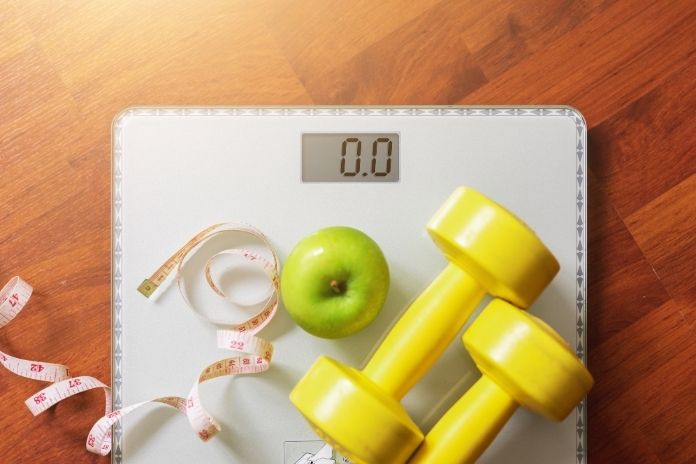
Most people need a combination of diet and exercise to shed weight during menopause. Health experts generally recommend exercising on most days. Along with a controlled, low-calorie diet, these can help you lose weight:
- Yoga, swimming, and brisk walking are all moderate-intensity activities that are very beneficial during menopause and could fit nicely into a balanced schedule of 2.5 to 5 hours per week.
- Additionally, as muscle mass usually decreases with age, adding strength training twice a week can help preserve it.
Keep in mind that everybody is different; therefore, it’s critical to customize your regimen to meet your specific health needs.
How to Stop Menopause Belly Fat From Coming Back: Science-Backed Strategies

Noticing your waistline change with age can be frustrating—but it’s common during menopause, and it’s not permanent. With the right lifestyle habits, you can lose the extra weight and keep it off. Here’s how:
Move your body every day
Aim for at least 30 minutes of moderate physical activity most days of the week. The best exercise is one you’ll actually stick with—whether that’s walking the dog, taking a Pilates class, strength training, or training for a race. Consistency matters more than intensity.
Prioritize quality sleep
Menopause can disrupt sleep, and poor sleep raises stress levels and drains your energy—both of which can lead to weight gain. If night sweats or insomnia are an issue, work with a healthcare provider and practice good sleep habits, like keeping a regular bedtime and limiting screens before bed.
Follow a healthy eating pattern
Trendy diets and social media fads rarely work long term. Sustainable weight loss comes from lifestyle changes. Focus on a balanced diet rich in fruits, vegetables, whole grains, and lean proteins. This approach supports both weight management and overall health.
Choose healthier fats
Fat adds flavor and is an important part of a healthy diet – you don’t need to cut it out. Instead, choose smarter options like olive oil, nuts, seeds, and fatty fish. Be mindful of portions, though: even healthy fats are calorie-dense. When eating out, ask for dressings and sauces on the side, as they’re often a major source of hidden fats.
Manage stress
Research shows that chronic stress is linked to higher body fat, especially around the midsection. Make time for activities that help you unwind, such as yoga, deep breathing, walking outdoors, or hobbies you enjoy. Learning to manage stress is just as important as diet and exercise.
Small, consistent changes can make a big difference, especially during menopause.
When to See a Doctor or Dietitian
Determining whether weight gain during menopause becomes a health risk is crucial. Gaining weight shouldn’t be dismissed, as it can lead to additional health problems. If you gain a lot of weight, especially in a short period of time, consult your doctor.
It’s always a good idea to consult your doctor, even if your weight increase is more moderate and does not pose an urgent health risk.
Your physician can provide you with the most individualized and helpful advice and treatments if you keep track of and identify your menopausal symptoms. They suggest a fitness program tailored to you or direct you to a physical therapist or dietitian.
Read More: Why Menopause Can Change Body Odor (and How to Manage It)
Conclusion
The significant hormonal and metabolic changes that occur during midlife may be the reason for the return of that belly fat, rather than a lack of effort.
Slowed metabolism, decreased insulin sensitivity, declining estrogen, and muscle loss all make it easier to put on fat, especially belly fat, once again. These shifts are regular, but when advancement appears temporary, it can be depressing.
The good news is that with the right approach, it is 100% possible to shed that belly fat for good. Your metabolic reset is aided by insulin-friendly eating habits, protein, physical training, and nutrition. Prioritizing restful sleep and practicing active stress management also helps balance your hormones, allowing your body to release and hold onto stubborn fat.
References
- Harvard Health Publishing. (2025, February 1). Why am I gaining belly fat during menopause?
- Women’s Health and Gynecology New England. Dr. Julia Edelman. (September 1, 2025). Understanding menopause belly: Why stubborn fat around the midsection happens and how to treat it
- University of Utah Health. (2024, July 12). How to battle the bulge during menopause
- Woods, J., M.D. (2015, May 1). What does estrogen have to do with belly fat?
- Scripps Health. (2025, April 29). Can insulin resistance cause weight gain?
- Nashville Physical Therapy & Performance. (2024, May 16). Why does menopause cause muscle loss?
- Evernow. (2022, June 16). Science-backed strategies to lose weight during menopause
In this Article