














If your heart starts racing halfway through a glass of red wine or shortly after a cheese-heavy meal, it can be genuinely unsettling. One moment you’re relaxed, enjoying your food, and the next you’re acutely aware of your heartbeat. It may feel fast, irregular, or oddly forceful.
Sometimes there’s warmth spreading through your chest, a flushed face, lightheadedness, or a sudden wave of anxiety that feels uncomfortably close to a panic attack, even if nothing stressful is happening.
For many women, this pattern appears during perimenopause or menopause, often without warning. And no, it’s not your imagination or a sign that you’re suddenly “sensitive.”
Menopause-related heart palpitations after eating are real, common, and frequently tied to specific dietary triggers. Red wine, aged cheeses, and cured meats top the list, especially when eaten together or later in the day.
This so-called wine and cheese trap happens because hormonal shifts during menopause change how the body handles histamine, alcohol, blood sugar, and stress hormones. Estrogen normally helps regulate these systems.
As levels fluctuate or decline, foods you tolerated for decades can suddenly provoke heart flutters, hot flashes after meals, pressure in the chest, and a racing pulse. Classic perimenopause heart symptoms that catch many women completely off guard.
What makes this experience so confusing is how fast it hits and how physical it feels. There’s often no obvious emotional trigger, yet the body reacts as if it’s under stress. Understanding the biology behind this response is the key to calming it. Once you know why certain foods flip this switch, managing symptoms becomes far more straightforward and far less frightening.
Why Menopause Can Make You More Sensitive to Food
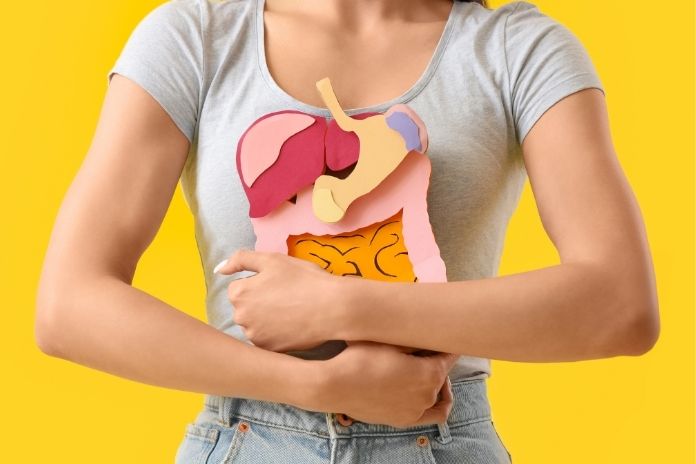
Estrogen does a lot more behind the scenes than most people realize. It helps regulate metabolism, keeps blood vessels flexible, and maintains balance in the autonomic nervous system.
As estrogen levels fluctuate and decline during perimenopause and menopause, these systems become more reactive. The body doesn’t stop working. It just loses some of its buffering capacity.
Research published in Frontiers in Cardiovascular Medicine shows that estrogen plays a direct role in cardiac ion channels, which regulate the heart’s electrical activity. When estrogen declines, this balance shifts, making the heart more responsive to adrenaline, histamine, alcohol, and blood sugar swings. Small triggers that once went unnoticed can suddenly feel loud.
This heightened sensitivity doesn’t mean there’s something structurally wrong with your heart. What changes is the threshold. Signals that used to stay below your awareness now cross into sensation. Palpitations feel stronger, faster, or more alarming, even when the heart itself is healthy.
The Link Between Hormonal Shifts and Heart Rhythm Sensitivity
After you eat, your body naturally redirects blood flow toward digestion. Heart rate may increase slightly, and blood pressure can dip for a short time. In a hormonally stable system, these adjustments are smooth and barely noticeable. During menopause, estrogen fluctuations can amplify this normal response.
With less hormonal buffering, the nervous system reacts more aggressively. The heart speeds up to compensate, adrenaline release increases, and awareness of the heartbeat sharpens.
Clinicians at the Cleveland Clinic note that heart palpitations during menopause are common and usually benign. What makes them feel intense is the context in which they occur. Hormonal shifts can heighten sensitivity to stress and activate the nervous system’s fight-or-flight response, amplifying sensations that might otherwise go unnoticed.
As a result, even harmless rhythm changes can feel alarming when the body is already on high alert. This is why symptoms often appear suddenly and feel out of proportion to the situation. The response itself isn’t abnormal. The volume has just been turned up.
Why Digestion and Blood Pressure Responses Change
Estrogen also plays a role in keeping blood vessels relaxed and responsive. When levels fall, vessels may constrict more easily instead of dilating smoothly. After meals, this can lead to brief drops in blood pressure, especially when digestion demands more circulation.
To compensate, the heart beats faster. In isolation, this is harmless. But when combined with certain foods that stimulate adrenaline, histamine release, or blood sugar spikes, the effect becomes much more noticeable. The result can be palpitations, flushing, lightheadedness, or a racing pulse shortly after eating — all recognizable perimenopause heart symptoms that are directly linked to food sensitivities and hormones.
Caffeine: The Overlooked Compounding Trigger
Coffee, tea, and chocolate are among the most common compounding triggers that get overlooked in conversations about menopause diet triggers.
Caffeine works by blocking adenosine receptors in the brain, which prompts the release of adrenaline and noradrenaline. This stimulates the heart to beat faster and harder, an effect that most people handle easily at earlier stages of life.
During menopause, research on caffeine and cardiovascular effects in postmenopausal women shows that declining estrogen alters both caffeine metabolism and heart rate variability, making the heart more sensitive to caffeine’s stimulating effects.
A study featured at UT Southwestern found that regular coffee drinkers experienced 54% more premature ventricular contractions on days they drank coffee compared to days they didn’t. For menopausal women whose nervous systems are already running at higher sensitivity, caffeine can push the heart past a threshold it would have sailed under before.
Combine a morning coffee with a late-night charcuterie spread, and the cumulative load on the nervous system can be significant. If you notice palpitations and haven’t looked at your caffeine habits, that’s a good place to start.
The “Wine and Cheese” Effect: Histamine Overload
Histamine is a naturally occurring chemical that plays several roles at once. It’s involved in immune responses, helps regulate stomach acid for digestion, and acts as a neurotransmitter in the brain. Your body releases histamine through immune cells, and you also take in histamine directly from certain foods, especially those that are aged, fermented, or preserved.
Foods like red wine, aged cheeses, cured meats, sauerkraut, and some vinegars are naturally high in histamine. After eating them, histamine levels rise in the bloodstream. Under normal conditions, this isn’t a problem. The body breaks histamine down quickly and efficiently, so symptoms never appear. During menopause, that clearance system can slow, allowing histamine to linger longer than it should.
Why Do Histamine Levels Spike After Wine and Cheese
Fermentation is the key issue here. Red wine contains histamine produced during grape fermentation, along with alcohol that interferes with histamine breakdown. Alcohol also stimulates additional histamine release from immune cells, creating a double hit.
Aged cheeses build histamine as proteins degrade over time. The longer the cheese ages, the higher the histamine content. When wine and cheese are consumed together, histamine intake stacks rapidly. What might be tolerable on their own can become overwhelming in combination, especially later in the day when the nervous system is already more reactive.
Why Menopause Makes Histamine Reactions Worse
The main enzyme responsible for breaking down dietary histamine is diamine oxidase, or DAO. Estrogen plays a complex and somewhat paradoxical role here. When estrogen is fluctuating or elevated, it can actually stimulate mast cells to release more histamine while simultaneously reducing DAO activity, making it harder for the body to clear the histamine already present.
As estrogen levels then fall in later menopause, DAO efficiency often drops further. Research confirms that altered estrogen states are associated with disrupted histamine clearance. When histamine builds up, it can trigger flushing, headaches, nasal congestion, gastrointestinal discomfort, and heart palpitations.
These reactions often resemble allergies, even in people who have never had food allergies in their lives. What’s changed isn’t the food. It’s the body’s ability to process it.
Other Histamine-Rich Foods to Watch
Wine and cheese get the most attention, but they’re not the only culprits. Smoked fish, processed and cured meats, tomatoes, spinach, eggplant, and fermented foods can all contribute. Leftovers can also accumulate histamine as they sit, especially protein-rich meals.
Sensitivity varies from person to person. The pattern matters more than any single food. Noticing combinations, portion sizes, and timing often reveals why symptoms appear on some days and not others.
Read More: How Histamine Intolerance Can Flare Up Around Your Period
The Tyramine Factor: A Hidden Trigger in Aged Foods
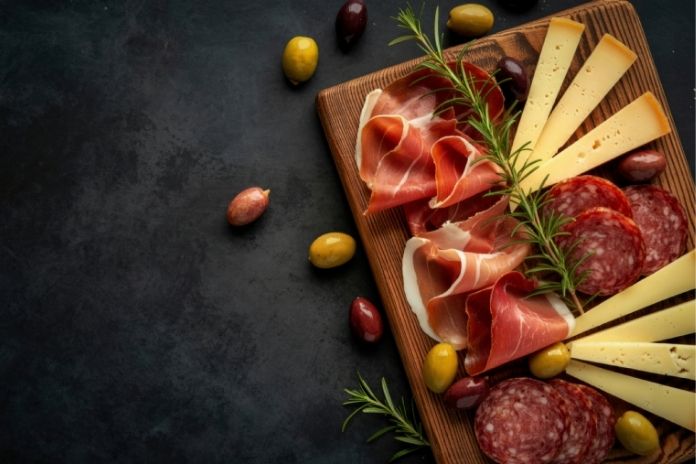
Tyramine is an amino acid that forms when proteins break down during aging, curing, or fermentation. It’s naturally present in many preserved foods and plays a role in blood pressure regulation by influencing the release of norepinephrine, a stimulating neurotransmitter tied to alertness and stress responses.
On its own, tyramine isn’t harmful. Problems arise when the body becomes more reactive to it.
Why Tyramine Affects Heart Rate and Blood Pressure
Tyramine works by prompting the release of stored adrenaline-like chemicals, including norepinephrine.
As Leonard Pianko, MD, explains, tyramine can trigger the release of stored norepinephrine, which directly stimulates the heart and constricts blood vessels, leading to increases in blood pressure and heart rate. In sensitive individuals, this can show up as palpitations, headaches, and a racing heartbeat.
This can cause temporary spikes in blood pressure and heart rate. In people with a sensitive nervous system, that surge may feel like heart racing, pounding headaches, or pressure in the chest shortly after eating.
Tyramine reactions are most commonly discussed in people taking certain antidepressants, but menopausal hormonal shifts can lower tolerance even without medications. Declining estrogen reduces nervous system buffering, making stimulatory signals feel stronger and harder to dampen. What once passed unnoticed can suddenly feel intense.
Foods High in Tyramine
High-tyramine foods tend to overlap with foods that are aged, cured, or fermented.
Some of the most concentrated sources include aged hard cheeses like Parmesan, cheddar, and blue cheese; cured and processed meats like salami, pepperoni, and prosciutto; fermented soy products like miso and soy sauce; pickled or fermented vegetables; and certain wines, particularly red wine. The longer a food ages, the higher its tyramine content tends to be.
When tyramine combines with histamine and alcohol, its effects can feel amplified. This overlap helps explain why menopause-related palpitations often show up after wine-and-cheese-style meals. It’s not one compound acting alone. It’s the combined load on a nervous system that’s already more sensitive than it used to be.
Alcohol Intolerance During Menopause
Many women notice a clear and sometimes sudden drop in alcohol tolerance during perimenopause and menopause. Drinks that once felt relaxing can now lead to heart racing, flushing, dizziness, anxiety, or disrupted sleep. This change is closely tied to declining estrogen, which normally helps regulate alcohol metabolism, blood vessel tone, and fluid balance.
As estrogen levels fall, alcohol is metabolized more slowly and remains active in the body longer. Its dehydrating effects also become more pronounced. Alcohol increases fluid loss through the kidneys, reducing blood volume.
In response, the heart speeds up to maintain circulation. For a nervous system that’s already more reactive, this compensatory increase in heart rate can feel like sudden palpitations. Dehydration and arrhythmia have a well-established connection: even mild volume depletion makes the heart more electrically excitable and prone to irregular rhythms.
Alcohol also stimulates the release of adrenaline and other stress hormones. During menopause, there’s less hormonal buffering to counteract this stimulation. Blood vessels may constrict instead of relaxing smoothly, heart rate variability drops, and recovery takes longer.
Clinicians acknowledge that alcohol affects the heart’s electrical signaling and can contribute to irregular heart rhythms, including palpitations and atrial fibrillation, especially in people who are sensitive to triggers.
This is why menopause and alcohol intolerance so often go hand in hand. The issue isn’t excess drinking. It’s a lower threshold. What once felt calming can now feel activating because the cardiovascular and nervous systems respond more strongly than before.
Safer Ways to Enjoy an Occasional Drink
If you choose to drink, strategic adjustments can help. Lower-alcohol beverages, alcohol-free wine alternatives, and slower pacing reduce the physiological load. Drinking with food helps blunt blood sugar swings, and hydrating before and after drinking offsets dehydration-related palpitations. For many women, these small shifts are enough to restore comfort without complete avoidance.
Blood Sugar Dips and Palpitations

Carb-heavy or sugary meals can raise blood sugar fast, especially when eaten on an empty stomach or without enough protein and fat. The spike itself isn’t the real issue. What matters is the drop that follows. When glucose falls quickly, the body treats it like a threat.
In response, it releases adrenaline and cortisol to push blood sugar back up. Those hormones are protective, but they come with side effects. Heart racing, shakiness, sweating, lightheadedness, and a sudden wave of anxiety are common. The experience can feel exactly like a panic attack, even when there’s no emotional trigger at all.
As Dr. Sudhanshu Rai, metabolic doctor and sports physiotherapist, explains: “Sharp rises and falls in blood glucose after eating are largely driven by how quickly carbohydrates are absorbed. Pairing carbohydrates with protein, fiber, and healthy fats slows that absorption. That steadier rise and fall in blood glucose helps prevent the hormonal surges responsible for palpitations, shakiness, and anxiety-like symptoms after meals.”
Hormones play a critical role here, especially estrogen. Estrogen supports insulin sensitivity and helps stabilize glucose levels. During perimenopause and menopause, estrogen declines, and blood sugar control becomes less predictable. The margin for error shrinks. Meals that once caused no reaction can suddenly trigger noticeable blood sugar dips, palpitations, and anxiety-like symptoms.
This is why many women notice their heart racing after meals during menopause, even when their diet hasn’t changed. The food is the same, but the hormonal environment isn’t. With less buffering from estrogen, normal glucose swings feel far more intense.
Balanced meals make a meaningful difference. Including protein, fiber, and healthy fats slows glucose absorption, softens spikes, and prevents rapid drops. That steadier blood sugar response reduces adrenaline release and makes post-meal palpitations and anxiety far less likely.
Read More: 10 Science-Backed Ways to Keep Your Blood Sugar Stable All Day
How to Manage the “Wine and Cheese” Trap

Start with awareness, not restriction. A simple food and symptom diary can be surprisingly powerful. Write down what you eat, when symptoms show up, how intense they feel, and how long they last. Patterns usually appear within a few weeks, especially with repeat triggers like wine, cheese, cured meats, or even that afternoon coffee.
There’s no need to cut everything out at once. That often creates unnecessary stress and confusion. Make one change at a time. Swap red wine for white or skip wine altogether for a week. Choose fresh cheeses over aged ones. Gradual adjustments make it much easier to identify true triggers without overcorrecting.
What to Eat Instead: Low-Histamine, Low-Tyramine Swaps
You don’t have to give up everything you enjoy. Shifting toward fresher, less processed foods dramatically reduces the histamine and tyramine load without gutting your social life.
- Try fresh mozzarella or ricotta instead of aged parmesan or blue cheese.
- Choose fresh chicken, turkey, or fish over cured meats.
- Swap red wine for white wine (which is lower in histamine) or a quality alcohol-free alternative.
- Use fresh herbs, olive oil, and lemon juice to flavor meals instead of fermented condiments like soy sauce or Worcestershire.
These aren’t deprivation moves; they’re smart substitutions that let you enjoy meals while keeping your nervous system from getting overloaded.
Simple Lifestyle Strategies
Hydration is foundational. Even mild dehydration can increase palpitations and make the heart more sensitive to rhythm changes. Drinking water before and after meals helps maintain blood volume and supports more stable heart rate responses.
Portion size matters more than most people realize. Large, heavy meals increase digestive demand and amplify post-meal heart rate changes. Smaller portions reduce that load. Managing daily stress and protecting sleep are just as important. Poor sleep raises baseline nervous system arousal, which makes food reactions stronger and more noticeable.
Magnesium: A Missing Piece of the Puzzle
One factor many women don’t know to look for is low magnesium. Magnesium is an electrolyte that helps regulate the heart’s electrical system. When levels are too low, the heart can become more prone to irregular beats and palpitations.
A clinical study published in the Journal of the American College of Nutrition found that dietary magnesium deficiency in postmenopausal women triggered heart rhythm changes in nearly 40% of subjects during the depletion phase.
Many women going through menopause have inadequate magnesium intake to begin with, and factors like chronic stress, poor sleep, and alcohol consumption all increase magnesium loss.
Good food sources include dark leafy greens, pumpkin seeds, black beans, almonds, and dark chocolate. If symptoms are frequent, discussing magnesium supplementation with a doctor is reasonable. The Cleveland Clinic notes that magnesium deficiency can directly cause the heart to beat out of sync. Restoring adequate levels through food or a supplement is a practical, low-risk step that complements dietary changes.
Over time, gradually limiting high-histamine and high-tyramine foods often leads to a clear reduction in symptoms. You’re lowering the total trigger burden rather than chasing a single culprit.
When to Talk to a Doctor
Food-related palpitations are often benign, especially during menopause, but they shouldn’t be ignored if they’re frequent, severe, or escalating. Seek medical evaluation if palpitations are accompanied by chest pain, fainting, shortness of breath, or occur without clear triggers.
A clinician can rule out common contributors such as thyroid dysfunction, anemia, electrolyte imbalances, or underlying arrhythmias. Getting clarity doesn’t mean something is wrong. It means you’re making sure nothing important is being missed while you address the hormonal and dietary factors you can control.
A Note on Hormone Therapy
Some women find that hormone replacement therapy (HRT) helps reduce palpitations by restoring some of the hormonal buffering that estrogen provided.
A systematic review of menopausal palpitation treatments found that some hormonal agents, particularly estradiol, showed positive evidence for reducing palpitation frequency and severity. HRT also tends to improve sleep and reduce hot flashes, both of which indirectly reduce palpitations.
That said, HRT isn’t appropriate for every woman. Factors like cardiovascular history, age, and individual risk profile all matter. If you’re already considering HRT for other menopause symptoms, it’s worth asking your doctor whether your palpitations might also benefit. The conversation is worth having.
Read More: Low-Histamine Recipes for People with Food Sensitivities
Takeaway
Heart flutters after wine, cheese, or heavy meals are a common form of menopause-related palpitations after eating. They’re driven by hormonal shifts that make the body more reactive to things it once handled easily. Declining estrogen affects how histamine is broken down, how alcohol is processed, how blood sugar is regulated, and how the nervous system responds to normal physiological stress.
What makes these episodes so unsettling is how suddenly they appear and how physical they feel. But in most cases, they’re not a sign of heart disease. They’re a sign of lowered tolerance and heightened sensitivity. The body isn’t malfunctioning. It’s reacting more loudly to familiar triggers.
The good news is that this pattern is often very manageable. Identifying food combinations that provoke symptoms, staying well hydrated, eating balanced portions, and adjusting alcohol intake can dramatically reduce episodes. Many women find that small, consistent changes restore confidence around meals and social situations.
And when symptoms persist, escalate, or feel unpredictable, medical guidance matters. Ruling out other causes brings peace of mind and ensures nothing important is missed. With the right understanding and support, food no longer has to feel like a trigger, and eating can go back to being something you enjoy rather than something you brace for.
FAQs: People Also Ask
Can menopause cause heart palpitations after eating?
Yes. Hormonal shifts during menopause increase sensitivity to histamine, alcohol, and blood sugar changes. Estrogen decline also affects nervous system balance. Together, these factors can trigger heart racing after meals. This response is common and well-documented.
Why do red wine and cheese trigger menopause symptoms?
Both are high in histamine and tyramine, which stress the nervous system. Alcohol further slows histamine breakdown. When estrogen is low, tolerance drops. The result can be flushing, palpitations, or dizziness.
Are menopause heart palpitations dangerous?
Most are benign and not linked to heart disease. They feel intense because the nervous system is more reactive. However, frequent or worsening episodes shouldn’t be ignored. Medical evaluation helps rule out other causes.
Should I completely avoid wine during menopause?
Not necessarily. Many women tolerate small amounts or occasional intake. Some do better with white wine or alcohol-free options. Individual sensitivity matters more than strict rules.
References
- Health.com. (n.d.). Foods to avoid while taking blood pressure medication.
- Parade. (2022, October 25). Histamine intolerance diet: What to know.
- Times of India. (n.d.). How to control blood sugar in 14 days without medicine: 8 doctor-recommended tips.
- WebMD. (n.d.). Foods high in tyramine.
- Mayo Clinic. (n.d.). Heart arrhythmia: Symptoms and causes.
- Cleveland Clinic. (n.d.). Heart palpitations.
- Nahrungsmittel-Intoleranz. (n.d.). The phenomenon of histaminosis.
- Studeersnel. (n.d.). Food-related allergies and intolerances.
- Scribd. (n.d.). Histamine intolerance document.
- Amin, M., & Gupta, A. (2023). New insights into the toxicological effects of dietary biogenic amines. ResearchGate.
- Bodmer, S., Imark, C., & Kneubühl, M. (1999). Biological effects of biogenic amines: Histamine and tyramine. Gastroenterology, 126(5), 1510–1520.
- Maintz, L., & Novak, N. (2021). Histamine intolerance: The more we know, the less we know. Clinical & Experimental Allergy, 51(3), 311–324.
- Manz, A., & Steinhart, H. (2021). Food-related histamine and its impact on human health. FAO Ad Hoc Report.
- Sánchez-Pérez, S., & del Castillo, M. D. (2023). Biogenic amines in foods: A comprehensive review. Food Science & Nutrition, 11(2), 71151.
- Zampelas, A., & Magriplis, E. (2021). Dietary biogenic amines and their effects on cardiovascular health. PMC, 5688223.
- Braverman, D., et al. (2013). Heart palpitations and dietary triggers. PMC, 3537328.
- Reis, C., & Oliveira, R. (2021). Histamine intolerance: Clinical, biochemical, and nutritional perspectives. PubMed, 34102108.
In this Article