

















Are you wondering how to massage your prostate? We’ve got you.
The prostate, often referred to as the male G-spot or P-spot, is a small, walnut-sized gland located about 2 to 5 inches inside the rectum, positioned close to the bladder. There are two primary uses for this practice: medicinal and non-medical.
As you age, the prostate gland, a reproductive organ, may become enlarged and irritated. Prostate massage is one treatment that may be helpful if you have a persistent medical condition, an enlarged prostate, or prostate pain.
It turns out that there may be other health advantages to massaging the prostate.
Prostate massage has been more popular in internet forums, men’s health communities, and wellness conversations in recent years. Its popularity and public interest have grown as a result of increased transparency regarding male sexual health, increased knowledge of problems related to the prostate, and interest in alternative wellness techniques.
Everything you need to know, including how to massage your prostate, will be provided in the article, regardless of whether you want to poke about there for pleasure or health.
Read More: Hot Stone Massage Therapy: Benefits, Safety Guidelines, and What to Expect
What Is Prostate Massage?
One method for reducing the symptoms of an enlarged or irritated prostate is prostate massage. Though researchers need to conduct additional studies, they are also investigating its use in medical settings to treat specific disorders.
During a prostate massage, the practitioner inserts a finger into the rectum to stimulate the prostate gland. Using a finger or a sex toy to massage the prostate gland can be done for sexual release or to cure a medical ailment.
Situated between the bladder and the penis, just in front of the rectum, this walnut-sized gland plays a key role in producing semen, the fluid that nourishes sperm and helps them move.
The goal of prostate massage is to clear the ducts of fluid, which will cause the fluid to escape on its own.
By assisting in the elimination of any fluids from the duct, this secretion may lessen or eliminate the symptoms of several illnesses, including prostatitis (prostate inflammation), erectile dysfunction, painful ejaculation, and urinary tract obstruction. A prostate massage done for sexual stimulation can trigger a prostate orgasm.
“The prostate is a highly coveted area of pleasure because it is surrounded by nerve endings,” says Dr. Evan Goldstein, founder and CEO of Bespoke Surgical and co-founder of Future Method. “For anyone who has ever had an orgasm while having their prostate stimulated, they know that it’s a unique orgasm in that it can be felt from head to toe, sending (good) shivers up and down your spine.”
However, this treatment option alone or in conjunction with other medical or surgical treatment alternatives may provide relief for men.
Potential Health Benefits

Prostate massages provide numerous health and sexual advantages. Doctors can identify and (possibly) treat numerous male reproductive and urinary health conditions with it. It can also offer an incredible orgasm for those with masculine bodies. The following is a list of benefits that a prostate massage can provide:
Erectile Dysfunction: A man cannot achieve or sustain an erection in his penis during sexual activity. ED may be a side effect of some drugs or a sign of mental or physical health conditions. Some people believe prostate massage aids with ED in certain situations.
Ejaculating with Pain: Fluid buildup can clog the male reproductive system, resulting in pain or suffering during ejaculation. Pain and blockages during ejaculation might be lessened or eliminated with prostate massage therapy.
Pee flow Correction: People with a penis may face urine flow issues later in life, though such problems can arise at any age. Prostate massages may help restore normal urination in male bodies.
Prostate Inflammation, or Prostatitis: Can cause symptoms like groin pain and difficulty urinating. Antibiotics and nonsteroidal anti-inflammatory medicines (NSAIDs) can be used in conjunction with prostate massage to help discharge fluids that have accumulated in the prostate, reducing swelling and pressure.
Anal Orgasms: Male G-spot or anal stimulation can lead to orgasms, which are very real. The answer to the question “Can prostate massage make me cum?” is “yes.” Remember that you’ll need to be patient and use the correct method.
Read More: 10 Best Migraine Relief Devices: From Cold Caps to Massage Tools
Risks and Safety Concerns
Although they are generally safe, prostate massages do carry some hazards, particularly if a non-medical professional performs them during intercourse.
- Overly intense or improperly performed prostate massages can harm your rectum and/or prostate, exacerbating symptoms (or causing symptoms in otherwise totally healthy prostates).
- Untrained use of electronic prostate massagers can potentially be harmful. Manufacturers often market electronic massagers as sex toys, but they do not work as simply as vaginal vibrators.
- People with anal fissures, hemorrhoids, prostate cancer, or rectal cancer should avoid prostate massages for enjoyment. Your doctor or a specialist should prescribe them if they are medically advantageous for you (though it is pretty unlikely if there is any structural damage in that particular place).
“While on one hand, that’s a good thing because the slightest bit of stimulation can be highly pleasurable, on the other hand, it can easily become irritated if it is directly stimulated too hard or for too long,” Dr. Goldstein says.
How Prostate Massage Is Done (Medically)
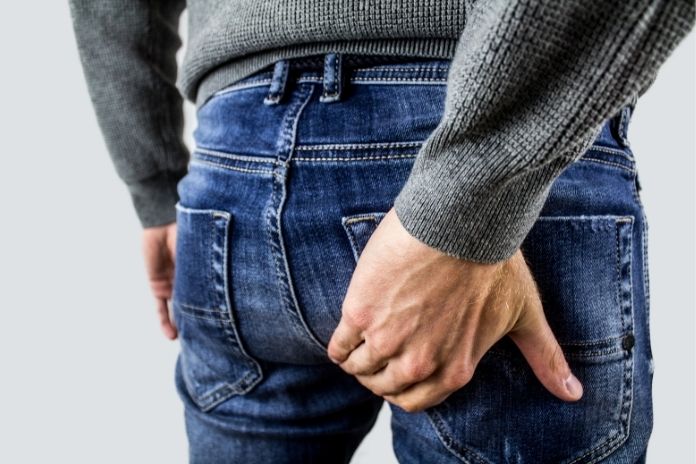
Since the medical community does not generally support prostate massage therapy, it may be challenging to find a qualified massage therapist. Doctors do not usually perform prostate massages, but they might be able to suggest someone who does.
A digital rectal examination (DRE) is similar to a prostate massage. Doctors frequently utilize DREs to check the prostate for abnormalities such as cancer. The doctor may use DRE to collect an expressed prostatic secretion and then examine it for signs of infection, prostatitis, or other issues.
In this type of massage, the therapist inserts a gloved, lubricated finger into the rectum. They will gently massage or press on the prostate for a few minutes, making sure it doesn’t hurt; however, some people may find it uncomfortable.
The frequency of prostate massages depends on the patient and the physician or other healthcare provider. The person can arrange to attend multiple sessions each week for at least a month before cutting back on visits.
Read More: Massage For Weight Loss – 7 Benefits And 3 Types!
Prostate Massage vs. Other Prostate Milking
Although the terms “prostate massage” and “prostate milking” are frequently used interchangeably, they have somewhat different meanings. Although the prostate gland is stimulated or manipulated in both cases, their goals and settings may also vary.
Generally speaking, prostate milking is a stimulation intended to release the gland fluid and is frequently connected to sex, occasionally as a component of prostate play with fingers or a prostate massager.
Prostate massage, on the other hand, is a more general type of word which is frequently employed in the therapeutic and medical contexts and focuses on possible health advantages, such as enhancing prostate drainage or easing prostatitis symptoms.
Tips for Men Considering Prostate Massage
Considering a prostate massage for your health or wellness reasons, it’s always good to keep safety in mind. Here are some critical points to remember:
Get a Medical Evaluation: Do NOT — I repeat, do not start first without verifying that there are no anal fissures, severe hemorrhoids, current infections, or prostate cancer going on.
Begin with a Licensed Professional: A responsible medical professional can adequately perform the procedure, minimize the risk, and also teach safe use if it is applicable.
Make Hygiene your Priority: Always wear sterile gloves, clean your hands, and clip your nails if you’re trying any form at home. Experts recommend only external massage (in the perineal area) without professional guidance.
Use the Right Lubricant: To lessen the discomfort and avoid any injury, always use a water-based, body-safe lubricant while performing internal methods under the professional’s guidance.
Avoid applying too much Pressure: Because the prostate is very sensitive, it is essential to move gently and carefully to prevent any harm.
Duration: It is generally recommended to start with short sessions lasting a few minutes and gradually increase the duration as you become more comfortable with the sensation.
Keep an Eye out for Warning Signals: If you experience sharp pain, fever, chills, or notice blood in your urine or semen, stop immediately, as these could indicate an infection or injury.
Following these safety measures guarantees a safer and more successful prostate massage.
Read More: Soothe Sore Muscles: 7 Top-Rated Massage Guns for Post-Workout Recovery
Conclusion
Practitioners have used prostate massage to treat several male ailments beyond sexual pleasure, including impotence, pain during ejaculation, and certain urinary conditions common in penile bladders.
But it is no magic pill and should never be taken as a substitute for any form of evidence-based medical therapy. Risk, including infection, injury, or exacerbation of underlying diseases, is likely to exceed benefits if performed with inadequate knowledge, sanitation, or supervision. Additionally, this type of massage may not be suitable for everyone, as some individuals may find it uncomfortable.
The best course of action is always to see your urologist when you have symptoms of ongoing pelvic pain, trouble urinating, or sexual dysfunction. A trained medical professional can diagnose the underlying cause and provide a proper treatment, along with delivering or supervising safe prostate massage therapy when necessary.

References
- https://www.menshealth.com/sex-women/a38603607/prostate-massage-how-to/
- https://greatist.com/health/prostate-massage
- https://www.health.com/prostate-massage-benefits-7096292
- https://ro.co/health-guide/prostate-massage-milking-benefits/
- https://www.medicinenet.com/is_prostate_massage_healthy/article.htm
- https://www.linkedin.com/in/evan-goldstein-b5a93348/
- https://health.clevelandclinic.org/prostate-massage
- https://www.medicalnewstoday.com/articles/319859
- https://openurologyandnephrologyjournal.com/VOLUME/2/PAGE/20/FULLTEXT/
- https://www.self.com/story/prostate-massage
- https://www.pulse-clinic.com/what-is-prostate-milking
In this Article