





















When people search “rye bread vs. sourdough,” they reduce it to something really simple: “Both are better for health than white bread.” That is true, but this is also incomplete, and this can even be misleading. These two breads are not just slightly different versions of the exact thing; they have complete different biological pathways to work inside the body.
Rye has its reputation due to what the grain already contains. Sourdough has it because of what happens to the grain during fermentation. That difference is actually more important than people think; this is because it changes outcomes like insulin response and gut microbiome behavior, including inflammation markers.
There is also one uncomfortable truth: many products sold as “rye” or “sourdough” don’t actually deliver what people assume. So the comparison is not just rye vs sourdough. It is real vs. fake, whole vs. refined, and grain vs. processed.
- Whole rye has a unique insulin-lowering “rye factor.” Real sourdough brings down glycemic response through fermentation.
- If both are whole grain and properly prepared, they have a similar effect on blood sugar, but rye has stronger metabolic evidence.
- The best option is whole rye sourdough.
What Makes Rye Different: The Grain Itself
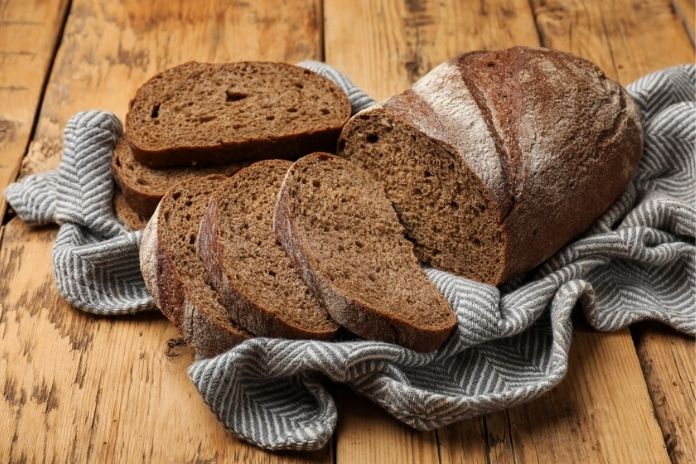
Rye is not just “another whole grain.” Even though both are grains, their fiber behaves very differently in the body.
One of the key components in rye is a type of fiber called arabinoxylan. Let’s understand the function of this component: when eating rye, it turns into a thick gel in the stomach. Because of that, digestion slows down. With whole-grain bread, sugar enters the bloodstream more slowly instead of causing a rapid spike. That’s why rye bread usually gives more stable energy and less of a crash.
Rye also contains beta-glucan and fructans, which means it feeds multiple types of gut bacteria at the same time. Most foods provide one dominant fiber type. Rye provides a mix. This diversity seems like a small detail, but microbiome research increasingly shows that diversity of input leads to diversity of bacteria.
Still, the most interesting part of rye is not fiber alone.
There is something researchers call the “rye factor.” In controlled studies, rye consistently produces a lower insulin response than expected, even when fiber content is matched with other grains. That means the body needs less insulin to manage the same amount of glucose.
This is not just a theoretical advantage. It suggests that rye interacts with metabolism in a way we still do not fully understand. And importantly, this effect shows up even without fermentation.
What the Research Actually Shows About Rye
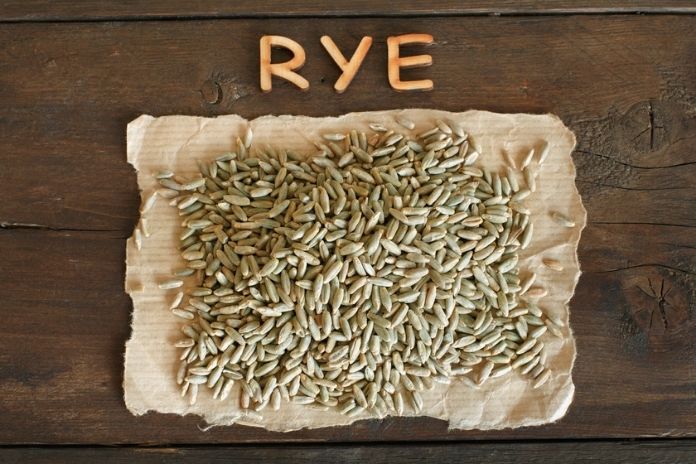
Recent clinical research has made rye more interesting than most mainstream nutrition advice reflects.
A 2025 meta-analysis of randomized controlled trials found that rye consumption significantly reduced fasting insulin and HOMA-IR, which is a standard measure of insulin resistance. Notably, some studies matched fiber intake between rye and wheat, yet rye still performed better. This suggests the benefit is not just the amount of fiber, but something specific to rye itself.
A 2022 review also confirmed the rye factor across different study designs. This consistency matters. Many nutrition claims fade when tested across different contexts, but rye’s effect has remained consistent.
But the strongest evidence comes from a 12-week controlled trial where participants replaced refined wheat products with whole-grain rye without changing total calories. The result was not only modest weight loss but also a 28% reduction in C-reactive protein (CRP).
CRP is not just another lab marker. It is a strong indicator of systemic inflammation and is linked with cardiovascular disease risk. A reduction of that size from a single dietary change is not common.
What is missing in most discussions is this: Rye is one of the few staple foods with measurable effects on both insulin and inflammation in controlled trials. That combination is rare.
What Makes Sourdough Different: The Process

Sourdough is often grouped with “healthy breads,” but technically, it is not a type of grain. It is a method. Real sourdough is made through long fermentation using a live culture of wild yeast and lactic acid bacteria. During this process, bacteria break down parts of the flour before you even eat it. This changes the bread in several ways.
First, it produces organic acids like lactic acid and acetic acid. These lower the pH of the bread and slow gastric emptying, which leads to a lower glycemic response.
Second, fermentation partially breaks down starch. So your digestive system has less work to do, and glucose release becomes slower.
Third, it affects compounds like phytates. These are natural substances in grains that bind minerals. Fermentation reduces phytates, which may improve mineral absorption.
So while rye works from the inside of the grain, sourdough works by pre-processing the grain externally.
Real sourdough vs commercial sourdough: The distinction that changes everything
This is where most people get misled. Real sourdough requires time, often 12 to 48 hours of fermentation. Commercial bread production does not have that time. So many industrial “sourdough” products use shortcuts like vinegar or sour flavor additives to mimic the taste.
The result looks similar, smells similar, but behaves very differently in the body. If the bread contains yeast as primary leavening, added acids, or a long ingredient list, it is not genuine sourdough. It is closer to regular white bread with an altered flavor.
This distinction is not a small detail. Without real fermentation, most of the metabolic and microbiome-related benefits simply do not exist.
Head to Head: Blood Sugar, Gut Health, and Inflammation
When you compare rye bread vs. sourdough directly, the answer depends on what outcome you care about.
Blood sugar:
Both whole rye and real sourdough reduce blood sugar and glycemic response compared to white bread. Whole rye typically sits around GI ~55. Whole wheat sourdough can range between ~54–60, depending on fermentation quality. So on paper, they look similar.
But rye has an additional effect, a lower insulin response. This means that even if blood sugar levels look similar, the hormonal response is more efficient with rye.
Gut health:
Here, sourdough has an edge. The fermentation process produces organic acids and bioactive compounds that act as prebiotics and may support beneficial bacteria.
Rye still performs well because of its fiber diversity, but it does not introduce the same fermentation-derived compounds. So rye feeds the microbiome. Sourdough modifies it more actively.
Inflammation:
This is where rye stands out more clearly. The CRP reduction seen in trials strongly backs its effects.
Sourdough’s anti-inflammatory effects are mostly indirect, through gut health improvements. That is plausible, but less directly proven in controlled human trials.
Read More: Is Sourdough Bread Good for You? Benefits, Nutrition, and How It Compares to Other Breads
The Caveat That Applies to Both: It Has to Be Whole Grain
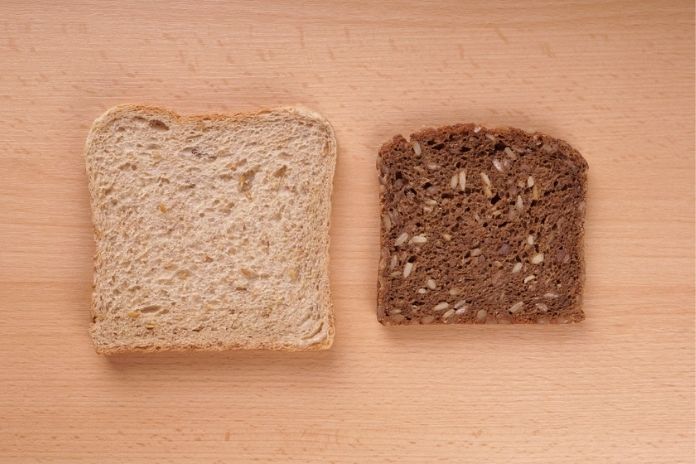
This is the part most labels quietly ignore. Light rye is mostly refined flour with little rye.
Same with sourdough. If made from white flour, then fiber content is low. There are only fermentation benefits.
So the best is:
- Whole rye vs refined rye
- Real sourdough vs commercial sourdough
- Whole-grain sourdough vs white sourdough
Otherwise, the comparison is meaningless. Labels can also be misleading, “multigrain” or “brown bread” does not necessarily mean whole grain. You have to read the ingredients.
Read More: Beyond Yogurt: 5 Fermented Foods That Support Gut Health on a Dairy-Free Diet
The Best Answer: Rye Sourdough
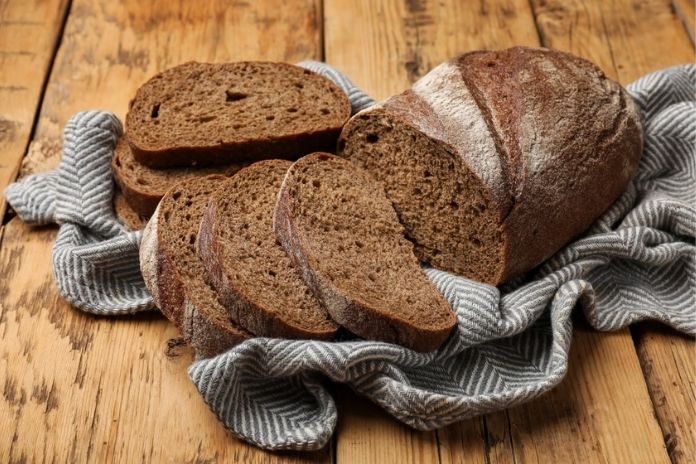
If you combine what we know about rye and sourdough, a more complete answer appears. A combination of rye and sourdough, made from whole rye flour and fermented with a real starter, brings together both mechanisms. You get:
- Arabinoxylan and multiple fiber types
- The rye-factor insulin response
- Fermentation-driven reduction in starch digestibility
- Organic acids and microbiome benefits
This is not a theoretical combination. It has existed in traditional diets for centuries, especially in Northern and Eastern Europe.
What is interesting is that modern nutrition content often separates rye and sourdough into competing categories, which traditional diets never did. They combined them naturally. So the “best” bread is not a new invention. It is simply the overlap of two well-established systems.
Read More: 7 High-Protein Bread Pairings That Keep Blood Sugar Stable (and You Fuller Longer)
Final Thoughts
Both rye bread and sourdough bread are better than white bread, but they are not the same kind of “better.” Rye works deeper on metabolism, especially insulin and inflammation. Sourdough works more on digestion and gut bacteria.
If both are made properly, both are good. But if you want the most complete option, rye sourdough is the strongest choice. Just one condition: it has to be real.
- The “rye factor” shows that insulin response is not always predicted by rye bread’s glycemic index; this gap is still not fully explained in research.
- Most sourdough research does not distinguish clearly between real fermentation and industrial shortcuts.
- Fiber diversity (not just amount) may be important for gut health, and rye is strong in this area.
- Inflammation reduction from simple food swaps is rarely studied; rye is one of few with clear data.
- The biggest gap is labeling: consumers cannot easily tell real sourdough or real whole rye from packaging.
References
- Ghazvini, M., Ghanbari-Gohari, F., Foshati, S., & Akhlaghi, M. (2025). Effect of rye consumption on markers of glycemic control: evidence on the “rye factor”: a systematic review and meta-analysis of randomized controlled trials. Nutrition & Metabolism, 22(1).
- Iversen, K. N., Dicksved, J., Zoki, C., Fristedt, R., Pelve, E. A., Langton, M., & Landberg, R. (2022). The Effects of High Fiber Rye, Compared to Refined Wheat, on Gut Microbiota Composition, Plasma Short Chain Fatty Acids, and Implications for Weight Loss and Metabolic Risk Factors (the RyeWeight Study). Nutrients, 14(8), 1669.
- Iversen, K. N., Jonsson, K., & Landberg, R. (2022). The Effect of Rye-Based Foods on Postprandial Plasma Insulin Concentration: The Rye Factor. Frontiers in Nutrition, 9.
- Juntunen, K. S., Niskanen, L. K., Liukkonen, K. H., Poutanen, K. S., Holst, J. J., & Mykkänen, H. M. (2002). Postprandial glucose, insulin, and incretin responses to grain products in healthy subjects. The American Journal of Clinical Nutrition, 75(2), 254–262.
In this Article