













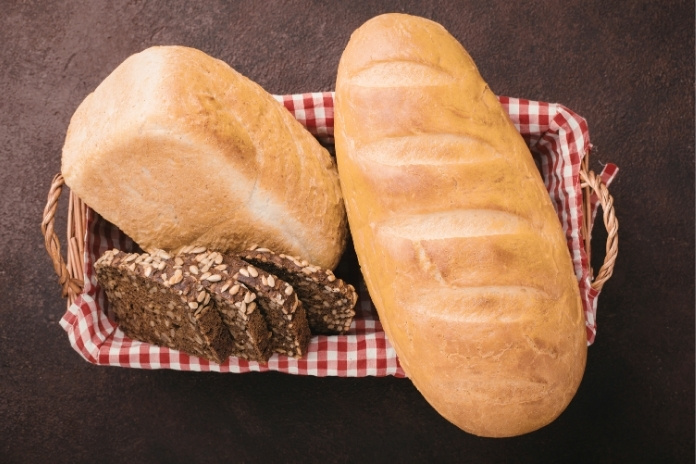
Although bread is a mainstay of many diets, it can cause rapid blood sugar spikes and energy crashes in some people. It occurs as a result of the fast digestion of refined carbs, which rapidly raise and lower glucose levels. You don’t have to give up bread, which is terrific news.
When combined with appropriate high-protein foods, it can help stabilize blood sugar levels, slow digestion, and prolong feelings of fullness. Protein helps prevent abrupt surges and falls by slowing the rate of carbohydrate absorption.
You may eat bread and have a more consistent energy level throughout the day by combining a few clever food choices. This article explains seven easy, scientifically supported high-protein bread pairings, how they help control blood sugar, and provides proper breakfast, lunch, and snack suggestions.
Read More: High-Protein Beans: Top Varieties, Benefits, and How to Use Them
Why Bread Alone Causes Blood Sugar Spikes
Carbohydrates, the main ingredient of bread, are rapidly converted by the body to glucose. Processing strips away the fiber-rich outer layers of the grain, so refined bread, like white bread, digests very quickly.
People with diabetes need to watch what kind of bread they eat. People with insulin resistance may be at risk, as bread’s carbs can affect blood sugar levels. Bread is therefore seen as “off limits” by many individuals with type 1 or type 2 diabetes. Some may find it easier to manage their diabetes as a result of this general ban.
But what if you still want to eat bread despite having diabetes? As long as you know what to look for, bread is acceptable when following a diabetes diet.
When bread and protein are combined, your body reacts differently to the meal. Protein slows digestion and reduces the rate of circulatory absorption and breakdown of carbs. As a result, the blood sugar rises more gradually than suddenly.
Slower stomach emptying is the scientific basis for this. Protein slows the passage of food through the stomach and releases energy gradually.
How Protein Pairings Help Stabilize Blood Sugar
When eating carbs like bread, protein functions as a natural “buffer.” Bread alone quickly digests, releasing the glucose into the bloodstream.
Protein, carbohydrates, and fat balance affect glucose metabolism. Fat and protein support glucose, but carbs dominate. Protein stabilizes glucose absorption. All macros fuel your body, yet they affect glucose differently.
Protein stabilizes glucose without spiking it. Carbohydrate-rich meals and snacks break down into glucose, raising your blood glucose levels. Protein and carbs help reduce energy surges and maintain energy levels.
But eating more protein than your body needs can have adverse effects, depending on your age, health, and the type of protein you consume. Eating more protein (at least 20% of your daily calories) for a year can lower blood pressure and weight. If you have renal disease, eating additional protein may overwork your kidneys and injure them.
However, the type of protein you eat can affect the results of a high-protein diet. Healthy diets can incorporate plant- and animal-based protein. According to studies, eating more plant-based protein and less animal protein lowers the risk of type 2 diabetes and other health issues.
7 High-Protein Pairings That Stop Sugar Spikes Instantly
Pairing bread with the right protein source can significantly alter the way your body reacts after a meal. These mixtures help keep blood sugar levels more stable, enhance fullness, and slow down digestion.
1. Eggs (Scrambled, Boiled, or Poached)

The inclusion of eggs on this list is hardly surprising. Eggs provide abundant protein, which should be included in all nutritious meals, including breakfast.
You may have heard that eating more protein will help regulate blood sugar levels. And it is supported by research. A study published in the American Journal of Clinical Nutrition found that people with type 2 diabetes who eat more protein have better blood glucose responses.
The most straightforward and efficient protein match for bread is eggs. Their high-quality protein content and low carbohydrate content help slow the digestion of the bread you eat with them. Together, the protein and good fats in eggs lessen the meal’s glycemic effect, resulting in more stable blood sugar levels.
Read More: Protein Powder in Coffee: How to Do It, Why It Works, and What to Watch Out For
2. Cottage Cheese Spread

Cottage cheese is a high-protein dairy substitute that tastes great on toast and bread. You can get about 13 g of protein from just half a cup. It helps lower the amount of carbohydrates that are absorbed and keeps blood sugar levels more stable after meals. Its mild taste allows you to use it with both savory and mildly sweet foods.
You can spread cottage cheese right on whole-grain or sourdough toast and top it with avocado, sliced cucumbers, or fresh herbs for more fiber and healthy fats.
3. Natural Nut Butters (Almond or Peanut Butter)
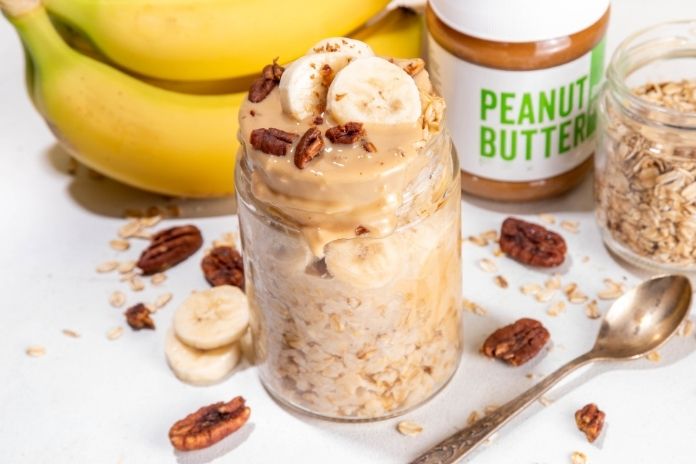
A tasty and easy way to counteract the effects of bread is to use natural nut butters. For people with diabetes, almond butter is often considered one of the best options. Compared to many other nut butters, almond and peanut butter are higher in fiber, rich in magnesium (which aids blood sugar regulation), low in carbohydrates, and high in healthy fats.
If portioned properly, natural, unsweetened peanut butter is also a fantastic choice. Cover whole-grain or sprouted bread with a thin layer and serve with sliced banana, apple, or, for added fiber, chia seeds.
4. Lean Chicken or Turkey Breast

For sandwiches, lean chicken or turkey breast is an excellent source of protein. In addition to niacin, zinc, selenium, and other healthy minerals and vitamins, turkey is a fantastic source of protein.
With just six grams of carbs, 185 calories, and 30 grams of protein, a six-ounce portion of turkey won’t significantly raise blood sugar levels on its own. Arrange pieces of roasted or grilled turkey or chicken with fresh veggies like cucumbers, tomatoes, or lettuce on top of whole-grain bread.
5. Greek Yogurt Herb Dip

Dairy products can affect blood glucose, as you probably know, but what effects can fermented dairy products and yogurt specifically have on blood sugar? Eating fermented foods, including yogurt, is often linked to a lower risk of diabetes. Greek yogurt is a fantastic substitute for conventional spreads because of its high protein content and creamy texture.
Research is still ongoing, but the data come from a study by Harvard School of Public Health experts. According to the available data, yogurt may help control blood sugar levels and is an excellent option for a nutritious breakfast.
Probiotics in Greek yogurt help maintain gut health and improve overall digestion. Greek yogurt’s protein helps stabilize blood sugar levels by delaying the absorption of bread’s carbs.
Read More: Is Protein Pasta Good for You? Benefits, Nutrition, and How It Compares to Regular Pasta
6. Smoked Salmon or Tuna

Omega-3 fatty acids and protein are abundant in fatty fish, such as salmon and tuna. Foods high in protein are typically associated with more stable blood sugar levels. Eating salmon and tuna may help lower blood glucose levels. With their high protein content and other nutrients that promote heart and brain health, salmon and tuna are nutritious foods.
Top open-faced whole-grain sandwiches or wraps with smoked salmon or tuna. For added fiber and nutrients, include sliced tomatoes, cucumbers, or leafy greens. A scoop of Greek yogurt or a squeeze of lemon can add flavor without detracting from the meal’s balance or satisfaction.
7. Hummus or Chickpeas

Hummus is a standard Middle Eastern dip made from cooked, mashed chickpeas, tahini (a paste made from sesame seeds), lemon juice, garlic, and olive oil. Chickpeas have a very low glycemic index (GI), which means their carbs, protein, and healthy fats are well-balanced.
As a result, they break down and are absorbed slowly, gradually raising blood sugar levels. This method can help to keep blood sugar levels in a healthy range.
Spread hummus on top of whole-grain or sprouted toast, then add cucumber slices, roasted vegetables, or a drizzle of olive oil. You can make a simple spread at home by mashing chickpeas with lemon, herbs, and a little salt. This mix is simple to make, healthy, and great for vegetarians and vegans.
Pro Tips to Prevent Bread Spikes Even Further
Tweaking the way you make and eat bread can really change how your blood sugar responds. If you pick your foods wisely and use a few easy tricks, you get to enjoy bread without sending your energy levels on a rollercoaster.
Eat Protein First, Then Carbs: Eat your protein before you dive into the carbs. The order in which you eat your meal actually affects your blood sugar. Foods high in protein, such as chicken, yogurt, or eggs, can help your stomach empty more slowly and get your body ready to break down carbs more quickly.
Choose Low-GI Breads: Different bread types affect blood sugar levels differently. Refined white bread digests quickly, which causes rapid spikes. Low-glycemic index (GI) foods like sourdough bread, whole-grain bread, and sprouted-grain bread digest more slowly because they contain more fiber.
Add Healthy Fats: Healthy fats slow down digestion and the absorption of carbohydrates. Toss some avocado on your toast, splash a little olive oil, or throw in a few nuts. These small touches help keep your blood sugar steady.
Add Fiber: Don’t skip the fiber, either. It’s key to stable blood sugar. Fiber slows down how fast the body breaks down and absorbs the carbs, so you don’t get hit with a big sugar spike.
Read More: Turn Your French Toast Into a Protein Powerhouse
Smart Bread Pairing Example Plates
It’s easy to put the right combinations into practice when you have simple meal ideas to follow. These sample plates show how to mix bread with fiber, protein, and healthy fats to make balanced meals.
Avocado, Soft-Scrambled Eggs, and Sprouted Toast: a great way to start your day. They contain healthy fats, high-quality protein, and slowly digested carbohydrates. Sprouted-grain toast has more fiber and a lower glycemic index than refined bread.
Whole-Grain Sandwich with Spinach and Turkey: For lunch, make a high-fiber, low-fat sandwich. Turkey breast slices are a very good source of protein, and whole-grain bread provides complex carbs that help stabilize blood sugar levels.
Conclusion
Bread doesn’t have to mess with your energy or send your blood sugar on a rollercoaster. It really comes down to what you eat with it. Pair bread with fiber, some healthy fats, or plenty of protein, and you slow down digestion.
That means fewer blood sugar spikes, and you stay full longer. Easy swaps include spreading on some nut butter, topping your toast with eggs, or loading up your sandwich with protein. It all changes the way your body handles those carbs.
References
- Blanton, K. (2025, December 4). The best high-protein breads to add to your plate, according to dietitians.
- Joslin Diabetes Center. (2021, July 8). Effects of carbs, protein and fats on glucose levels.
- Diabetes Care Community. (June 7, 2025). Foods that help stabilize spikes and dips in your blood sugar.
- Angela M. Hamilton, MS, RDN, LD/N. (November 23, 2020). How to Enjoy Thanksgiving for People with Diabetes.
In this Article