













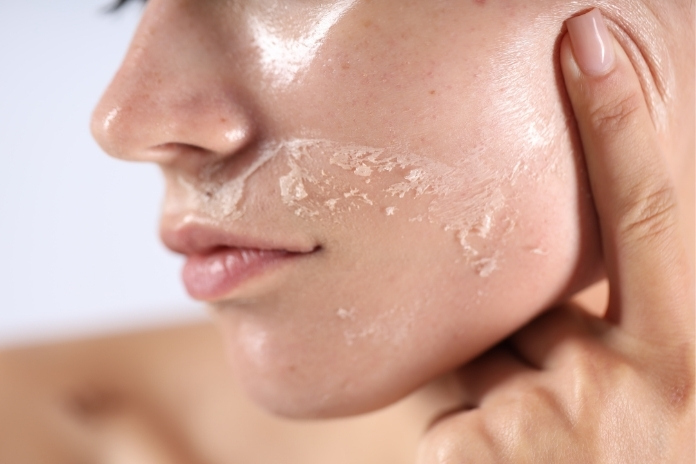
Dry skin in the winter? We buy heavier creams, try different moisturizers, and hope for the best. Usually, that does the trick.
But sometimes your skin keeps acting up, almost like it’s trying to tell you there’s something deeper going on.
As long as you remember to apply moisturizer consistently, dry skin is typically benign and easily treated. However, what if no matter how much (or what kind of) lotion you use, your epidermis stays dry and itchy?
This article will discuss how thyroid and kidney conditions can cause chronic dry skin, how to spot the symptoms, how they differ, and when to seek medical help.
Read More: Why Is My Skin Suddenly Very Dry Even Though I Use Moisturizer — Underlying Reasons & What To Do
When Dry Skin Is More Than Just a Moisture Problem
Cold air steals your moisture. Long, hot showers wash away the oils that keep your skin soft. Harsh soaps disrupt your skin’s pH balance. As you get older, your oil glands don’t keep up. Change a few habits, use a solid moisturizer, and your skin should bounce back.
But that’s not the case for everyone. Some types of dry skin don’t care how much lotion you slather on at night; it’s back by morning, sometimes even worse.
And once it starts, it just keeps spreading. It itches in a deep, not surface-level, manner. It comes with other symptoms that don’t quite go together, such as unexplained swelling, sudden weight changes, or unusual exhaustion.
At this stage, skin dryness becomes a systemic issue rather than a dermatological one. Both renal illness and hypothyroidism disrupt the body’s fundamental regulatory mechanisms, one of which controls the waste filtration and fluid balance, and the other metabolism and cellular repair.
The skin is frequently one of the first areas where dysfunction is apparent when either system fails.
“Hormones are biochemical messengers that have many jobs, including playing a role in cardiovascular health, bone growth, and blood sugar regulation,” says Dr. Alissia Zenhausern, NMD.
“When hormones are off balance, they can lead to the development of symptoms both in your body as well as on your skin,” she explains.
How Thyroid Problems Can Cause Dry, Thick, or Waxy Skin

Thyroid hormones keep your cells working the way they should. When your thyroid doesn’t produce enough hormone, what doctors call hypothyroidism, your whole body starts to slow down.
You might notice you’re colder than usual, you get tired faster, or you deal with constipation, depression, or brain fog. Your skin can take a hit, too. According to Dermato Endocrinology, low thyroid hormone levels can leave your skin dry, rough, and flaky, since these hormones help your body replace old skin cells with new ones.
Key Skin Clues of Hypothyroidism
So, what’s hypothyroidism? It’s when your thyroid gland just isn’t making enough hormone. People often call it an underactive thyroid.
Dry and Flaky Skin: If you have hypothyroidism, you’ve probably noticed your skin gets weirdly dry. That happens because lower thyroid hormone levels slow down your skin’s natural renewal process. It’s like everything is moving in slow motion. When that happens, dead skin cells accumulate on the surface, leaving your skin rough and flaky.
Pale or Yellowish Skin: Hypothyroidism can cause your skin to appear yellowish by preventing your body from converting beta-carotene, found in foods like carrots, into vitamin A.
Puffiness and Swelling: Puffiness and swelling appear in some people, mostly around the eyes and face. It happens because certain sugar molecules called mucopolysaccharides build up, causing the skin to hold on to water.
Slow Healing and Enhanced Infection Risk: With hypothyroidism, cuts and wounds linger. Your skin drags its feet when it comes to healing, and infections show up more easily; bacteria or fungus don’t need much of an invitation.
Other Signs That Accompany Thyroid-Related Dryness
Hypothyroidism rarely manifests as skin changes on its own. Usually, a cluster of these arrives:
- Tiredness that doesn’t go away with rest and is persistent and inexplicable.
- Weight gain despite no dietary or exercise changes.
- Feeling abnormally cold when others are at ease.
- Hair thinning, especially in the outer third of the eyebrows.
Read More: How Often Should You Use Retinol? A Dermatologist-Guided Schedule For Every Skin Type
When Kidney Disease Shows Up on Your Skin

The Role of the Kidneys in Skin Hydration
Your kidneys filter about 200 liters of blood every day. In the process, they regulate blood pressure, maintain electrolyte balance, remove metabolic waste, and control fluid levels throughout the body. They also help activate vitamin D, which plays a direct role in maintaining a healthy skin barrier.
Because of these functions, kidney health is closely tied to skin health.
When kidney function declines, as in chronic kidney disease (CKD), waste products are no longer cleared efficiently from the bloodstream. Substances such as urea and phosphorus begin to accumulate. These uremic toxins circulate throughout the body and eventually deposit in tissues, including the skin.
As a result, the skin can become dry, irritated, and dehydrated. Unlike typical dry skin, however, this type of dehydration starts internally. Since the root cause is systemic rather than topical, lotions and creams often provide only temporary relief rather than addressing the underlying issue.
Key Skin Symptoms of Kidney-Related Dryness
People with kidney disease often experience a range of skin problems. Here are some you see often:
Rashes: If you’ve got chronic kidney disease, you might notice rashes that just won’t quit. They tend to itch like crazy and can hurt, too. Sometimes they appear as dark patches or red spots.
Sores: Poor circulation is a big issue when your kidneys aren’t working right. As a result, blisters, ulcers, or open sores can pop up on your skin. These can be tough to heal and pretty uncomfortable.
Itching: People often complain about relentless itching. Sometimes it’s just in one spot, other times it feels like it’s everywhere. Dry skin almost always makes it worse.
Dryness and Scaling: Between 50-75% of people on dialysis deal with xerosis. That’s just a fancy word for skin that’s super dry, rough, and flaky.
Color Changes: Kidney failure can drain your skin of color, making you look pale or a little yellow. You might even notice your fingernails and toenails changing color, too.
Swelling: When your kidneys aren’t working right, your body hangs on to extra fluid. That leads to swelling, especially in your hands, feet, and face.
Other Systemic Clues
- Fatigue and concentration issues that are out of proportion to sleep quality.
- Muscle cramping, especially at night.
- A taste that is metallic or ammonia-like.
Read More: 6 Skincare and Hormone Mistakes We Make Trying to Fix Acne
When to See a Doctor About Chronic Dry Skin
If you have kidney problems, regular skin check-ups with your dermatologist really make a difference. They keep an eye out for any unusual color changes, patches of dryness, or signs of irritation. When something pops up, they don’t waste time. They can jump in with the right treatment or tweak your care plan right away.
Doctors use regular blood tests to see how kidney disease is affecting the body, especially the skin. These tests show if the kidneys are pulling their weight and what’s going on with uremic toxins.
With those results, doctors can tell if a treatment’s working or if they need to tweak meds or change up dialysis. Blood tests also catch vitamin or mineral deficiencies and other imbalances that can mess with your skin, so they can be treated before things get worse.
Caring for Your Skin While You Investigate the Cause

When you’re dealing with skin problems, even small changes can make you feel a lot better while you figure out what’s really going on. The main thing? Take care of your skin barrier and don’t do anything that’ll make things worse.
Drink a lot of water: Start with water. Drink plenty, aim for at least eight glasses a day. Staying hydrated helps your skin look and feel better.
Consume foods high in water: Watermelon, cucumbers, oranges, and strawberries are all great choices. These foods provide vital vitamins and antioxidants for healthy skin, as well as hydrate your body.
Limit alcohol and caffeine: These can cause dehydration and dry skin. Choose substitutes like infused water or herbal drinks instead.
Consume omega-3 fatty acids: Incorporate walnuts, flaxseeds, and salmon into your diet. These good fats support improved skin hydration and nourishment.
Read More: Mandelic Acid vs. Glycolic Acid: Which AHA Is Right for Your Skin?
Conclusion
Usually harmless and temporary, dry skin may be a sign of something more serious if it persists, becomes especially itchy, or develops resistance to proper skincare. Your internal systems are closely connected to your skin.
Changes may subtly manifest on the surface when the thyroid slows metabolism or the kidneys have trouble efficiently filtering waste. Rough, cold, thickened skin may indicate hypothyroidism, while severe, deep itching with tight, cracked skin may signal kidney problems. The key is to pay attention, not to panic.
References
- Procknal, H. How to combat dry skin from hypothyroidism.
- Repinski, K. (2017, June 8). 4 serious health problems your dry skin is trying to warn you about.
- Alcázar Lázaro, V., & Aguilar Martínez, A. (2013). Skin changes associated to hypothyroidism.
- National Library of Medicine. (2024, July 21). Hypothyroidism.
- Yusuf, E. (2024, December 21). Skin changes in hypothyroidism: What you need to know.
- Texas Kidney Institute. (September 20, 2024). How Kidney Disease Impacts Your Skin and What You Can Do About It.
- ESRD Network 13. Kidney disease and skin health: Common dermatological issues.
In this Article