














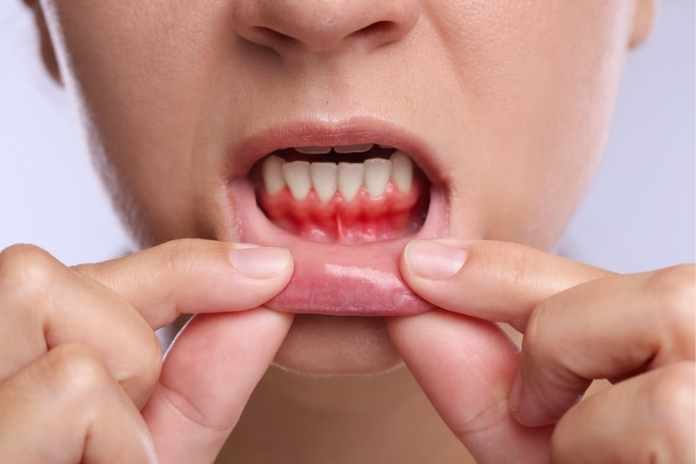
Periodontitis is a serious bacterial infection that affects the gums and the bone supporting your teeth. Treatment requires professional dental care, usually scaling and root planing (deep cleaning), to remove plaque and tartar from below the gumline.
Daily brushing, flossing, and antibacterial mouthwash can help support treatment, but they cannot treat periodontitis on their own. Without proper treatment, periodontitis can lead to permanent bone loss, loose teeth, and eventually tooth loss.
Periodontitis is an advanced stage of gum disease that damages the gums, the tissues that support the teeth, and the jawbone underneath. It develops when plaque and bacteria build up around the teeth and gums over time.
According to the Centers for Disease Control and Prevention (CDC), nearly half of adults aged 30 and older have some form of periodontal disease. It is one of the most common causes of tooth loss in adults, but it is also largely preventable with good oral hygiene and regular dental care.
- Periodontitis is a serious gum infection that can damage the gums, bone, and teeth.
- Deep cleaning by a dental professional is the main treatment for periodontitis.
- Good oral hygiene and regular dental visits help prevent tooth and bone loss.
Read More: Effortless Oral Care: The Top 7 Water Dental Flossers for Superior Dental Hygiene
How Periodontitis Develops — From Plaque to Bone Loss
Periodontitis starts with plaque, a sticky film of bacteria that forms on the teeth every day. If plaque is not removed through brushing and flossing, it hardens into tartar, also called calculus. Unlike plaque, tartar cannot be removed at home and requires professional cleaning.
The bacteria in plaque and tartar irritate the gums and trigger inflammation. This early stage is called gingivitis. Common signs include red, swollen, or bleeding gums. At this point, the condition can usually be reversed with professional cleaning and improved oral hygiene.
If gingivitis is left untreated, the inflammation spreads below the gumline. The body’s response to the bacteria begins to damage the tissues and bone that hold the teeth in place. This is when periodontitis develops. As the disease progresses, pockets form between the gums and teeth. These pockets collect more bacteria and become difficult to clean.
Recognising the Symptoms — What to Watch For
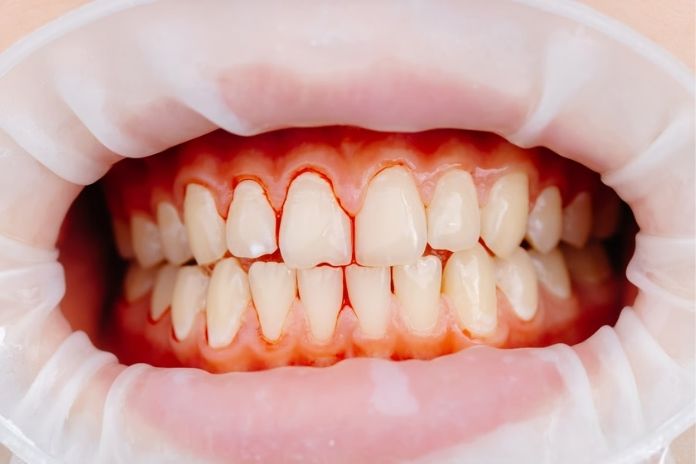
Periodontitis often develops slowly and may not cause pain in its early stages. This means many people do not realize they have it until significant damage has already occurred. Common signs and symptoms of periodontitis include:
- Bleeding gums when brushing or flossing
- Red, swollen, or tender gums
- Gums pulling away from the teeth
- Teeth appearing longer than usual
- Persistent bad breath
- A bad taste in the mouth that does not go away
- Increased tooth sensitivity
- Loose or shifting teeth
- Changes in the way your teeth fit together when biting
- Pus between the teeth and gums
Healthy gums should not bleed regularly. If you notice any of these symptoms, especially ongoing bleeding or gum recession, it is important to schedule a dental appointment. It is also worth remembering that periodontitis can become quite advanced before it causes pain. The absence of pain does not mean your gums are healthy.
How Periodontitis Is Diagnosed
A dentist or periodontist diagnoses periodontitis through a dental examination and X-rays. During the examination, a small measuring instrument called a periodontal probe is used to check the depth of the spaces between the gums and teeth.
Healthy gum pockets are usually between 1 and 3 millimeters deep. Pockets measuring 4 millimeters or more may indicate periodontal disease, while deeper pockets often suggest more advanced disease. Dental X-rays help identify bone loss around the roots of the teeth. This damage cannot always be seen during a visual examination.
What Professional Treatment Involves — The Evidence-Based Approach
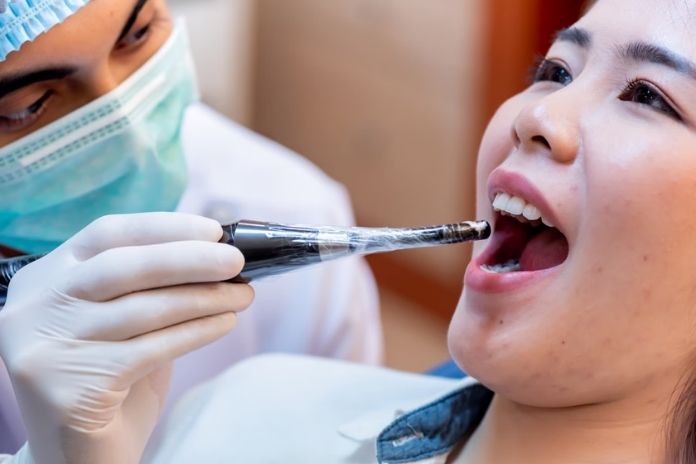
Professional treatment is the foundation of periodontitis care. The goal is to remove the bacteria causing the infection, reduce inflammation, and prevent further damage to the gums and bone.
Scaling and Root Planing
Scaling and root planing (SRP), often called deep cleaning, is the main treatment for periodontitis. During this procedure, a dentist, dental hygienist, or periodontist removes plaque and tartar from above and below the gumline using specialized instruments. The root surfaces are then smoothed to make it harder for bacteria to build up again.
Re-Evaluation
About six to eight weeks after deep cleaning, the dentist reassesses the gums. The follow-up visit checks whether pocket depths have decreased, bleeding has improved, and the tissues are healing properly.
Many patients respond well to scaling and root planing and only need ongoing maintenance care after this stage. If deep pockets remain, additional treatment may be recommended.
Antibiotics as an Adjunct
In some situations, antibiotics may be used alongside deep cleaning. Dentists may prescribe antibiotics for aggressive forms of periodontitis or when the infection does not respond fully to scaling and root planing alone.
Antibiotics can help reduce bacterial levels, but they do not remove tartar or replace professional cleaning. For this reason, antibiotics are considered a supportive treatment rather than a primary treatment.
Periodontal Surgery
Some people with advanced periodontitis may need periodontal surgery. Surgery can help dentists access areas that are difficult to clean with non-surgical treatment alone. In certain cases, procedures such as bone grafting or regenerative therapy may be used to support healing and improve tissue stability.
Not everyone with periodontitis needs surgery. The decision depends on the severity of the disease.
Read More: 14 Best Oral Health Foods – Take Care of Your Pearly Whites!
What Home Care Can and Cannot Do

Home care is an essential part of managing periodontitis, but it is important to understand its limits. Good oral hygiene helps control plaque, supports healing, and reduces the risk of further disease progression. However, home care cannot remove tartar below the gumline or treat active periodontitis on its own.
Effective home care includes:
- Brushing twice daily with fluoride toothpaste
- Using a soft-bristled toothbrush
- Cleaning between the teeth every day with floss, interdental brushes, or a water flosser
- Using antibacterial mouthwash when recommended by a dentist
Interdental cleaning is especially important because toothbrushes cannot effectively clean the spaces between teeth. Saltwater rinses may help soothe irritated gums and reduce mild inflammation. However, they do not treat the infection responsible for periodontitis.
Oil pulling has limited evidence suggesting it may reduce some oral bacteria. While it is generally not harmful when used correctly, it should never be used as a replacement for brushing, flossing, or professional treatment.
Home remedies such as lemon juice, banana peels, onion, mustard oil, or herbal pastes do not have clinical evidence supporting their use in periodontitis treatment. Some, particularly lemon juice, may even damage tooth enamel.
The Systemic Connection — Why Periodontitis Matters Beyond Your Mouth
Researchers have found links between periodontitis and several health conditions affecting the rest of the body. The strongest associations are seen with cardiovascular disease, type 2 diabetes, respiratory disease, and certain pregnancy complications. The relationship between diabetes and periodontitis is especially important.
Poorly controlled diabetes can increase the risk of gum disease, while severe periodontal disease may make blood sugar management more difficult. Scientists believe these links are partly related to the spread of bacteria and inflammatory substances from infected gum tissues into the bloodstream.
Prevention — The Most Effective Treatment of All
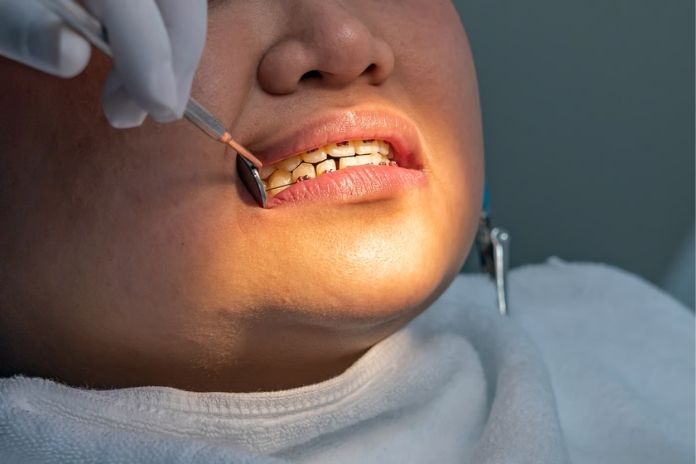
Preventing periodontitis is easier than treating it after damage has occurred. The most effective approach is removing plaque before it turns into tartar. This means brushing twice a day with fluoride toothpaste and cleaning between the teeth daily.
Regular professional dental cleanings are also important because they remove tartar that cannot be eliminated at home. Your dentist can recommend a cleaning schedule based on your individual risk factors.
Smoking is one of the biggest risk factors for periodontitis. It increases the likelihood of developing severe gum disease and reduces the success of treatment. Quitting smoking can significantly improve both oral and overall health. Regular dental check-ups every six to twelve months allow dentists to identify gum disease early, often before permanent bone loss occurs.
Read More: Caring for Your Teeth as You Age: Tips for Seniors and Caregivers
Conclusion
Periodontitis is a serious gum infection that can damage the tissues and bone supporting your teeth. If left untreated, it can lead to permanent bone loss and tooth loss. The good news is that early treatment is often very effective.
Professional deep cleaning, good daily oral hygiene, and regular dental visits work together to control the disease and protect your long-term oral health. No home remedy can replace the professional treatment needed to remove the bacteria and tartar that drive periodontitis.
Frequently Asked Questions
Q. Can periodontitis be cured at home?
A. No. Periodontitis requires professional dental treatment to remove plaque and tartar from below the gumline. Brushing, mouthwash, and home remedies cannot reach these areas effectively. Home care is important for maintaining results.
Q. What is the difference between gingivitis and periodontitis?
A. Gingivitis is the early stage of gum disease and affects only the gums. It is usually reversible with professional cleaning and improved oral hygiene. Periodontitis is a more advanced condition where inflammation damages the bone and tissues supporting the teeth.
Q. How long does periodontitis treatment take?
A. Treatment time depends on the severity of the disease. Mild to moderate periodontitis often requires two to four appointments for scaling and root planing, followed by a review appointment.
References
- Slots, J. (2021). Periodontitis: Facts, fallacies and the future. Periodontology 2000, 85(1), 7–23.
- Brown Road Dental. (n.d.). Is salt water good for periodontal disease? Brown Road Dental.
- How, K. Y., Song, K. P., & Chan, K. G. (2016). Porphyromonas gingivalis: An overview of periodontopathic pathogen below the gum line. Frontiers in Microbiology, 7, Article 53.
- American Dental Association. (n.d.). Scaling and root planing. MouthHealthy.
In this Article