



















- NAFLD/MASLD is a silent liver disease linked to obesity, insulin resistance, and poor diet.
- Even non-obese, younger adults are at risk due to sedentary lifestyles and metabolic issues.
- Prevention works: healthy diet, regular exercise, weight management, and blood sugar and cholesterol control.
One of the most common metabolic disorders in the world today is fatty liver disease, especially non-alcoholic fatty liver disease (NAFLD), now also known as metabolic-associated steatotic liver disease (MASLD). According to current estimates, more than 38.9% of adults are affected, and by 2040, as per predictions, this percentage could rise to over 55%.
The American Heart Association said in a scientific statement published Thursday in the journal Arteriosclerosis, Thrombosis, and Vascular Biology that heart disease is the leading cause of death for those who have non-alcoholic fatty liver disease, or NAFLD.
This condition, also referred to as hepatic steatosis, can also cause irreversible liver damage, including steatohepatitis (NASH/MASH) and progression to liver fibrosis and cirrhosis.
This article will describe NAFLD/MASLD, its origins and risk factors, symptoms, and possible complications. It will also explain why NAFLD in non-drinkers is now becoming more prevalent.
Read More: Is Non-Alcoholic Fatty Liver Disease (NAFLD) Reversible? What Science Says
What Is Non-Alcoholic Fatty Liver Disease (NAFLD)?
Previously known as non-alcoholic fatty liver disease (NAFLD), metabolic dysfunction-associated steatotic liver disease or metabolic-associated steatotic liver disease (MASLD) is a liver disease that affects people who are overweight, obese, or have other metabolic disorders linked to metabolic syndrome, such as type 2 diabetes, high blood pressure, or high cholesterol. Excess fat accumulates in the liver in MASLD.
As more people struggle with obesity and liver health concerns, MASLD is showing up more and more, especially in Western and Middle Eastern countries. Right now, it’s actually the most common kind of liver disease around the world.
Then there’s MASH, some call it NASH, which is basically a more serious form of MASLD, medically known as steatohepatitis (NASH/MASH). It’s worse than simple fatty liver (or hepatic steatosis), which people sometimes call fatty liver infiltration or just fatty liver.
Although common, NAFLD is often hidden or missed in routine medical care, the statement’s writing chair, Dr. P. Barton Duell, said in a news release.
Why NAFLD Is Rising Among Non-Drinkers
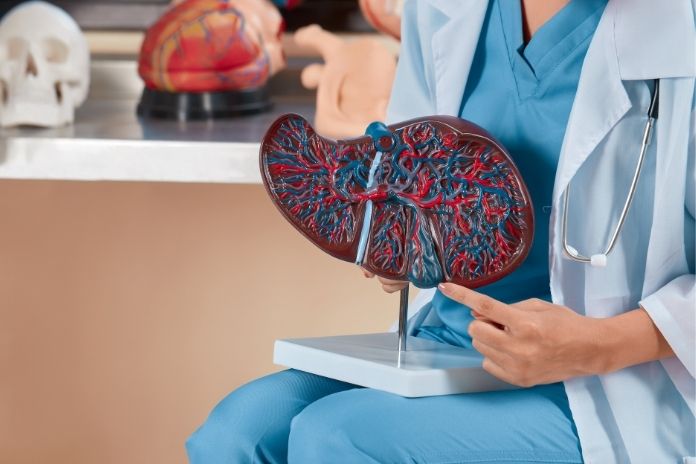
Nonalcoholic fatty liver disease (NAFLD) is on the rise due to several metabolic and lifestyle-related sources of liver fat. These elements help to explain why fatty liver disease has emerged as a major worldwide health issue.
The Role of Insulin Resistance and Metabolic Syndrome
One of the main reasons for liver obesity is insulin resistance. When the body becomes insulin-resistant, excess glucose is converted into fat and stored in the liver. NAFLD most likely occurs in people with metabolic syndrome, characterized by high blood pressure, raised blood sugar, abnormal cholesterol, belly fat, and insulin resistance.
Modern Diet and Lifestyle Factors
Another significant cause of NAFLD is a diet heavy in refined oils, sugary drinks, and processed carbs. Specifically, fructose accelerates fat accumulation in the liver. Regularly consuming packaged snacks, desserts, and fast food overloads the liver’s metabolic capacity, leading to fat buildup.
Fat builds up in the liver due to slowed fat metabolism caused by inactivity. Fatty liver disease can occur in those who lead sedentary lives, even if they maintain a normal weight. At every stage of the disease, regular exercise lowers liver fat and increases insulin sensitivity.
“Lean NAFLD” — When It Happens to People Without Obesity
The most common chronic liver illness is non-alcoholic fatty liver disease (NAFLD) or metabolic-associated steatotic liver disease (MASLD), which comprises fatty infiltration, nonalcoholic steatohepatitis, cirrhosis, hepatocellular carcinoma, and end-stage liver failure.
Although 50% to 90% of NAFLD patients are obese, highlighting concerns about obesity and liver health, the illness can also affect those with a normal weight and BMI. This form, often referred to as NAFLD in non-drinkers, is linked to fatty liver causes not due to alcohol, including NAFLD and insulin resistance, metabolic syndrome, and excess visceral fat.
The natural course of lean NAFLD in these patients is unknown. This knowledge gap hinders doctors’ counseling and the management of these patients’ illnesses, particularly regarding fatty liver symptoms and risks and progression to liver fibrosis and cirrhosis.
The researchers found 4,834 patients diagnosed with NAFLD in Olmsted County, Minnesota, around 1996 and 2016, along with all subsequent medical events, using Rochester Epidemiology Project data.
Using BMI at the time of NAFLD diagnosis, researchers classified study participants into normal, overweight, and obese groups.
They used the Aalen-Johansen approach to assess the risk of cirrhosis, decompensation, malignancies, cardiovascular events, and death in the three groups by following the study subjects longitudinally. They used Cox proportional hazard regression to determine how BMI categories affected these outcomes.
The 4,834 study patients included 414 (8.6%) with normal BMI, 1,189 (24.6%) with overweight, and 3,231 (66.8%) with obese. For a median of 6.4 yrs (range, 0 to 20 years), researchers followed participants from the study entry date (initial NAFLD diagnosis date) to death, last follow-up date, or study termination date (May 31, 2019).
Younger and Busier Populations at Risk
Non-alcoholic fatty liver disease is showing up more and more in younger people, especially those with packed schedules. Many young adults get little to no exercise. They work odd hours, grab quick processed meals, and live with constant stress. On top of that, most are running on way too little sleep.
You don’t have to drink alcohol to end up with liver problems; these everyday habits push your body toward insulin resistance and fat piling up in the liver. Long hours spent at a desk and endless workdays make your metabolism worse.
Fatty liver is no longer only a middle-aged health worry; it is becoming a major problem in younger generations, as evidenced by recent epidemiological research showing a consistent increase in NAFLD cases among those under 40.
Read More: Fatty Liver Disease: Early Signs You Should Never Ignore
Top Risk Factors Beyond Alcohol
The following are the most typical signs and dangers of metabolic dysfunction associated with fatty liver:
- Obesity, particularly if the excess fat is concentrated around the waist
- Type 2 Diabetes
- Elevated cholesterol
- Elevated blood triglyceride levels
- Insulin resistance
- Metabolic syndrome
- Syndrome of polycystic ovaries
- Hypothyroidism is another name for an underactive thyroid
- Hypopituitarism is another name for an underactive pituitary gland
Why NAFLD Is Called a “Silent” Disease

Fat accumulates in the liver as a result of non-alcoholic fatty liver disease (NAFLD). This fat buildup can occasionally result in liver inflammation and cirrhosis, a permanent scarring condition that can significantly impede liver function.
NAFLD can happen to persons who don’t consume alcohol or who only drink in moderation, in contrast to alcoholic fatty liver disease (alcoholic steatohepatitis). Nonetheless, there is a strong correlation between NAFLD and diabetes and obesity. The illness can have serious repercussions, and NAFLD is a significant worldwide public health issue.
Steatosis, non-alcoholic steatohepatitis (NASH), and finally cirrhosis are the stages that NAFLD can proceed through. Dietary and lifestyle modifications, like weight loss, can help treat NAFLD in its early stages.
The most severe stage of nonalcoholic fatty liver disease (NAFLD), cirrhosis, typically develops only after years of liver inflammation and can result in several problems, such as hepatocellular carcinoma (HCC) and liver failure.
NASH, which can develop into cirrhosis, affects 10–30% of people with NAFLD. Seventy to ninety percent of people with chronic liver disease develop HCC.
Read More: A Saviour’s Guide To Fatty Liver Diet – One Can Do to Overcome!
How Doctors Diagnose NAFLD/MASLD
If blood tests reveal elevated liver enzyme levels, MASLD may be suspected. Before determining with absolute certainty whether a patient has MASLD, medical professionals typically must rule out other potential explanations for elevated liver enzymes.
The fact that some people have MASLD even when their liver enzyme levels are within the normal range is of great importance.
The physician reviews the patient’s medical history and frequently orders additional tests, such as an ultrasound, which can provide an image of the liver, to determine whether anything appears abnormal.
Prevention and Reversal — What Actually Works
To lessen the likelihood of developing NAFLD:
Maintain a Healthy Diet: It is very important to consume a diet rich in fruits, vegetables, whole grains, and healthy fats. The Mediterranean diet is an example of such a menu plan.
Reduce your use of Alcohol, Simple Sugars, and Portion Sizes: Steer clear of sugary beverages, including soda, sports drinks, juices, and sweet tea. Alcohol, which can cause harm to the liver, should be avoided or consumed in moderation.
You Should Strive to Maintain a Healthy Weight: If you are overweight or obese, you should work with your healthcare team to progressively lose weight. You should make an effort to maintain your current weight by following a healthy diet and staying active.
Exercise: Aim to be active on most days of the week. If you have not been exercising consistently, you should first get your healthcare provider’s go-ahead.
Address Related Conditions: To prevent fatty liver naturally, focus on controlling your blood sugar, managing your cholesterol and blood pressure, and improving the quality of your sleep.
In some instances, drugs may be helpful; however, the most important component of treatment is making regular changes to one’s lifestyle.
When to See a Doctor

If you are obese, have type 2 diabetes, or have metabolic syndrome, or if you have persistent signs and symptoms that concern you, schedule an appointment with your primary care physician.
Read More: Prolonged Exposure To Antioxidant Proteins Might Cause Fatty Liver Disease, New Study Suggests
Conclusion
Now more commonly referred to as metabolic-associated steatotic liver disease (MASLD), and non-alcoholic fatty liver disease (NAFLD), including NAFLD in non-drinkers, is no longer a problem that only affects elderly persons or people who frequently consume alcohol, highlighting concerns about fatty liver causes not due to alcohol.
Insulin resistance, poor diet, sedentary lifestyles, and increased incidence of type 2 diabetes and obesity are the main causes of this metabolic health issue. NAFLD often develops silently with no obvious symptoms; thus, early detection and awareness are crucial.
References
- Mayo Clinic. (December 12, 2025). Fatty liver disease (MASLD).
- The Liver Foundation. Metabolic Dysfunction-Associated Steatotic Liver Disease (MASLD).
- NHS. Non-alcoholic fatty liver disease.
- University of Pennsylvania Perelman School of Medicine, Carr Lab. Liver disease.
- Glanze Patrick. ( December 02, 2025). Why Fatty Liver Disease Is Rising in Non-Drinkers: NAFLD Symptoms and Liver Fat Causes Explained.
- American Heart Association. (2022, April 14). Fatty liver disease not caused by alcohol is common – and often missed.
- Mayo Clinic. (October 20, 2021). Understanding lean NAFLD: Results from a population-based study.
- U.S. National Library of Medicine. (April 21, 2025). Nonalcoholic fatty liver disease.
- European Association for the Study of the Liver. 2021 Non-alcoholic fatty liver disease backgrounder.
- University of Iowa Health Care. (September 2017). Silent liver disease: Non-alcoholic fatty liver disease.
- Tyler Smith. ( July 1, 2020). A pervasive but silent enemy: nonalcoholic fatty liver disease.
- Johns Hopkins Medicine. Nonalcoholic fatty liver disease.
In this Article