



















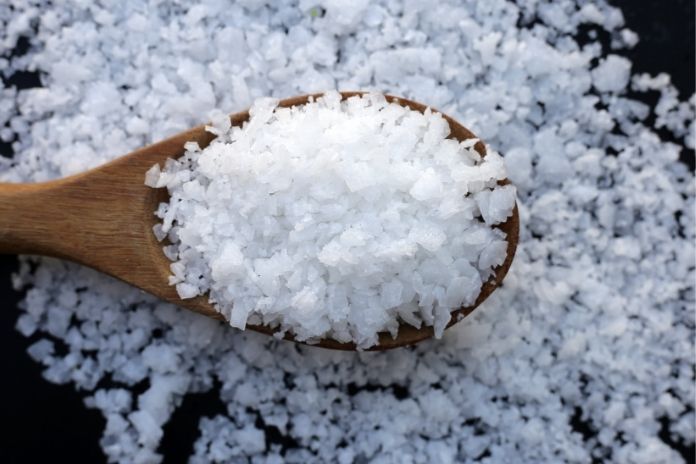
- Low sodium disrupts nerve signaling and hydration, potentially triggering migraine headaches.
- Heavy sweating, excess water intake, or strict salt restriction worsen dehydration migraines.
- Balanced electrolytes support brain function and may help reduce migraine frequency.
For years, people kept urging us to cut back on salt for the sake of our hearts. But new research in 2026 is flipping that idea, especially for anyone who is dealing with migraines.
Loading up on salt can raise your blood pressure and stir up inflammation. But skimping on sodium messes with your nerves, increases your risk of migraines, and throws off that delicate balance between sodium and hydration.
This article will cover the science underlying low-sodium migraines, the relationship between salt and migraines, the development of sodium-deficiency headache patterns, and the signs and symptoms of hyponatremia migraine or dehydration migraine.
Read More: Salt Alternatives: Flavorful Ways to Reduce Sodium Intake
The Sodium–Migraine Connection Explained
How Sodium Supports Brain Function
We must examine fundamental neurobiology to understand the link between salt and migraine.
Your brain literally, not figuratively, is powered by electricity. Electrical transmissions between neurons are the basis for all thoughts, movements, and sensations.
Your body relies on it to keep nerves working, stay hydrated, and think clearly. Salt does more than make food taste better; it actually keeps your brain firing on all cylinders. When you get enough sodium, your memory stays sharp, you focus better, and your thinking feels clearer.
However, when your sodium levels dip, it can feel jarring quickly. You might “feel off,” cranky, or just not as sharp as usual. When you get the right amount of salt, your mood and brain both work better. So, understanding how salt ties into mental health really matters.
Fluid and electrolyte levels play a big role in how our brains work. If you don’t get enough salt, it may lead to dehydration, messing with how your body holds onto water. Sodium keeps everything balanced, making sure fluids go where they’re supposed to. Honestly, if you want your brain and body to work right, you can’t ignore salt.
What Happens When Sodium Drops Too Low
Hyponatremia migraine patterns are a condition that can develop in vulnerable people when sodium levels drop below normal. When your blood sodium level is below normal, you have hyponatremia.
Hyponatremia occurs when the blood’s sodium concentration falls below the normal range. As an electrolyte, sodium helps regulate the volume of water within and around your cells.
One or more causes can dilute the body’s sodium levels, leading to hyponatremia. These variables may include excessive water intake or an underlying medical condition. Cells begin to swell, and the body’s water levels increase. Numerous health issues, ranging from minor to fatal, can be brought on by this swelling.
The goal of treating hyponatremia is to address the underlying issue. You might need to reduce your alcohol intake, depending on the reason for your hyponatremia. You could require oral electrolyte solutions and medicines in other hyponatremia instances.
Why a Low-Sodium Diet Can Sometimes Backfire

The Salt Withdrawal Effect
An abrupt change from a high-salt diet to a very restrictive one may cause temporary “withdrawal-like” symptoms. The link between salt and migraine becomes clinically significant at this point.
When consumption of salt rapidly declines:
- Blood volume can drop.
- Perfusion in the brain can change.
- Hormones that control fluid balance increase.
These modifications may temporarily increase the likelihood of migraines. After tight salt restriction for a few days, some people have low-sodium migraines.
Dehydration and Sodium Loss
Most people overlook how much salt they lose through sweating. Whether you’re working out, stuck outside on a hot day, sitting in a sauna, or dealing with stomach troubles, you’re losing both water and salt. If you keep drinking plain water without replacing sodium, you throw off your electrolyte balance even more, which can make dehydration headaches worse.
When you get dehydrated and your sodium drops, a couple of things happen:
- Your blood pressure falls.
- Your nerves stop firing the way they should.
When High Salt Becomes a Problem
Maintaining equilibrium is essential. Excess sodium can also affect the frequency or duration of migraines, even if low-sodium migraines do occur for some people.
A study published in BMJ Open last December found that headaches are more common among people who eat more salt. In a three-month multicenter feeding study, 390 participants were randomized to either the control diet (regular, not very healthy) or the DASH diet (healthy, expected to lower blood pressure).
Participants consumed foods with high, intermediate, or low sodium during one session, in a random order, while following their designated diets (DASH and regular). After every feeding session, the team tracked who got headaches and how bad they were.
Most people probably had either tension headaches or migraines, though the researchers didn’t dig into the details or try to label each type. About 57% of participants were women, with an average age of 48.
No matter if sodium was high, medium, or low, people on the DASH diet got headaches just as often as those in the control group. On the other hand, headache risk decreased on the DASH and control diets when sodium levels were low rather than high.
Read More: Healthy Eating at 50 and 60: What Your Body Needs Now—and What to Change
Signs Your Body May Be Craving Electrolyte Balance

Physical and Neurological Clues
Your body lets you know when something’s off with your sodium or hydration levels.
Muscles Start to Feel Weak, Cramp Up, or Even Spasm. That usually happens when you don’t have enough electrolytes, like potassium or magnesium. Basically, your muscles can’t work right without them.
Vomiting and Nausea: When your potassium drops too low, it messes with the muscles in your gut, and that can lead to nausea, vomiting, or even slow down your digestion.
Irritability or Confusion: Low sodium levels can lead to cerebral edema, which can cause neurological symptoms such as headaches, dizziness, and disorientation.
Headaches: Headaches can result from changes in salt and water levels.
Numbness or Tingling: Insufficient amounts of calcium, potassium, or magnesium can disrupt nerve transmission, causing the fingers, toes, and limbs to feel like pins and needles.
“There are many reasons someone may crave salt. It can signal an electrolyte imbalance, especially if the migraine attack is accompanied by vomiting,” says Kara Andrew, RDN, a nutrition consultant in Carthage, Illinois, and a medical reviewer for our network site Everyday Health
Migraine-Specific Red Flags
The following trends might indicate that the link between migraines and salt is significant:
- After drinking electrolyte drinks or broth, headaches tend to improve.
- Sweating excessively worsens the symptoms.
- Frequent urination before the start of a migraine.
Pre-migraine changes in fluid regulation that mimic vascular instability or early brain edema occur in certain people.
The Safe Way to Rebalance Sodium and Hydration
Smart Sodium Repletion
Don’t go overboard with drastic fixes if you think low sodium is triggering your migraines.
Drink with Purpose: Plain water doesn’t always cut it, so try mixing up your own electrolyte drinks using a good electrolyte powder or grab some coconut water. These help you replenish those minerals.
Skip the Super-Sugary Stuff, Alcohol, and Anything Loaded with Caffeine: Alcohol and caffeine throw your electrolytes even more out of whack, and sugary drinks leave you more dehydrated.
Eat Foods with Minerals: Stick with whole, nutrient-rich foods. Your body needs the good stuff.
Know When to See a Doctor: If your heart starts pounding, you feel confused, or you can’t stop throwing up, don’t mess around. Get medical help immediately.
Food Sources of Sodium and Electrolytes
Prioritize balanced sources above processed foods:
- Vegetables, both starchy and non-starchy
- Soups, soft cheese, and poultry
- Spread and sauce
- Cracker with whole grain
- Broths
Electrolytes Are Most Common in Foods:
- Rich in potassium, bananas are a traditional post-workout food that helps prevent muscle cramping.
- Rich in potassium and magnesium, avocados are essential for muscle repair.
- Leafy greens such as Swiss chard, spinach, and kale are good sources of calcium and magnesium, which are essential for nerve communication and hydration.
- Almonds, cashews, and pumpkin seeds are among the best sources of magnesium.
- Dairy products, like cheese, milk, and yogurt, are excellent sources of calcium and potassium.
Hydration Best Practices
Consuming too much plain water may lower salt levels, particularly when sweating heavily. To keep a proper balance of sodium and water, drink water until you’re thirsty, and when engaging in vigorous exercise, maintain electrolytes. These practices lower the incidence of migraines and prevent dehydration migraines.
Read More: Hidden Salt Sources That Can Damage Your Kidneys
What the Research Says (2021–2026 Update)
Urinary sodium excretion was higher in migraine patients than in normal volunteers in an early experiment testing the effect of ingesting large volumes of water. It suggests that migraine patients had higher sodium concentrations. Furthermore, during a migraine, there is an increase in sodium permeability across the blood-brain and blood-cerebrospinal fluid barriers.
Regardless of dietary pattern, a randomized clinical trial comparing the Dietary Approaches to Stop Hypertension (DASH) diet and a Western dietary pattern found that lower sodium intake was associated with 31% fewer headache episodes than higher sodium intake.
When to Seek Medical Guidance

Dietary adjustments may be helpful, but a doctor’s assessment is necessary for chronic headaches.
Seek medical attention if you encounter:
- Confusion
- Extreme nausea
- Weakening of muscles
- Headache from a persistent salt shortage, even after drinking water
- Indications of severe brain edema
Read More: Adding Salt to Drinking Water: Benefits, Risks, and Safe Consumption Tips
Conclusion
Migraines linked to sodium aren’t just about eating too much or too little salt; they’re really about keeping your electrolytes in check. When you go overboard with salt or cut it way back, you can mess with your blood flow, how your nerves communicate, and how well you stay hydrated.
If you notice your headaches ease up when you drink something with balanced electrolytes, or they get worse after you sweat a lot or cut salt from your diet, your body’s probably trying to tell you something’s off. In the end, it’s all about finding what works best for you.
References
- My Neurobalance. (2024, March 8). The Surprising Impact of Salt on Our Brain: Understanding the Connection.
- Lauren Bryan. (May 20, 2025). Why Sodium Matters for Brain Health
- Wayne Lewis. (August 05, 2025). Migraines and salt: USC neurologist connects the dots.
- Harvard T.H. Chan School of Public Health. Salt and sodium.
- National Kidney Foundation. (2023, November 1). Hyponatremia (low sodium level in the blood).
- Mayo Clinic Staff. (2025, July 18). Hyponatremia — symptoms and causes.
- Siegmund, C. (2025, January 27). Should You Be Drinking Salt Water for Migraine?
- Migraine Heroes. (2025, May 5). Is low sodium triggering your migraines? The hidden link between salt, electrolytes, and headaches
- Merschel, M. (2021, May 26). How much harm can a little excess salt do? Plenty.
- Function Health. (2024). Electrolyte imbalance: Symptoms, causes, and how to fix it.
- Olivia Crozier. Electrolytes in food.
- Centers for Disease Control and Prevention. (2025, February 3). About sodium and health
In this Article