





















- Most swollen lymph nodes are harmless. They usually enlarge because of your immune system’s response to a minor infection, dental issue, or recent illness.
- Certain warning signs matter. Lymph node swelling beyond 3–4 weeks, hard or fixed, above the collarbone, or associated with weight loss or night sweats should be checked.
- Medical evaluation is usually simple. Doctors typically start with a history, examination, and basic tests, and most swollen lymph nodes resolve without the need for biopsy.
You touch your neck by chance. There is a small lump. It was not there before. You press again. Still there. But you are not having a fever. No cold. No cough. Many people notice swollen lymph nodes, no infection, and immediately worry about a serious disease.
This uncertainty is why people often search online for guidance on when to worry about swollen lymph nodes. Immediately, the mind goes to the worst possibilities. The Internet makes it worse. Internet searches usually divide everything into two extremes: Either “nothing to worry” or “possible lymphoma.”
Lymph node swelling is one of those symptoms that creates more anxiety than pain. Here is the important thing: swollen lymph nodes are extremely common. Most swollen lymph nodes result from a localized infection or a temporary immune response. Serious causes are much less common than people imagine. But ignoring them mindlessly is also not right.
The key is not panic. The key is pattern recognition, duration, texture, location, and associated symptoms.
This article will not say “don’t worry” or “see doctor immediately” without context. We will go step by step, with clarity.
What Lymph Nodes Actually Do
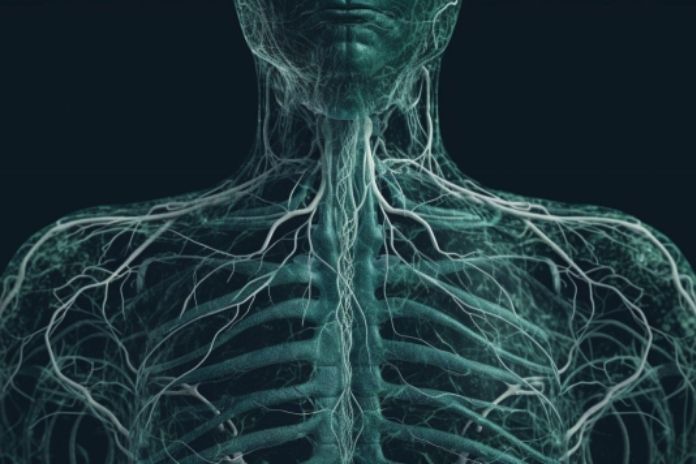
Doctors use the medical term lymphadenopathy to describe enlarged or swollen lymph nodes. Lymph nodes are small immune checkpoints. They are not random lumps. They are part of the lymphatic system, a network running parallel to blood vessels. Inside each node, there are immune cells, mainly lymphocytes, constantly scanning for infection or abnormal cells.
As Dr. Stanley G. Rockson, a cardiologist, says, “Lymph nodes represent the main factory for the immune system—that’s where all of the activity occurs that relates to the generation of antibodies and the mobilization of cells to fight off infection.”
When your body detects something unusual (a virus, bacteria, or inflammation), nearby lymph nodes increase activity. More immune cells gather. Fluid accumulates. Node enlarges.
“If you get a simple cold or more serious infection such as pneumonia–or even if you get something very basic like poison ivy or dental infection–then your lymph nodes work to protect your body,” Dr. Vipra Sharma, an oncologist, says.
So swelling is not the disease itself. It is an immune system response. This is an important psychological shift: a swollen lymph node often means your immune system is active, not failing.
Common areas where you can feel them:
- Neck (cervical)
- Under jaw
- Armpit (axillary)
- Groin (inguinal)
Normally, they are small, soft, and not noticeable. When enlarged, they become palpable.
When It’s Just an Infection (Common Causes of Swollen Lymph Nodes)

Most swollen lymph nodes are reactive, meaning they enlarge as part of a normal immune response. That means they are responding to something local and temporary.
1. Localized Infections
The most common cause of swollen lymph nodes is a localized infection in nearby tissues. If a node in the neck is enlarged, usually the trigger is somewhere in the head or throat.
Examples:
- Dental infection
- Gum inflammation
- Throat irritation
- Mild viral infection
- Scalp infection
Sometimes the infection is so mild that you don’t feel sick at all. The body handles it silently. But the lymph node still reacts.
Nodes due to infection are usually:
- Soft or slightly firm
- Tender when pressed
- Movable under the skin
- Gradually reduce in size
A painful node is often a reassuring sign. Pain usually means inflammation, not cancer.
2. After a Recent Illness
Even after a fever or cold has resolved, nodes can remain enlarged for 2–3 weeks. The immune system does not shut down immediately. There is residual activity.
Many people make the mistake of pressing and checking repeatedly. This can cause irritation and sometimes prolong the node’s inflammation.
If the size is slowly reducing, even if not fully gone, it is generally benign.
3. Following Vaccination
Swollen lymph nodes after vaccination deliberately stimulate the immune system. That is its purpose. It is common to get:
- Swollen node in the armpit after arm injection
- Mild neck node swelling after certain vaccines
This can persist for a few weeks.
There is good data from recent vaccination campaigns that temporary lymph node enlargement was misinterpreted as pathology on imaging studies. Later, it resolved spontaneously.
If swelling appears within a few days after vaccination on the same side of the injection, it is usually an expected response.
When to Worry About Swollen Lymph Nodes: Red Flags Signs

Most lymph node swellings are harmless. But some features require evaluation.
1. Lymph Node Swelling Duration: Persistent Beyond 2–4 Weeks
If a node does not reduce in size after 3–4 weeks or continues growing, it needs assessment. Short duration is usually reactive. Long, persistent swelling without improvement needs medical review. But even here, context matters. Some benign nodes remain slightly enlarged for months.
2. Texture and Movement
Concerning features include:
- Hard, stone-like consistency
- Fixed to the underlying tissue
- Irregular surface
- Not movable
Cancerous nodes often feel firm and non-tender. But this is not an absolute rule. That is why a doctor’s examination is important. Doctors often compare hard lymph nodes vs soft lymph nodes during examination because softer, movable nodes are usually reactive, while harder nodes may require further evaluation.
Another important distinction is tender vs fixed lymph nodes. Tender nodes usually indicate inflammation, while fixed nodes attached to underlying tissue may need further assessment.
3. Location Matters
Certain locations need more attention:
- Supraclavicular nodes (above the collarbone)
- Deep abdominal nodes (detected on scan)
Supraclavicular swelling, especially on the left side, has a stronger association with internal malignancy. This does not mean every such node is cancer. But it requires prompt evaluation.
Neck nodes are most commonly reactive. Groin nodes also commonly react due to minor skin infections.
4. Accompanying Symptoms
Red flag systemic symptoms:
- Unexplained weight loss
- Persistent night sweats
- Prolonged fever
- Severe fatigue
- Itching without rash
Doctors often distinguish lymphoma vs infection symptoms by examining lymph node texture, duration of swelling, and associated systemic signs. These symptoms, together with enlarged nodes, need investigation for conditions like lymphoma or chronic infections. But an isolated node without systemic symptoms is much less alarming.
5. Rapid Growth or Pain Without Obvious Cause
Very rapid enlargement, especially if not tender, needs medical review. Also, persistent pain without signs of infection may require evaluation.
Pain alone is not dangerous. But an unexplained persistent change is a signal to check.
What Else Could It Be?
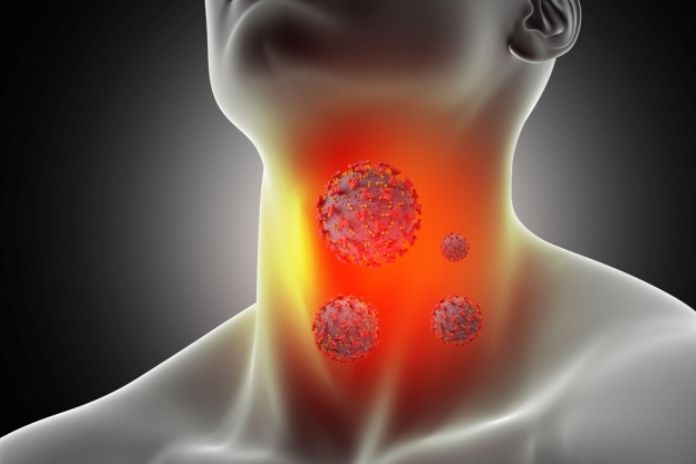
Not every lump is a lymph node. Other possibilities include:
- Lipoma (fatty lump)
- Sebaceous cyst
- Salivary gland enlargement
- Thyroid nodule (in neck)
- Hernia (in groin)
Sometimes people assume a lymph node, but it is a different structure. There are also non-cancer medical causes of enlarged lymph nodes:
- Autoimmune conditions (lupus, rheumatoid arthritis)
- Tuberculosis
- Chronic viral infections
- Certain medications
There is one more important point: the size threshold used in textbooks (like a 1 cm rule) is not perfect. Some healthy people naturally have slightly larger nodes. Research shows variability between individuals and ethnic groups, but large population-based studies are limited.
This is one research gap: we lack robust normative data on size across age groups in the general population.
Read More: Glymphatic Drainage – The Nighttime Brain Detox You Didn’t Know About
How Doctors Evaluate Swollen Lymph Nodes
Evaluation by a healthcare professional usually follows the following sequence.
- Detailed history
- Duration
- Recent infections
- Travel history
- Weight changes
- Medication use
- Physical examination
- Size
- Consistency
- Mobility
- Multiple vs single node
- Basic blood tests (if needed)
- Complete blood count
- Inflammatory markers
- Imaging
- Ultrasound is a common first step
- CT scan in selected cases
- Biopsy
- Only if suspicion persists
Important fact: most enlarged nodes never require biopsy. Doctors also look for patterns, generalized lymphadenopathy (multiple areas) vs localized.
Generalized enlargement suggests a systemic cause. Localized often suggests local infection.
Read More: Is It Cancer or Just a Cold? The 5-Point ‘Feel Test’ for Swollen Neck Lymph Nodes
Practical Self-Care While You Wait

If there are no red flags, you can observe safely for a few weeks. What you should do:
- Do not press repeatedly
- Avoid self-medicating with antibiotics without a prescription
- Maintain good hydration
- Eat balanced meals
- Monitor size weekly, not hourly
A warm compress may reduce tenderness in reactive nodes. Do not start multiple herbal supplements claiming “lymph cleanse.” There is no proven detox protocol for the lymphatic system.
Gentle physical activity naturally improves lymph circulation. Lymph moves with muscle movement.
Anxiety itself can amplify the perception of a lump. Sometimes people keep checking so frequently that minor swelling becomes major mental stress.
Read More: Lymph Nodes Can Detect Recurrence Of Esophageal Cancer, New Study Suggests
Final Thoughts
A swollen lymph node is a signal. Not a verdict. The body does not enlarge nodes without reason. But the reason is most often minor and self-limited.
The mistake people make is either ignoring for months despite red flags or panicking within 24 hours of noticing a small lump. A balanced approach is needed.
Medicine is about probability. Statistically, most isolated swollen lymph nodes in otherwise healthy adults are benign. But persistence, progression, and systemic symptoms change the equation.
Observation with awareness is wiser than panic with an internet search.
- Most swollen lymph nodes represent an active immune response, not immune failure.
- Duration and progression matter more than initial size alone.
- There is limited large-scale population data defining “normal” lymph node size variation, which creates diagnostic grey zones.
- Painful, soft, mobile nodes are statistically more likely to be reactive rather than malignant.
- Biopsy is not the first step in most cases; structured clinical evaluation prevents unnecessary procedures.
References
- Bshesh, K., Khan, W., Vattoth, A. L., Janjua, E., Nauman, A., Almasri, M., Ali, A. M., Ramadorai, V., Mushannen, B., Subaie, M. A., Mohammed, I., Hammoud, M., Paul, P., Alkaabi, H., Haji, A., Laws, S., & Zakaria, D. (2022). Lymphadenopathy post‐COVID‐19 vaccination with increased FDG uptake may be falsely attributed to oncological disorders: A systematic review. Journal of Medical Virology, 94(5), 1833–1845.
- Cleveland Clinic. (2022, May 17). Swollen Lymph Nodes (Lymphadenopathy/Adenopathy): Symptoms & Causes. Cleveland Clinic.
- Grimm, L. J., Viradia, N. K., & Johnson, K. S. (2017). Normal Axillary Lymph Node Variability Between White and Black Women on Breast MRI. Academic Radiology, 25(3), 305–308.
In this Article