




















Allergic rhinitis, another name for hay fever, may make pleasant seasons a never-ending battle marked by sneezing, itchy eyes, nasal congestion, exhaustion, and restless nights. To avoid the negative effects of medication, many people choose natural remedies for hay fever; however, not all treatments are equally successful.
This article will examine the best natural remedies for seasonal allergies, dissect effective hay fever remedies, and distinguish between popular myths and evidence-based treatments. Additionally, you will learn about the importance of herbal remedies for hay fever, when medical therapy may still be required, along with natural antihistamines for hay fever.
- Limit pollen exposure and use saline nasal rinses for fast symptom relief
- Some remedies, like vitamin C and butterbur, show promise but need consistency
- Combine natural methods with medication if symptoms are moderate to severe
Read More: Hay Fever vs. Common Cold: How to Tell the Difference
What Hay Fever Is and Why Symptoms Happen
Many of us look forward to longer days, blooming flowers, and warmer temperatures as spring draws near. But for millions of people, seasonal allergic rhinitis, usually known as hay fever, also begins in the spring. If you’re one of them, you know how annoying symptoms such as itchy eyes, runny noses, and sneezing can be.
An allergic reaction to airborne allergens, such as pollen, causes hay fever. The immune system misidentifies these allergens as dangerous when they enter the body and releases chemicals that cause allergy symptoms. Typical offenders consist of:
Tree Pollen: Allergies due to tree pollen are most common in the early spring.
Grass Pollen: Late spring and early summer are when grass pollen is most prevalent.
Weed Pollen: Later in the season, usually in late summer and early autumn, weeds such as ragweed release pollen.
The weather significantly influences pollen levels. Rainy weather tends to remove pollen from the air, whereas dry, windy days can spread it more rapidly.
Natural Remedies With the Best Evidence
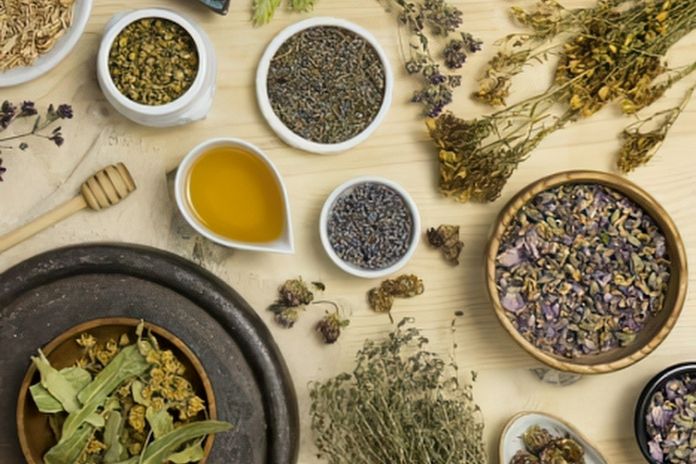
Since natural home remedies for hay fever are less expensive and offer additional health benefits, they can be a helpful supplement to antihistamines. However, you must speak with your healthcare physician before attempting any new natural therapies.
Benefits of Honey and Bee Pollen: Nectar, flower pollen, bee secretions, wax, and enzymes are all naturally present in bee pollen. People frequently use it to treat various ailments, including hay fever and other seasonal allergies. Consuming bee pollen may lessen hay fever symptoms and strengthen your resistance to allergens.
Some people think that consuming local honey to treat hay fever means consuming local pollen, which is comparable to receiving an allergy shot. Although bee pollen is typically well tolerated, it is impossible to rule out the presence of allergenic pollens and compounds.
Manuka honey’s anti-inflammatory qualities make it particularly useful for hay fever.
Vitamins for Hay Fever: There is proof that vitamin C helps with allergies. Ascorbic acid, another name for this vitamin, is a naturally occurring antioxidant and antihistamine. It may help lower the body’s histamine production.
Histamine levels were lowered in groups of 100 or fewer individuals when vitamin C was administered intravenously or via nasal spray, according to several small US trials. Hay fever symptoms, such as sneezing and a runny nose, decreased.
The evidence suggests that vitamin C may be a useful treatment for hay fever, but further research is needed.
Supplements and Herbal Remedies: What Science Actually Says
Herbal medicines may offer a different approach to treating allergic rhinitis. These natural remedies can both prevent and lessen allergy reactions when used appropriately. Additionally, they might improve your general health by strengthening the body’s tissues and organs.
Butterbur: North American, European, and Asian marshes are home to the butterbur shrub. People have long used it to treat fevers, headaches, discomfort, and digestive disorders. More recently, they have also used it to treat hay fever, migraines, and urinary tract infections.
Additionally, butterbur has been the subject of research with encouraging outcomes. According to one such study, this plant functions similarly to the pharmaceutical allergy drug Zyrtex. Manufacturers use extracts from the root, rhizome, or leaves in butterbur products.
Ginger: A very powerful and safe herb. Aside from its culinary applications, it is highly beneficial for your overall health because it enhances circulation and calms the digestive system. Ginger is a powerful antiviral, immune-boosting, and natural antihistamine. For headaches and nasal congestion, try some ginger tea. Breathe in the steam rising from your cup while you sip your tea.
Sea Buckthorn: People can easily identify this plant by its bright orange ovoid fruit and prickly, grey twigs. It grows into a shrub or small tree, and it contains over 190 minerals and phytonutrients. A variety of organic acids, tannins, quercetin, provitamin A, vitamin E, a significant amount of vitamin C, and B complex vitamins are all present in this incredibly nutrient-dense fruit.
Superoxide dismutase (SOD), an enzyme essential for respiratory health, is also abundant in it. People with asthma, allergic rhinitis, persistent coughs, and other respiratory conditions can benefit greatly from sea buckthorn.
Vitamin C: Vitamin C has inherent anti-inflammatory and anti-histamine qualities. Studies have demonstrated that taking 2000 mg of supplements over two weeks lowers blood histamine levels by 30–40%, thereby reducing hay fever symptoms.
Quercetin: Naturally present in food such as onions, apples, and different berries, quercetin is a potent antioxidant. Studies have demonstrated that it prevents the production and release of inflammatory mediators like histamine. According to a recent study, quercetin relieved nasal symptoms more effectively than antihistamine drugs, with no adverse side effects.
Read More: Can Hay Fever Make You Dizzy? Surprising Symptoms of Seasonal Allergies
Popular Remedies With Weak or Unclear Evidence
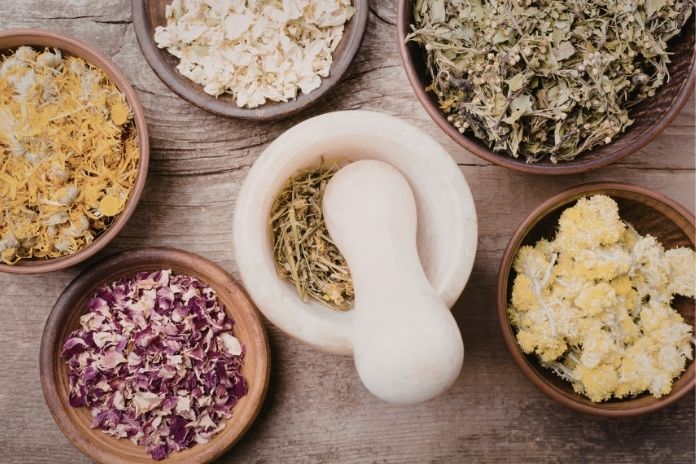
Essential Oils: Although there is no proof, certain essential oils are marketed as herbal remedies for hay fever. Allergic reactions and airway inflammation are risks. They should be taken with caution, particularly by those who have asthma.
Apple Cider Vinegar: The majority of viral treatments lack scientific support, despite claims to treat allergies. Acid reflux and throat irritation are possible side effects of apple cider vinegar. These are not considered reliable hay fever remedies.
Best Lifestyle Strategies to Reduce Hay Fever Naturally

Beyond supplements, basic lifestyle adjustments that support immune health and reduce allergen exposure are essential for effective natural allergy management.
Nasal Irrigation: There is substantial evidence that saline nasal irrigation can help alleviate the symptoms of seasonal allergies. By physically eliminating allergens and lowering inflammation, this straightforward method offers instant benefits.
Nasal Irrigation Types:
- Saline solutions in Neti pots.
- Nasal sprays with saline.
- Irrigation kits that are ready to use.
- You can wash your nose with nasal saline douches.
Hydration and Mucus Management: Maintaining adequate hydration is essential for managing allergies naturally. Your body creates more histamines when you’re dehydrated, which can exacerbate allergy symptoms.
Advantages of Hydration:
- It helps thin mucus, allowing the body to clear it more easily.
- Promotes optimal immune system performance.
- Lowers the synthesis of histamine.
- Enhances respiratory comfort in general.
Stress Management: Stress can exacerbate allergy reactions and significantly affect immune system function. Stress management is a crucial part of natural allergy therapy because elevated stress levels can trigger allergic reactions.
Strategies for Reducing Stress:
- Regular mindfulness exercises and meditation.
- Tai chi, yoga, or walking are examples of gentle exercise.
- Gradual muscular relaxation and deep breathing techniques.
- Sufficient sleep and regular sleep schedules.
- Strategies for sharing stress and social support.
Natural Remedies vs Medication: When Each Makes Sense
Natural Remedies
For many people with mild to moderate allergies, it’s just a matter of giving it a shot, even if there may not be as much evidence on the efficacy of natural remedies for allergies as there is on medicinal solutions.
Because of the milder impact and less likelihood of adverse effects, you could prefer a non-pharmacological alternative to allergy treatment. Oral antihistamines can cause headaches, dry mouth or nose, dizziness, and drowsiness (especially with older generation drugs), among other documented side effects. Rhinitis medicamentosa is a pharmaceutical dependency that can arise from excessive use of nasal decongestant sprays.
Some people may find the idea of managing allergies holistically appealing. Many natural therapies aim to eliminate or reduce the underlying triggers of allergies rather than merely suppress their symptoms.
Medications
When it comes to treating allergies, natural therapies undoubtedly have certain advantages over prescription drugs. For the reasons mentioned above, natural medicines undoubtedly have certain advantages over pharmaceutical treatments for allergies. These non-pharmacological methods may be sufficient for certain people to return to their itchy, congested, and sniffle-free selves, while natural remedies might not be sufficient for others.
The majority of medical practitioners who treat allergies will recommend a two-pronged approach to those annoying symptoms: anti-allergy drugs combined with natural therapies. Why not, after all, since taking a shower will lower your exposure to allergens?
The response to medical therapies for allergies can be more predictable because these drugs and their active ingredients have been thoroughly researched, appropriately formulated to target allergic diseases, and prescribed by doctors who are skilled in their use.
Read More: 12 Home Remedies For Hay Fever – Get Them Sneezes Out
Safety Concerns Before Trying Natural Remedies
Although many people use natural remedies for hay fever, it’s crucial to realize that “natural” does not always imply total safety. Blood thinners, sedatives, and pharmaceuticals for long-term ailments like diabetes or high blood pressure can all interact with certain herbal remedies for hay fever.
It is always advisable to speak with healthcare professional before beginning any supplement regimen, as these interactions may reduce the efficacy of medicine or increase the risk of side effects.
When to See a Doctor for Hay Fever

It’s time to see a doctor if over-the-counter treatments aren’t helping or if your symptoms are interfering with your everyday activities. In addition to conducting testing to pinpoint certain triggers, an allergist may suggest prescription drugs, allergy injections, or other therapies to help you better control your symptoms.
Conclusion
Managing seasonal allergies doesn’t have to rely solely on medication, but not all natural remedies for hay fever offer the same level of relief. Simple, doable strategies such as limiting pollen exposure, keeping indoor air clean, and successfully relieving symptoms with saline nasal rinses are supported by science.
Although some people may benefit from various supplements and plant-based options, their effects are often inconsistent and should be used cautiously.
You can achieve the best balanced approach by understanding your triggers and combining proven natural remedies with medical treatments when needed.
Read More: Chills Without a Fever: Common Causes, What They Mean, and When to See a Doctor
FAQs
What Is the Most Effective Natural Remedy?
Reducing pollen exposure, controlling indoor air quality, and using a saline rinse are the most natural remedies for hay fever.
Can Hay Fever Go Away Naturally?
Pollen allergy often persists, but symptoms may eventually improve.
How Fast Do Natural Remedies Work?
While supplements can take weeks to show results, natural remedies for hay fever may offer immediate relief from exposure reduction.
In this Article