












Having a glass of milk or a cup of yogurt has always been a staple of our daily diet, right? How often do you think that this dairy consumption might harm your gut?
While dairy does offer essential nutrients like calcium, protein, and probiotics, recent studies express some concerns.
In the media, we see divided opinions about the benefits of dairy, as many people find it to be more harmful than beneficial. The concerning aspects of consuming excessive dairy include possible risks of inflammation, lactose intolerance symptoms, or digestive discomfort. Others argue that fermented dairy products benefit the gut microbiome.
To understand if dairy is harmful or not, we must delve into the science behind it. In this article, let’s dig deeper and ascertain how dairy affects digestion, inflammation, and overall gut health.
Read More: 9 Benefits Of Cold Milk – That you were not aware of!
How Dairy Affects Digestion
Let’s understand how dairy affects digestion in detail.
Lactose and Lactase: The Root of Digestive Issues
Lactose, a natural sugar present in milk, needs lactase, an enzyme, to digest it. While infants have sufficient lactase, many adults see a decline in its production, causing lactose intolerance. This condition is common, affecting around 65% of the global population.
When there is not enough lactase, the undigested lactose ferments in the gut and leads to flatulence, bloating, and diarrhea.
However, some individuals tolerate dairy well due to genetic factors, which allow them to maintain lactase production through adulthood. For example, North Europeans retain lactase, while East Asians, Africans, and other individuals have a higher rate of lactose intolerance.
Lactose Intolerance vs. Dairy Allergy

Lactose intolerance is not the same as a dairy allergy. A milk allergy is an immune response to milk proteins that include casein and whey, unlike lactose intolerance, which is an inability to digest lactose that simply causes digestive discomfort.
Dairy allergy symptoms can be severe and progress to having hives, swelling, and even anaphylaxis. Understanding this distinction is important when ascertaining whether dairy is problematic for an individual.
Read More: 11 Side Effects of Consuming Too Much Milk
The Link Between Dairy and Gut Health
Does Dairy Support or Harm the Gut Microbiome?
Your gut microbiome is the diverse community of bacteria in your digestive tract. It plays an important role in digestion and maintaining overall health.
Some studies have found that dairy has both positive and negative effects on gut bacteria, depending on the type of dairy consumed.
- Fermented dairy products such as yogurt, aged cheese, or kefir help gut balance by promoting a healthy gut microbiome. These fermented dairy products support good gut bacteria such as lactobacillus and Bifidobacterium. and encourage their growth.
- Non-fermented dairy products, such as milk, butter, and cream, do not contain the probiotics needed for gut health and, hence, contribute to gut imbalances in individuals with dairy sensitivities.
Read More: 12 Coconut Milk Benefits For Overall Health, Skin And Hair
Does Dairy Cause Inflammation?
The connection between dairy and inflammation is complex. While some research suggests that dairy consumption does not directly cause inflammation in healthy individuals, others indicate that certain dairy proteins (like A1 beta-casein) may trigger inflammatory responses in some people.
For example, a study published in Discover Magazine highlighted that some individuals experience digestive distress and inflammation after consuming regular cow’s milk but report fewer symptoms with A2 milk, which contains an alternative form of casein protein. However, the evidence remains mixed, and more research is needed.
Who Should Avoid Dairy?

Certain people must avoid or limit dairy, as they might experience negative effects after consuming it. Consider limiting or avoiding dairy if you:
- Have bloating, gas, or diarrhea often after consuming dairy.
- Are diagnosed with milk allergy or lactose intolerance.
- Suffer from IBS (Irritable Bowel Syndrome), leaky gut, or SIBO (Small Intestinal Bacterial Overgrowth), as dairy can make the symptoms worse.
- Start noticing skin issues (eczema, acne) or joint pain, which could indicate dairy-induced inflammation.
Read More: SIBO vs. IBS: Understanding the Differences and How to Manage Them
Can Dairy Be Good for Your Gut?
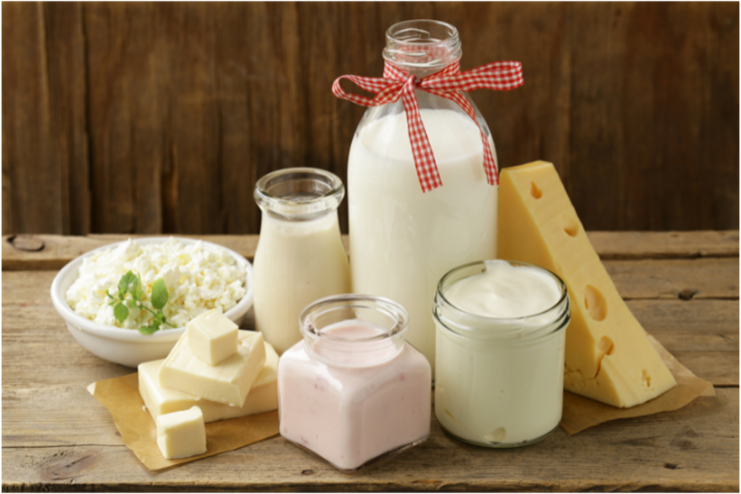
Dairy might harm certain people in particular situations. However, not all dairy is bad for the gut. As mentioned earlier, some dairy products contain probiotics and other beneficial compounds that truly benefit your gut:
- Yogurt & Kefir: Including yogurt and kefir for your dairy requirements is an excellent choice as they are rich in probiotics and support a balanced gut microbiome.
- Aged Cheeses: Aged cheeses, such as Gouda and Parmesan, are advisable, as they contain beneficial bacteria.
- A2 Milk: If having milk is a non-negotiable for you, consider A2 milk. This is easier to digest for those sensitive to A1 beta-casein.
If you tolerate dairy well, choose high-quality, organic, grass-fed dairy. This may further improve its benefits by reducing exposure to hormones and antibiotics often found in conventional dairy.
Read More: 9 Ways To Heal Leaky Gut – Fix Part Of Your Digestive System
Dairy Alternatives: Are They Healthier?
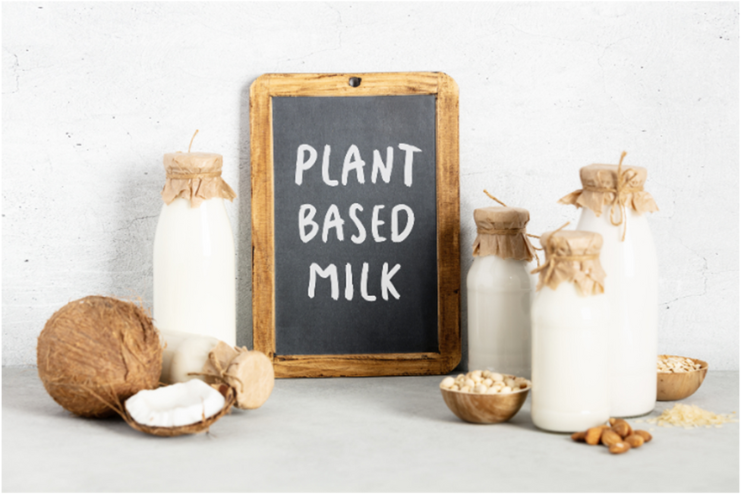
With veganism gaining popularity, many people switch to plant-based milk alternatives like almond, soy, oat, and coconut milk. These options might well avoid lactose-related issues but differ in nutritional benefits:
- Almond & Oat Milk: These options are low in protein but often fortified with calcium.
- Soy Milk: This one comes closest in protein content to cow’s milk and contains phytoestrogens.
- Coconut Milk: Coconut milk is high in healthy fats but lacks protein content.
Dairy alternatives are a good option only if you can’t tolerate dairy well. These options lack essential nutrients but work well for people with sensitivities. Non-dairy milk also lacks the natural probiotics found in fermented dairy. If gut health is your priority, choose plant-based yogurts containing live active cultures.
Read More: 15 Surprising Benefits of Almond Milk You Need to Know
Final Thoughts: Should You Cut Out Dairy for Gut Health?

All in all, there is no one-size-fits-all answer to whether dairy is bad for gut health. While some individuals thrive on dairy, others experience digestive distress even after consuming a small amount.
Here are our key takeaways from what we learned about dairy overall:
- If you tolerate dairy well, go all out and explore all the fermented options like yogurt and kefir that can benefit your gut health.
- If you have digestive issues, try fermented dairy and switch to lactose-free or A2 dairy products. You can also explore plant-based alternatives.
- Listen to your body and track your symptoms to determine what works best for you.
Ultimately, your gut and sensitivities determine whether you should opt for dairy or not. If you suspect dairy is causing discomfort, experiment with alternatives after consulting a healthcare provider for guidance.
Trust your ‘gut.’ Listen to what it says, and do what nourishes you. Dairy or not, good gut health starts from making mindful choices!
References
- https://www.ncbi.nlm.nih.gov/books/NBK532285/
- https://www.dw.com/en/are-plant-based-milks-better-for-the-environment-and-our-health-than-dairy/a-70199688
- https://www.pcrm.org/good-nutrition/nutrition-information/health-concerns-about-dairy
- https://pmc.ncbi.nlm.nih.gov/articles/PMC9003261/
- https://pmc.ncbi.nlm.nih.gov/articles/PMC7400927/
- https://pmc.ncbi.nlm.nih.gov/articles/PMC9003261/
In this Article