












Bad breath, or halitosis, is a common concern that’s often chalked up to poor oral hygiene. Most of us respond with more brushing, mouthwash, or breath mints, but what if the real cause isn’t in your mouth at all? What many people don’t realize is that persistent bad breath can be a window into your gut health. The digestive system and the mouth are more connected than we tend to think.
Through what scientists now call the gut-oral axis, imbalances in your gut microbiome, like bacterial overgrowth, slow digestion, or leaky gut, can directly impact your breath. The reason? When your digestive system isn’t functioning optimally, it can lead to the buildup of certain gases or toxins. These volatile compounds don’t just stay trapped in your gut, they’re often released through your lungs or your saliva, showing up as foul or unusual breath odors.
This article breaks down how your breath can act as an early warning sign for gut-related issues. We’ll explore how the gut and oral microbes interact, what specific breath smells might reveal about your internal health, and how common digestive problems, like SIBO, dysbiosis, or acid reflux, can show up as halitosis. Most importantly, we’ll offer actionable ways to support your gut health so you can enjoy fresh breath and improved wellness from the inside out.
Because when your gut is in balance, chances are, your breath will be, too.
The Gut-Oral Axis: How Your Digestive Health Affects Your Breath

The human body hosts trillions of microorganisms, including the gut microbiome in your digestive tract and the oral microbiome in your mouth. While these microbial communities are distinct, they interact closely and influence each other’s balance.
Gut dysbiosis, an imbalance in gut bacteria, can lead to systemic inflammation and the production of volatile compounds that affect your breath. Poor digestion and impaired detoxification pathways contribute to the buildup of foul-smelling gases, which can travel from your gut, through your bloodstream, and eventually manifest as bad breath.
In her discussions, Dr. Amy Myers highlights that SIBO is often underdiagnosed and can be a root cause of digestive discomfort and related symptoms. She notes that factors such as stress, medication, and existing gut conditions can increase the risk of developing SIBO. Addressing SIBO typically involves a combination of dietary changes, targeted supplements, and sometimes antimicrobial treatments to restore balance to the gut microbiome.
Microbial fermentation in the gut produces gases like hydrogen sulfide and methane, notorious for their foul odors. Additionally, digestive inefficiencies, such as slow transit time or low stomach acid, allow for bacterial overgrowth, increasing the production of these compounds.
Read More: 10 Signs Your Gut Health Needs Attention (And How to Fix It)
What Different Breath Smells Might Tell You About Your Gut

Your breath carries important clues about what’s happening inside your digestive system. Different odors can reveal specific gut imbalances or health issues that may otherwise go unnoticed. Understanding these subtle signals can help you identify when your gut needs attention. Rather than ignoring or masking bad breath, learning what it truly means empowers you to take action.
Let’s explore what various breath smells might indicate about your gut health.
Sulfur or Rotten Egg Smell
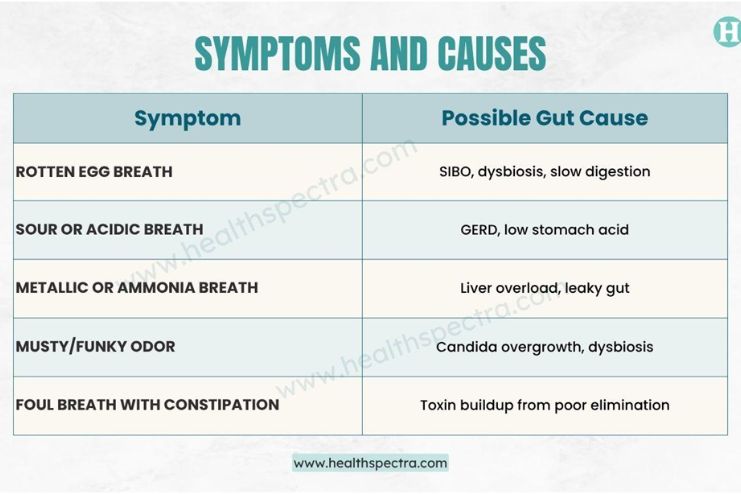
A sulfur or rotten egg smell is one of the most recognizable bad breath odors and often points to poor protein digestion or Small Intestinal Bacterial Overgrowth (SIBO). In SIBO, excess bacteria ferment proteins and carbohydrates in the small intestine, producing hydrogen sulfide gas.
Dr. Mark Pimentel, a leading expert in SIBO, has extensively researched and discussed the connection between gut health and breath odor. He has noted that conditions like SIBO can lead to the production of sulfur-containing gases, which are expelled through the lungs, resulting in persistent bad breath despite good oral hygiene.
The culprit bacteria are hydrogen sulfide producers, and when their populations surge, your breath smells like rotten eggs or sulfur.
Sweet, Fruity, or Nail Polish Smell
Though rarer, a sweet or fruity breath odor can signal ketoacidosis, a dangerous complication in uncontrolled diabetes or a strict ketogenic diet. This odor results from elevated ketone bodies in the blood, particularly acetone.
Ammonia or Urine-Like Smell
Ammonia breath, resembling urine or cleaning products, may indicate impaired liver function or excessive protein breakdown. The gut-liver axis plays a crucial role here, when the liver is overwhelmed or detox pathways are sluggish, nitrogenous wastes accumulate.
A 2015 review in Liver International discussed how liver dysfunction leads to the accumulation of ammonia and nitrogen compounds, which can significantly alter breath odor. This review highlighted the importance of evaluating decompensated cirrhosis through a network physiological approach, emphasizing the limitations of current prognostic models and the value of network physiology techniques in cirrhosis.
If your breath smells like ammonia, it’s worth investigating liver health and protein intake.
Acidic or Sour Breath
A common culprit is acid reflux or GERD (Gastroesophageal Reflux Disease), where stomach acid flows back into the esophagus and mouth, creating a sour or acidic odor. The refluxed acid irritates the mucosal lining and alters the oral microbiome.
Musty or “Funky” Breath
A musty or funky breath smell can be linked to candida overgrowth or general dysbiosis in the gut, as well as sluggish detox pathways. Candida produces volatile organic compounds (VOCs) with a characteristic musty scent.
Common Gut Issues That May Show Up in Your Breath
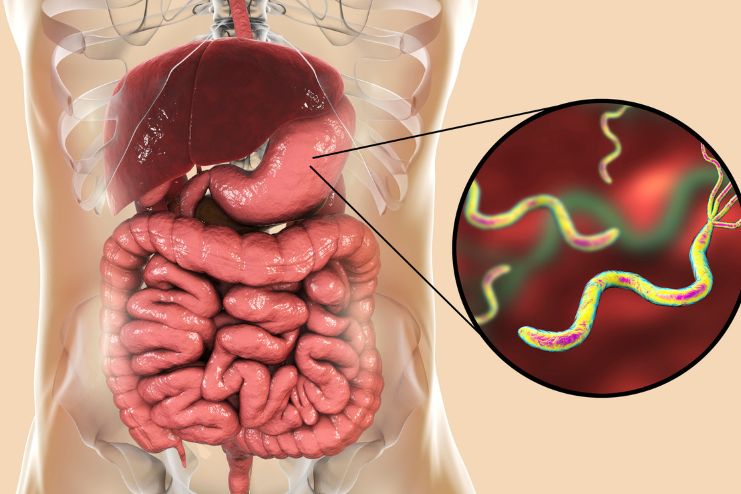
If your breath remains unpleasant despite impeccable brushing, flossing, and mouthwash habits, the source might lie far deeper, in your digestive system. Several underlying gut health issues are known to influence the compounds exhaled through your lungs, creating a persistent or unusual breath odor. Below, we explore the most common culprits.
1. Small Intestinal Bacterial Overgrowth (SIBO)
SIBO occurs when excessive bacteria populate the small intestine, an area that normally houses relatively few microbes. These bacteria ferment undigested carbohydrates and proteins, producing hydrogen, methane, and hydrogen sulfide gases, which are then absorbed into the bloodstream and released via your breath.
2. Dysbiosis (Microbial Imbalance)
A healthy gut maintains a balance between beneficial and opportunistic bacteria. When this balance is disrupted, due to poor diet, antibiotics, stress, or illness, it can lead to dysbiosis, which fuels the overproduction of volatile sulfur compounds and ammonia.
This not only impacts breath odor but may also manifest in symptoms like bloating, fatigue, or poor immunity.
Dr. Megan Rossi is a well-known registered dietitian and gut health expert, author of The Gut Health Doctor, and founder of The Gut Health Clinic. She often discusses the link between gut microbiota and systemic health, including how gut imbalance can influence breath odor and inflammation.
3. Leaky Gut Syndrome (Increased Intestinal Permeability)
Leaky gut is a condition where the intestinal lining becomes too permeable, allowing toxins, food particles, and bacteria to leak into the bloodstream. These circulating toxins can burden the liver and may contribute to body odor and bad breath.
A 2021 review in Frontiers in Nutrition discusses how impaired intestinal barrier function (often referred to as “leaky gut”) can lead to the translocation of antigens and bacteria into the bloodstream, triggering systemic inflammation. This inflammation can affect various organs, including the liver, which plays a crucial role in detoxification processes.
Read More: Can You Heal a Leaky Gut Naturally? Science-Backed Solutions for Better Gut Health
4. Slow Digestion or Low Stomach Acid (Hypochlorhydria)
Low stomach acid reduces your ability to properly break down food, especially proteins. This leads to delayed gastric emptying and fermentation of food in the stomach and upper intestine, fueling gas production and bacterial growth. As these gases build up, they’re absorbed into circulation and may be exhaled as foul-smelling breath, often described as sour, rancid, or metallic.
In his book Why Stomach Acid Is Good for You, Dr. Jonathan Wright discusses how low stomach acid (hypochlorhydria) can lead to digestive issues, including bad breath. He explains that insufficient stomach acid can cause food to ferment in the stomach, producing gases that may contribute to halitosis.
Hypochlorhydria is common in older adults and those with chronic stress or long-term use of acid-blocking medications (like PPIs), making this an overlooked cause of breath odor.
5. Constipation and Toxin Buildup
If you’re not eliminating waste daily, toxins and waste products linger in the colon, ferment, and re-enter the bloodstream through a process known as autointoxication. These toxins can be released through breath, skin, and sweat.
 In summary, if bad breath persists despite meticulous oral care, it’s a sign worth investigating, not just masking. Issues like SIBO, leaky gut, and constipation don’t just affect digestion; they send out red flags through your breath. By addressing the gut imbalances at the root, you can often resolve chronic halitosis naturally and improve your overall well-being in the process.
Other Clues: Is It the Gut or Just Oral Hygiene?
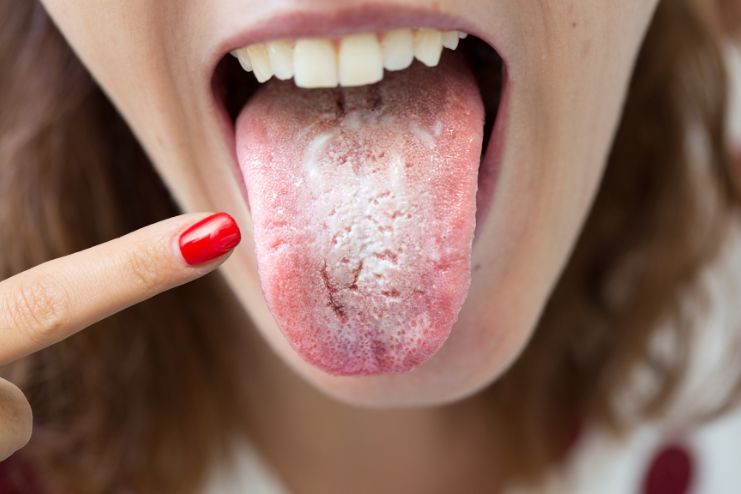
Bad breath, or halitosis, is often assumed to be an oral hygiene issue, and quite often, it is. But not always.
To determine whether your breath odor is originating from your mouth or your gut, it helps to understand the differences between oral and systemic halitosis. While both types can result in unpleasant smells, their underlying causes, symptoms, and persistence levels differ, and so does the way you should address them.
When Bad Breath Starts in the Mouth
Oral-origin halitosis usually stems from bacteria accumulating in the mouth, particularly on the tongue, between the teeth, or around gum pockets. These bacteria break down proteins and produce volatile sulfur compounds (VSCs), like hydrogen sulfide and methyl mercaptan, that smell unpleasant.
Common oral causes include:
- Poor brushing or flossing habits.
- Tongue coating (especially at the back of the tongue).
- Dry mouth (xerostomia), often caused by dehydration, medications, or mouth breathing.
- Cavities, gum disease, or infected dental work.
- Smoking or tobacco use.
If your bad breath improves immediately after brushing, flossing, tongue scraping, or using a mouthwash, but returns within a few hours, it’s likely due to oral hygiene-related factors.
When It’s Not Just Your Mouth: Signs of a Systemic or Gut Cause
When someone has persistent bad breath despite impeccable dental hygiene, the problem often lies deeper, potentially in the gut, liver, or even metabolic system.
You might suspect a gut-related issue if:
- Your dentist finds no signs of decay, plaque, or gum disease.
- You practice daily brushing, flossing, tongue cleaning, and hydration, but still notice foul breath.
- Your breath odor is sour, metallic, musty, or ammonia-like.
- You also have digestive symptoms like bloating, constipation, heartburn, or fatigue.
- Your odor seems strongest in the morning, even after brushing before bed.
- Probiotic supplements or digestive enzymes improve your breath over time.
This systemic breath is not originating in the mouth, but is exhaled through the lungs after odor-causing compounds are released into the bloodstream, either from poor digestion, microbial fermentation, or toxin buildup.
How to Improve Breath by Supporting Gut Health

Your breath doesn’t just reflect what you ate, it echoes how well your gut is functioning. Addressing the root causes within your digestive system can lead to lasting relief from chronic bad breath.
From balancing gut bacteria to supporting detox, every small gut-friendly step matters. Many gut-related breath issues are reversible with targeted dietary and lifestyle changes.
Here’s how you can improve your breath by healing your gut from the inside out.
- Add probiotic-rich foods like yogurt and sauerkraut to restore gut balance.
- Feed your good bacteria with prebiotic fibers from garlic, onions, and bananas.
- Eat slowly and chew thoroughly to support digestive enzyme release.
- Avoid late-night meals and overeating to prevent fermentation in the gut.
- Stay well-hydrated to flush toxins and keep digestion smooth.
- Consider a short-term low FODMAP diet if dealing with SIBO symptoms.
- Support liver detox with greens, lemon water, and herbs like dandelion.
Read More: Gut Health and Diet: Foods that Promote a Healthy Digestive System
Final Thoughts
Bad breath isn’t just a cosmetic issue or a social embarrassment; it’s a message. While brushing, flossing, and mouthwash have their place, persistent halitosis may be your body’s way of asking for deeper support, starting with your gut.
Whether it’s sulfuric odors pointing to SIBO, sour breath linked to reflux, or musty tones hinting at microbial imbalance, your breath can offer powerful insight into your digestive and systemic health. And the good news? With the right steps, like balancing your microbiome, optimizing digestion, and addressing root causes, you can reverse the issue at its core, not just mask the smell.
So the next time your breath feels “off,” instead of popping a mint, consider pausing to ask: What is my body trying to tell me? Because fresh breath isn’t just about confidence, it’s a reflection of whole-body health. And it starts in the gut.
References
- https://www.dentalhealth.org/the-connection-between-gut-health-and-oral-health
- https://www.colgate.com/en-us/oral-health/bad-breath/bad-breath-from-stomach-what-it-means-and-how-to-deal
- https://pmc.ncbi.nlm.nih.gov/articles/PMC11351600
- https://www.healthline.com/health/types-of-bad-breath-smells
- https://www.listerine-me.com/bad-breath/bad-breath-from-stomach
- https://www.colgate.com/en-us/oral-health/bad-breath/bad-breath-from-stomach-what-it-means-and-how-to-deal
- https://centreforgastrointestinalhealth.com.au/resources/reasons-for-bad-breath-from-gut
- https://www.perioimplantadvisory.com/clinical-tips/article/14285416/bad-breath-is-it-coming-from-your-gut
- https://www.oral-b.co.in/en-in/oral-b-institute/bad-breath/bad-breath-from-stomach-cause-and-remedy
- https://www.webmd.com/a-to-z-guides/what-is-a-functional-medicine-doctor
- https://www.ifm.org/functional-medicine
- https://www.advancedwellnessandsports.com/what-can-i-expect—1st-functional-medicine-visit
In this Article