


















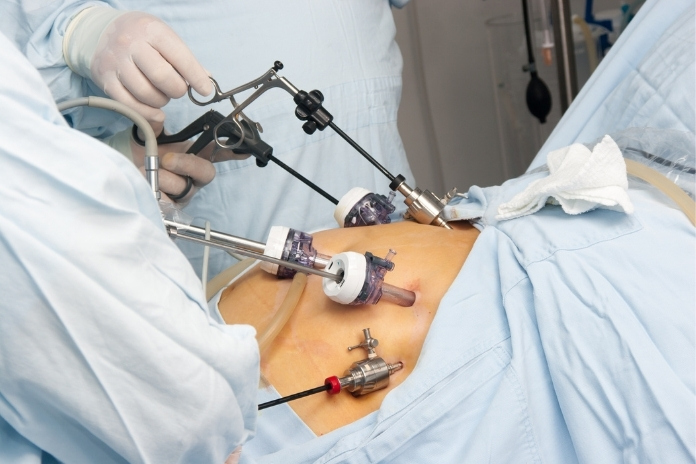
- Iron deficiency after gastric bypass is common. Procedures such as Roux-en-Y gastric bypass permanently reduce iron absorption by bypassing the duodenum and reducing stomach acid production.
- Standard iron supplements often aren’t enough. Since absorption is impaired, many patients need optimized iron forms, proper timing with vitamin C, and sometimes IV iron to restore levels.
- Lifelong monitoring is essential. Regular ferritin checks and early treatment are key to preventing severe anemia and long-term complications.
Iron deficiency anemia after gastric bypass surgery is one of the most common long-term nutritional complications across the world, and it affects individuals who have undergone bariatric surgery. In patients who have undergone Roux-en-Y gastric bypass surgery, the likelihood of anemia after gastric bypass surgery is significant, and it does not diminish over time.
In contrast to the post-surgical complications of gastric bypass surgery, which reduce over time, impaired iron absorption after gastric bypass surgery is a permanent physiological alteration in the body, and it affects a significant number of patients who have undergone the surgery.
In patients who undergo Roux-en-Y surgery, both stomach acid production and the part of the intestine responsible for absorbing iron are reduced. Because of this, the body cannot absorb iron from food and supplements as effectively. As a result, anemia can develop after bariatric surgery even when someone follows a healthy, balanced diet.
In this article, we will examine why iron deficiency is so common after gastric bypass and how permanent changes in iron absorption after gastric bypass increase the long-term risk of anemia. We will also discuss evidence-based strategies to restore and maintain healthy iron levels, including optimized supplementation, monitoring of ferritin levels, and when IV iron after gastric bypass becomes necessary.
Read More: Effective Obesity Management: 4 Proven Strategies for Lasting Weight Loss
Why Iron Deficiency Happens After Gastric Bypass

Iron metabolism is a tightly regulated process. In a healthy individual, most of the ingested iron is absorbed in the duodenum and the upper portion of the small intestine, i.e., the proximal portion of the jejunum.
Stomach acid converts ferric iron to ferrous iron, which can be absorbed by the body. However, iron absorption is impaired at multiple steps following Roux-en-Y gastric bypass.
The Bypassed Gut Dilemma
In the case of Roux-en-Y gastric bypass, the food bypasses the duodenum completely. This portion of the intestine is the most effective site for iron absorption. Therefore, duodenal bypass severely reduces the surface area for iron absorption. This, therefore, becomes the primary cause of poor iron absorption following gastric bypass surgery. In fact, consuming sufficient amounts of iron may not be sufficient for the body, as the availability of the ingested iron for absorption will not be sufficient.
The stores of iron decrease gradually. Ferritin levels decrease first. In some cases, the hemoglobin level may remain normal, leading to a delay in diagnosis. However, if the iron deficiency after gastric bypass is not treated, the condition will progress to anemia.
Reduced Gastric Acid and Iron Conversion
This smaller stomach pouch, however, does not produce nearly as much hydrochloric acid. This acid is necessary for the iron to change from the ferric form (Fe³⁺) into the ferrous form (Fe²⁺), which the body can use more readily.
Even if the amount of iron absorbed by the gut lining is limited, a lack of acid means the iron does not convert fully, meaning less iron is available for use by the body, even if the amount of iron absorbed by the lining of the intestines is limited.
Additionally, the patient is taking proton pump inhibitors, which further reduce the amount of hydrochloric acid produced by the stomach, worsening iron absorption.
Dietary Changes After Surgery
After undergoing weight loss surgery, the way the body processes food also changes. For example, people have found that they can no longer tolerate red meat well, and their intolerance to heme iron, the quick fullness, and the discomfort all lead them to consume smaller amounts of red meat.
Heme iron is much more easily absorbed by the body compared to the iron absorbed from non-heme vegetable sources. Therefore, if you reduce the amount of heme iron, the body has to use iron that is difficult to absorb.
This change in iron intake can lead to iron deficiency after gastric bypass, even if the patient has been eating a healthy diet.
Blood Loss and Increased Risk in Women
Premenopausal women, in particular, have an increased risk of anemia after bariatric surgery. This is because menstrual blood loss continues, even as the gut’s capacity to absorb iron decreases.
Additionally, if we consider reduced iron intake, decreased iron absorption after gastric bypass, and iron loss from the body, this helps explain why anemia after bypass surgery manifests in women. In addition, ulcers at the bypass sites and occult bleeding in the GI tract may worsen the condition. In this case, the balance between iron loss and iron absorption shifts further in favor of iron deficiency.
Read More: Iron-Rich Leafy Green Salad: Combat Anemia Deliciously
Recognizing the Signs of Post-Gastric Bypass Anemia

The signs of anemia after gastric bypass surgery develop gradually, and they can appear to result from stress or growing older. However, iron deficiency affects all organs because iron is critical to the transport of oxygen and the powering of cellular metabolism.
The signs of anemia after gastric bypass surgery include fatigue, decreased exercise capacity, shortness of breath after minimal exercise, dizziness, heart palpitations, and a fuzzy brain. In addition, thinning of the hair and brittle nails. This is because the iron deficiency affects the skin and hair. Another, but commonly overlooked, major sign of anemia after gastric bypass surgery is pagophagia, which is the excessive desire to consume ice.
Most importantly, anemia after gastric bypass surgery can result in decreased ferritin levels, which may appear before a decline in hemoglobin levels. This is because ferritin reflects the iron stored in the body, and if ferritin levels fall below their desired level, signs of anemia can appear, even if the anemia is not yet significant.
Why Standard Iron Supplements Often Don’t Work
Therefore, many people have tried over-the-counter ferrous sulfate supplements with little benefit. Iron supplements are based on the premise of a normally functioning GI tract with constant stomach acid and normal duodenal absorption. However, after Roux-en-Y surgery, this is no longer the case.
In addition, many multivitamins have insufficient elemental iron to correct iron deficiency if absorption is impaired by gastric bypass. Elemental iron refers to the actual iron in the compound, not the compound’s weight. However, if the elemental iron in supplements is insufficient, ferritin levels may remain low even when the supplements are taken correctly.
In addition, the GI side effects of iron supplements discourage people from continuing to take them. Constipation, nausea, and stomach discomfort are common side effects of iron supplements.
Choose Better Forms of Iron
When managing iron deficiency after gastric bypass surgery, the form, amount, and timing of iron use are all important. For example, ferrous fumarate/ferrous gluconate is generally considered to be easier on the stomach than ferrous sulfate. Iron bisglycinate, which is a chelated form of iron, may also be better tolerated and could potentially have better bioavailability than other forms. The idea is to give sufficient elemental iron while minimizing side effects.
Pair with Vitamin C for Better Uptake

Vitamin C and iron absorption are good partners. Vitamin C helps to keep the iron in the ferrous state and partially offsets the lack of stomach acid. Taking 250-500 mg of vitamin C with iron improves iron absorption after gastric bypass surgery and may increase ferritin levels. When it comes to timing, calcium should not be taken with iron because it decreases the amount that is absorbed.
Avoiding this could be a major factor in why patients who have undergone bariatric surgery continue to have anemia. Iron is generally better absorbed on an empty stomach, although this is not always practical.
Time Your Doses Right
Timing significantly influences iron absorption. Iron is best absorbed on an empty stomach, ideally one hour before meals or two hours after eating. Although this is not always tolerated, taking iron away from food maximizes uptake in a system already compromised by surgical alteration.
Spacing doses consistently each day also helps stabilize iron stores and prevent fluctuations that can contribute to recurrent iron deficiency after gastric bypass.
Avoid Interference
Several common substances inhibit iron absorption. The interaction between calcium and iron is particularly important for bariatric patients, who are routinely advised to take calcium to protect their bones.
Iron should be separated by at least 2–4 hours from:
- Calcium supplements
- Dairy products
- Tea and coffee
- Antacids or acid-reducing medications
Failure to separate these substances is a common reason patients continue to experience post-bariatric surgery anemia despite taking supplements consistently.
Read More: Did You Know That Diet Plays A Key Role In Anemia?
When Oral Iron Is Not Enough

Even with optimization, some people may not derive enough iron stores from oral supplements alone. When this occurs after a gastric bypass, IV iron may be needed.
IV iron after gastric bypass skips the stomach and colon entirely. Instead, iron is administered directly into the bloodstream. This allows for a quick increase in ferritin levels and hemoglobin levels. For people with severe Roux-en-Y iron deficiency, IV iron can improve energy levels and alleviate symptoms within a few weeks.
IV iron products available today have a good safety profile and are much safer than older products. IV iron products can benefit people with iron deficiency anemia who still have low ferritin levels after bariatric surgery, have difficulty taking oral iron supplements, and have conditions with ongoing blood loss.
IV iron treatment for iron deficiency anemia caused by gastric bypass surgery does not correct the initial issue of poor iron absorption. Without monitoring and maintenance of iron levels, symptoms may recur.
Long-Term Monitoring and Prevention
Prevention of Anemia after Bariatric Surgery
The prevention of anemia after gastric bypass surgery is ensured by consistent monitoring. North American guidelines unanimously recommend micronutrient monitoring at 1, 3 to 6, and 12 months postoperatively for various micronutrients. If the patient is at higher risk, more frequent testing may be required.
Ferritin is considered the most sensitive indicator. Waiting for a drop in hemoglobin to occur before acting on a patient’s anemia causes the patient to suffer from a more severe deficiency than is necessary. Bariatric nutrition monitoring should not be considered optional.
Prevention of Anemia before Bariatric Surgery
Preventing anemia before gastric bypass surgery also significantly reduces the risk of anemia after surgery. Bariatric patients who have lower iron stores before undergoing Roux-en-Y gastric bypass surgery have a higher risk of developing significant anemia after surgery.
The multivitamin that includes elemental iron is still considered the first step in the management process. However, the supplement should be adjusted based on the patient’s lab results, gender, age, menstrual history, and history of deficiencies.
Iron-Rich Diet Strategies After Surgery
Other dietary options that could continue to assist include meats such as chicken and seafood, including clams and tuna, as well as cereals fortified with iron. Plant-based foods such as lentils and beans also help, although this form of iron is not as easily absorbed.
When plant-based foods are consumed along with vitamin C, this not only increases the amount of vitamin C that is being consumed but also increases the amount of iron that is being absorbed to counteract the reduction in iron absorption that occurs after gastric bypass surgery.
Diet alone cannot correct an established iron deficiency after gastric bypass surgery, although it can help to keep the levels elevated once they have been raised.
When to Seek Medical Evaluation
Patients should seek medical assessment if fatigue persists despite supplementation, if shortness of breath or palpitations develop, or if laboratory results show declining ferritin levels. Hair loss, pale skin, dizziness, and ice cravings are additional warning signs.
Self-increasing elemental iron without supervision is not advisable. Excessive dosing can cause toxicity and obscure accurate monitoring.
Key Takeaway
Iron deficiency after gastric bypass is not a failure of willpower or compliance. It is a predictable physiologic consequence of the surgery. Gastric bypass permanently reduces iron absorption, and post-bariatric surgery anemia remains one of the most common metabolic complications seen years after weight loss surgery.
With structured bariatric nutrition monitoring, appropriate elemental iron dosing, attention to vitamin C and iron absorption, careful management of calcium and iron interactions, and timely use of IV iron after gastric bypass when necessary, patients can maintain stable ferritin levels and prevent severe anemia.
The key is vigilance. After Roux-en-Y gastric bypass, iron management is lifelong. Proactive monitoring, early intervention, and individualized supplementation help ensure that weight-loss success is not overshadowed by preventable iron deficiency and anemia.
References
- Auerbach, M., Achebe, M. M., Thomsen, L. L., & Derman, R. J. (2022). Efficacy and safety of ferric derisomaltose (FDI) compared with iron sucrose (IS) in patients with iron deficiency anemia after bariatric surgery. Obesity Surgery, 32(3), 810–818.
- Chuqi Xia, Xiao, T., Hu, S., Luo, H., Lu, Q., Fu, H., & Liang, D. (2023). Long-term outcomes of iron deficiency before and after bariatric surgery: A systematic review and meta-analysis. Obesity Surgery, 33(3), 897–910.
- Gowanlock, Z., Lezhanska, A., Conroy, M., Crowther, M., Tiboni, M., Mbuagbaw, L., & Siegal, D. M. (2020). Iron deficiency following bariatric surgery: A retrospective cohort study. Blood Advances, 15, 3639–3647.
- Obinwanne, K. M., et al. (2014). Incidence, treatment, and outcomes of iron deficiency after laparoscopic Roux-en-Y gastric bypass: A 10-year analysis. Obesity Surgery.
- PMC article on monitoring after bariatric surgery. (n.d.). PMC.
- PMC article on nutrient absorption after bariatric surgery. (n.d.). PMC.
- Samajournals article. (n.d.). South African Medical Journal.
- Johns Hopkins Medicine. (n.d.). Iron deficiency after gastric bypass surgery.
In this Article