

















The Classic Fix: Milk vs. Heat
We’ve all been there. You take a bite of something painfully spicy (spicier than expected). A wave of heat floods through your body, leaving your mouth burning.
Your natural instinct? Reach for water.
But what if water makes things worse instead of better? The burn seems to intensify, not fade.
Then someone tells you to “drink milk.” You wonder, Does milk actually help with spicy food?
If you’re not aware of the science, it might seem like an odd suggestion. But the research backs it up.
This article breaks down everything you need to know:
- How chili “heat” actually works
- Why water often fails to provide relief
- How milk helps with spicy food burn
- When drinking milk might not help
- Practical tips to relieve chili pepper mouth burn quickly
If you’ve ever wondered what to drink after spicy food, you’re in the right place.
Read on to learn more!
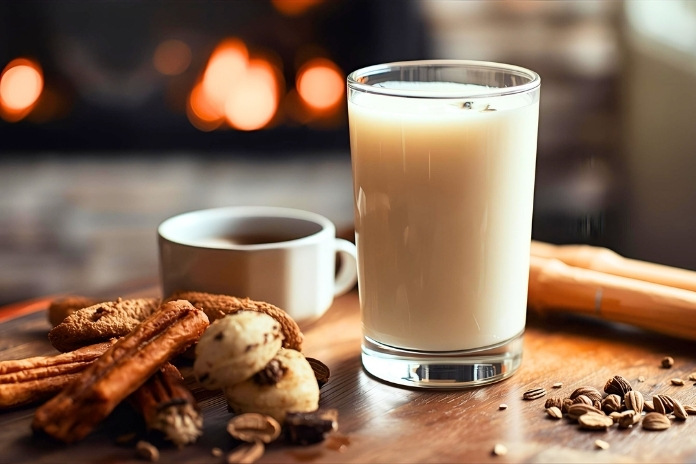
If you’ve taken a bite of something too hot and have a glass of cow’s milk handy, hold it in your mouth for a few seconds before swallowing. Let the casein do its job of binding capsaicin.
Experts at U.S. Dairy say “Holding milk in the mouth for a long time and then swallowing immediately maximizes milk’s soothing effect.”
Read More: Drinking Milk Before Bed: Does It Really Help You Sleep Better?
Did You Know? The Heat Really Isn’t Heat
It all comes down to chemistry.
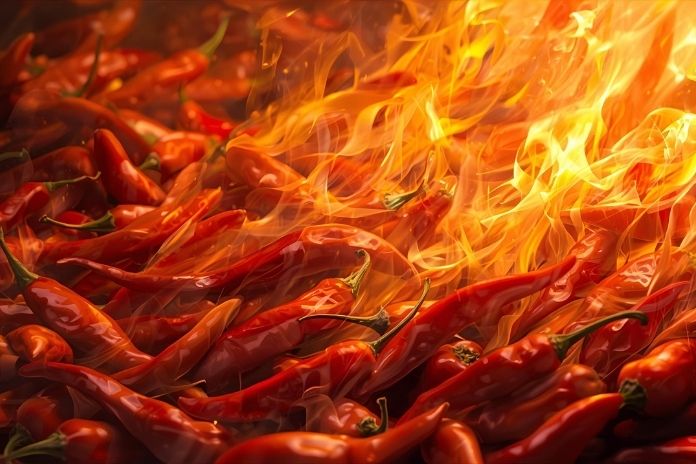
The burning sensation from chili peppers doesn’t come from “heat” in the thermal sense. A chemical called capsaicin binds to TRPV1 receptors on neurons in your mouth. These pain receptors detect substances that could harm your tissues.
When you eat something spicy like chili, your runny nose and teary eyes are your body’s way of warning you that you’re eating something potentially harmful.
Why Water Often Fails to Extinguish the Burn
Science explains why water isn’t your go-to solution for pepper burn. Here’s why:
Capsaicin’s chemistry: Capsaicin is a nonpolar molecule. These molecules dissolve only in other nonpolar substances. Water, on the other hand, is polar, which makes mixing capsaicin and water like mixing oil and water. Water spreads the compound around your mouth, intensifying the discomfort.
When it comes to water versus milk for spicy food burn, water isn’t reliable. Drinking water can’t remove the compound from your mouth. Instead, it intensifies the sensation and proves ineffective for serious burns.
So if you’re looking for how to stop chili pepper mouth burn, remember water isn’t your solution.
Read More: Does Milk Hydrate Better Than Water? What Science Actually Says
How Milk Actually Works: The Chemistry Behind the Relief
Let’s figure out how milk provides complete relief when you want to ease spice discomfort.
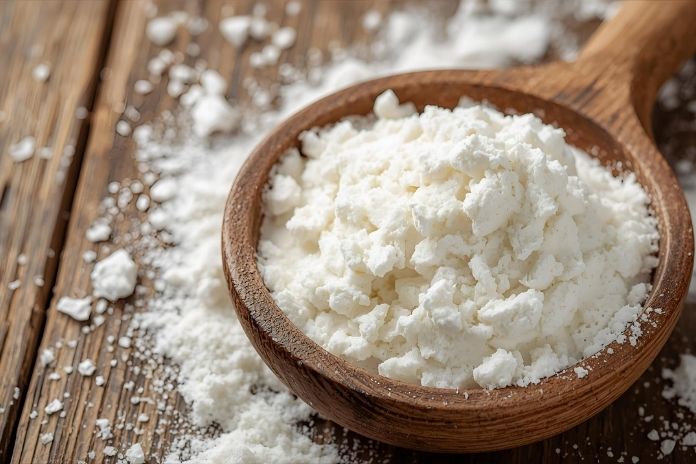
The milk mechanism: Milk contains a protein called casein (about 80% of milk’s protein) and milk fat. The casein molecule acts like a detergent when it contacts capsaicin. Casein surrounds and binds the oil-based chili molecules, lifting them off your nerve receptors. This dissolves the capsaicin molecules, making casein the key protein component in milk that neutralizes spice.
Scientific evidence: Studies at Penn State revealed that both skim milk and whole milk reduce the perceived burn from spicy mixtures significantly more than water.
Key insight: Fat might help, but casein plays the central role in tackling burn issues. Notably, skim milk works nearly as effectively as whole milk in quenching chili-caused discomfort.
Read More: 9 Benefits Of Cold Milk
When Milk Doesn’t Work or Isn’t Enough
Deep or internal heat: Milk helps most in your mouth, but the situation changes after you swallow. If your throat or stomach burns, milk may not ease the pain inside your body. For people suffering from acid reflux, GERD, stomach irritation, or heartburn, milk might make things worse since it’s not suitable in such scenarios.
Very high Scoville spicy foods: Hot peppers like ghost peppers and habaneros contain high concentrations of capsaicin. The sheer amount may overwhelm the simple remedy of milk. In such cases, the burn might last from minutes to hours, even after trying milk.
Dairy or spice sensitivity: If you have lactose intolerance, are sensitive to peppers, or have underlying reflux or IBS, avoidance or antacids may work better than milk. Intolerances (dairy, lactose) can lead to gas, cramps, swelling, and rashes. Taking milk in such cases can do more harm than good.
Don’t over-rely on milk. Don’t use milk as a license to eat spicy foods beyond what your body can handle. Doing so can lead to serious issues like stomach lining irritation, excessive acid production, or gut inflammation. Any tissue damage or extreme reaction requires medical attention, so be cautious.
Other types: Plant-based milks made from almonds, oats, and soy are mostly ineffective because they lack casein.
Read More: 11 Side Effects of Consuming Too Much Milk
How to Use Milk (and Other Methods) Effectively

Steps:
- Take a small sip of milk, preferably cold
- Swish it around to allow direct contact with irritated areas (touch your tongue, inner cheeks, roof, and under the tongue)
- Hold it for a few seconds
- Swallow or spit as you prefer
Alternative dairy products: Other dairy products may also help due to the same casein principle:
- Yogurt (served with small spoons)
- Sour cream (paired with spicy dips)
- Ice cream (great for intense burns)
- Buttermilk (sipped slowly in small amounts)
Non-dairy options if you can’t have milk: If you’re lactose intolerant or don’t prefer dairy, try these options that can help “soak up” and neutralize capsaicin:
- Bread or starchy foods
- Sugar or honey
- Cucumber
- Banana
These options work because fats and starches interact better with capsaicin than water.
Avoid: Beverages like water, soda, or beer aren’t effective and may spread the burn (unless you’re drinking strong alcohol at 40%+).
Drinking cow’s milk after spicy food legitimately helps cool your mouth. Science backs this up, making milk the best beverage for hot pepper burn.
Why does milk work for spicy food burn? Because of the casein-capsaicin interaction. The casein in milk binds to capsaicin molecules, helping relieve the burning sensation.
The trick isn’t foolproof, though. Internal burns (not mouth burn), dairy intolerance (lactose intolerance), or extremely spicy foods may limit its effectiveness.
If you frequently experience severe spice burn, try modifying your spice intake and keep accompaniments like milk or yogurt, or other soothing options, ready to tackle any uncomfortable situation effectively.
Always remember that if your mouth burns from chili, milk is one of the most effective and easily available remedies to reach for. It cools spicy food in your mouth.
Conclusion
Yes, milk will help you, but with some important caveats. It’s a good remedy for moderate spicy food eaters, but its actual effectiveness varies based on individual factors and the cause of the burn.
It’s not some old wives’ tale or kitchen hack. It’s chemistry in action.
While milk can help you tackle the burn effectively, remember it isn’t a universal cure. If the spice has made its way into your internal organs, or you suffer from issues like GERD, milk might not be the friend you need. In such cases, consider friendlier alternatives like yogurt or honey.
For most purposes, milk remains one of the most effective remedies for spice lovers. It’s readily available, simple, and most importantly, scientifically backed.
Next time you see someone trying to blow off some steam in their mouth, make them go the milk way!
References
- Britannica. (n.d.). Why do peppers make your mouth burn?
- Cleveland Clinic. (n.d.). Does milk help with spicy food?
- Food Network. (n.d.). Mouth on fire? Myths and truths about what really cools your palate.
- International Milk Genomics Consortium. (n.d.). Skim milk beats hot chili’s burn just like the full-fat option.
- Lawless, H., & Gillette, M. (1985). Sensory science theory and applications in foods. Food Quality and Preference, 28(1), 213-221.
- Legg, T. J. (2017). Why does drinking milk ease the pain of eating spicy food? Psychology Today.
- Szczesniak, D. (2021). Tips to fix dishes that are too spicy. EatingWell.
In this Article