












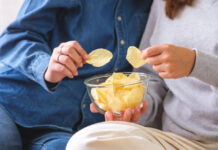

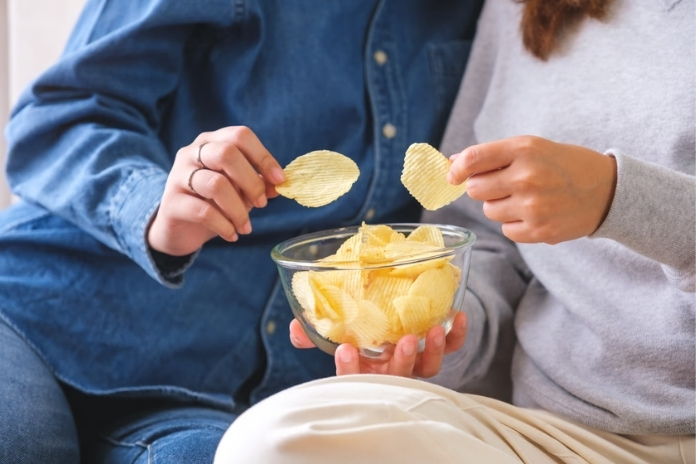
That sudden urge for chips, crackers, or anything salty is not always just a habit. Why am I craving salt, what are the real causes of salt cravings, and is craving salty foods our body’s way of signaling something deeper? If you have been wondering about these questions, this guide has the answers.
While many people blame willpower or taste preferences, salt cravings can reflect genuine biological signals. The body has built-in mechanisms that regulate sodium balance, and these can be influenced by hydration status, stress, hormonal changes, and even certain medical conditions.
Persistent and intense cravings, especially when paired with other symptoms, should not be ignored, as they may point to underlying health concerns that require medical attention.
According to the American Heart Association, most adults should stay below 2,300 mg of sodium per day, under 1,500 mg for those with hypertension.
In this guide, we break down eight key reasons why you might be craving salt more than usual, ranging from common everyday triggers to less obvious medical causes that may need attention.
- Most cases of craving salty foods are caused by everyday factors like dehydration, sweating, stress, or poor sleep, not a true sodium deficiency.
- Common causes of salt cravings include hormonal changes, dietary shifts like low-carb diets, and long-term high-salt eating habits.
- Your body may use salt cravings as a signal to restore fluid balance, especially after sweating, alcohol intake, or inadequate hydration.
- Lifestyle patterns like chronic stress and sleep deprivation can increase cravings by altering hormones and brain reward pathways.
- Persistent, intense salt cravings with symptoms like fatigue, dizziness, or weight loss may indicate a medical condition such as Addison’s disease and should be evaluated by a doctor.
8 Causes of Salt Cravings
1. Dehydration
Sodium and water balance are closely connected in the body. When dehydration sets in, the brain does not always send a clear thirst signal. Instead, it may trigger a craving for salt, because sodium helps the body retain the water you drink and restore fluid balance more effectively than water alone.
This explains why many people reach for salty foods after sweating, long workdays, or alcohol intake.
Alcohol, in particular, acts as a diuretic, increasing the loss of both water and sodium through urine and creating a real physiological need for replenishment. Even mild, everyday dehydration, such as not drinking enough water during busy routines or consuming excess caffeine, can shift your body toward craving salty foods instead of recognizing thirst.
Who this affects most: Individuals who exercise regularly, live in hot climates, consume alcohol, or do not hydrate consistently throughout the day.
What to do: Start by drinking water, as many salt cravings ease within 15–20 minutes. If the urge continues, adding an electrolyte drink or a small salty snack alongside fluids can help restore balance more effectively.
Read More: Dehydration Cramps: Why They Happen and How to Relieve Them Quickly
2. You’ve Been Sweating More Than Usual

Sweat contains a significant amount of sodium, averaging around 900 mg per liter. When you exercise intensely, spend long hours outdoors, or are exposed to hot weather, this sodium loss can quickly build up.
In response, your body may trigger a strong craving for salt because it genuinely needs to restore what has been lost to maintain fluid balance and support proper nerve and muscle function .
A study published in 2008 found that prolonged sweating can lead to significant sodium loss, especially during work in hot environments. It also showed that daily sweat losses can be high enough to require regular sodium replacement to maintain fluid and electrolyte balance.
A simple way to recognize higher sodium loss is by noticing white, chalky residue on your skin or clothing after sweating. This is crystallized sodium, and it indicates that your body has lost enough salt to create a real physiological need, not just a taste preference.
One common mistake is relying only on plain water after heavy sweating. While hydration is important, water alone can dilute sodium levels further and worsen the imbalance. In extreme cases, this may lead to hyponatremia, a condition where blood sodium drops too low.
Who this affects most: Endurance athletes, people who exercise frequently, outdoor workers, and those living in hot climates.
What to do: Replenish both fluids and sodium together. Electrolyte drinks, or salty foods like broth, cheese, or pickles, can help restore balance and reduce ongoing salt cravings.
Read More: Salt Alternatives: Flavorful Ways to Reduce Sodium Intake
3. You’re Chronically Stressed
Chronic stress activates the hypothalamic-pituitary-adrenal axis, leading to increased release of cortisol and other stress hormones. Higher cortisol levels have been linked to stronger cravings for foods rich in fat, sugar, and salt.
At the same time, salty foods can stimulate the brain’s reward system by promoting dopamine release, creating a temporary sense of relief that the stressed brain begins to seek repeatedly.
This response is not about a lack of control. It is a biologically driven pattern where the brain looks for quick comfort through easily available rewards. The challenge is that this can turn into a cycle. Stress increases cravings, cravings lead to more salty food intake, and over time, your tolerance for salt rises, meaning you may need more to feel the same satisfaction.
Registered dietitian Elysia Cartlidge explained that “stress may impact your adrenal glands and their ability to regulate sodium,” which can lead to increased cravings for salt.
Who this affects most: Individuals dealing with ongoing psychological stress, such as work pressure, relationship challenges, financial concerns, or caregiving responsibilities.
What to do: Managing the root cause of stress can naturally reduce these cravings. In the short term, recognizing that the craving is stress-related can help you pause before acting. Choosing lower-sodium options like edamame, plain popcorn, or unsalted nuts can satisfy the urge without excessive salt intake.
4. You’re Sleep Deprived

Not getting enough sleep can significantly disrupt the hormones that regulate hunger and appetite. Sleep deprivation increases cortisol, lowers leptin (fullness hormone), and raises ghrelin (hunger hormone) .
This combination makes you feel hungrier, less satisfied after eating, and more likely to crave high-reward foods, including salty, fatty, and sugary options.
Lack of sleep also affects the brain’s ability to make controlled decisions. The prefrontal cortex, which is responsible for impulse control, becomes less effective when you are sleep-deprived.
As a result, it becomes harder to resist cravings, even when you are aware that they are not driven by true hunger.
Who this affects most: Individuals who regularly get less than 7 hours of sleep, shift workers, parents of young children, and those dealing with insomnia or sleep apnea.
A study published in Nutrients (2020) found that shift workers with shorter sleep duration and poorer sleep quality experienced significantly higher food cravings and a stronger drive to consume palatable foods.
What to do: Improving sleep quality and duration is the most effective long-term solution. In the short term, recognizing that these cravings are hormonally driven rather than a true need for salt can help you pause before acting. Keeping more balanced, lower-sodium snack options available can reduce the impact when cravings occur.
Read More: Circadian Eating for Better Sleep and Digestive Health
5. Hormonal Changes During Your Menstrual Cycle
During the luteal phase, which occurs in the two weeks between ovulation and menstruation, the body goes through notable hormonal shifts. Progesterone rises and then declines, estrogen fluctuates, and changes in aldosterone influence how the kidneys regulate sodium and fluid balance.
A study found that women in the luteal phase prefer significantly saltier foods (e.g., salty popcorn) compared with other cycle phases, consistent with progesterone‑ and estrogen‑driven changes in sodium and fluid handling and with the observation that salt and water retention peaks in the luteal phase.
Bloating and fluid retention during PMS are linked to the same hormonal processes. As the body adjusts fluid balance, the brain may interpret these changes as a need for more sodium, leading to a stronger desire for salty foods. This response is physiological and not simply emotional eating.
Who this affects most: Individuals who menstruate, especially in the 7 to 10 days leading up to their period.
What to do: Tracking cravings alongside your menstrual cycle can help identify patterns. If salt cravings consistently occur during the same phase, they are likely hormone-related.
Ensuring adequate intake of magnesium and potassium throughout the month may help reduce the intensity of these cravings.
Read More: Should You Eat Differently During Each Phase of Your Menstrual Cycle? A Science-Backed Guide
6. Dietary Changes: Low-Carb or Low-Sodium Intake
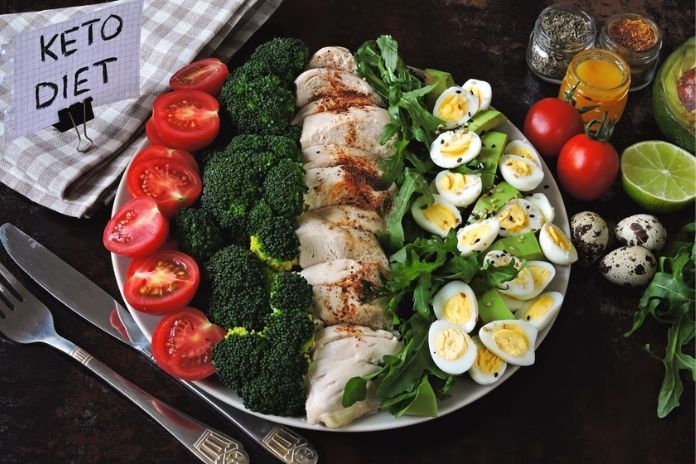
Significantly reducing carbohydrate intake, as seen in ketogenic or low-carb diets, can directly affect sodium balance. When carbs are lowered, insulin levels drop, signaling the kidneys to excrete more sodium.
This is why rapid weight loss in the early stages of such diets is often due to water and sodium loss rather than fat. As sodium levels decline, the body responds with genuine salt cravings to restore balance.
A similar effect can occur when someone cuts back heavily on processed foods. Since these foods are a major source of dietary sodium, a sudden reduction can make the body perceive a relative deficiency, triggering cravings for salty foods as it adjusts to the new intake level.
Who this affects most: Individuals starting a low-carb or ketogenic diet and those who have recently shifted to a cleaner, less processed diet.
What to do: In low-carb diets, increasing sodium intake intentionally can help. Including lightly salted meals, broths, or electrolyte supplements can support balance and reduce persistent cravings.
Read More: Keto Diets Suitable For Short Term Only, New Study Suggests
7. Addison’s Disease
Addison’s disease is a rare but serious condition in which the adrenal glands do not produce enough cortisol and aldosterone.
Aldosterone helps the kidneys retain sodium, and when it is low, sodium is lost through urine, leading to a true physiological deficiency and persistent salt cravings.
These cravings are often intense and unusual, such as a strong urge for very salty foods like pickles, olives, or broth. In some cases, people may even crave salt directly.
These cravings are typically accompanied by other symptoms, including chronic fatigue, muscle weakness, low blood pressure with dizziness on standing, unexplained weight loss, nausea, abdominal discomfort, and darkening of the skin, especially in folds or scars.
Diagnosis is confirmed through blood tests showing low cortisol and aldosterone, along with elevated Adrenocorticotropic Hormone, a hormone released by the pituitary gland that normally signals the adrenal glands to produce cortisol.
Without treatment, the condition can progress to a life-threatening adrenal crisis, but it is manageable with lifelong hormone replacement therapy.
Who this affects most: More common in women aged 30 to 50, though it can affect anyone and is often overlooked due to non-specific symptoms.
What to do: If you experience persistent salt cravings along with fatigue, dizziness, skin changes, or unexplained weight loss, seek medical evaluation and request cortisol and ACTH testing promptly.
8. Salt Habit and Tolerance
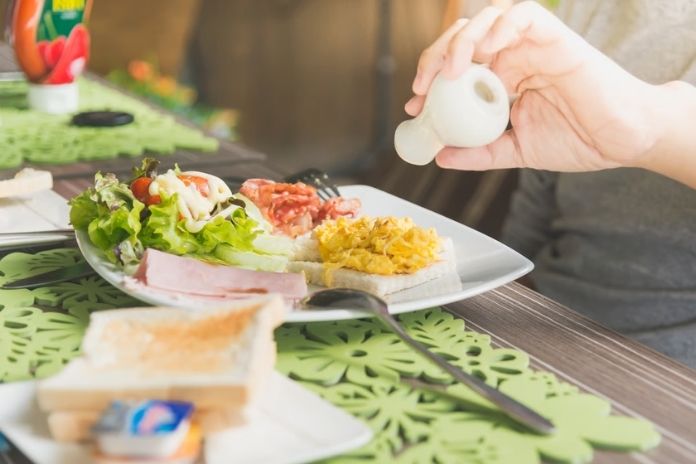
A study said that people who habitually consume more sodium have higher salt‑taste thresholds (need more salt to detect “salty”) and stronger preference for salty foods, which supports the idea that high‑salt diets raise the baseline for what tastes adequately seasoned and drive ongoing cravings even when intake is adequate.
With repeated exposure, your taste threshold adjusts. Foods that are naturally lower in sodium, such as home-cooked meals, may start to taste bland by comparison. This leads to a cycle where you seek out saltier options to achieve the same level of satisfaction, similar to how tolerance develops with caffeine.
Who this affects most: Individuals who frequently consume packaged foods, fast food, chips, processed meats, or restaurant meals.
What to do: Reducing sodium intake gradually can help reset your taste sensitivity. Over a period of 2 to 4 weeks, foods begin to taste more balanced as your receptors adapt. A slow reduction is more effective than cutting salt abruptly, which can increase cravings and make the transition harder.
Conclusion
Most instances of craving salty foods are your body or brain responding to everyday factors like stress, lack of sleep, dehydration, or long-term habits. If you’ve been wondering why am I craving salt, understanding these salt cravings causes can help you identify what your body is signaling.
In most cases, cravings improve once the underlying trigger is addressed. However, if they are persistent, intense, or accompanied by other symptoms, it is important to seek medical advice for proper evaluation.
References
- Arias N, Henkin RI, Christiansen C. Effect of dietary sodium restriction on taste responses to sodium chloride: a longitudinal study. Am J Clin Nutr. 1988;47(5):810‑815.
- Araújo JR, Martínez JJ, Sánchez-Muñoz F, et al. Association between taste sensitivity and self‑reported salt intake. J Hum Hypertens. 2013;27(3):177‑182.
- National Institute of Diabetes and Digestive and Kidney Diseases. Symptoms & causes of adrenal insufficiency & Addison’s disease. National Institute of Diabetes and Digestive and Kidney Diseases, NIH. Updated October 5, 2025.
- Conrad CP. 10 foods to eat if you have Addison’s disease. MedicineNet. November 16, 2025.
- Augusta Health. Salt craving: a symptom of Addison’s disease?
- Luft FC, Titze JM. The role of aldosterone in renal sodium transport. Front Physiol. 2022;13:770375.
- Webb M, et al. Addison’s disease: diagnosis and management strategies. J Clin Med. 2023;12(11): 3747.
- Greer SM, Goldstein AN, Walker MP. The impact of sleep deprivation on food desire in the human brain. Curr Biol. 2013;23(20): 1974‑1978.
- Taheri S, et al. Sleep duration affects appetite‑regulating hormones leptin and ghrelin. PLoS Med. 2004;1(3): e62.
- Torre‑Hernández JM, et al. Stress, cortisol, and other appetite‑related hormones. Endocr Connect. 2017;6(3): R57‑R71.
- Sawka MN, et al. Sweat rate and sodium loss during work in the heat. Eur J Appl Physiol. 2007;99(2): 135‑152.
- Noakes TD, et al. Fluid and electrolyte loss in sport. Br J Sports Med. 2001;35(4):287‑290.
- Le Roux CW, et al. The gut–brain axis in obesity and metabolic disease. Clin Sci (Lond). 2025;139(10): 1123‑1141.