




















You’ve been taking Ozempic or Wegovy for months, feeling the benefits – weight loss, better blood sugar control, improved confidence.
Now you’re wondering: Can I stop taking it? It’s one of the most common questions people ask as they think about long-term use, side effects, or next steps in their health journey.
Ozempic and Wegovy are prescription medications that help control blood sugar and support weight loss by reducing appetite and slowing digestion. However, they are not permanent solutions.
When you stop taking Wegovy or Ozempic, your appetite may return, and weight regain or changes in blood sugar can happen if lifestyle habits aren’t maintained. That’s why understanding how to stop Ozempic safely is important.
This article is designed to help you make informed decisions in discussion with your doctor. In the sections ahead, we’ll look at what usually happens after stopping these medications, possible effects on your body, and how to plan next steps for lasting results.
“I routinely counsel my patients on what to expect once they hit their goal. I welcome the question “Do I need to be on this forever?” We also talk about what the plan will be when they meet their goal.
I don’t recommend stopping cold turkey, but weaning the dose is feasible for most people. If people aren’t sure they can afford the medication, I caution people about starting if they may not be consistent with dosing.”
Why People Stop These Medications

Many people start Ozempic or Wegovy with hope, but stopping is common. Understanding why people discontinue these medications helps normalize concerns and supports healthier long-term weight management decisions.
- Cost and Access Challenges: For many, cost is the main reason for stopping Ozempic or Wegovy. High out-of-pocket expenses, insurance denials, or sudden policy changes make long-term use difficult.
- Side Effects and Tolerability: Digestive side effects such as nausea, vomiting, diarrhea, constipation, and bloating are common. While some adjust over time, others find symptoms too disruptive. Poor tolerability can make it hard to stay consistent.
- Reaching a Goal Weight or Weight Plateau: Some people stop after reaching their goal weight, while others feel discouraged by a plateau. Withoutproper guidance, stopping abruptly can increase the risk of weight regain.
- Insurance Rules and Ongoing Requirements: Even with coverage, insurers may require proof of ongoing weight loss or medical necessity. If criteria aren’t met, treatment may be discontinued, leaving patients unprepared for long-term weight maintenance.
- Medical and Personal Reasons: Pregnancy planning, upcoming surgery, or other health conditions may require stopping GLP-1 medications. Personal comfort and long-term health concerns also influence decisions.
All reasons are valid. Whether driven by cost, side effects, health needs, or personal choice, every reason for stopping is valid. What matters most is planning sustainable habits to support long-term health.
Read More: Does ‘Nature’s Ozempic’ Really Exist? What Science Says About Natural Alternatives for Weight Loss
How Ozempic and Wegovy Work
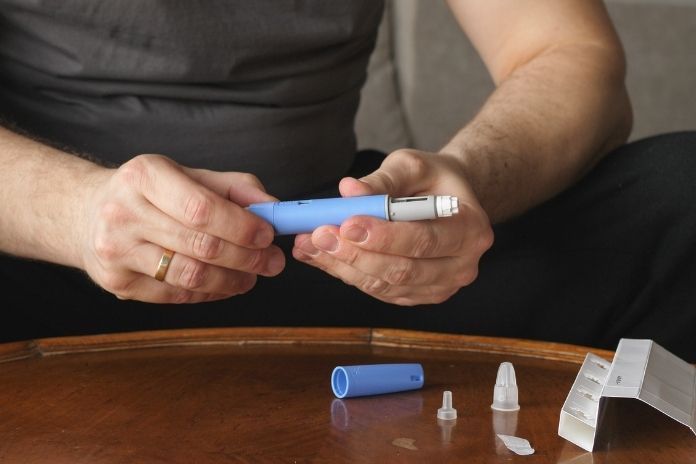
Ozempic and Wegovy work by mimicking a natural hormone in the body called GLP-1, which is released after eating. In simple terms, GLP-1 tells your brain that you’re full, slows how quickly food leaves your stomach, and helps regulate how your body uses energy.
This leads to reduced appetite, fewer cravings, and better portion control, which supports steady weight loss.
These medications also affect your metabolism by helping the pancreas release insulin when blood sugar is high and lowering glucagon, a hormone that raises blood sugar. As a result, your blood sugar levels remain more stable, especially in people with type 2 diabetes.
Although Ozempic and Wegovy contain the same active ingredient, semaglutide, they are approved for different uses.
Ozempic is primarily prescribed for diabetes management and typically starts at lower doses, whereas Wegovy is FDA-approved specifically for long-term weight management and uses higher doses.
Since they actively control hunger and blood sugar, what happens when you stop taking Ozempic? You may experience increased appetite, possible weight regain, and changes in blood sugar levels. Knowing this mechanism helps you prepare lifestyle adjustments and discuss a safe, gradual plan with your doctor before stopping the medication.
Read More: Ozempic vs. Wegovy: What’s the Difference, and Which One Is Right for You?
What Happens After Stopping GLP-1 Medication
Stopping Ozempic or Wegovy can bring noticeable physical and emotional changes. Understanding what happens next helps set realistic expectations, reduce anxiety, and prepare for healthier long-term weight and metabolic management.
1. Weight Changes
Weight regain is common after stopping Ozempic or Wegovy, but it doesn’t happen the same way for everyone. Studies show many people regain a portion of the weight they lost, often starting within a few weeks to a few months.
On average, people may regain between 30-70% of the weight they lost over one year. This happens because the medication is no longer helping control appetite and digestion, not because of a lack of willpower. Biology plays a major role, and individual results vary based on lifestyle, genetics, and support systems.
Here’s what this can look like in practice. You might lose 30 pounds and maintain most of it after stopping, but it takes deliberate effort. One person did this by focusing on high-protein meals, daily movement, sleep hygiene, and mindfulness practices. Consistent habits helped counter returning hunger signals, and most of their loss held.
2. Appetite and Hunger
One of the earliest changes people notice is the return of hunger. Appetite can increase within days to a few weeks after stopping. Some experience “rebound hunger,” where cravings feel stronger than expected.
On medication, hunger may have felt muted or delayed; off medication, hunger cues often return to pre-treatment levels or slightly higher at first. Day to day, this may feel like getting hungry sooner after meals or thinking about food more often.
Not everyone has that experience, though. You might eat well and exercise regularly and still regain most of what you lost. Not because you failed, but because rebound appetite and subtle metabolic shifts can outweigh even consistent effort. One person lost 25 pounds on Wegovy and regained nearly all of it within six months, despite maintaining a balanced diet and regular exercise.
3. Psychological and Behavioral Effects
Stopping can bring emotional reactions such as anxiety, frustration, or fear of weight regain. These feelings often appear within the first month. Many people worry they’re “losing control,” even when they’re doing their best.
Your relationship with food may shift, making it harder to stick to new habits without the medication’s support. Common experiences include feeling discouraged after seeing scale changes or stressed during social eating situations.
For some people, the emotional and physical difficulty of stopping becomes a signal to reassess. You might stop for a few months, notice increased cravings and some weight gain, and decide with your doctor to restart at a lower dose while keeping your lifestyle routines in place. That combined approach, lower medication plus established habits, can help stabilize things without going back to square one.
4. Blood Sugar Control
For people using Ozempic for diabetes, blood sugar levels may rise after stopping. Changes in glucose and HbA1c can occur within weeks, especially if no alternative treatment is in place.
Someone with an HbA1c of 6.8% on medication might see it climb closer to 7.5–8% over time. Those using it only for weight loss may not see major glucose changes, but insulin sensitivity can still shift.
5. Metabolic and Hormonal Changes
After stopping, slowed digestion gradually returns to normal, and metabolism may adapt back over several weeks to months.
The body becomes more efficient at conserving energy, which can make maintenance harder. These changes vary widely; some people adjust smoothly, while others need more structured support.
Research has shown what happens when people stop taking GLP-1 agonists. Many regain a substantial amount of the weight they lost with the help of the medications. The body naturally tries to stay around its own weight point, a pull that obesity specialist Arya Sharma, MD, likens to a taut rubber band.
If you take medication to alter your biology, “the tension of the rubber band is a lot less, he explains. “But when I take away the medication, that tension is going to come back,” says Sharma, who is based in Berlin and consults part-time for several companies that have an interest in obesity.
Read More: Mounjaro vs. Ozempic: Which Weight Loss Shot Works Better?
How to Stop Weight Loss Drugs Safely

Stopping Ozempic or Wegovy requires careful planning. Working with your doctor ensures a safe transition, reduces side effects, and helps manage weight, blood sugar, and appetite changes effectively.
Schedule a Consultation With Your Doctor
These medications affect appetite hormones, digestion, blood sugar, and sometimes blood pressure. Stopping without medical advice can lead to rebound hunger, rising glucose levels, or feeling unwell.
What not to do: don’t skip doses randomly, don’t stop suddenly without talking with your doctor, and don’t replace the medication with extreme dieting to “compensate.”
Decide Whether to Taper or Stop Completely
Whether you taper or stop all at once depends on how long you used it, your dose, and why you’re stopping; your clinician will tailor the plan.
Tapering (gradually lowering the dose) is often recommended if you’ve been on the medication for a long time, are on a higher dose, or have diabetes. This helps reduce rebound appetite and metabolic swings.
Abrupt cessation may be acceptable for short-term users, lower doses, or when stopping due to side effects or pregnancy planning.
Track These Key Health Markers
Medical monitoring helps catch issues early. If you have diabetes, keep a close eye on your blood glucose; changes can appear within weeks. Track weight trends weekly (not daily) to see patterns, not fluctuations.
Check blood pressure, especially if it improved on medication. Also watch for rebound symptoms like increased hunger, nausea, fatigue, or mood changes, and report anything concerning.
Plan Your First Few Weeks Off the Medication
A good plan smooths the first weeks. Your clinician may adjust other medications (for diabetes or blood pressure) as the GLP-1 effect fades.
Expect lab follow-ups (such as HbA1c or lipids) within weeks to a few months. Set checkpoints: a brief review in the first week, then again at one month, to fine-tune nutrition, activity, and meds if needed.
Explore Alternative Options If Needed
“Obesity is a chronic condition. Just like high blood pressure and high cholesterol, where we do not stop medications once a person reaches the target, it is not recommended to stop GLP-1 medications once a person has reached their goal weight,” says Cynthia Odogwu, M.D.
If you do need to stop, your health care provider may want to wean you off the medication to help your body adjust, explains Ali McGowan, M.S., RD. This can help prevent rebound hunger and protect against potential weight regain.
If stopping leads to regain or poor glucose control, there are several directions worth discussing with your doctor. Within the GLP-1 class, different medications vary in dosing schedule, formulation, and side effect profile. Some people tolerate one better than another, and oral options exist for those who prefer to avoid injections.
Outside the GLP-1 class, other weight management and diabetes medications may be appropriate depending on your health history. A lower maintenance dose of your current medication is also worth considering if full discontinuation feels premature.
Access and cost shape these decisions, too. Many manufacturers offer patient assistance programs, and coverage varies significantly between medications. What’s denied for one drug may be covered for another. It’s worth asking your insurer specifically about alternatives before assuming they’re out of reach.
1. Do I need to taper the GLP1 dose, or can I stop immediately?
Most people benefit from tapering, especially when taking high doses of Wegovy or Ozempic or using them long-term, to reduce rebound appetite and side effects.
2. What symptoms should I watch for?
Monitor hunger spikes, nausea, fatigue, mood changes, or blood sugar fluctuations. Report severe or persistent symptoms to your healthcare provider.
3. When should I schedule follow-up appointments?
Schedule an initial check within the first week, then follow-ups at one month and periodically to monitor weight and metabolic health.
4. How do I monitor my blood sugar and weight?
Track daily blood sugar if diabetic, weigh weekly, and record trends. Your doctor may adjust medications based on these results.
5. Should any of my other medications be adjusted?
Your doctor may adjust diabetes, blood pressure, or cholesterol medications as GLP-1 effects diminish after stopping treatment.
6. What are my alternatives if I need ongoing support?
Alternatives include lower GLP-1 doses, different medications, structured nutrition plans, exercise programs, or medically supervised weight management strategies.
Read More: 10 Foods That Boost GLP-1: The Hormone Ozempic Mimics to Curb Hunger
Timeline: What to Expect After Stopping Weight Loss Drugs
Week 1: Reset and Stabilize
In the first week after stopping Ozempic or Wegovy, appetite may start to increase. Focus on eating enough protein at each meal, drinking plenty of water, and sticking to regular meal times. This structure helps prevent sudden overeating as hunger signals return.
First Month: Build Daily Routines
During the first month, the goal is consistency. Create simple routines around balanced meals, regular movement like walking, and good sleep habits.
Some people notice small weight changes or stronger food cravings. This is common and doesn’t mean you’re doing anything wrong. Paying attention to how your body responds helps you adjust early.
Months 2-3: Fine-Tune Your Approach
By months two and three, hunger and energy levels often stabilize. This is the time to tweak portions, meal timing, or activity based on what’s working. Small, steady adjustments matter more than strict rules.
What to Expect After Stopping Ozempic or Wegovy
Timeline of Symptoms
| Weeks | Symptoms |
|---|---|
| Week 1–2 | Appetite slowly returns. You may notice increased hunger, food noise, or cravings. Energy levels can fluctuate as your body adjusts. |
| Week 3–4 | Medication effects fade further. Portion control may feel harder. Some people notice early weight regain or blood sugar changes. |
| Week 5–8 | Hunger hormones normalize. Weight regain becomes more noticeable without strong lifestyle support. Emotional frustration is common. |
| Week 9–12 | Your body largely returns to pre-medication patterns. Long-term habits now play the biggest role in weight and metabolic control. |
Reframing Expectations
After stopping medication, weight stability, not continued weight loss, is the realistic goal. Some regain may happen and doesn’t equal failure. Long-term maintenance after coming off Wegovy is different from active weight loss, and flexibility over time is key to lasting success.
Read More: Effective Obesity Management: 4 Proven Strategies for Lasting Weight Loss
When Continuing May Be Necessary
For some people, stopping GLP-1 medications isn’t the right call, and that’s not a failure. Ongoing treatment may be necessary to manage chronic weight issues, diabetes, or heart risk.
For those with severe obesity (BMI over 40, or over 35 with conditions like sleep apnea or high blood pressure), or those who have tried multiple approaches without lasting success, stopping medication often leads to significant weight regain and worsening health.
In these cases, continuing treatment is simply good chronic disease management, no different from staying on medication for high blood pressure or thyroid disease.
For people using Ozempic to manage diabetes, the stakes are more concrete. Uncontrolled blood sugar, typically an HbA1c above 7% or 8% despite lifestyle changes, raises the risk of nerve damage, kidney disease, and vision problems. Stopping GLP-1 therapy without an alternative plan in place can allow glucose levels to climb back toward those thresholds quickly.
Cardiovascular risk is another reason to continue. Some GLP-1 medications carry FDA approval specifically for reducing heart risk in people with prior cardiac events or multiple risk factors like high cholesterol, high blood pressure, and diabetes together. For these patients, the medication is doing more than managing weight.
Every situation is different, and the decision to continue should always be made with a provider who knows your full history and goals.
How to Maintain Results After Stopping GLP-1s
Coming off Wegovy or Ozempic can feel uncertain, especially when appetite starts to return. Many people ask, “Will I gain weight back after stopping Ozempic?” Research shows that some Ozempic weight regain is common, but how much depends largely on habits built after stopping.
1. Nutrition Strategies That Matter Most
Nutrition is the main driver of success after medication. Prioritize protein at every meal, aiming for 25-30 grams from foods like eggs, Greek yogurt, lentils, tofu, fish, or lean meats. Protein helps control hunger and reduces overeating.
Volume eating is equally important. Focus on high-fiber, low-calorie foods such as vegetables, fruits, beans, soups, and salads to stay full without excess calories.
Structured eating, three balanced meals and one planned snack, works better than grazing, especially when appetite increases after coming off Wegovy. Meal planning and simple prep can reduce impulsive choices.
2. Exercise Approaches That Support Maintenance
Exercise supports metabolism and prevents muscle loss. Resistance training two to three times per week helps preserve muscle mass and keeps energy needs higher.
Daily movement also matters – walking, taking the stairs, and staying active throughout the day (NEAT) add up. Choose activities you enjoy so consistency feels realistic. You don’t need hours in the gym; 30-45 minutes most days is enough.
3. Behavioral Techniques for Real Life
Mindful eating helps manage increased hunger. Eat without screens, slow down, and pause mid-meal to check fullness levels. Habit tracking can help track meals, steps, or workouts a few times per week without becoming obsessive.
Identify triggers like stress, social events, or late-night snacking and plan alternatives in advance. The goal is awareness, not perfection.
4. Sleep and Stress Management
Aim for 7-9 hours of sleep nightly. Poor sleep disrupts hunger hormones and increases cravings.
Stress management is just as important; deep breathing, short walks, stretching, journaling, or meditation can help reduce emotional eating, which often contributes to Ozempic weight regain.
5. Ongoing Accountability and Support
Weigh yourself weekly or biweekly to catch changes early. Support from a dietitian, coach, or doctor can guide adjustments.
Support groups, online or in person, offer motivation and shared experience. Free apps, community programs, and online forums are cost-effective tools.
Summary
Stopping Ozempic or Wegovy is a decision that deserves the same care as starting it. The body’s response is real and biological, not a reflection of effort or willpower, and the transition goes better with a plan than without one.
Talk to your doctor before making any changes, build the habits that will carry you forward, and know that adjusting course later, whether that means restarting, switching, or staying on a lower dose, is always an option.
FAQs

Q: Will I regain weight after stopping Ozempic? / Will I regain weight after stopping Wegovy?
Many people regain most of the weight they lost after stopping Ozempic or Wegovy because hunger cues return and metabolism shifts back. Studies show regained weight often begins within weeks, with most weight returning within about 12-18 months. Individual results vary based on lifestyle, habits, and biology.
Q: How long does Ozempic stay in your system after stopping? / How long does Wegovy stay in your system?
Both Ozempic and Wegovy contain semaglutide, which has a long half-life of about seven days. It typically takes 4-5 weeks for most of the drug to leave your body, and effects like appetite suppression gradually wear off as levels fall.
Q: Can you stop Ozempic cold turkey? / Can you stop Wegovy suddenly?
You should not stop Ozempic or Wegovy without medical supervision. Abrupt cessation may lead to rapid hunger return and weight regain. Your clinician can advise whether tapering is needed based on dose, duration, and your health, improving safety and comfort during transition.
Q: What percentage of people regain weight after stopping Ozempic? / Wegovy weight regain statistics
Research shows many people regain a large portion of weight after stopping these drugs. In one analysis, about two-thirds of the weight lost was regained within a year of discontinuation, and most returned to baseline within about 18 months. Rates vary based on habits and support.
Q: How to maintain weight loss after stopping Ozempic? / How to keep weight off after Wegovy?
Maintaining weight after stopping involves intentional strategies: balanced nutrition, regular movement, good sleep, stress management, and monitoring trends. Structured plans and supportive habits help slow recovery and support long-term success. See section on long-term strategies above.
Q: Does insurance cover alternatives to Ozempic? / Wegovy alternatives covered by insurance?
Coverage varies by plan and region. Some insurance covers other GLP-1 medications or diabetes drugs, and patient assistance programs may help reduce costs. Ask your provider and insurer about options and coverage for alternatives.
Q: Can you restart Ozempic after stopping? / Can you go back on Wegovy?
Yes, restarting Ozempic or Wegovy is generally possible. Discuss timing, dosing, and insurance coverage with your doctor. People restart for reasons like increased hunger, weight regain, or blood sugar changes.
Q: What are the side effects of stopping Ozempic? / Wegovy discontinuation symptoms
Common experiences after stopping include increased appetite, returning hunger, possible weight regain, and metabolic shifts. These aren’t dangerous but can be uncomfortable. Contact your doctor if symptoms are severe or related to blood sugar irregularities.

References
- What to expect if you stop taking weight loss medication. (n.d.). Henry Ford Health – Detroit, MI.
- Rapaport, L. (2025, December 1). 5 things that can happen after you stop taking Ozempic. EverydayHealth.com.
- How do drugs like Ozempic work for weight loss? | School of Molecular & Cellular Biology | Illinois. (2024, July 9).
- Metropolis Healthcare Limited. (2025, October 13). Ozempic vs. Wegovy: Key Differences, Benefits & Risks. Metropolis India Lab.
- Ozempic for weight loss: Does it work, and what do experts recommend? | Cultivating Health. (2025, August 23). cultivating-health.
- Bharucha, V. (2025, December 2). Wegovy vs Ozempic: Differences, Uses, Dosage, Side Effects and More! PharmEasy Blog.
- Youmshajekian, L. (2025, March 7). Does stopping Ozempic cause rebound weight gain and health problems? Scientific American.
- Rich, M. (2024, November 18). Who deserves Ozempic? The ethical Challenges of Weight-Loss use. Blogs.
- Why do so many people stop taking weight-loss drugs within a year? (n.d.). Northwestern Now.
- What to expect when you stop taking semaglutide | Banner. (n.d.).
- Life after Ozempic: The decision to stop and what comes next. (2024, October 24).
- Prillaman, M. (2024, April 23). You quit Ozempic or Wegovy. what happens next? Scientific American.
- Goodman, B. (2023, December 12). To keep pounds off, patients may need to continue taking weight loss drug, study suggests. ABC30 Fresno.
- UCHealth. (2025, March 31). Wegovy vs. Ozempic: The truth about new ‘weight-loss’ drugs. UCHealth Today.
- Touro College & Touro College of Pharmacy. (2024, July 11). Ozempic and Wegovy: What you need to know. Touro College of Pharmacy | Touro University.
- Dellner, A. (2024, June 17). What happens when you stop taking ozempic? PureWow.
- Can You Stop Taking Ozempic Suddenly? What can You Expect? – Cover Health. (2024, January 3). Cover Health.
- Life after Ozempic: The decision to stop and what comes next. (2024b, October 24).
- Does Wegovy cause withdrawal symptoms? What to expect. (n.d.).
- PharmD, P. W. (2025, November 7). How to wean off semaglutide safely: 12 tips. Ro.
- What’s it like taking Ozempic? Patients share their stories. (2023, February 16).
- Javor, A. (2025, August 18). Ozempic didn’t work for me. I was furious – and ashamed. The Guardian.
- Plenn, E., Amin, D., Henry, J., Leavitt, G., Walker, J., & Soleymani, T. (2025). A Qualitative Analysis of Patient Experiences Using Semaglutide 2.4 mg for Weight Loss. Obesity Science & Practice, 11(4), e70085.
- Willson, A. (2025, December 1). Ozempic alternatives: 9 other medications to consider. Ro
In this Article