












Finding the best organic protein powder isn’t as simple as picking something labeled “organic.” That label tells you how ingredients were grown, not what ended up in the final product.
Consumer Reports testing found that more than two-thirds of protein powders analyzed, including some marketed as organic, contained lead levels above what their food safety experts consider safe for daily consumption. Third-party testing is what actually separates a clean product from a good-sounding one.
We evaluated each product against four criteria: USDA Organic certification, third-party testing transparency, protein quality (complete amino acid profile, minimum 20g per serving), and taste and mixability. Here are seven picks that cleared every bar, with honest trade-offs for each.
- “Organic” isn’t enough. USDA Organic certification ensures clean sourcing, but third-party testing is essential to confirm safety and check for contaminants like heavy metals.
- Match protein to your needs. Choose based on your goals, plant vs. whey, protein per serving, taste, and digestion; all matter more than just the label.
- Quality varies widely. The best options combine strong certifications, complete amino acid profiles, and transparency, making products like Garden of Life, Ora Organic, and Raw Organic Whey stand out for different priorities.
Protein Supplement Guide
Quick Comparison Table
| Product | Type | Protein/Serving | Third-Party Tested | Certification | Best For |
|---|---|---|---|---|---|
| Garden of Life Raw Organic | Plant | 22g | ✓ | USDA Organic, NSF GF | Best Overall |
| Orgain Organic Protein | Plant | 21g | Limited | USDA Organic | Budget Pick |
| Ora Organic So Lean | Plant | 30g | ✓ | USDA Organic | Women |
| Sunwarrior Warrior Blend | Plant | 18g | ✓ / NSF | USDA Organic | Athletes |
| KOS Organic Plant Protein | Plant | 20g | X | USDA Organic | Flavor Variety |
| Raw Organic Whey | Whey | 25g | ✓ | USDA Organic | Whey Purists |
| Ritual Essential Protein | Plant | 20g | ✓ | Clean Label Project | Heavy Metal Concern |
Our Top Picks
Pick 1 — Garden of Life Raw Organic Protein (Best Overall)

Garden of Life Raw Organic Protein (Best Overall)
We recommend Garden of Life Raw Organic Protein Once Daily, a high-potency probiotic supplement supporting digestive health, immune function, and gut balance with 30 billion CFUs and diverse clinically studied probiotic strains.
*Purchases through this link support our research at no extra cost to you.
If you’re searching for the best organic plant-based protein powder, this option stands out for its clean formulation and multiple certifications. It is a USDA organic protein powder that is also Non-GMO, NSF Gluten-Free certified, vegan, and kosher, making it suitable for a variety of dietary needs.
Each serving provides 22g of protein from a blend of sprouted brown rice, pea, amaranth, quinoa, and millet, offering a complete amino acid profile.
A key advantage is its digestive support. It contains enzymes like lipase, lactase, and papain, along with probiotics such as Bacillus DE111, which may help improve digestion and absorption. The low-temperature processing helps retain these nutrients.
The vanilla flavor is widely liked for being smooth and versatile, while the chocolate version can taste mild or slightly bitter. On the downside, it costs around $35-45 per tub, and some users may notice a faint pea aftertaste. It’s best suited for everyday use, especially for those prioritizing clean ingredients and gut-friendly benefits.
Read More: How to Read Protein Powder Labels (What Actually Matters)
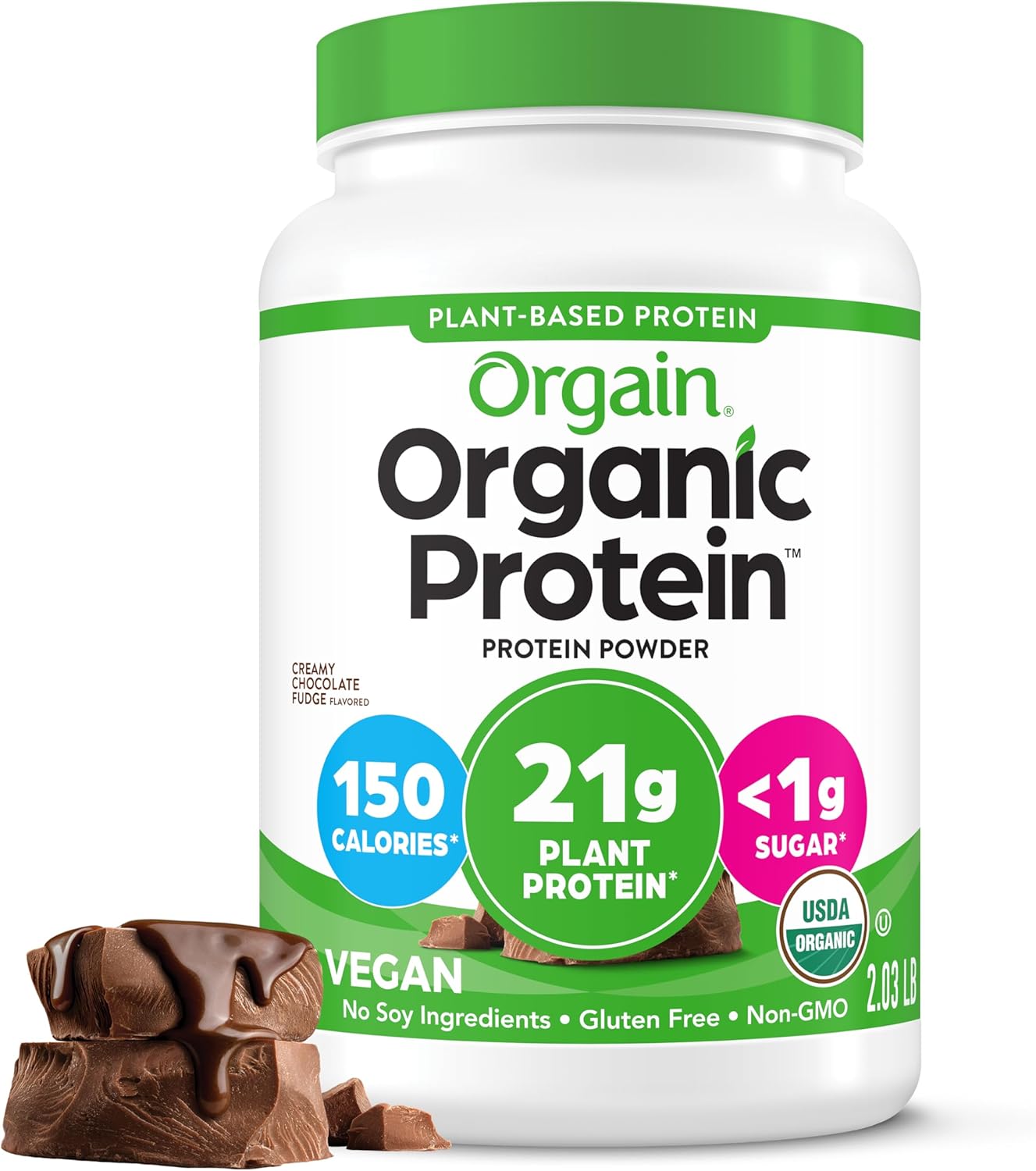
Pick 2 — Orgain Organic Protein (Best Budget)
Orgain Organic Protein (Best Budget)
We recommend Orgain Organic Protein Powder Chocolate Fudge a plant-based protein blend delivering 21g protein per serving, supporting muscle recovery, energy, and nutrition with USDA organic ingredients and smooth, delicious chocolate flavor..
*Purchases through this link support our research at no extra cost to you.
For those seeking value without compromising too much on quality, this is a strong contender, especially if you’re comparing options amid concerns around heavy metals protein powder safety.
It is a USDA-certified organic supplement and Non-GMO, though its third-party testing transparency is less detailed than some premium competitors. Each serving provides 21g of plant-based protein from pea, brown rice, and chia, along with 6g of prebiotic fiber to support digestion.
One of its biggest advantages is the “Organic Creamer Base,” which creates a smoother, creamier texture than many plant proteins that tend to be gritty. This makes it easy to mix into shakes, smoothies, or even coffee.
It’s widely available on platforms like Amazon, Target, and Costco, keeping it affordable and convenient. Most users enjoy the chocolate flavor, while the vanilla version may taste slightly too sweet for some.
The main drawback is limited testing transparency. Overall, it’s ideal for budget-conscious buyers, first-time users, and those who prioritize taste, texture, and accessibility.
Read More: Can Older Adults Benefit From Protein Powder?
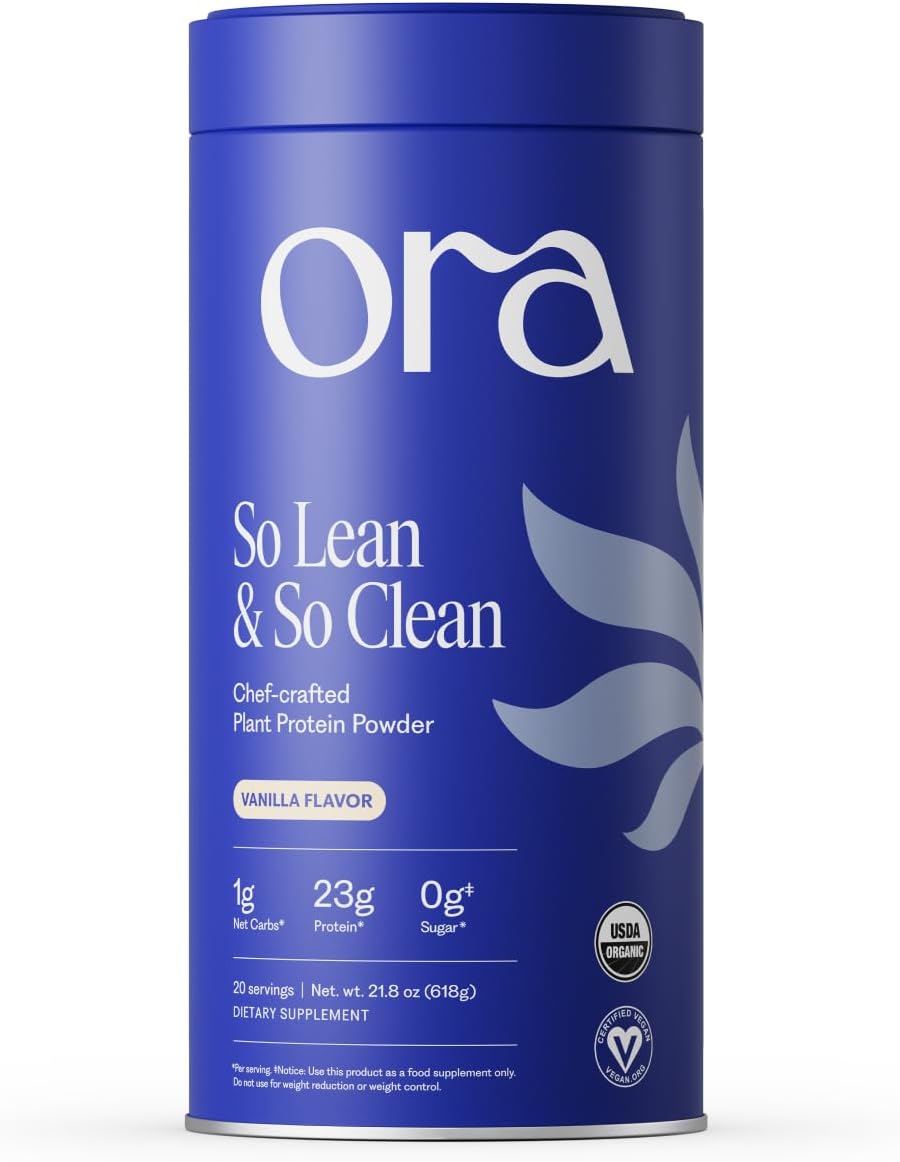
Pick 3 — Ora Organic So Lean & So Clean (Best for Women)
Ora Organic So Lean & So Clean (Best for Women)
We recommend Ora Organic So Lean & So Clean Protein Powder a vegan plant-based formula delivering clean protein, digestive enzymes, and organic ingredients to support muscle recovery, energy, and smooth digestion with delicious flavor.
*Purchases through this link support our research at no extra cost to you.
This organic protein powder is designed for those who want higher protein in fewer servings, making it a strong choice for women focused on fitness and weight goals. It is USDA Organic and a third-party tested protein powder, offering added assurance on ingredient quality and safety. A recent reformulation replaced stevia with monk fruit, which many users find gentler on digestion and more balanced in taste.
Each 2-scoop serving provides 30g of protein from a pea and rice blend, along with about 170 calories. The higher protein content makes it more filling than many alternatives, supporting muscle building and appetite control. It’s ideal for those who prefer fewer but more nutrient-dense servings.
On the downside, the 2-scoop serving means using more powder per shake, and the texture can become quite thick in a shaker bottle; using a blender is often better. Flavor options are also somewhat limited.
Overall, it’s best suited for women aiming to boost protein intake efficiently, particularly for weight management, fitness routines, or as a satisfying meal replacement.
Read More: Top PCOS-Friendly Protein Powders for Energy & Metabolism Support
Pick 4 — Sunwarrior Warrior Blend (Best for Athletes)

Sunwarrior Warrior Blend (Best for Athletes)
We recommend Sunwarrior Active Recovery Protein Chocolatea plant-based recovery formula combining protein, electrolytes, minerals, and botanicals to support muscle repair, hydration, endurance, and post-workout recovery with clean vegan ingredients.
*Purchases through this link support our research at no extra cost to you.
If you’re looking for a clean protein powder to support performance and recovery, this plant-based blend is a strong contender. While it’s not an organic whey protein powder, it offers a dairy-free alternative with comparable benefits for athletes.
It is USDA Organic, Non-GMO, gluten-free, and soy-free, making it suitable for a wide range of dietary needs. Each 25g serving provides 18g of protein from pea, hemp, and goji berry, delivering a complete amino acid profile and naturally occurring BCAAs to support muscle recovery.
It also includes Medium Chain Triglycerides (MCTs) from coconut. MCTs are a rapidly absorbed fat source that the body converts to energy quickly, making them useful for workouts and endurance training. The powder blends well, and the vanilla flavor is mild and neutral, versatile for smoothies though too subtle in plain water.
On the downside, some users notice an earthy aftertaste, and the protein density per serving is slightly lower than that of more concentrated formulas.
Overall, it’s best for athletes and active users who want a clean, plant-based protein that supports energy, recovery, and easy daily use.
Read More: Is Protein Powder Safe for People With Diabetes?
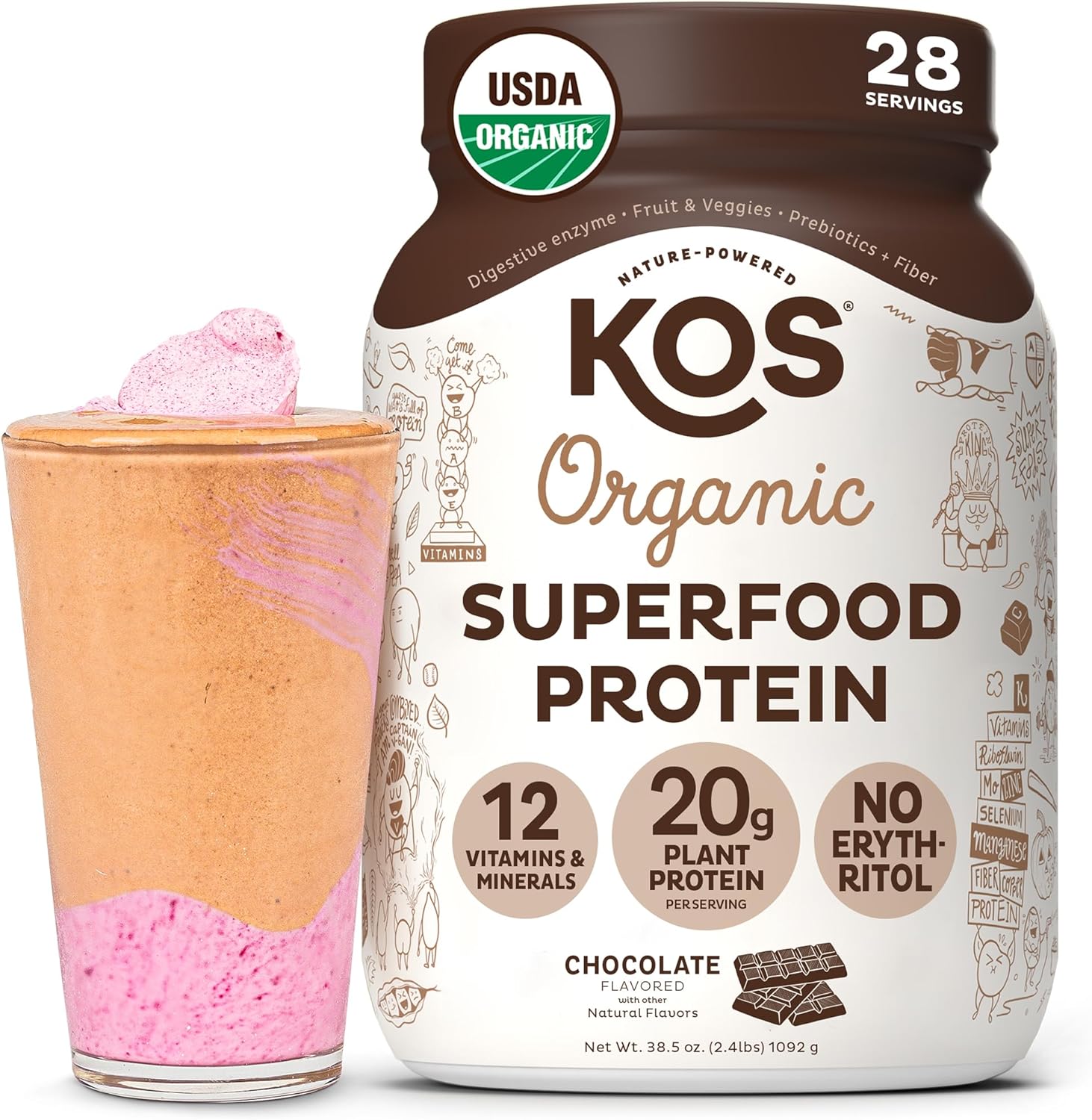
Pick 5 — KOS Organic Plant Protein (Best Flavors)
KOS Organic Plant Protein (Best Flavors)
We recommend KOS Organic Plant Protein Powdera USDA organic vegan protein blend delivering complete plant-based nutrition, digestive support, and antioxidants to promote muscle recovery, energy, and smooth, satisfying daily nutrition.
*Purchases through this link support our research at no extra cost to you.
If flavor matters most, this organic protein powder stands out as a strong contender for the best tasting organic protein powder category. It is USDA Organic, though its third-party testing transparency is somewhat limited, which may be a concern for more detail-oriented buyers.
Each serving delivers 20g of protein from a five-source blend of pea, flaxseed, quinoa, pumpkin seed, and chia, offering a balanced amino acid profile.
What really sets this product apart is its wide flavor variety. Options like s’mores, blueberry muffin, acai berry, and chocolate chip mint are rare in the organic space and make it appealing for those who get bored with standard vanilla or chocolate. The inclusion of coconut milk powder gives it a rich, creamy texture that works especially well in smoothies and recipe-based uses like smoothie bowls.
However, the coconut base can be a downside for some users, as the taste may feel overpowering with regular use. Combined with limited testing transparency, this is something to consider.
Overall, it’s best suited for those who prioritize taste, enjoy experimenting with flavors, and use protein powders in recipes rather than plain shakes.
Read More: Replenish Your Energy: 6 Best Protein Powders for Men’s Muscle Recovery
Pick 6 — Raw Organic Whey (Best Organic Whey)

Raw Organic Whey (Best Organic Whey)
We recommend Raw Organic Whey Protein Powdera grass-fed undenatured whey formula delivering clean protein for muscle recovery, strength, and daily nutrition, made without artificial sweeteners, hormones, or unnecessary additives for purity.
*Purchases through this link support our research at no extra cost to you.
For those who prefer dairy-based options, this stands out as one of the best organic protein powder choices in the whey category. It is a USDA organic protein powder sourced from 100% grass-fed, pasture-raised cows on small US farms,delivering 25g of protein per serving.
The product is also third-party tested for heavy metals, antibiotics, pesticides, mycotoxins, and melamine, offering a high level of safety and transparency.
What makes it unique is its cold-processing method, meaning it is not heat-treated. This helps preserve naturally occurring compounds like immunoglobulins and growth factors, which are often lost in heavily processed whey products. It’s also a single-ingredient formula, pure organic whey, with no added sweeteners, flavors, or fillers.
However, that simplicity comes with trade-offs. Since it’s unflavored, it may not taste appealing on its own and usually needs to be blended with fruits or other ingredients. It’s also priced higher than many conventional options and isn’t as widely available.
Overall, it’s best suited for whey purists, clean-label enthusiasts, and those who want a minimal, additive-free protein source without artificial ingredients.
Read More: When Is the Best Time to Take Protein Powder—Morning or Night?
Pick 7 — Ritual Essential Protein Daily Shake (Best for Heavy Metal Transparency)

Ritual Essential Protein Daily Shake (Best for Heavy Metal Transparency)
We recommend Ritual Essential Protein Daily Shake Vanillaa vegan protein powder delivering complete amino acids, BCAAs, and clean plant-based nutrition to support muscle recovery, strength, and daily wellness with traceable high-quality ingredients.
*Purchases through this link support our research at no extra cost to you.
If your main concern is safety, especially around heavy metals protein powder risks, this option stands out for its unmatched transparency. It is Clean Label Project certified, meaning it has been tested for over 400 contaminants, including heavy metals, one of the most rigorous standards available today.
Note that Ritual does not carry USDA Organic certification. It earned its place on this list specifically because of its contaminant testing standards, which are more detailed than most USDA Organic competitors. For buyers who want both organic sourcing and rigorous testing, see Garden of Life or Raw Organic Whey instead.
Each serving provides 20g of pea protein with around 120 calories, making it a clean and simple formulation without unnecessary additives. The brand is well known for its focus on traceability and ingredient sourcing, which adds another layer of trust.
For those comparing pea protein vs whey, this offers a plant-based alternative that is easier to digest for many and free from dairy-related concerns.
On the downside, it is priced higher per serving, and flavor options are limited compared to other brands.
Overall, it’s best suited for consumers who prioritize transparency and safety above all else, especially those concerned about contamination issues highlighted in recent testing reports.
Read More: 10 Easy Ways to Add Protein to Oatmeal (Expert Tips & Recipes)
How We Chose These Products
We evaluated every product against four criteria.
First, USDA Organic certification: the baseline requirement. Without it, “organic” is a marketing claim, not a verified standard.
Second, third-party testing: certifications from NSF, Informed Sport, or the Clean Label Project verify what’s actually in the product, not just what’s on the label.
Third, protein quality: we required a complete amino acid profile and a minimum of 20g of protein per serving to support meaningful muscle protein synthesis.
Fourth, taste and mixability: the best protein powder is the one you’ll actually use consistently. All seven picks were evaluated on these factors, with honest trade-offs noted for each.
What to Look for When Buying Organic Protein Powder
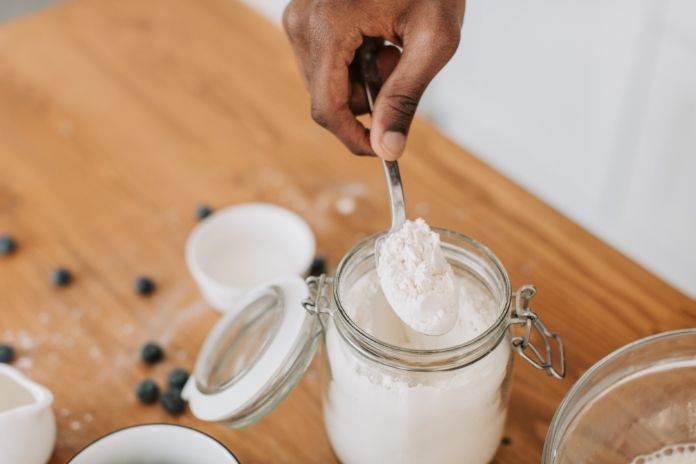
Choosing the right organic protein powder for women (or anyone) goes beyond picking a product labeled “organic.” While organic certification ensures cleaner farming practices without synthetic pesticides or GMOs, it doesn’t guarantee overall quality.
A good protein powder should provide at least 20g of protein per serving and ideally be a complete amino acid protein, especially for plant-based options. Ingredient quality matters; look for short, clean labels without artificial sweeteners or fillers.
Digestibility is also key; some powders include enzymes or probiotics to reduce bloating and improve absorption. Taste and mixability shouldn’t be ignored either, since consistency matters for daily use.
On value, the most useful metric isn’t the sticker price. It’s the cost per gram of protein. Divide the total price by the total grams of protein in the tub to compare products accurately across different serving sizes and price points.
Ultimately, the best choice depends on your goals, whether it’s muscle gain, weight management, or general wellness.
“Organic” vs. “Third-Party Tested” — They’re Not the Same Thing
A common mistake is assuming “organic” means fully safe. USDA Organic certification focuses on farming practices, not final product purity. Even organic crops can absorb heavy metals from the soil.
That’s why third-party verification, like NSF-certified protein or Clean Label Project certification, is critical. These certifications test what’s actually inside the product, ensuring it meets safety standards.
Ideally, choose a protein powder that offers both organic sourcing and independent testing for complete confidence.
Dr. Jose Antonio, Professor of Health and Human Performance in the Osteopathic College of Medicine at Nova Southeastern University, said, “Prioritize protein content per serving and overall amino acid profile.” Dr. Antonio emphasizes that a good protein powder, organic or not, should deliver sufficient protein and essential amino acids, especially leucine, which is key for muscle building.
Plant vs. Whey — Which Is Better for You?
Neither option is universally better. Whey protein is naturally a complete amino acid protein with fast absorption, making it ideal for post-workout recovery.
Plant-based proteins, often combining pea and rice, can also achieve a complete profile but digest more slowly due to fiber content. This slower digestion can help with fullness and sustained energy.
One distinction worth knowing: plant proteins are slightly lower in bioavailability than whey, partly because of fiber and compounds called phytates that can reduce absorption. That’s why blended plant proteins (pea plus rice) outperform single-source options, since each covers the amino acid gaps of the other.
For those with lactose intolerance or following a vegan diet, plant protein is a practical alternative. Ultimately, both types can support your health and fitness goals when chosen based on your needs.
Read More: Why Your Protein Shake Is Making You Puffy (and How to Fix It)
Conclusion
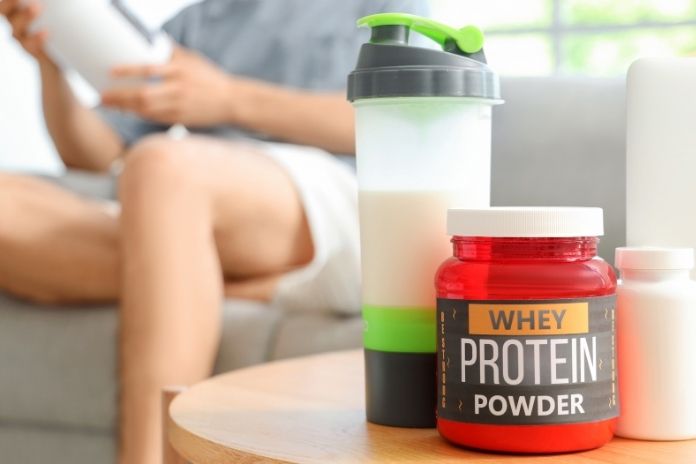
The organic protein powder market has come a long way, offering better quality and cleaner formulations than before, but it still demands careful evaluation.
USDA Organic certification is a good starting point, but it doesn’t guarantee purity or safety on its own. Third-party testing remains the key factor that separates trustworthy products from the rest.
Among the options reviewed, Garden of Life stands out for overall reliability and balance. Ora Organic is ideal for higher protein intake, while Raw Organic Whey suits those who want a single-ingredient, additive-free option.
Ultimately, the right choice depends on your priorities, whether that’s budget, taste, protein type, or testing transparency.
Frequently Asked Questions
FAQ 1: Are organic protein powders actually healthier?
Organic protein powders can be a healthier choice in terms of how the ingredients are grown, as they avoid synthetic pesticides, herbicides, and GMOs. However, “organic” doesn’t automatically mean the final product is completely free from contaminants like heavy metals. To make a truly healthy choice, it’s important to look beyond the label. The best option is a protein powder that is both USDA Organic certified and independently tested by third parties to ensure safety, purity, and overall quality.
FAQ 2: How much protein do I actually need per day?
Most adults need about 0.8g of protein per kilogram of body weight as a baseline. If you exercise regularly or are aiming to build muscle, leading sports nutrition organizations, including the International Society of Sports Nutrition and the American College of Sports Medicine, recommend 1.4 to 2.0g per kilogram. For most people, one 20–25g serving per day is meaningful supplementation as part of a balanced diet.
FAQ 3: Is plant protein as effective as whey for muscle building?
For most people and fitness goals, yes. Plant protein blends that combine pea and rice provide a complete amino acid profile and have shown comparable results to whey for supporting muscle growth in multiple studies. Whey is absorbed faster, which may offer a slight advantage immediately post-workout. For overall daily protein targets, a high-quality plant protein performs equivalently to whey.
References
- Snyder, C. (2026, April 17). 7 best protein powders (2026): RD approved | Fortune. Fortune.
- Vigliotta, C. (2026, March 26). Health experts weigh in: The 8 best protein powders of 2026. Forbes.
- Gerber, K., & Gerber, K. (2026, April 24). 7 Best protein Powders of 2026 (Taste-tested and Reviewed). Treeline Review.
- Co, O. P., & Co, O. P. (2025, April 17). A guide to the best protein powder for your needs. The Organic Protein Company.
- Amir, E. (2026, March 31). Organic vegan protein powder: What to look for (and what to avoid). Future Kind.
- Clinic, C. (2020, June 12). How to choose the best protein powder for you. Cleveland Clinic.
- Aditya. (2026, March 11). What to look for when buying a clean plant based protein powder? Wellbeing Nutrition.
- How to choose the best plant protein powder without burning cash? (2026, February 4). Cureveda.
- Mayo Clinic Press. (2024, October 11). Ingredients to look for in a protein powder.
- Ravi, R. (2025, June 2). How to choose the right organic protein powder for your diet. The Wellness Collective®.
- Nasm, L. K. (2026, April 17). Want to build muscle? These are the 6 protein powders our editors trust. Men’s Health.
- Mességué, M. (2025, November 8). The 4 best vegan protein powders, according to a dietitian (2026). Darwin Nutrition.
In this Article